Understanding Business Plan Cover Letters
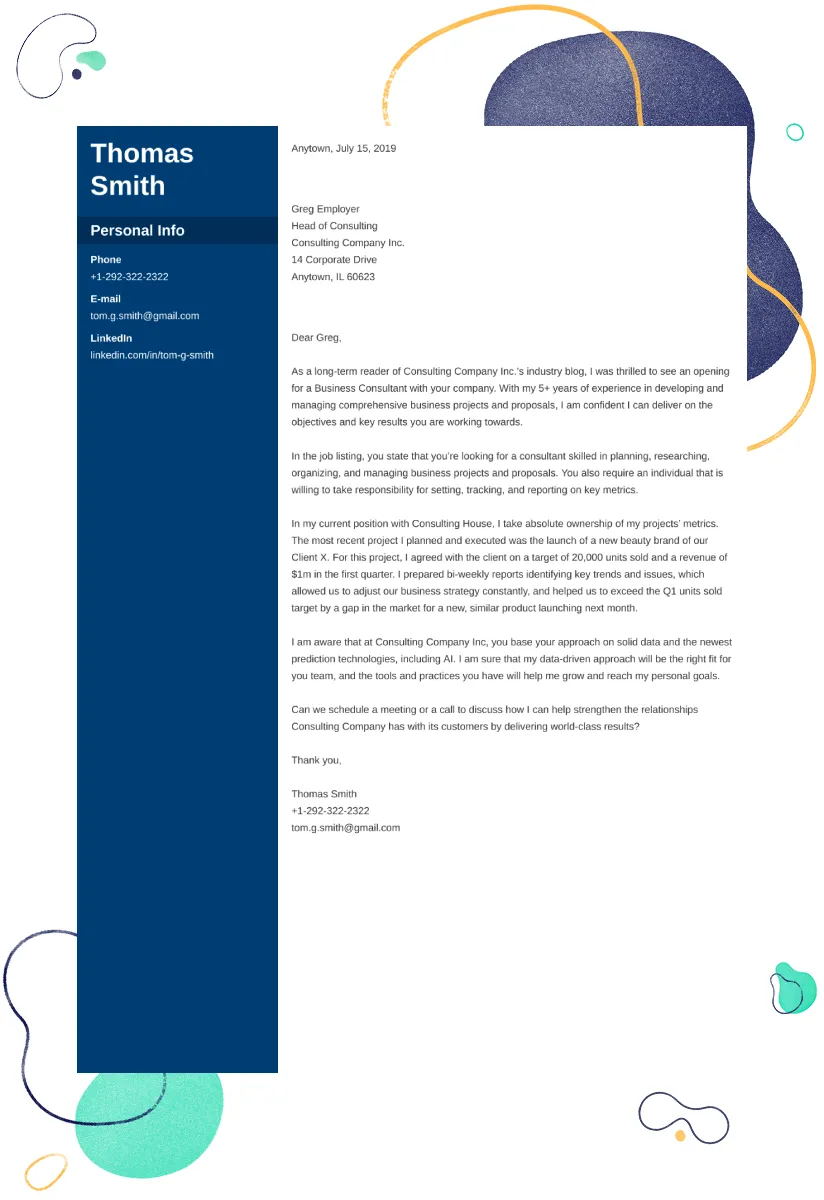
A business plan cover letter is a crucial document that accompanies your business plan. It serves as the first impression you make on potential investors, lenders, or partners. Unlike the business plan itself, which is detailed and comprehensive, the cover letter is concise and aims to capture the reader’s attention immediately. It sets the stage for your business plan, highlighting the key aspects of your business and why it’s a worthwhile investment. Think of it as the sales pitch for your business plan, designed to entice the reader to delve deeper into the full document. A well-crafted cover letter can significantly increase the likelihood of your business plan being read and considered seriously.
The Purpose of a Business Plan Cover Letter
The primary purpose of a business plan cover letter is to introduce your business plan and yourself or your team to the recipient. It provides a brief overview of your business concept, its goals, and the potential benefits for the reader. Whether you’re seeking funding, partnerships, or other forms of support, the cover letter explains why you’re reaching out and what you hope to achieve. It’s also an opportunity to demonstrate your professionalism, enthusiasm, and understanding of your target audience. The cover letter is essentially a marketing tool that persuades the recipient to review your business plan and consider your proposal. By clearly articulating your objectives and highlighting your unique value proposition, you increase your chances of success.
Key Elements of a Business Plan Cover Letter

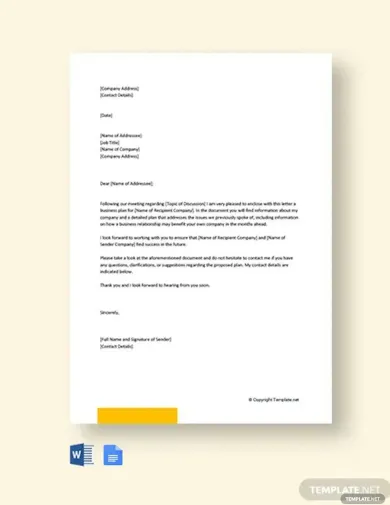
A strong business plan cover letter typically includes several key elements. Start with a professional salutation, addressing the recipient by name whenever possible. Clearly state the purpose of the letter, indicating that you’re submitting a business plan. Briefly introduce your business, including its name and a concise description of what it does. Highlight your unique selling proposition (USP) or competitive advantage, emphasizing what sets your business apart. Mention any specific requests, such as funding or partnerships. Express your gratitude for the recipient’s time and consideration, and provide your contact information for follow-up. Keep the tone professional and enthusiastic, and ensure the letter is free of errors. The length should be kept to one page.
Structuring Your Business Plan Cover Letter
Structuring your business plan cover letter effectively is essential for conveying your message clearly and persuasively. Begin with a compelling opening that grabs the reader’s attention. State your purpose clearly and concisely. Provide a brief overview of your business, focusing on the most crucial information. Highlight your key accomplishments or strengths, such as relevant experience or a unique product or service. Briefly explain your request, whether it’s funding, a partnership, or another form of support. Close with a call to action, inviting the recipient to review your business plan and offering to provide additional information. Ensure the letter is well-formatted, with clear paragraphs, proper grammar, and a professional tone. The overall structure should be easy to read and immediately understandable.
Top 5 Business Plan Cover Letter Examples
Here are five examples of business plan cover letters, each designed for different scenarios and audiences. These samples can provide valuable insights into crafting your own effective cover letter. Remember to customize these examples to reflect your specific business, target audience, and objectives. Each example showcases a different approach, from seeking investors to applying for a loan. Analyze the tone, language, and structure used in each sample to create a cover letter that suits your specific needs.
Example 1

This example targets potential investors, emphasizing the business’s growth potential and return on investment. It highlights the company’s unique value proposition and provides a clear call to action, urging the investors to review the plan and schedule a meeting. It maintains a professional and confident tone, focusing on the benefits for the investors.
Key Takeaways from Example 1
- Focus on investor benefits
- Quantify potential returns
- Offer a clear call to action
Example 2
This cover letter is tailored for a bank or lending institution. It highlights the business’s financial stability, creditworthiness, and ability to repay the loan. It provides supporting financial data and emphasizes the importance of the loan for business expansion. The tone is formal and serious, demonstrating a strong understanding of financial requirements.
Key Takeaways from Example 2

- Emphasize financial stability
- Include key financial data
- Clearly state loan purpose
Example 3
This example showcases a cover letter for a partnership proposal. It highlights the potential synergies between the businesses and the mutual benefits of collaboration. It emphasizes shared values and common goals, creating a persuasive case for partnership. The tone is collaborative and forward-thinking, focused on building a long-term relationship.
Key Takeaways from Example 3
- Highlight mutual benefits
- Emphasize shared values
- Propose clear partnership terms
Example 4

This example is suitable for a grant application. It clearly outlines the project’s goals, the target impact, and the alignment with the grant provider’s objectives. It demonstrates a strong understanding of the grant requirements and provides concise, compelling arguments for funding. The tone is formal and persuasive, with a focus on the project’s potential societal impact.
Key Takeaways from Example 4
- Align with grant objectives
- Quantify potential impact
- Provide a clear project scope
Example 5
This sample is used when seeking mentorship or advisory services. It expresses a desire to learn from an experienced professional and outlines specific areas where mentorship is needed. It demonstrates a proactive approach to business growth and a willingness to receive guidance. The tone is respectful and appreciative, showing a clear understanding of the mentor’s value.
Key Takeaways from Example 5
- Express a desire to learn
- Outline specific mentorship needs
- Demonstrate respect for the mentor
Writing Your Own Compelling Cover Letter
To write your own compelling business plan cover letter, start by identifying your target audience and the purpose of your communication. Research the recipient and tailor your letter to their specific interests and needs. Begin with a strong opening that grabs attention, such as a personal anecdote or a compelling statement about your business. Briefly introduce your business, highlighting its key strengths and competitive advantages. Clearly state your request, whether it’s funding, a partnership, or another form of support. Provide supporting evidence, such as financial projections or market research data. Close with a call to action, encouraging the recipient to review your business plan and contact you with any questions. Remember to proofread your letter carefully to ensure it’s free of errors.
Tips for Tailoring Your Letter
To tailor your business plan cover letter effectively, research your target audience and understand their priorities. If you’re seeking investors, highlight the potential for high returns. If you’re applying for a loan, focus on your financial stability and creditworthiness. Customize your language and tone to match the recipient’s style. Use industry-specific terms and jargon when appropriate, but avoid overly technical language. Highlight any relevant experience or accomplishments that align with the recipient’s interests. Personalize your letter by mentioning any prior interactions or connections. Tailoring your letter demonstrates that you’ve taken the time to understand their needs and that you value the opportunity to work with them.
Common Mistakes to Avoid

Avoid these common mistakes to ensure your business plan cover letter makes a positive impression. Don’t use generic language; personalize your letter to the recipient. Avoid typos and grammatical errors; always proofread carefully. Don’t be overly long; keep your letter concise and to the point. Avoid jargon that the reader may not understand. Don’t be vague; clearly state your request and the benefits of your proposal. Avoid overselling or making unrealistic claims. Don’t forget to include your contact information. Finally, avoid sending a cover letter that doesn’t match the business plan; the two should complement each other, providing consistent information.
Proofreading and Formatting
Proofreading and formatting are essential steps in creating a professional business plan cover letter. Proofread your letter carefully for any errors in grammar, spelling, or punctuation. Use a professional and easy-to-read font, such as Times New Roman or Arial. Maintain consistent formatting throughout the letter, including font size, spacing, and margins. Ensure your letter is well-organized with clear paragraphs and headings. Use bullet points or numbered lists to highlight key information. Check for any awkward phrasing or unclear sentences. Consider asking a colleague or friend to review your letter for clarity and accuracy. A well-formatted and error-free cover letter demonstrates your attention to detail and professionalism, making a positive impression on your readers.