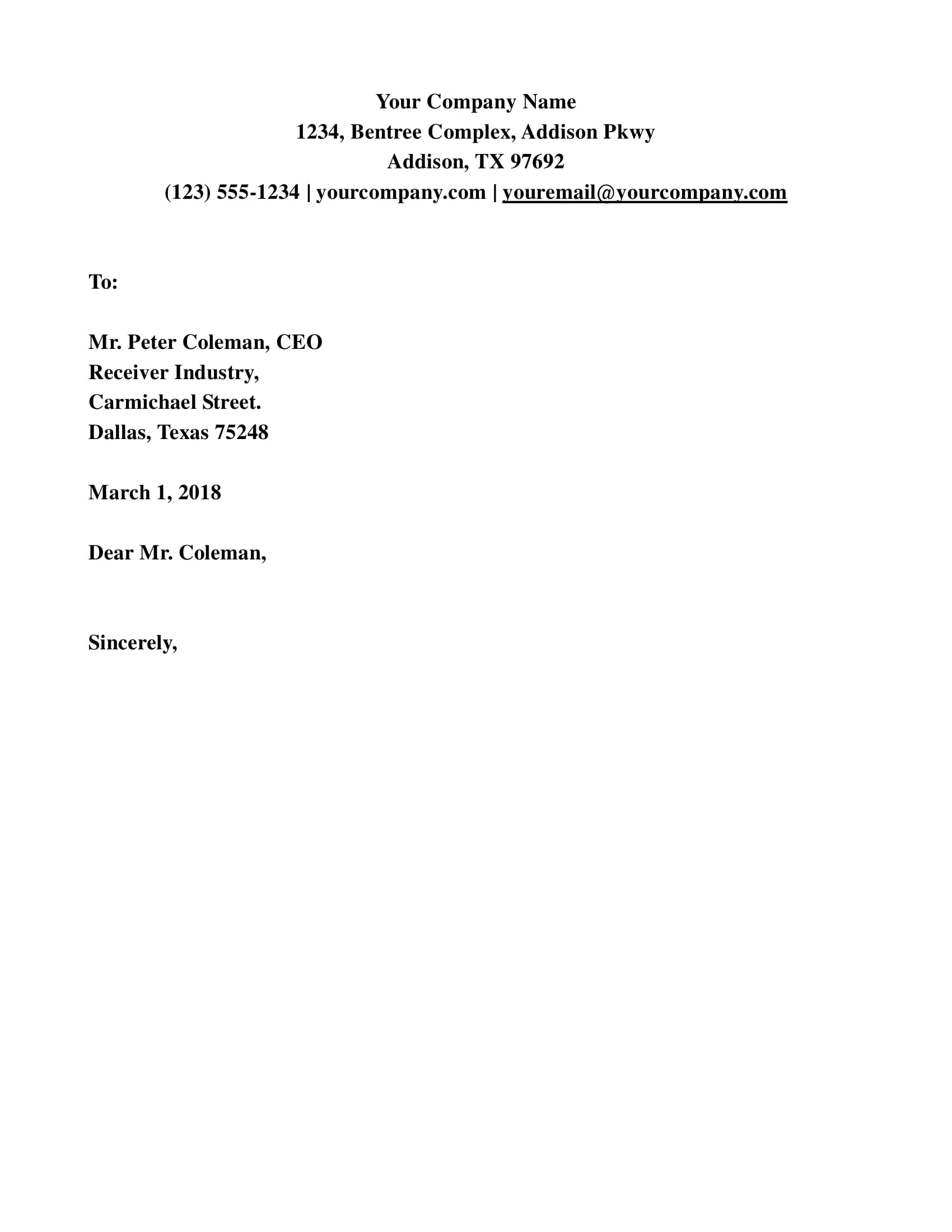
Understanding the Importance of a Business Proposal Cover Letter
A business proposal cover letter is more than just a formality; it’s a crucial element in securing new business opportunities. It’s the first impression you make on a potential client, setting the tone for the entire proposal. A well-crafted cover letter can capture a reader’s attention, highlight your key strengths, and convince them to delve deeper into your proposal. Conversely, a poorly written letter can lead to your proposal being immediately dismissed, regardless of its merits. In today’s competitive business landscape, mastering the art of the cover letter is essential for success. This guide will provide you with the essential tips to make your cover letter stand out.
What is a Business Proposal Cover Letter?
A business proposal cover letter is a concise document that accompanies your detailed business proposal. It serves as an introduction, summarizing the proposal’s key points and expressing your interest in the project or opportunity. It’s designed to be a personalized communication, directly addressed to the decision-maker, showcasing your understanding of their needs and your ability to provide solutions. This letter is a bridge between your company and the prospective client, paving the way for a productive business relationship. It’s your opportunity to create a strong first impression and make your proposal more appealing.
Why Is a Cover Letter Important?

The cover letter is important because it sets the stage for your proposal. It offers a glimpse into your professionalism, attention to detail, and understanding of the client’s needs. It allows you to briefly explain the benefits of your proposal, highlighting why it’s the best solution. A well-written cover letter demonstrates that you’ve taken the time to understand the client and have tailored your proposal to their specific requirements. It increases the likelihood that the reader will engage with your proposal and consider you a serious contender. Without a compelling cover letter, even the most impressive proposal might be overlooked.
Key Tip 1 Tailor the Letter to the Recipient
Generic cover letters rarely impress. Customization is key. Before you begin writing, thoroughly research the recipient and their organization. Understand their challenges, goals, and pain points. Use this information to personalize your letter, demonstrating that you understand their specific needs. Address the letter to a specific individual, if possible, rather than using a generic greeting like “To Whom It May Concern.” This personal touch shows that you value the relationship and have invested time in understanding the client. Tailoring your letter makes it more relevant and increases the chances that the reader will see value in your proposal.
Researching the Recipient and Their Needs
Begin your research by visiting the company’s website and social media profiles. Review their “About Us” section, case studies, and recent news. Look for any press releases or articles that provide insights into their current projects or challenges. Use LinkedIn to find information about the decision-maker, their background, and their role within the organization. Understanding their priorities will help you tailor your letter to demonstrate how your proposal addresses those needs. The more you know about the recipient, the better equipped you’ll be to create a compelling and relevant cover letter.
Highlighting Relevant Benefits

Once you’ve researched the recipient and understand their needs, focus on highlighting the benefits of your proposal that are most relevant to them. Don’t simply list features; instead, explain how those features will solve their problems or help them achieve their goals. For example, if the client is looking to increase efficiency, emphasize how your solution will streamline their processes. If they’re concerned about cost, highlight the potential for long-term savings. By focusing on benefits, you make it clear why the client should choose your proposal over others.
Key Tip 2 Keep It Concise and Focused
Time is valuable, so your cover letter should be concise and to the point. Respect the reader’s time by providing only essential information. Avoid lengthy paragraphs and unnecessary details. The goal is to capture their attention quickly and encourage them to read the full proposal. A clear and concise letter demonstrates that you value their time and are organized in your approach. Keep your sentences short and focused, and use strong action verbs to convey your message effectively. Focus on conveying your key message efficiently.
The Ideal Length for a Cover Letter
Aim for a cover letter that’s no more than one page long. Ideally, it should be around 250-350 words. This allows you to cover the necessary information without overwhelming the reader. A concise letter is easier to read and digest. Prioritize the most important points and eliminate any unnecessary information. Before submitting, review and edit your letter carefully to ensure that it’s as concise as possible without sacrificing clarity or impact.
Avoiding Unnecessary Jargon

While it’s important to demonstrate your expertise, avoid using excessive jargon or technical terms that the reader may not understand. Use clear, straightforward language that is easy to comprehend. Your goal is to communicate your message effectively, not to confuse the reader. If you must use technical terms, provide a brief explanation or definition. A well-written cover letter uses language that is accessible to the reader, regardless of their background. Avoid overly complex sentences.
Key Tip 3 Emphasize Your Value Proposition
Your value proposition is the unique benefit you offer to the client. It’s what sets you apart from the competition. Clearly articulate this in your cover letter. Explain what makes your proposal the best choice and how it addresses the client’s specific needs. Emphasize the value you bring to the table, whether it’s cost savings, increased efficiency, or improved results. A strong value proposition will capture the reader’s attention and make them eager to learn more. The value proposition should be central to your cover letter and proposal.
Clearly State Your Unique Selling Points
Identify your unique selling points (USPs) and clearly state them in your cover letter. These are the aspects of your business that differentiate you from your competitors. Perhaps it’s your experience, your innovative approach, or your commitment to customer service. Whatever it is, make sure to highlight it. Clearly stating your USPs will make the client understand why they should select you instead of someone else. Ensure that your USPs align with the client’s needs and priorities.
Quantifying Your Achievements

Whenever possible, quantify your achievements. Instead of saying “We improved efficiency,” say “We increased efficiency by 20%.” Numbers and statistics add credibility to your claims and demonstrate the value you can bring. Use data to support your value proposition and show the client what they can expect. Providing measurable results will make your cover letter more persuasive and show that you can deliver on your promises. Use the specific examples from previous projects.
Key Tip 4 Showcase Your Professionalism
Your cover letter is a reflection of your professionalism. Every detail, from the formatting to the grammar, should be impeccable. A well-crafted cover letter demonstrates that you are serious about the opportunity and pay attention to detail. This shows your commitment to excellence, which is crucial in a professional environment. Presenting a polished and professional image can greatly enhance your chances of making a favorable impression.
Proper Formatting and Grammar
Use a professional font, such as Times New Roman or Arial, and ensure that the font size is easy to read. Use clear headings, bullet points, and white space to make the letter visually appealing. Ensure proper grammar, spelling, and punctuation. Errors can damage your credibility. Proofread carefully before submitting. A clean and professional layout communicates that you care about quality and attention to detail.
Proofreading for Errors

Proofreading is an essential step. Errors can undermine your credibility and make you appear unprofessional. Read the letter carefully, checking for any grammatical errors, spelling mistakes, or typos. It can be helpful to have someone else review your letter, as they may catch errors that you miss. Reading the letter aloud can also help you identify any awkward phrasing or unclear sentences. Thorough proofreading ensures that your message is clear, concise, and error-free.
Key Tip 5 Include a Clear Call to Action
Don’t leave the reader wondering what to do next. Include a clear call to action (CTA) that tells them what you want them to do. Whether it’s scheduling a meeting, reviewing the proposal, or contacting you with questions, make your expectations clear. A well-defined CTA guides the reader and increases the likelihood of a positive response. It leaves no room for doubt and clarifies the next steps in the process.
Stating Your Desired Outcome
Clearly state the outcome you desire. Do you want the client to approve the proposal? Schedule a meeting? Request more information? Be specific. This makes your intentions clear and guides the reader towards the desired action. A well-defined outcome shows that you have a clear goal and a plan to achieve it.
Providing Contact Information
Make it easy for the reader to contact you. Provide your phone number, email address, and website. Ensure that your contact information is accurate and up-to-date. This facilitates communication and demonstrates your accessibility. Including your contact information is an important detail, and ensures that potential clients can easily connect with you.
Conclusion
Crafting a compelling business proposal cover letter is a crucial skill in the business world. By following these five key tips, you can create a cover letter that captures attention, highlights your value proposition, and increases your chances of success. Remember to tailor the letter to the recipient, keep it concise, emphasize your value proposition, showcase your professionalism, and include a clear call to action. With these tips in mind, you will be well-equipped to write cover letters that convert and help you secure new business opportunities. Practice and refine your writing skills, and you’ll soon be creating cover letters that make a lasting impression. Good luck!