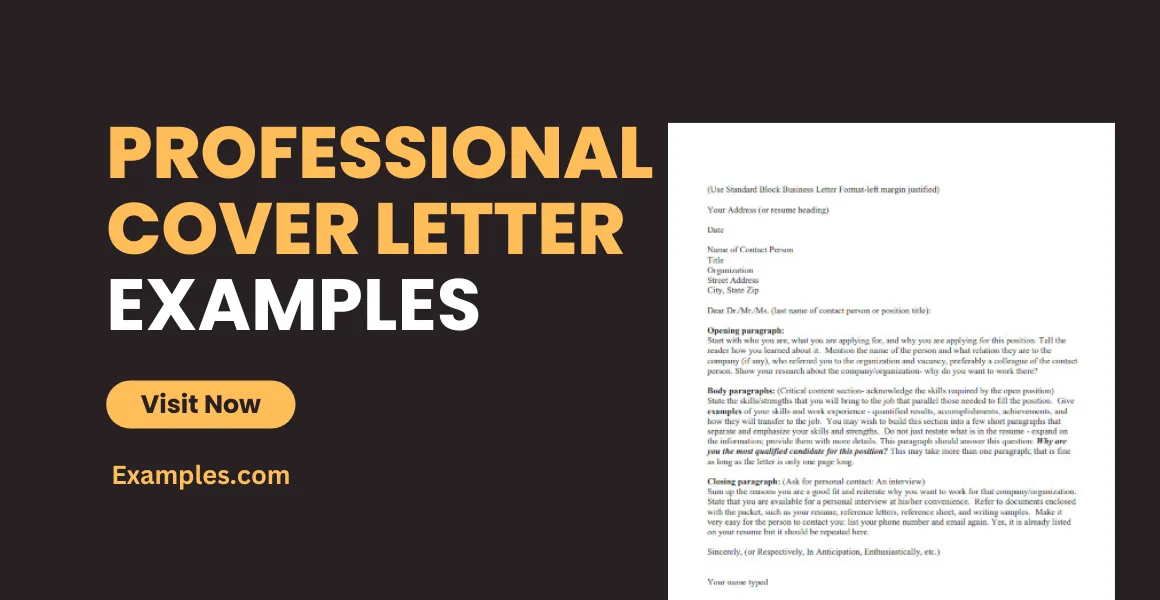
Cover Letter Examples for Experienced Professionals
Navigating the job market as an experienced professional can be challenging, but a well-crafted cover letter can significantly increase your chances of landing your dream job. This article provides comprehensive cover letter examples tailored for experienced professionals, offering insights, strategies, and practical tips to help you stand out from the competition. We’ll explore the critical components of an effective cover letter, industry-specific examples, and common pitfalls to avoid. By leveraging these examples and guidelines, you can create a compelling cover letter that showcases your expertise, accomplishments, and value to potential employers. Remember, your cover letter is your first impression it sets the tone for your application and determines whether you’ll move on to the next stage of the hiring process.
Understanding the Importance of a Cover Letter
In the digital age, it’s easy to assume that a resume alone is sufficient. However, a cover letter remains a crucial element of your job application, particularly for experienced professionals. It serves as a platform to introduce yourself, elaborate on your qualifications, and demonstrate your genuine interest in the specific role and company. A well-written cover letter allows you to personalize your application, highlighting the skills and experiences most relevant to the job requirements. It provides a narrative that complements your resume, offering context to your career progression and accomplishments. Moreover, it showcases your communication skills, organizational abilities, and attention to detail a cover letter is an opportunity to make a strong first impression and convince the hiring manager to read your resume carefully.
Why Cover Letters Matter for Experienced Professionals

For experienced professionals, a cover letter provides an invaluable opportunity to bridge the gap between your past experiences and the requirements of the new role. It allows you to connect your accomplishments with the company’s specific needs, demonstrating how your expertise aligns with their objectives. You can use your cover letter to address any potential concerns, such as career gaps or changes in industry. Furthermore, it lets you express your understanding of the company’s values, culture, and the challenges they face. This personalized approach shows that you’ve done your research and are genuinely interested in the opportunity. It also demonstrates your ability to communicate complex ideas concisely and persuasively, a critical skill for leadership and management positions.
Key Elements of a Strong Cover Letter
Professional Header and Contact Information
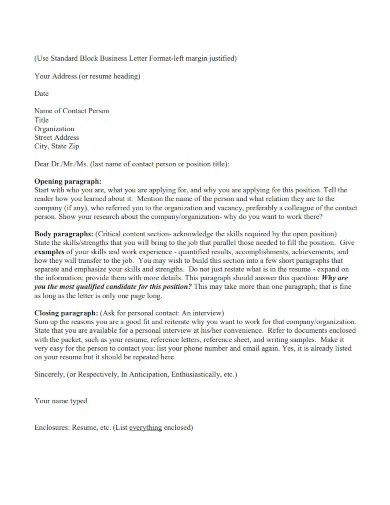
Your cover letter should start with a professional header that includes your full name, address, phone number, and email address. Make sure this information is current and easy to find. Additionally, include the date and the hiring manager’s name (if you know it) and title, followed by the company’s name and address. This ensures that your letter looks polished and demonstrates your attention to detail. Using a formal and clear format, such as a business letter style, is always recommended. Ensure that your contact information is consistent with what’s on your resume. Proofread this section carefully for any errors.
Highlighting Your Professional Experience

The body of your cover letter is where you showcase your professional experience. Focus on highlighting the skills and experiences most relevant to the job description. Instead of simply repeating your resume, use the cover letter to provide context and elaborate on your accomplishments. Explain how your past experiences have prepared you for the new role and what value you bring to the company. Use a narrative style to connect your experiences to the specific requirements of the job. Consider including a brief overview of your career progression, emphasizing key roles and responsibilities that align with the position. This approach helps demonstrate your understanding of the role’s needs and your capacity to meet them.
Showcasing Achievements and Results
One of the most effective ways to impress potential employers is by showcasing your achievements and results. Don’t just list your responsibilities; quantify your accomplishments with data and metrics whenever possible. Use action verbs to describe your contributions and focus on the impact you made in your previous roles. For instance, instead of stating “Managed a team,” say “Managed a team of 15 employees, resulting in a 15% increase in productivity.” Providing specific examples of your successes demonstrates your competence and ability to deliver tangible results. This approach helps the hiring manager visualize your contributions and understand the value you can bring to their company.
Quantifying Your Accomplishments
Quantifying your accomplishments is essential for demonstrating the impact of your work. Use numbers and data to illustrate your achievements. For example, instead of saying “Improved customer satisfaction,” state “Improved customer satisfaction by 20% through the implementation of a new feedback system.” Whenever possible, use metrics like revenue growth, cost savings, efficiency improvements, or customer satisfaction scores. These quantifiable results provide concrete evidence of your skills and abilities. When quantifying your achievements, be specific and provide context. Explain how you achieved these results and what actions you took. This approach makes your accomplishments more compelling and believable.
Tailoring the Cover Letter to the Job

Customizing your cover letter for each job application is crucial. Carefully review the job description and identify the key skills, experiences, and qualifications the employer is seeking. Then, tailor your cover letter to address these specific requirements. Highlight the experiences and skills that directly align with the job description, and provide examples of how you have demonstrated these skills in the past. Avoid sending generic cover letters; instead, show that you’ve invested time and effort into understanding the role and the company. Personalized cover letters significantly increase your chances of getting noticed and moving forward in the hiring process. This shows you’re genuinely interested in the specific opportunity and have the relevant skills.
Demonstrating Your Value Proposition
In your cover letter, articulate your value proposition clearly and concisely. Explain what you bring to the table and how you can contribute to the company’s success. Focus on your unique selling points and what sets you apart from other candidates. Consider including a brief summary of your key skills, experiences, and accomplishments. Be clear about the value you offer, whether it’s leadership, problem-solving, innovation, or specific technical expertise. Make your value proposition easy to understand and relevant to the role’s requirements. This helps the hiring manager quickly grasp your potential and determine whether you’re a good fit for the company.
Expressing Your Enthusiasm for the Role
Expressing your enthusiasm for the role is essential for showing your genuine interest. Demonstrate that you’ve researched the company and understand its mission, values, and culture. Explain why you are excited about the opportunity and how it aligns with your career goals. Mention specific aspects of the job or company that appeal to you. This could be a particular project, the company’s reputation, or the opportunity for professional growth. A genuine expression of enthusiasm can make a significant difference. It shows that you’re not just looking for any job but that you’re genuinely interested in this specific opportunity. Hiring managers appreciate candidates who show a true passion for the role.
Closing with a Call to Action

Conclude your cover letter with a strong call to action. Clearly state your interest in the position and reiterate your desire to discuss your qualifications further. Express your availability for an interview and provide your contact information. Thank the hiring manager for their time and consideration. A well-crafted call to action encourages the hiring manager to take the next step and move your application forward. It leaves a lasting impression and demonstrates your proactive approach. Avoid generic phrases and instead, tailor your closing to the specific job and company. This can be the determining factor in your hiring.
Cover Letter Examples for Different Industries
The content and tone of your cover letter should vary depending on the industry you are applying to. For instance, a cover letter for a creative role might be more expressive and visually appealing, while a cover letter for a technical position should be more focused on skills and experience. It’s crucial to research the industry standards and tailor your cover letter accordingly. Consider the company’s culture and values, and adjust your tone and language to match. By demonstrating your understanding of the industry’s specific needs, you can make your application more compelling and relevant. Always align your letter with the expectations of the industry you are targeting.
Example Cover Letter for Management Positions
When applying for management positions, highlight your leadership skills, strategic thinking, and ability to drive results. Provide examples of how you have led teams, managed projects, and achieved organizational goals. Quantify your achievements with metrics like increased revenue, improved efficiency, or enhanced customer satisfaction. Your cover letter should showcase your ability to make strategic decisions, manage budgets, and develop and mentor teams. Demonstrate your understanding of the company’s business objectives and how you can contribute to their success. Tailor the letter to demonstrate your leadership style and how it aligns with the company culture.
Example Cover Letter for Technical Roles

For technical roles, your cover letter should emphasize your technical skills, experience with relevant technologies, and problem-solving abilities. List the specific software, programming languages, or technical tools you are proficient in. Provide examples of how you’ve used your technical skills to solve complex problems, improve processes, or innovate. Quantify your achievements whenever possible, such as reducing errors or improving system performance. Tailor the letter to the specific requirements of the job, highlighting your relevant certifications and experience. Your technical skills are key, therefore this should be your main focus.
Example Cover Letter for Creative Fields
In creative fields, your cover letter is an opportunity to showcase your personality and artistic vision. Highlight your creative skills, portfolio, and any relevant experience. Your cover letter should be engaging and demonstrate your ability to communicate effectively. Describe your creative process and the impact of your work, quantifying your achievements whenever possible. Demonstrate your understanding of design principles and how you apply them to your work. If possible, include a link to your portfolio or examples of your work. The cover letter allows you to show a little personality and stand out from the crowd by demonstrating your passion for the field.
Common Mistakes to Avoid in Cover Letters
Avoiding common mistakes is essential for making a positive impression. A poorly written cover letter can undermine your application, regardless of your experience and qualifications. Proofread your cover letter carefully to eliminate any errors and ensure that it is professional and error-free. Focus on your strengths and avoid common pitfalls that can weaken your application. Paying attention to these details ensures that your cover letter reinforces your skills and increases your chances of being hired.
Generic and Vague Language
Using generic and vague language is a common mistake. Avoid clichés and overused phrases that provide little information. Instead, use specific examples and provide details about your accomplishments. Make your cover letter stand out by providing relevant details, specifics, and actionable results. Avoid using phrases that don’t provide specific examples or quantifiable results. The goal is to present a narrative and specific achievements and what you accomplished, which allows the hiring manager to understand the value that you will bring. Replace generic phrases with concrete examples and quantifiable results to highlight the value you’ll add.
Typos and Grammatical Errors
Typos and grammatical errors can damage your credibility. They demonstrate a lack of attention to detail and professionalism. Proofread your cover letter carefully before submitting it. Use grammar and spell-checking tools and, if possible, have someone else review your letter. Errors can make a negative impression and undermine your efforts. Ensure that your cover letter is polished, error-free, and ready for the hiring manager’s review. This shows you take the time to do your best and makes your job application more impressive.
Ignoring the Job Description
Ignoring the job description is another common mistake. Your cover letter should be tailored to the specific requirements of each job. Highlight the skills and experiences that are most relevant to the position and avoid including irrelevant information. Failure to address the job description demonstrates a lack of attention to detail and a lack of interest in the role. The focus should be on what you can do and how you can meet and exceed the expectations that they have. The hiring manager needs to see that you understand the role and are the right fit.