Understanding the Entry Level Cover Letter
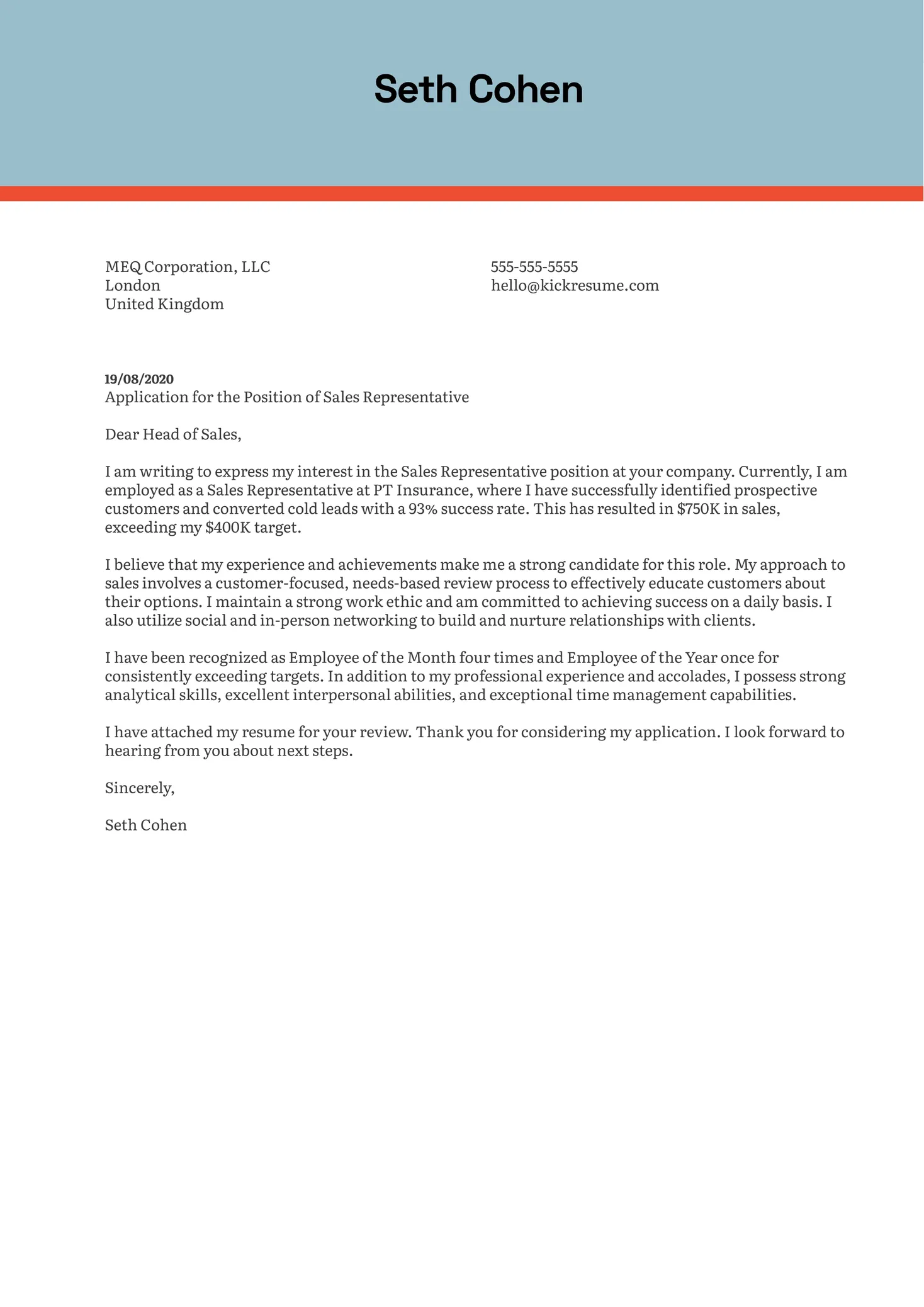
The entry-level job market is competitive, and a well-crafted cover letter is your first step in making a positive impression. Unlike experienced professionals, entry-level candidates may lack extensive work history. Therefore, your cover letter must effectively communicate your potential, transferable skills, and enthusiasm for the role. It’s an opportunity to showcase your personality, clarify your career goals, and demonstrate why you’re the perfect fit, even without direct experience. A compelling cover letter can highlight your academic achievements, extracurricular activities, volunteer work, and any relevant projects that demonstrate your capabilities. Remember, this is your chance to tell your story and convince the hiring manager that you’re worth an interview.
Key Components of an Effective Entry Level Cover Letter
A strong cover letter is structured meticulously and contains crucial components designed to highlight your strengths. Each element plays a vital role in presenting you as a compelling candidate. From the professional contact information to a memorable closing, every section should align with your goal of securing an interview. The following breakdown offers a comprehensive guide to constructing each part of your cover letter to maximize its impact and increase your chances of landing your dream entry-level position.
Contact Information and Date

At the top of your cover letter, include your full name, phone number, email address, and optionally, your LinkedIn profile URL. Following this, add the date you are submitting the letter. This ensures that the hiring manager has your contact details readily available and also acknowledges the date of your application.
Hiring Manager’s Name and Title
Researching and addressing the hiring manager by name is a crucial step. If possible, find out the name and title of the person responsible for hiring. Addressing the letter to a specific individual personalizes the letter and shows that you’ve taken the time to research the company. If the name is unavailable, use a professional salutation such as ‘Dear Hiring Manager’.
Personalized Salutation
Use a professional and personalized salutation. For example, ‘Dear Mr. Smith’ or ‘Dear Ms. Jones’. If you cannot find a specific name, ‘Dear Hiring Manager’ is acceptable but less impactful. Avoid generic salutations like ‘To Whom It May Concern’ as they can make your letter seem impersonal.
Opening Paragraph Capturing Attention

Start with a compelling opening paragraph that grabs the reader’s attention. State the position you’re applying for and briefly explain why you are interested in the role and the company. Show enthusiasm and highlight something specific that caught your interest. This could be a company value, a recent project, or a unique aspect of the job description. Keep it concise and impactful to set the tone for the rest of your letter.
Highlighting Skills and Experiences (even if limited)
Since entry-level candidates often lack extensive work experience, focus on transferable skills, academic achievements, and relevant projects. Use this section to bridge the gap between what you have done and what the job requires. Even if your experience is not directly related, you can demonstrate how your skills and experiences translate into the required competencies for the role. The aim here is to present yourself as a candidate capable of learning and quickly adapting to the job’s requirements.
Showcasing Relevant Skills
Identify the key skills the employer seeks in the job description. Then, give concrete examples of when you have demonstrated those skills. Examples include project management, communication, problem-solving, or teamwork. Highlight any soft skills and technical skills that are relevant to the position. Focus on how you’ve used these skills to achieve positive outcomes in previous roles, academic projects, or volunteer experiences.
Quantifying Achievements

Whenever possible, quantify your achievements. Use numbers and data to demonstrate the impact of your actions. For example, if you improved a process, mention the percentage of efficiency gained. If you were part of a project, include the results achieved. Quantifiable achievements add credibility and make your accomplishments more impactful. This is particularly important if you are using experiences outside of work like academic projects or volunteer work. Provide specific examples instead of just general statements.
Addressing the Job Requirements
Carefully review the job description and address each of the key requirements. Align your skills and experiences with the specific needs of the role. Explain how your qualifications make you a suitable candidate for the position. This shows that you have understood the job requirements and that you are prepared to take on the responsibilities. Tailoring your cover letter to match the job description ensures your application is relevant and demonstrates your understanding of the role.
Expressing Enthusiasm and Fit
Demonstrate your genuine interest in the company and the specific role. Show your enthusiasm by referencing something you admire about the company, whether it is its mission, its culture, or its products. Explain why you are excited about the opportunity and how your values align with the company’s goals. Demonstrate your desire to contribute and succeed within the organization. Enthusiasm is contagious and can help you stand out as a candidate.
Call to Action

Conclude your cover letter with a clear call to action. This can be a request for an interview or a statement of your eagerness to discuss your qualifications further. Make it easy for the hiring manager to contact you by restating your contact information. This final step encourages the reader to take the next step and consider your application seriously.
Closing and Signature
Use a professional closing, such as ‘Sincerely’ or ‘Best regards’. Then, sign off with your name, either typed or in a handwritten signature if submitting a printed copy. The closing and signature add a professional touch and bring your cover letter to a close in a respectful manner. Ensure that the closing matches the formality of the tone you have set throughout the letter.
Formatting and Design Best Practices
Proper formatting and design enhance readability and make your cover letter look professional. A well-formatted cover letter indicates that you pay attention to detail, which is an important skill for any entry-level position. Choosing the right font, maintaining adequate white space, and thoroughly proofreading are crucial to ensure that your letter is easy to read and presents you in a positive light.
Choosing the Right Font

Select a professional and easy-to-read font, like Times New Roman, Arial, or Calibri. These fonts are standard and universally legible. The ideal font size is between 10 and 12 points, as it is clear without being too large or too small. Avoid overly decorative fonts, as they can distract from the content of your letter. Stick to a clean, simple font style to maintain a professional appearance.
Maintaining Readability with White Space
Use white space effectively to improve readability. Leave ample space between paragraphs and sections to avoid a cluttered appearance. Use one-inch margins on all sides of the page and single-space within paragraphs, but double-space between paragraphs. These visual cues make it easier for the reader to focus on the content. White space gives your cover letter a clean and organized look.
Proofreading and Editing
Proofread your cover letter carefully for any grammatical errors, spelling mistakes, and typos. These errors detract from your credibility and may give the impression that you are careless. Read your cover letter aloud to catch any awkward phrasing or mistakes that you might miss otherwise. Consider having a friend, family member, or career advisor review your letter as well. Proofreading ensures that your cover letter is polished and professional.
Common Mistakes to Avoid
Several common mistakes can significantly undermine an entry-level cover letter. These mistakes can damage your chances of securing an interview. Being aware of these pitfalls and proactively avoiding them will increase your chances of success. Avoid these common mistakes to ensure your cover letter stands out for the right reasons.
Generic vs Personalized Letters
Avoid sending generic cover letters that could apply to any job. Customize your cover letter for each application, demonstrating that you’ve taken the time to understand the specific requirements of the role and the company’s values. Mention the company’s name, and job title, and address the specific skills and experiences required. A personalized letter shows your genuine interest in the specific position and demonstrates your initiative.
Typos and Grammatical Errors
Carelessly written cover letters often contain typos and grammatical errors. These can make you look unprofessional and careless. Always proofread your cover letter multiple times and consider having someone else review it. Errors can easily lead to rejection, while a carefully proofread letter will leave a favorable impression on the hiring manager. A clean, error-free cover letter enhances your credibility.
Focusing Too Much on What You Want
While it is important to express your career goals, avoid making your cover letter all about what you want. Focus more on what you can offer the company. Explain how your skills and experiences align with their needs, what you can bring to the role, and why you are a good fit for their organization. Showcase your ability to contribute to the team and solve problems instead of merely outlining your needs. Demonstrate the value that you can bring to the employer.
Overly Formal or Informal Tone
Maintain a professional tone throughout your cover letter. Avoid being either too formal or too informal. Use a tone that is respectful, enthusiastic, and appropriate for the workplace. Refer to the company’s culture to gauge the appropriate level of formality. Balance your enthusiasm with a professional demeanor. The ideal tone is confident yet not arrogant, and friendly yet not overly casual.
Entry Level Cover Letter Examples by Industry
Cover letters can be tailored to suit different industries, each with its own particular norms and expectations. The examples below provide a framework for how you can adapt your cover letter to effectively target specific industries. Keep in mind that these are samples and should be personalized to reflect your own experience, skills, and the requirements of the job. You should always research the industry norms to ensure your letter meets expectations.
Example 1 Sales and Marketing
In sales and marketing, your cover letter should showcase your communication skills, ability to persuade, and passion for the product or service. Highlight any sales experience, marketing internships, or relevant coursework. Quantify your achievements whenever possible, such as ‘Increased sales by 15% in Q4.’ Emphasize your understanding of the target audience and your ability to drive results. Demonstrate your understanding of market trends, and demonstrate a proactive approach to meeting and exceeding sales goals.
Example 2 Customer Service
Customer service cover letters should emphasize your ability to interact with customers, your problem-solving skills, and your patience. Highlight your experience in handling customer inquiries, resolving complaints, and ensuring customer satisfaction. Mention your communication skills, and emphasize your ability to stay calm under pressure. Include examples of how you have exceeded expectations in previous roles or volunteer work. The most important focus should be on empathy and your customer-centric approach.
Example 3 Tech
Tech cover letters need to emphasize your technical skills, understanding of the tech industry, and your ability to learn quickly. Highlight your knowledge of programming languages, software, and any tech projects you have undertaken. Mention any relevant certifications or coursework. If you have experience in a technical role, include that experience. Demonstrate your passion for technology. Focus on your analytical skills and ability to troubleshoot problems. Include your familiarity with industry trends and emerging technologies.
Example 4 Finance
Finance cover letters should highlight your analytical abilities, attention to detail, and understanding of financial principles. Emphasize any coursework, internships, or projects related to finance. Mention your proficiency in financial software. Highlight any experience managing budgets, analyzing financial data, or preparing financial reports. Show your commitment to accuracy and your ability to meet deadlines. Focus on your problem-solving skills and ability to interpret financial data.
Example 5 Healthcare
Healthcare cover letters should demonstrate your empathy, compassion, and understanding of the healthcare industry. Mention any experience you have in a healthcare setting, whether through internships, volunteering, or coursework. Highlight your communication skills, your ability to work as part of a team, and your knowledge of medical terminology. Focus on your commitment to patient care, and emphasize your attention to detail. Demonstrate your passion for the healthcare field and your ability to follow protocols.
Writing an effective entry-level cover letter requires careful planning and execution. By understanding the key components, avoiding common mistakes, and tailoring your letter to the specific role, you can significantly increase your chances of getting an interview. Always remember to personalize your letter, highlight your transferable skills, and express your enthusiasm. With a well-crafted cover letter, you can make a strong first impression and launch your career.