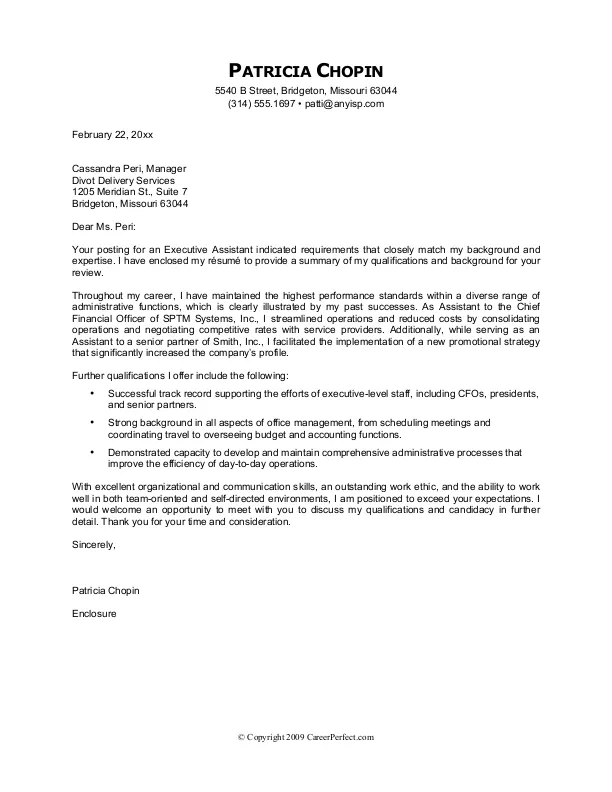
A well-crafted cover letter is your first introduction to a potential employer, often setting the tone for your entire application. It’s not merely a formality; it’s a vital tool to showcase your personality, highlight your relevant skills, and express your genuine interest in the role and the company. In a competitive job market, a compelling cover letter can be the deciding factor in whether your application makes it to the interview stage. Understanding how to create a cover letter that stands out is crucial for anyone serious about landing their dream job. This guide provides top examples and actionable tips to help you write a cover letter that grabs attention and gets results. We will delve into the key elements that make a cover letter effective, providing insights and examples to help you succeed.
Highlighting Your Skills and Achievements
One of the most critical functions of your cover letter is to highlight your skills and achievements. This is where you demonstrate to the hiring manager why you are the perfect fit for the role. Instead of simply listing your skills, the goal is to provide examples of how you’ve used those skills to achieve positive outcomes in previous roles. Make sure that your cover letter is tailored to the specific job description. Carefully review the requirements and qualifications mentioned in the job posting, and then select the skills and experiences that align most closely with those needs. The aim is to create a compelling narrative that shows how you have consistently added value in the past and how you can do the same for this new opportunity.
Quantify Your Accomplishments
Numbers speak volumes in a cover letter. Whenever possible, quantify your achievements to demonstrate the impact you’ve made in previous roles. For instance, instead of saying “Improved customer satisfaction,” state “Increased customer satisfaction scores by 15% through implementing a new feedback system.” This approach provides concrete evidence of your abilities and makes your achievements more compelling. Use metrics to showcase your success and to give the reader a clear understanding of the value you brought to your previous companies. By including specific, measurable results, you create a stronger case for why you should be hired, making it easier for the recruiter to see the benefits of adding you to the team.
Tailoring Your Letter to the Job Description

Generic cover letters rarely impress. Customizing your cover letter to match each job description is a must. Review the job posting carefully and identify the key requirements, skills, and qualifications the employer is seeking. Then, adjust your letter to address these specific needs. Highlight the skills and experiences that are most relevant to the role, providing examples of how you’ve used those skills to succeed in the past. Demonstrating that you have read the job description and understand what the employer is looking for shows that you are serious about the opportunity and have taken the time to consider how you can contribute to their organization. It makes your application much more compelling and increases the chances of getting an interview.
Demonstrating Enthusiasm and Interest
Your cover letter is also an opportunity to showcase your enthusiasm and interest in the role and the company. Expressing genuine excitement can set you apart from other candidates, particularly if you combine it with evidence of your research and understanding of the company’s mission, values, and goals. Share why you are interested in the role and what you hope to achieve if given the opportunity. Avoid generic statements; instead, personalize your message to demonstrate your sincerity. By clearly expressing your passion for the role, you convince the hiring manager that you will be a motivated and dedicated employee who is genuinely invested in the company’s success. This can significantly boost your chances of getting an interview.
Researching the Company Culture
Before writing your cover letter, take the time to research the company. Understand its mission, values, and current projects. This information will help you tailor your letter to the company’s specific needs and demonstrate your genuine interest in working there. Visit their website, read recent news articles, and check their social media presence. This research will enable you to address how your skills and experiences align with the company’s goals and to express why you are excited to contribute to their specific objectives. Mentioning a particular project or initiative that resonates with you is a great way to show that you have taken the time to understand their business, increasing your chances of making a positive impression.
Show, Don’t Tell, Your Value

Instead of simply stating that you possess certain skills, provide specific examples of how you have utilized those skills in previous roles. For instance, if you claim to be a strong communicator, describe a time you successfully led a presentation or mediated a conflict. By offering concrete examples, you show the hiring manager what you’re capable of, which is much more effective than making vague statements. The goal is to build a strong case for your candidacy by offering evidence of your ability to deliver results. Use action verbs and focus on the outcomes of your actions. This approach will make your cover letter more compelling and memorable, increasing the likelihood of securing an interview.
Formatting and Structure for Impact
The formatting and structure of your cover letter can significantly impact the reader’s first impression. A well-organized and visually appealing letter is more likely to capture attention and keep the reader engaged. Use a professional-looking font, such as Arial or Times New Roman, and keep the font size between 10 and 12 points. Ensure your letter is properly spaced, with clear margins and ample white space to make it easy to read. Divide your letter into clear sections with headings and subheadings to guide the reader through your key points. These structural elements will make your cover letter more readable and help you effectively convey your key qualifications.
Keep It Concise and Readable
Hiring managers are busy, so it’s essential to keep your cover letter concise and easy to read. Aim for a letter that is no longer than one page, making every word count. Use clear, straightforward language, avoiding jargon and overly complex sentences. Focus on the most important information: your skills, experiences, and enthusiasm for the role. Break up large blocks of text with bullet points or short paragraphs to enhance readability. Ensure your letter is easy to skim, allowing the reader to quickly grasp the key points of your application. By being succinct and direct, you show respect for the reader’s time while making a strong impression.
Proofreading for Errors

Typos and grammatical errors can undermine your credibility and signal a lack of attention to detail. Always proofread your cover letter carefully before submitting it. Check for spelling mistakes, grammatical errors, and punctuation issues. Consider using a grammar checker tool to help catch any errors you might miss. Ideally, have someone else review your cover letter as a fresh pair of eyes can often spot mistakes that you might overlook. A polished, error-free cover letter reflects your professionalism and demonstrates that you are committed to presenting yourself in the best possible light.
Call to Action
A strong call to action encourages the hiring manager to take the next step. In your cover letter, clearly state your interest in the role and express your eagerness to discuss your qualifications further. Make it easy for the hiring manager to respond by providing your contact information. Include your phone number and email address, ensuring they are up-to-date and professional. By ending with a clear call to action, you demonstrate your enthusiasm and make it easier for the hiring manager to reach out to you. This can increase the likelihood of getting invited for an interview.
Expressing Your Availability
In your closing paragraph, express your availability for an interview. Mention when you are available to discuss the opportunity and how eager you are to learn more about the position and the company. Be flexible and show that you are ready to move forward in the hiring process. This demonstrates your eagerness to be considered and shows initiative, increasing your chances of getting a call back. For example, you might write “I am available for an interview at your earliest convenience and look forward to the opportunity to discuss how I can contribute to your team.”
Thanking the Reviewer

Always end your cover letter by thanking the reviewer for their time and consideration. This shows respect and appreciation for their efforts and leaves a positive final impression. Keep the tone professional and sincere. Expressing your gratitude is a simple yet effective way to show that you value the opportunity and are genuinely interested in the position. A well-mannered conclusion reinforces your professional image and increases the likelihood of a positive response. A simple phrase such as “Thank you for your time and consideration” can go a long way in leaving a lasting positive impression.
Conclusion
Writing a compelling cover letter is an essential part of the job application process. By highlighting your skills and achievements, demonstrating enthusiasm, and tailoring your letter to each job description, you can significantly increase your chances of landing an interview. Remember to focus on quantifying your accomplishments, researching the company, and presenting your value. Use clear formatting, proofread carefully, and include a strong call to action. By following these tips and using the cover letter examples provided, you can create a cover letter that effectively showcases your qualifications and helps you secure your dream job. Good luck!