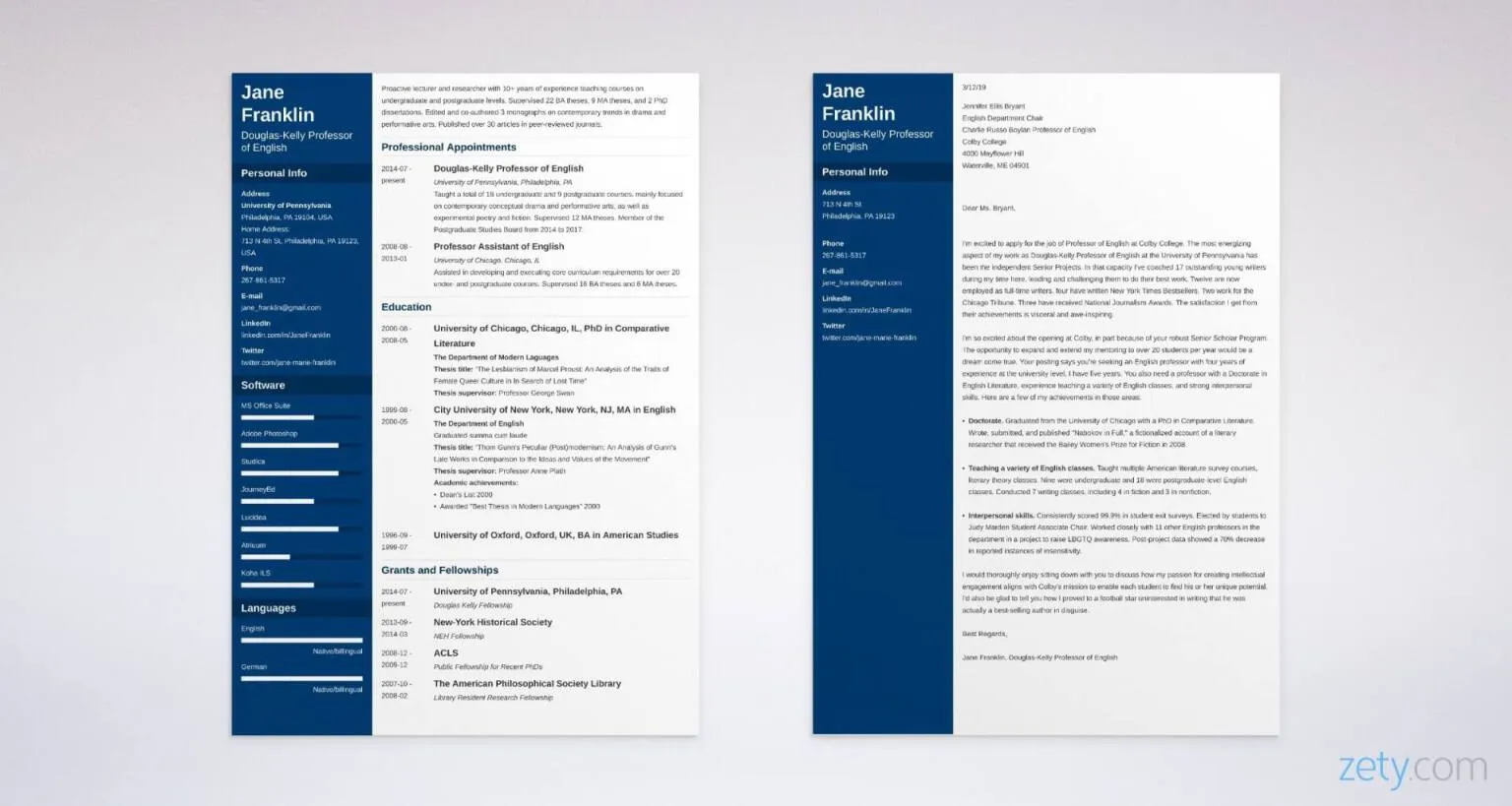
Cover Letter for Academic Positions What Matters
Securing an academic position is a competitive endeavor, and your cover letter is often the first impression you make on a search committee. It’s your opportunity to showcase your qualifications, passion, and suitability for the role. Unlike cover letters for industry positions, academic cover letters require a specific focus, demonstrating a deep understanding of the role, the institution, and the academic landscape. This guide will help you craft a winning cover letter that highlights your strengths and increases your chances of landing an interview. A well-written cover letter goes beyond simply restating your CV; it tells a compelling story about your academic journey and potential contributions to the university. Think of it as a persuasive narrative that sells your unique value proposition.
Highlighting Your Research Experience
Your research experience is a cornerstone of your academic profile. Clearly articulate your research interests, the methodologies you employ, and the significant findings of your work. Use specific examples to illustrate your contributions to the field. Mention any grants or funding you’ve secured, as this demonstrates your ability to attract resources. Don’t just list your publications; instead, provide brief summaries of your most impactful work and explain their significance. Consider the impact of your research and how it aligns with the department’s current research priorities. Be sure to discuss any collaborations you have been involved in and your role within those projects. Your aim is to demonstrate your capacity to conduct independent, high-quality research and contribute to the advancement of knowledge in your field. Focus on the impact and innovation of your research.
Quantifying Your Achievements

Whenever possible, quantify your achievements to provide concrete evidence of your impact. Instead of saying you ‘published several papers’, state the number of publications and their impact factor, or the number of citations received. For teaching, quantify your teaching experience with details on the number of courses taught, the number of students you’ve instructed, and any positive student feedback you received. For example, if you’ve supervised students, mention the number of students and their successes. This approach transforms general statements into compelling evidence of your capabilities. Use metrics to showcase your influence, effectiveness, and the value you bring. For instance, if you have been involved in grant writing, mention the total amount of funding you have secured. Quantitative data adds credibility and strengthens your narrative.
Emphasizing Teaching Philosophy and Experience
Teaching is a critical component of most academic positions. Articulate your teaching philosophy, highlighting your approach to student engagement, curriculum development, and assessment. Provide specific examples of successful teaching strategies you’ve employed, such as innovative use of technology or student-centered learning approaches. If you have experience mentoring students, describe the nature of your mentorship and the outcomes. Mention any teaching awards or positive student evaluations you have received. Tailor your teaching approach to the requirements of the specific position. Your teaching philosophy should clearly articulate your understanding of the role of a professor and your commitment to fostering a positive and effective learning environment. Demonstrate your ability to inspire and educate the next generation of scholars.
Tailoring Your Cover Letter to the Specific Role
Generic cover letters are easily recognized and often discarded. Thoroughly research the position and the university to tailor your letter accordingly. Carefully review the job description, paying close attention to the required qualifications, responsibilities, and the ideal candidate profile. Address each of the key requirements, providing concrete examples of how your skills and experience align with them. Highlight the aspects of your background that directly relate to the position’s needs. This personalization demonstrates your genuine interest in the role and the institution. Mention specific research interests that complement the department’s existing strengths or describe how your skills can contribute to their teaching needs. This shows you have invested time and effort in understanding the role and the university’s mission. Personalization is key to making a strong impression.
Aligning with the University’s Mission

Demonstrate your understanding of the university’s mission, values, and strategic priorities. Reference the university’s website, mission statement, and any recent initiatives. Show how your research, teaching, and service align with the institution’s goals. If the university emphasizes research, highlight your research accomplishments. If it stresses community engagement, describe your involvement in outreach activities. If the university values diversity and inclusion, articulate your commitment to creating an inclusive learning environment. Your cover letter should not only highlight your accomplishments but also show how you can contribute to the broader goals of the institution. By demonstrating alignment, you significantly increase your appeal to the search committee.
Showcasing Publications and Presentations
Your publications and presentations are critical indicators of your scholarly productivity and impact. List your most relevant publications, including peer-reviewed journal articles, book chapters, and conference proceedings. For each publication, briefly explain its significance and impact. Highlight any awards or recognition your publications have received. If you have a pre-print server presence, include those links as well. Also, list your presentations, including the venue, date, and title. If you have given invited talks, be sure to mention them. Emphasize those publications and presentations that are most relevant to the position. Consider including links to online versions of your publications. Your goal is to provide a clear and concise overview of your scholarly output and its impact on the field. Highlight high impact publications.
Describing Your Approach to Collaboration
Collaboration is essential in most academic settings. Describe your experience working with others, including interdisciplinary collaborations. Highlight your ability to effectively communicate and share knowledge. Mention any collaborative projects or grants you have been involved in, emphasizing your specific contributions. If you have experience mentoring junior colleagues or students, discuss your approach to mentorship. Explain how your collaborative skills can benefit the department. Emphasize your experience in building partnerships and working in a team. The ability to work well with others is an important factor for consideration in an academic position. This will also show your ability to support a community.
Addressing Potential Weaknesses
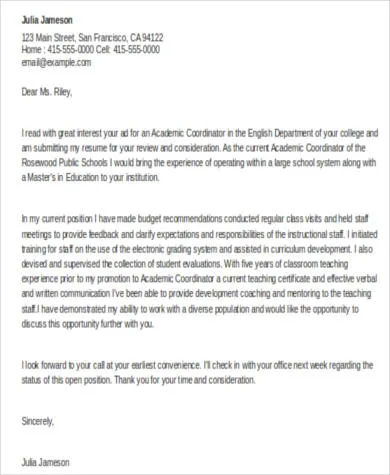
It’s acceptable to address any potential weaknesses in your application, such as a gap in your publication record or a lack of specific experience. Frame these weaknesses positively, focusing on how you are addressing them or the steps you are taking to improve. For example, if you have a gap in publications, explain the reason for the gap and your plans to catch up. Focus on your strengths and what you bring to the position. Turn perceived weaknesses into opportunities to showcase your resilience and your ability to learn and adapt. Don’t be afraid to address gaps, but do it in a way that shows personal growth. This demonstrates self-awareness and a proactive approach to professional development.
Cover Letter Formatting Best Practices
Ensure your cover letter is well-formatted, easy to read, and visually appealing. Use a standard font, such as Times New Roman or Arial, in a readable size. Use clear and concise language, avoiding jargon or overly complex sentences. Keep the letter to one or two pages. Use headings and subheadings to organize your content. Proofread your letter carefully for any grammatical errors or typos. Ensure that your letter is properly aligned, with consistent margins and spacing. Follow the formatting guidelines provided by the institution, if any. A well-formatted letter shows attention to detail and professionalism. The visual presentation of your cover letter speaks volumes about your attention to detail and professionalism.
Ensuring a Professional Tone
Maintain a professional and respectful tone throughout your cover letter. Avoid overly informal language or slang. Be enthusiastic but not overly effusive. Use formal language and address the hiring committee appropriately. Proofread your letter carefully to ensure that your tone is consistent with the expectations of an academic environment. Show respect for the position and the institution. Always maintain a tone that is professional, courteous, and appropriate for the academic setting. It will establish credibility. Be sincere and authentic, letting your passion and experience shine through in a professional manner.
Proofreading and Editing

Proofreading and editing are crucial steps in the cover letter writing process. Errors in grammar, spelling, or punctuation can undermine your credibility and professionalism. Before submitting your cover letter, carefully proofread it yourself. Then, ask a trusted colleague or mentor to review your letter for clarity, accuracy, and style. Pay attention to the specific requirements of the job description. Ensure that the content of your cover letter is accurate, up-to-date, and relevant to the position. A polished cover letter demonstrates your attention to detail and commitment to excellence. Make sure to review the letter multiple times. Proofread for both errors and clarity. Always seek a second opinion.
The Importance of a Strong Closing
Your closing is your final opportunity to leave a lasting impression. Reiterate your interest in the position and express your enthusiasm for the opportunity. Thank the search committee for their time and consideration. Provide your contact information, including your email address and phone number. If you have a website or online portfolio, include the link. End with a professional closing, such as ‘Sincerely’ or ‘Best regards.’ A strong closing reinforces your key qualifications and leaves the reader with a positive impression of you. This is the final touch to your application. Make sure to end your letter on a positive and professional note.