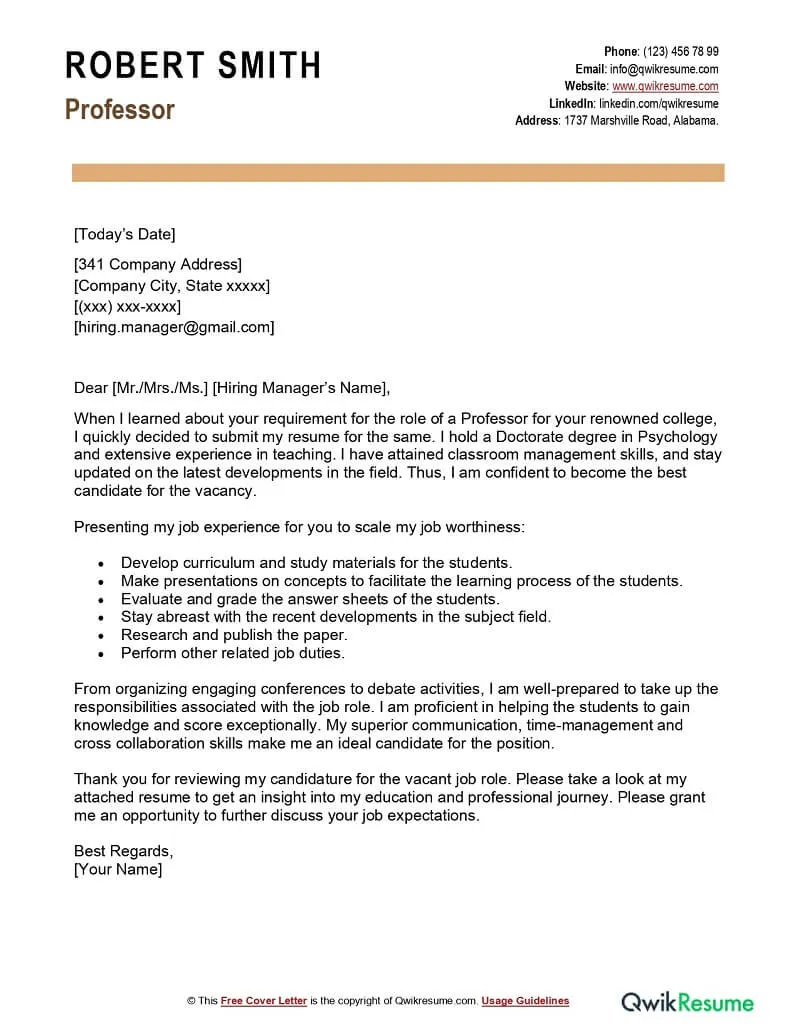
Crafting a Compelling Cover Letter for Graduate Assistant Positions
Landing a Graduate Assistant (GA) position is a significant step in your academic journey. It offers valuable experience, financial support, and opportunities for professional growth. However, securing a GA position starts with a standout cover letter. This guide will provide you with the essential strategies to craft a cover letter that not only meets the requirements but also impresses the selection committee and significantly increases your chances of getting hired. We’ll delve into the intricacies of GA roles, explore how to highlight your skills, and provide a step-by-step approach to creating a persuasive cover letter that grabs attention. Remember, your cover letter is your first introduction and first impression.
Understanding the Graduate Assistant Role
Before you begin writing, it’s crucial to understand what a Graduate Assistant position entails. GAs support various academic activities, contributing to the smooth operation of departments and research initiatives. This understanding will help you tailor your letter to showcase how you align with the specific needs of the position.
Key Responsibilities of a GA

GA responsibilities vary widely depending on the department and the specific role. These might include grading assignments, assisting with research projects, leading discussion groups, providing administrative support, or helping with lab work. Understanding the common duties of a GA will help you better explain your experiences that align with these responsibilities in your cover letter.
Why a Strong Cover Letter is Crucial
A strong cover letter is your primary opportunity to make a positive first impression. It goes beyond just listing your qualifications; it tells a story about why you are the best fit for the position. It provides the context for your resume and shows your personality, enthusiasm, and how your skills can benefit the department. This is where you convince the hiring committee that you are not just qualified, but also the right person for the job.
Highlighting Your Skills and Experience
Your cover letter’s core function is to highlight your relevant skills and experience. This involves both identifying the skills required for the GA position and clearly demonstrating how your background aligns with these needs. Make sure to provide specific examples that bring your qualifications to life.
Identifying Relevant Skills

Review the job description carefully to identify the skills the department is seeking. These might include communication, organization, research, teaching, writing, and specific software proficiencies. Make a list of your skills that directly match these requirements.
Showcasing Academic Achievements
Highlight your academic successes, such as high GPA, Dean’s List, scholarships, and any awards or honors you’ve received. If you have presented at conferences or published any papers, be sure to mention them. This provides the committee with a view of your commitment to academic excellence.
Emphasizing Relevant Experience
Detail any previous experience that is relevant to the GA position, whether it’s research, teaching, or administrative work. Use the STAR method (Situation, Task, Action, Result) to describe each experience, making sure to emphasize your accomplishments. Quantify your achievements whenever possible to show the impact you made.
Tailoring Your Cover Letter

Generic cover letters are easily spotted and often discarded. Customizing your cover letter for each application is crucial. Research the department and the professor you will be working with. This will allow you to show your interest and also address how your skills match the position’s requirements directly.
Researching the Department and Professor
Before writing your letter, research the department and the professor you will be assisting. Read about their research, teaching interests, and any recent publications. This will help you understand the department’s needs and tailor your letter to show how you can contribute.
Customizing Your Letter for Each Position
Each GA position is unique, requiring different skills and experiences. Tailor your letter to highlight the specific requirements of the position. Use keywords from the job description and provide examples that demonstrate how your skills align with the department’s needs.
Demonstrating Your Enthusiasm

Show your enthusiasm for the position and the opportunity to contribute to the department. Express your genuine interest in the research or teaching activities, and explain why you are particularly excited about the role. Mentioning specific aspects of the department or professor’s work that resonate with you can make your letter much more compelling.
Structuring Your Cover Letter
A well-structured cover letter is easy to read and allows the reader to quickly grasp the essential information. The structure should be logical and guide the reader through your qualifications and interest. Focus on clarity, conciseness, and professionalism.
The Header and Contact Information
Start your cover letter with a professional header that includes your name, address, phone number, and email address. Also, include the date and the recipient’s name, title, and address. Ensuring your contact information is up-to-date and easily accessible is essential.
The Opening Paragraph

The opening paragraph is where you introduce yourself and state the position you are applying for. Mention how you learned about the position and express your enthusiasm for the opportunity. Briefly highlight your key qualifications to capture the reader’s attention.
Body Paragraphs Strategies
The body paragraphs are the core of your cover letter. Use these paragraphs to provide details about your skills and experience. Support your claims with specific examples and use the STAR method to describe your accomplishments. Tailor the content to the specific requirements of the GA position, emphasizing your most relevant qualifications.
The Closing Paragraph
In your closing paragraph, summarize your interest in the position and reiterate your enthusiasm. Thank the reader for their time and consideration, and express your willingness to discuss your qualifications further in an interview. Make sure you include a call to action.
Proofreading and Editing

A polished cover letter is essential, so proofreading and editing are critical steps. Errors can undermine your professionalism and diminish your chances of being selected. Take your time to carefully review your letter for any mistakes. Make sure everything is clear and error-free.
Checking for Grammar and Spelling Errors
Carefully proofread your cover letter for any grammar and spelling errors. Use a grammar checker tool and have someone else review your letter to catch any mistakes you might have missed. Correct grammar is critical for creating a professional impression.
Ensuring a Professional Tone
Maintain a professional tone throughout your cover letter. Use formal language and avoid slang or casual expressions. Be respectful, enthusiastic, and showcase your writing skills.
Seeking Feedback From Others
Ask a trusted friend, professor, or career advisor to review your cover letter. Getting feedback from others can help you identify any areas for improvement and make sure your letter effectively communicates your qualifications. Make sure to take any and all feedback seriously.
Examples of Effective Cover Letter Content
Reviewing examples can give you an idea of how to structure your cover letter and what kind of content to include. The examples below are tailored to specific areas and provide insights on how to address your skills, experience, and enthusiasm.
Example 1 Addressing Skills
In this section, demonstrate your skills. “My strong communication and presentation skills, honed through leading undergraduate discussion groups, will enable me to effectively communicate complex concepts to students.” This shows your abilities while also mentioning skills that are key for success.
Example 2 Addressing Experience
This section could focus on experience. “As a research assistant, I managed data collection and analysis for a project, improving efficiency by 20%.” This highlights your previous relevant experience, showing responsibility and quantifiable results. Be sure to show how you can do more than just say the words.
Example 3 Addressing Enthusiasm
Show your enthusiasm by stating why you are interested in the position. “I am particularly excited about the opportunity to contribute to Professor [Professor’s Name]’s research on [specific topic].”