Crafting Your Cover Letter and CV
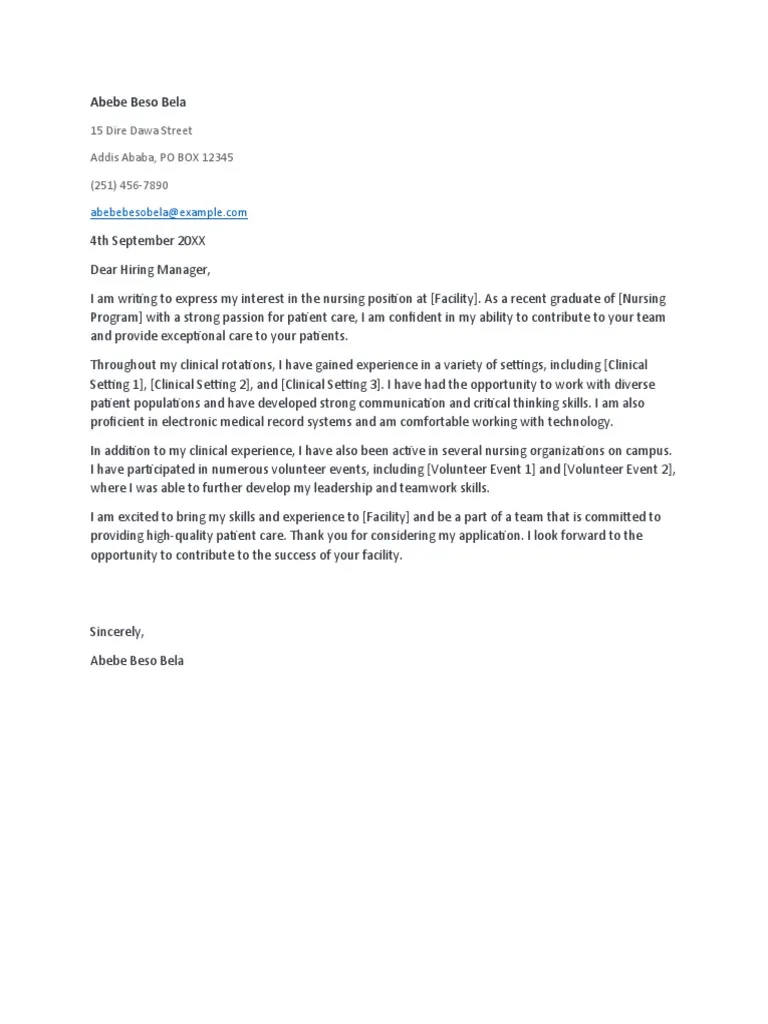
A well-crafted cover letter and CV are essential tools in your job search arsenal. They serve as your introduction to potential employers, offering a glimpse into your skills, experience, and personality. Think of your cover letter as a narrative, and your CV as a detailed summary. Together, they should present a compelling case for why you are the ideal candidate for the position. The cover letter allows you to highlight specific achievements and explain how your qualifications align with the job description. It also provides an opportunity to demonstrate your communication skills and express your enthusiasm for the role. On the other hand, your CV provides a comprehensive overview of your professional history, education, and relevant skills. By effectively combining these two documents, you increase your chances of making a positive impression and securing an interview. Remember, the goal is to capture the reader’s attention and demonstrate that you are a strong fit for the company and the position.
Highlighting Your Key Skills
When writing your cover letter and CV, it is important to highlight your key skills. Begin by carefully reviewing the job description and identifying the skills the employer is seeking. Make a list of your own skills and experiences that align with these requirements. In your cover letter, provide specific examples of how you have utilized these skills in previous roles or projects. Quantify your achievements whenever possible, using numbers and data to demonstrate your impact. For instance, instead of saying “Managed social media accounts,” state “Increased social media engagement by 30% in six months.” In your CV, create a dedicated skills section to showcase your proficiency in relevant areas. Categorize your skills (e.g., technical skills, communication skills, leadership skills) for clarity. Use action verbs to describe your accomplishments, and tailor the skills section to match the specific requirements of each job application. This focused approach makes it easy for employers to quickly assess your qualifications and identify you as a suitable candidate.
Tailoring Your Cover Letter

A generic cover letter is unlikely to make a strong impression. Tailoring your cover letter to each job application is crucial for demonstrating your genuine interest and suitability for the role. Research the company and the specific position thoroughly. Understand their mission, values, and the challenges they face. Address the hiring manager by name whenever possible, showing that you have taken the time to personalize your application. In your cover letter, explain why you are interested in the company and the specific role. Describe how your skills and experience align with their requirements. Use the job description as a guide, highlighting the most relevant qualifications. Avoid simply restating your CV; instead, elaborate on your accomplishments and provide specific examples. Showcase your understanding of the company’s needs and explain how you can contribute to their success. A tailored cover letter demonstrates that you are not just looking for any job, but that you are specifically interested in this opportunity and this company.
Showcasing Relevant Experience
Your CV is the place to showcase your relevant experience. Start by listing your work history in reverse chronological order, beginning with your most recent position. For each role, include the company name, your job title, dates of employment, and a brief description of your responsibilities. Focus on the experience that is most relevant to the job you are applying for. Use bullet points to highlight your accomplishments and quantify your achievements whenever possible. Whenever possible, provide examples of how you have improved processes, increased sales, or contributed to the company’s goals. You can also create a portfolio or a project section to highlight your work. If you have limited professional experience, emphasize your skills and academic achievements, and explain how they have prepared you for the role. Always tailor your experience to match the job description, emphasizing the skills and accomplishments that align with the employer’s needs. Ensure you use keywords from the job description to help your application be noticed.
Formatting Your Cover Letter and CV
Contact Information

Ensure your contact information is easy to find and up-to-date on both your cover letter and CV. At the top of your cover letter and CV, include your full name, phone number, professional email address, and optionally, your LinkedIn profile URL and/or a link to your online portfolio. Make sure the email address you use is professional and appropriate for the job application. Double-check all your contact details for accuracy, as any errors could lead to missed opportunities. Consider using a consistent format for all your contact information on both documents. This consistency helps to create a professional image and makes it simple for the hiring manager to reach you. It is best to choose a straightforward format, and avoid any creative or unique presentation styles that might distract from the content. By ensuring that your contact details are accurate and readily available, you increase the chances of the employer contacting you for an interview.
Professional Font and Layout
The font and layout you choose for your cover letter and CV significantly impact their readability and professionalism. Opt for a clean, professional font such as Arial, Calibri, or Times New Roman. Keep the font size between 10 and 12 points for the main body text, and use a slightly larger size for headings. Maintain consistent formatting throughout both documents. Use clear headings and subheadings to organize your content and make it easy for the reader to scan. Use bullet points to present information concisely and clearly. Ensure ample white space between sections and paragraphs to avoid a cluttered appearance. A well-structured and visually appealing cover letter and CV show attention to detail and professionalism. Avoid using excessive colors, graphics, or unusual font styles, as they can distract from the content and make your application appear unprofessional. The primary goal is to provide a document that is easy to read and understand.
Proofreading and Editing
Grammar and Spelling

Proofreading and editing your cover letter and CV are essential steps in the application process. Grammatical errors and spelling mistakes can create a negative impression and suggest a lack of attention to detail. Before submitting your application, carefully review both documents for any errors. Utilize spell-check and grammar-check tools, but don’t rely on them completely; always proofread manually. Read each document carefully, looking for mistakes in grammar, punctuation, and spelling. It is helpful to read your application aloud, as this can help you catch errors that you might miss when reading silently. Ask a friend or family member to proofread your cover letter and CV, as a fresh pair of eyes can often identify mistakes that you have overlooked. Ensure consistency in your writing style, capitalization, and formatting. A well-proofread application demonstrates professionalism and respect for the reader.
Content Accuracy
Accuracy in the content of your cover letter and CV is critical. Always double-check the information you provide, including dates of employment, job titles, and the names of companies. Be truthful and accurate in describing your skills and experience. Do not exaggerate your accomplishments or make false claims. It is important to present yourself honestly and ethically. If you have gaps in your employment history, address them transparently. Explain any periods of unemployment or career changes in a concise and professional manner. Ensure that the information in your cover letter and CV aligns. Check that the skills and experiences you highlight in your cover letter are supported by the details in your CV. Ensure that the contact information is correct. Accurate and truthful information builds trust with the employer and improves your chances of being considered for the job.
Call to Action
Expressing Your Interest

In your cover letter, clearly express your interest in the job and the company. This is your opportunity to show your enthusiasm and motivation. State the specific role you are applying for and where you found the job posting. Explain why you are interested in the position and what excites you about the opportunity. Research the company beforehand and mention specific aspects of their mission, values, or recent achievements that resonate with you. Demonstrate your knowledge of the company and why you believe your skills and experience make you a good fit for their culture. Briefly summarize how you can contribute to the company’s goals. Avoid generic statements and show genuine interest in the role and the organization. Show your enthusiasm throughout your cover letter and convey why you are excited about this opportunity.
Following Up
After submitting your cover letter and CV, consider following up with the hiring manager or recruiter. Send a polite follow-up email approximately one week after submitting your application. In your email, reiterate your interest in the position and briefly mention a key skill or experience that makes you a good fit. Keep your follow-up email concise and professional. Do not bombard the hiring manager with emails, but one follow-up demonstrates your persistence and interest. If you have not heard back after a reasonable amount of time, it may be appropriate to follow up again. However, be mindful of the company’s hiring timeline and avoid being overly persistent. A well-timed and professional follow-up can help you stay top of mind and increase your chances of receiving an interview.