Cover Letter for Resume Why It Matters
In the competitive job market, a well-crafted cover letter is your chance to make a strong first impression and differentiate yourself from other applicants. A cover letter is more than just a formality it’s a critical marketing tool that complements your resume by providing context, highlighting relevant skills, and showcasing your personality and enthusiasm for the position. A great cover letter goes beyond simply restating your resume it tells a story, explaining why you’re the perfect fit for the role and why the hiring manager should be interested in you. It allows you to address specific requirements of the job and explain any gaps in your employment history or career transitions. Moreover, a cover letter demonstrates your communication skills and attention to detail, qualities that are highly valued by employers. By taking the time to create a personalized cover letter, you significantly increase your chances of getting noticed and securing an interview. The investment in a well-written cover letter can make a significant impact on your job search success.
Cover Letter for Resume Understanding the Purpose
The primary purpose of a cover letter is to introduce yourself to a potential employer, express your interest in a specific job, and explain why you are an ideal candidate. It serves as a bridge between your skills and experience and the requirements of the job. A cover letter gives you the opportunity to elaborate on the information presented in your resume, providing more context and depth to your qualifications. It allows you to demonstrate your understanding of the company and the role, showing that you have researched the organization and are genuinely interested in contributing to its success. Furthermore, a cover letter lets you showcase your personality, communication style, and enthusiasm, helping the hiring manager get a sense of who you are as a professional. The goal is to create a compelling narrative that captures the reader’s attention and persuades them to review your resume and consider you for an interview. Effectively communicating your unique value proposition is key to standing out from other applicants. The cover letter is a strategic tool to set the stage for a successful job application.
Cover Letter for Resume Key Components to Include

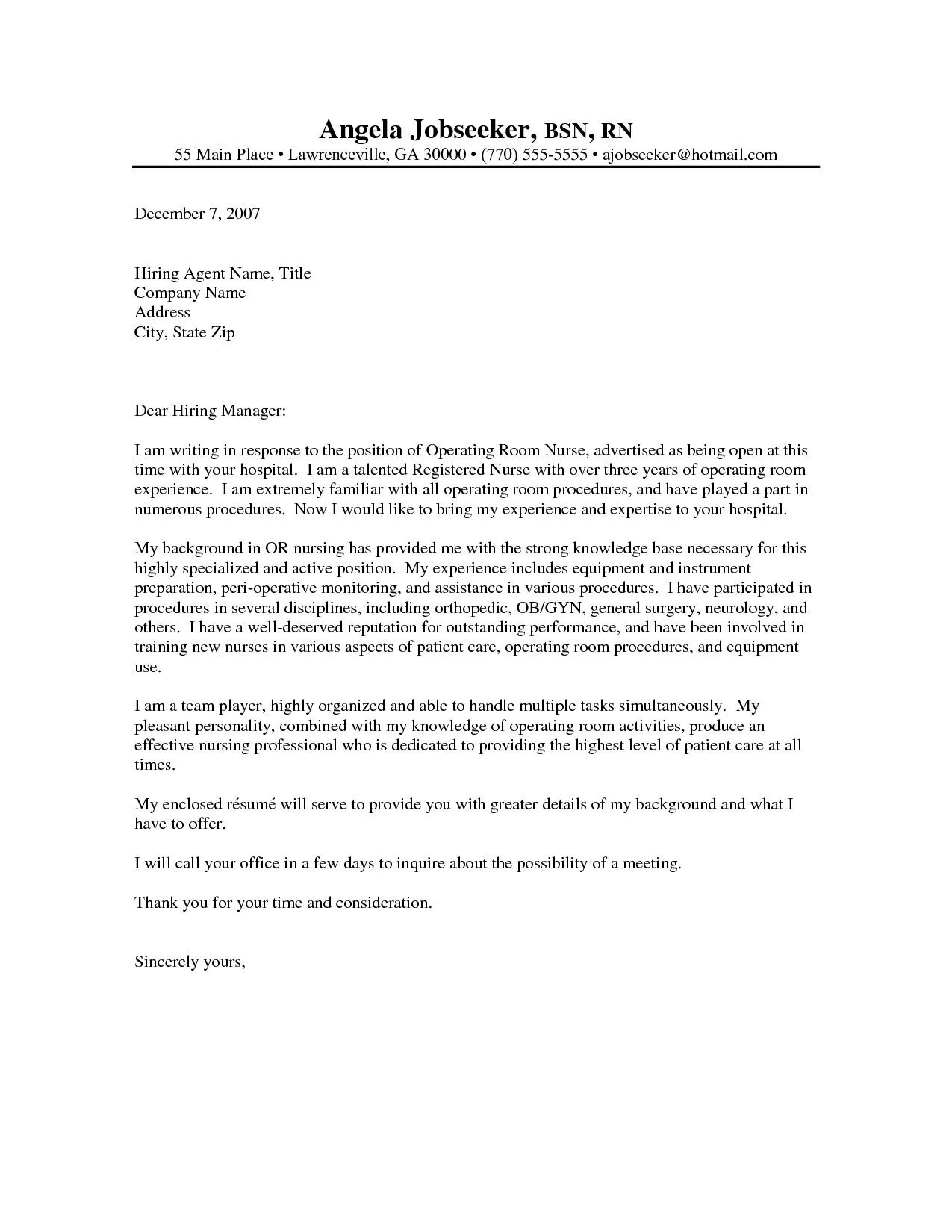
A well-structured cover letter should include several key components to effectively communicate your qualifications and interest. Begin with your contact information at the top, followed by the date and the hiring manager’s name and title if available. A professional greeting is essential; avoid generic greetings like “To Whom It May Concern” whenever possible. The body of your cover letter should consist of a few paragraphs, starting with a concise statement of your interest in the position and where you saw the job posting. The subsequent paragraphs should highlight your relevant skills and experiences, emphasizing how they align with the job requirements. Showcase your achievements, quantifying them whenever possible to demonstrate your impact. Tailor the content to the specific job description, addressing the company’s needs and the role’s responsibilities. Close with a strong call to action, expressing your eagerness for an interview and thanking the reader for their time and consideration. Proofread the letter thoroughly to ensure there are no errors in grammar or spelling. Include essential elements such as your contact information, addressing the hiring manager directly, and tailoring content to the specific job description.
Contact Information How to Format
Your contact information should be clearly and prominently displayed at the top of your cover letter. This section typically includes your full name, address, phone number, and email address. The format should be clean, professional, and easy to read. It’s recommended to use a standard font and size that matches your resume, ensuring consistency throughout your application. If you have a professional online presence, such as a LinkedIn profile or a personal website, you can include a link to it. Ensure that your email address is professional; avoid using nicknames or unprofessional email addresses. Double-check all contact details for accuracy to avoid any delays in the hiring process. Correct contact information is critical for recruiters and hiring managers to reach out to you, so make sure all details are current and easily accessible. Making sure all details are accurate and up-to-date will allow the hiring manager to contact you more efficiently.
Professional Greeting Tips
The greeting sets the tone for your entire cover letter, so it’s important to make a positive first impression. Whenever possible, address the hiring manager by name. Research the hiring manager’s name on the company website or LinkedIn to personalize your letter. If you’re unsure of the hiring manager’s name, consider contacting the company’s HR department or reviewing the job posting for clues. Avoid generic greetings such as “To Whom It May Concern” or “Dear Sir/Madam.” If you cannot find a specific name, consider using a more general greeting such as “Dear Hiring Manager” or “Dear [Department Name] Team.” Always use the correct title (Mr., Ms., Dr., etc.) and double-check the spelling of the recipient’s name. A well-chosen, personalized greeting demonstrates your attention to detail and your genuine interest in the position. Taking the extra step to research the hiring manager’s name shows you care about the role.
Body Paragraphs Highlighting Your Skills

The body paragraphs are where you showcase your skills and explain why you are the best candidate for the job. Start by stating your interest in the position and briefly mentioning where you found the job posting. Focus on highlighting the skills and experiences that align with the requirements outlined in the job description. Use action verbs to describe your accomplishments and quantify your achievements whenever possible. Provide specific examples to support your claims, illustrating how you have used your skills to achieve positive results in the past. Tailor your content to the specific job, highlighting the skills and experiences that are most relevant. Avoid simply restating your resume; instead, elaborate on your qualifications and provide context for your accomplishments. Create a clear narrative that connects your skills and experiences to the needs of the company, demonstrating your understanding of the role and your ability to excel in it. Emphasize the skills that match with the requirements, along with examples and quantification.
Tailoring Your Cover Letter to the Job
One of the most critical aspects of writing a successful cover letter is tailoring it to each specific job. Generic cover letters that are sent to multiple employers are often easily spotted and are less likely to make a positive impression. Before you begin writing, carefully review the job description and identify the key requirements and responsibilities. Highlight the skills, experiences, and qualifications that the employer is seeking. Use the same keywords and phrases that are used in the job description to demonstrate that you understand the role. Tailor your cover letter to address the specific needs of the company, showcasing how your skills and experiences align with their requirements. Research the company and its values to ensure that your cover letter aligns with their culture. Personalizing your cover letter shows that you have taken the time to understand the role and the company, demonstrating your genuine interest in the opportunity and enhancing your chances of getting noticed. Tailor the skills and experiences to the job description by aligning keywords.
Showcasing Your Achievements
Instead of simply listing your job duties, focus on showcasing your achievements in your cover letter. Use action verbs to describe what you have accomplished in previous roles. Provide specific examples that demonstrate your impact, such as projects you led, problems you solved, or goals you achieved. Highlight quantifiable results whenever possible, such as increases in sales, improvements in efficiency, or successful project completions. When describing your achievements, follow the STAR method Situation, Task, Action, Result to provide context and illustrate the value you brought to your previous employers. By showcasing your achievements, you demonstrate your value to the potential employer and illustrate your ability to deliver results. Showing your impact with the STAR method will make you an attractive candidate. Emphasizing your achievements is an excellent way to make yourself stand out.
Quantifying Your Accomplishments

Quantifying your accomplishments is an effective way to demonstrate your impact and credibility to a potential employer. Wherever possible, include numbers, percentages, or specific data to illustrate the results you achieved in previous roles. For example, instead of saying “Increased sales,” say “Increased sales by 15% in one year.” Instead of saying “Improved customer satisfaction,” say “Improved customer satisfaction scores by 20% through implementing a new customer service training program.” Quantifiable achievements provide concrete evidence of your skills and accomplishments, making your cover letter more compelling. They provide a clear and objective assessment of your abilities and make you a more attractive candidate. When quantifying your accomplishments, ensure that your figures are accurate and relevant to the job requirements. Quantifiable results will make your cover letter stand out against others, making you a top candidate.
Closing Paragraph and Call to Action
The closing paragraph of your cover letter should leave a lasting positive impression. Summarize your interest in the position and reiterate your qualifications. Express your enthusiasm for the opportunity and reiterate your understanding of the company’s needs. End with a strong call to action, such as expressing your eagerness for an interview or stating your availability for a follow-up discussion. Thank the hiring manager for their time and consideration. Provide your contact information again for easy access. Keep the tone positive and professional throughout your closing paragraph, leaving the reader with a clear understanding of your value and the actions you would like them to take. A strong closing will help the reader remember your message, which makes you a more attractive candidate. A strong closing will help seal the deal.
Formatting and Design Best Practices
Formatting and design play a crucial role in the overall impact of your cover letter. Use a clean, professional font such as Times New Roman, Arial, or Calibri with a font size between 10 and 12 points. Ensure that your cover letter is easy to read by using consistent spacing, margins, and alignment. Keep your cover letter concise and to the point, typically one page long. Use clear headings and bullet points to break up large blocks of text and make your letter easier to scan. Avoid excessive use of bolding, italics, or underlining, as it can make your letter appear cluttered. Pay attention to the overall visual appeal of your cover letter, ensuring that it is well-organized and visually appealing. Make sure the design is consistent with your resume to create a cohesive and professional presentation. Always maintain consistent formatting and design to make it easier to read. A well-formatted cover letter shows attention to detail.
Proofreading and Editing Checklist

Before submitting your cover letter, it’s crucial to proofread and edit it carefully to ensure that it is free of errors. Check for typos, grammatical errors, and punctuation mistakes. Pay close attention to sentence structure and clarity, making sure your ideas are expressed concisely. Use a grammar and spell-checking tool, but don’t rely on it completely. Proofread your cover letter multiple times, ideally reading it out loud to catch any errors that you might miss when reading silently. Ask a friend or colleague to review your cover letter for feedback. Ensure that your contact information is accurate and up-to-date. Verify that your cover letter aligns with the job description and that you have tailored it to the specific requirements. Always proofread to eliminate any mistakes and increase your chances of success. Proofreading is critical in making sure you present yourself in the best light.