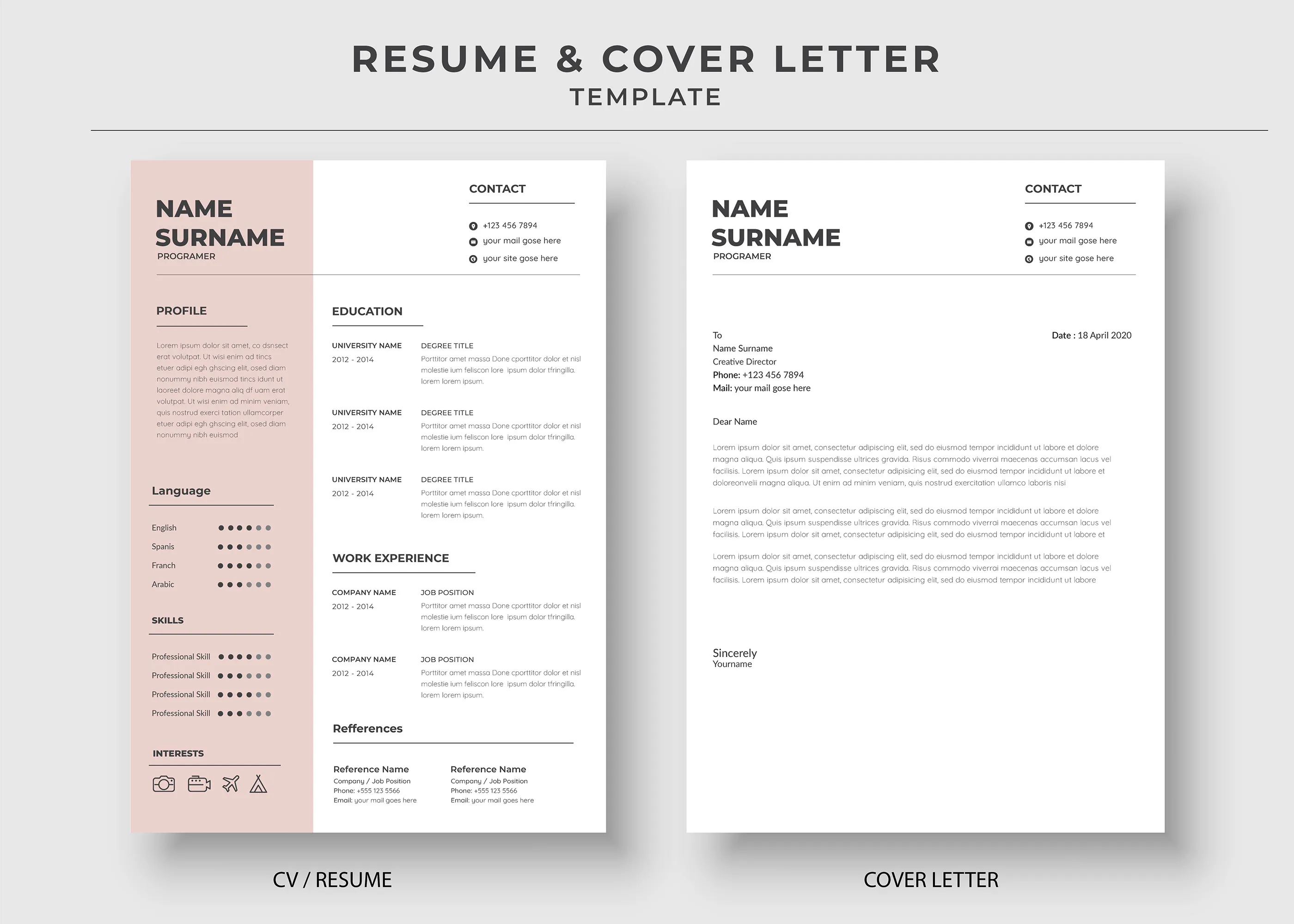
Cover Letter Formatting Essentials
A well-formatted cover letter is a crucial component of a successful job application. It serves as your introduction to a potential employer, providing a snapshot of your qualifications and demonstrating your genuine interest in the position. Proper cover letter formatting not only enhances readability but also reflects your professionalism and attention to detail, making a positive first impression. This guide will walk you through the essential elements of cover letter formatting, ensuring your application stands out from the competition. Following these guidelines will significantly increase your chances of getting noticed and securing an interview. Remember, the cover letter is your chance to make a compelling case for why you are the ideal candidate, so ensure it’s polished and perfectly presented. The right format can make a world of difference.
Understanding the Purpose of a Cover Letter
Before diving into formatting, it’s vital to grasp the purpose of a cover letter. Unlike a resume, which provides a factual account of your work history and skills, a cover letter allows you to connect with the hiring manager on a personal level. It enables you to articulate your enthusiasm for the role and the company, explain any gaps in your employment history, and highlight how your skills align with the job requirements. A well-written cover letter showcases your communication skills and demonstrates your understanding of the company’s values and objectives. This document should complement your resume, not simply reiterate it; it’s your opportunity to tell your story and convince the employer that you’re the perfect fit. The goal is to move beyond simply listing qualifications to actively persuading the reader to offer you an interview.
Key Components to Include

A compelling cover letter is composed of several key components that work together to create a strong impression. These include a professional header with your contact information, a personalized salutation, an engaging opening paragraph, body paragraphs that highlight your relevant skills and experience, a concise closing paragraph with a call to action, and a professional closing. Each section of the cover letter plays a specific role in conveying your qualifications and interest in the position. A well-structured cover letter is easy to read and allows the hiring manager to quickly grasp your key strengths and why you’re the best candidate. Ensuring all necessary elements are present is crucial for a persuasive application.
Header Formatting
The header of your cover letter establishes the foundation for a professional document. It should include your contact information in a clear and easily readable format. This ensures the hiring manager can easily reach you if they’re interested in your application. Avoid using overly elaborate designs or fonts that could detract from the content of your letter. The header is not the place for creative flair; rather, it’s about providing essential details effectively. Proper header formatting underscores your attention to detail, a critical quality for many positions.
Contact Information
Your contact information should be prominently displayed at the top of your cover letter. Include your full name, phone number, email address, and optionally, your LinkedIn profile URL. Use a professional email address; avoid using nicknames or informal addresses. Ensure your phone number is up-to-date and that you have a voicemail set up. This helps the hiring manager contact you without delay. A well-presented contact section demonstrates professionalism and facilitates easy communication.
Date and Recipient Details

Directly beneath your contact information, include the current date. Following the date, provide the recipient’s information, including their name, title, and the company’s address. If you know the hiring manager’s name, address the letter to them directly (e.g., ‘Dear Mr. Smith’). If you cannot find a name, use a general salutation, such as ‘Dear Hiring Manager.’ Addressing the letter to a specific person shows you’ve done your research and that you are genuinely interested in the role. Using the correct details adds a layer of professionalism and demonstrates your attention to detail.
Body Paragraphs
The body paragraphs form the core of your cover letter, where you make your case for why you’re the ideal candidate. This section should be well-structured, with a clear introduction, supporting paragraphs, and a strong closing. Each paragraph should focus on a specific aspect of your qualifications or your interest in the role. The content should be concise, easy to read, and targeted towards the specific job requirements. Avoid lengthy paragraphs that might overwhelm the reader; break up your thoughts into manageable chunks. The goal is to create a compelling narrative that showcases your value and encourages the reader to offer you an interview. A well-structured body section ensures your message is received effectively.
First Paragraph How To
The first paragraph of your cover letter should immediately grab the reader’s attention and establish your purpose. Start by stating the specific position you’re applying for and where you found the job posting. Briefly mention why you are interested in the role and the company. Show enthusiasm and genuine interest. Avoid generic openings; instead, tailor your introduction to the specific job and company. This paragraph is your chance to make a strong first impression and entice the reader to continue. Make your first sentence impactful to hold their attention and make them want to read more.
Addressing the Specific Job and Company

Demonstrate your understanding of the job requirements and the company’s values. Research the company’s mission, recent projects, and culture to show that you align with their goals. Customize your cover letter to highlight the skills and experience that match the job description. Mention specific aspects of the role that excite you and how your qualifications align. Doing this shows that you’ve taken the time to understand the position and that you are genuinely interested in the opportunity. Showing relevant knowledge helps to set you apart.
Showcasing Your Value
In the body paragraphs, highlight your key achievements and demonstrate how your skills and experience align with the job requirements. Use quantifiable results to illustrate your accomplishments, such as ‘increased sales by 20%’ or ‘managed a team of five employees.’ Focus on showcasing your value to the employer. Provide specific examples of how you’ve contributed to past successes. Use action verbs to describe your accomplishments and make your statements impactful. When possible, show, don’t tell – use concrete examples instead of vague descriptions.
Highlighting Relevant Skills and Experience
Carefully select the skills and experiences that are most relevant to the job description. Match your qualifications to the specific requirements outlined in the job posting. Include examples of how you’ve used these skills in the past and the results you achieved. For each skill, provide a brief explanation and the specific instances where you demonstrated your abilities. Tailoring your skills to align with the job description will show the hiring manager that you understand what they need and that you have the qualifications to succeed. Prioritize the skills they seek.
Second and Subsequent Paragraphs

Use the second and subsequent paragraphs to provide more detail about your skills, experience, and achievements. Break down complex ideas into smaller, more manageable pieces. Focus on telling a story that showcases your professional journey and explains why you are a great fit. Each paragraph should build on the previous one, creating a cohesive narrative that highlights your value. Provide specific examples and quantify your results whenever possible. Maintain a positive tone and avoid any negativity. The information must be easily digestible to keep their attention.
Expressing Enthusiasm and Interest
Throughout the body paragraphs, express your enthusiasm and genuine interest in the role and the company. Highlight what attracts you to the position and why you are excited about the opportunity. Mention specific aspects of the company’s work that resonate with you. Demonstrate that you’ve done your research and understand the company’s values and goals. Your enthusiasm and interest can be a deciding factor in a competitive job market, as it shows you are motivated and eager to contribute. Make your interest known.
Closing Paragraph
The closing paragraph should summarize your interest and reiterate your value. Thank the hiring manager for their time and consideration. Keep the closing concise and focused. Ensure your closing paragraph provides a clear indication that you are enthusiastic to be contacted regarding an interview. The closing paragraph offers the last chance to solidify your positive impression. Remember, it’s your final opportunity to leave a lasting impact.
Call to Action

Include a clear call to action in your closing paragraph. State that you are eager to discuss your qualifications further and are available for an interview at their earliest convenience. Provide your contact information again for easy reference, making it simple for the hiring manager to take the next step. This helps ensure that the hiring manager knows the next steps you would like them to take. A clear call to action helps increase your chances of being contacted.
Formatting for Impact
Proper formatting makes your cover letter easy to read and enhances its overall impact. This includes choosing the right font, adjusting the margins, and ensuring appropriate spacing. Formatting is a key part of making a professional first impression. A well-formatted letter demonstrates your attention to detail. Proper formatting will help your document appear professional and polished, which boosts its appeal and gives a better impression.
Font Choice and Size
Select a professional and readable font, such as Times New Roman, Arial, or Calibri. Keep the font size between 10 and 12 points for optimal readability. Avoid using overly decorative fonts or those that are difficult to read. Maintain consistency throughout the document. The right font helps the hiring manager read through your information. Stick to standard fonts; using creative fonts may make the document difficult to process.
Margins and Spacing

Use standard 1-inch margins on all sides of your cover letter. Double-space between paragraphs and leave a blank line between the header, salutation, body paragraphs, and closing. This ensures the document is easy to read and prevents a cramped appearance. Proper spacing enhances readability and allows the hiring manager to comfortably scan the document. Consistent formatting is essential.
File Format and Submission
Always save your cover letter as a PDF file before submitting it. This ensures that your formatting remains consistent across different devices and operating systems. When submitting the document online, follow the instructions provided by the employer. Include your name and the job title in the file name (e.g., ‘JaneDoe_CoverLetter_MarketingManager’). A PDF file guarantees that the layout and formatting stay intact. Double-check the file name and format before submission.
Proofreading and Editing Your Cover Letter
Proofreading and editing are critical steps in ensuring your cover letter is polished and professional. Errors in grammar or spelling can undermine your credibility and make a negative impression. Take the time to review your cover letter carefully. Check for all errors before submitting your application. An error-free cover letter reflects your attention to detail and professionalism. Proofreading is critical to a solid first impression.
Ensuring Clarity and Conciseness
Ensure your cover letter is clear, concise, and easy to understand. Use straightforward language and avoid jargon or overly complex sentences. Each sentence should contribute to the overall message. Aim to convey your qualifications and interest in a clear and compelling manner. Use active voice to make your writing more engaging and direct. Keep your sentences short and to the point. Clarity is critical.
Checking for Grammatical Errors
Carefully review your cover letter for grammatical errors, including spelling, punctuation, and sentence structure. Use a spell-checker and grammar checker tool to identify any potential mistakes. Read the cover letter aloud to catch any awkward phrasing or errors. Consider having a friend or colleague review your letter for additional feedback. A cover letter with no grammatical errors makes a positive impression.
Tailoring to Different Job Applications
Customize your cover letter for each job application. Avoid using a generic cover letter for all positions. Tailor the content to match the specific requirements and keywords outlined in the job description. Research the company and adapt your letter to reflect their values and culture. By customizing your cover letter, you demonstrate your genuine interest in the specific role and show the hiring manager that you’ve put in the effort. Each application is unique and deserves a tailored cover letter.