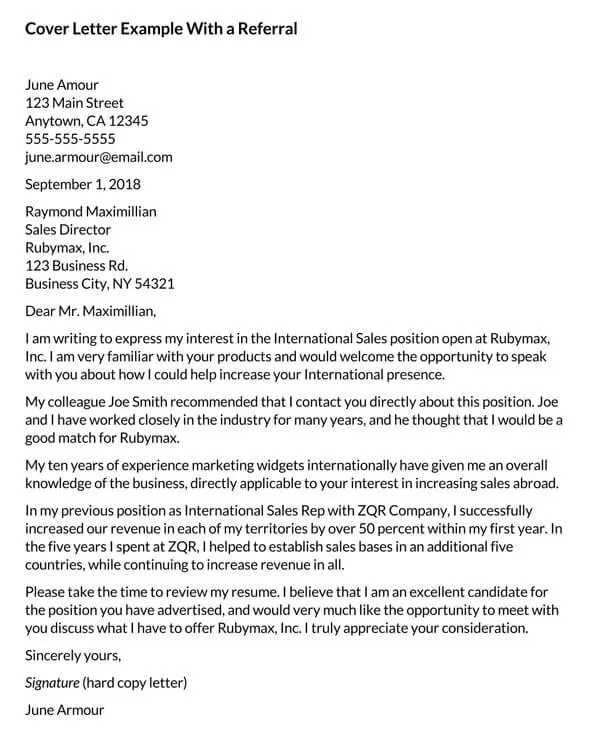
What is a Cover Letter Friend Referral
A cover letter friend referral is a strategic way to leverage your network and increase your chances of getting hired. It involves mentioning a connection you have with someone who already works at the company to which you’re applying. This referral can be a current employee, a former colleague, or even a friend of a friend. The goal is to create a personal connection and signal that you’re a good fit for the company culture. A well-executed cover letter with a friend referral can significantly enhance your application. By mentioning a referral, you’re not just another applicant; you’re someone who’s been vouched for by a current employee. This often gives you a leg up in the application process, as hiring managers often value internal referrals and are more inclined to review your application with greater interest.
Including a friend referral in your cover letter shows you’ve taken the initiative to network and seek out opportunities within the company. It also demonstrates you’ve done your research and are genuinely interested in the role and the organization. When done correctly, a friend referral cover letter demonstrates professionalism, enthusiasm, and a proactive approach to your job search. This proactive stance often leads to more interviews and job offers.
The Importance of Friend Referrals
Friend referrals are incredibly important in the job market. They provide a significant advantage, often leading to faster consideration and a higher chance of landing an interview. The importance lies in the trust and credibility that the referral brings. Hiring managers often trust their employees’ judgment and are more likely to give a referred candidate a closer look. This can result in a faster application review and a higher likelihood of getting an interview. Referrals also help you stand out from the crowd of applicants, as they create a personal connection that impersonal applications lack. This personalization helps in making a strong first impression and can set you apart from other candidates with similar qualifications. In many companies, referrals are also rewarded, with employees who refer successful candidates often receiving bonuses or other incentives, showing the value placed on employee recommendations.
Referrals help the hiring process. It can speed up the recruitment process by reducing the time spent on screening and filtering applicants. Companies that utilize referrals often find that referred candidates are better cultural fits and are more likely to stay longer. Because referrals often come from employees who understand the company culture and the requirements of the role, referred candidates frequently align better with what the company is looking for. Referrals are a crucial element to your job search strategy. These are a powerful tool to accelerate your job search and enhance your career prospects, helping you connect with potential employers and highlight your value.
Benefits of Friend Referral in Cover Letter

Including a friend referral in your cover letter offers numerous benefits that can greatly boost your job application. One of the key advantages is that it enhances your credibility and visibility. A referral from a current employee gives your application more weight, as it signifies that someone within the company is vouching for you. This can move your application to the top of the pile and increase your chances of getting noticed. A friend referral can also provide you with an insider’s view of the company culture, values, and hiring process. This insider knowledge can help you tailor your cover letter and resume to better align with the specific needs and expectations of the employer, allowing you to showcase your understanding of the company. It will also help you avoid common pitfalls, as you will have a better understanding of the hiring managers.
Another significant benefit is the opportunity to build rapport with the hiring manager. When you mention a mutual connection, it creates a sense of familiarity and trust, which can make the hiring manager more receptive to your application. This personal connection can set the stage for a more engaging and positive interview experience. Friend referrals can also open doors to networking opportunities within the company. The person who referred you may be willing to provide guidance, advice, or even advocate for you during the hiring process. By leveraging these benefits, you can transform your cover letter from a generic application into a powerful tool for making a lasting impression and securing a job offer.
How to Mention a Friend Referral in a Cover Letter
When mentioning a friend referral in your cover letter, it’s important to do so in a way that’s both professional and impactful. Start by clearly stating the connection in the opening paragraph. Be specific and mention the name of your friend, their current role within the company, and how you know them. Something like, “I am writing to express my interest in the [Job Title] position at [Company Name]. I was encouraged to apply by [Friend’s Name], who is a [Friend’s Job Title] in the [Department] department.” This immediately grabs the reader’s attention and adds credibility to your application. Following this, provide a brief explanation of your relationship with the friend. This helps to add a personal touch and shows the nature of the relationship. Ensure that you have the friend’s permission before mentioning them. It is important to ask them beforehand. This shows respect for their position and ensures they are comfortable with the referral. It is essential to have the friend’s permission before using their name in your cover letter.
In the body of your cover letter, focus on highlighting the skills and experiences that align with the job requirements. While the referral is important, the majority of your letter should still focus on your qualifications. Use the referral as a bridge to showcase how your skills align with the company’s needs and culture. This not only validates your application but also shows that you’re aware of the company’s values and priorities. Also, it’s crucial to express your gratitude to your friend for the referral, showing your professionalism and respect for their help. This also reflects positively on both you and your friend. Conclude your letter with a confident and professional tone, reiterating your interest in the position and thanking the hiring manager for their time and consideration.
Crafting the Perfect Opening
Crafting the perfect opening for a cover letter that includes a friend referral is essential for capturing the hiring manager’s attention. The opening paragraph sets the tone for your entire application, so it needs to be both engaging and informative. Start by clearly stating the purpose of your letter — to express your interest in a specific position at the company. Immediately follow this with the friend referral. Mention your friend’s name, their title, and the department where they work. This immediately establishes a personal connection and signals that you have an insider advantage. Keep the opening concise and straightforward. Avoid lengthy introductions or generic phrases. The goal is to quickly grab the reader’s attention and make them want to learn more about you and your qualifications. Ensure your opening reflects your enthusiasm and genuine interest in the role. Let the reader know that you are genuinely excited about the opportunity and eager to contribute to the company’s success.
Next, briefly mention how you learned about the position and why you are a good fit. This sets the stage for the rest of your cover letter, which will detail your qualifications. You can use your friend’s insights to help you tailor your letter to the company’s specific needs. When crafting the perfect opening, focus on creating a positive first impression. A well-written opening can set you apart from other applicants, highlighting your ability to connect with the company on a personal level. This will make your application more memorable and increase the likelihood of being considered for an interview.
Highlighting the Connection
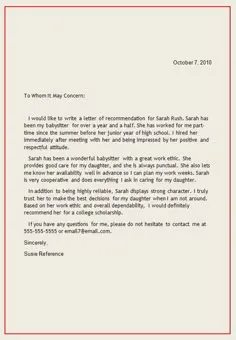
Highlighting the connection with your friend is an important aspect of your cover letter. It adds a layer of credibility and personal touch to your application, increasing your chances of getting noticed. After introducing your friend and their role, you must briefly explain how you know each other. Whether it’s a former colleague, a college friend, or a family friend, knowing your relationship will help create a personal connection with the hiring manager. This small detail can make a big difference as it humanizes your application and sets you apart from other candidates.
Following your introduction, use this connection to demonstrate your understanding of the company. If your friend shared insights about the company culture, its values, or specific projects, mention these details to show that you have done your research. This shows you’re genuinely interested in the role and the company. Avoid making the cover letter all about your friend. Instead, focus on how your skills and experience align with the job requirements and how you learned about the opportunity through your friend. Keep your focus on the value you bring to the role. Mention your friend’s name briefly to set up a connection but keep the main focus on your qualifications. Use this opportunity to create a positive and memorable impression on the hiring manager. This can improve your chances of standing out and being selected for an interview.
Showcasing Relevant Skills and Experience
Showcasing your relevant skills and experience is critical in your cover letter, as it ultimately determines whether you’re a good fit for the job. After establishing the friend referral, dedicate the majority of your letter to highlighting the specific skills and experiences that match the job requirements. Start by reviewing the job description carefully, identifying the key skills, qualifications, and experiences that the employer is looking for. Then, use your cover letter to demonstrate how you have met these requirements in your previous roles. The goal is to create a clear and compelling narrative that showcases your abilities.
Use action verbs and specific examples to illustrate your accomplishments. For each skill or experience you mention, provide a brief description of a project or situation where you successfully applied that skill. Focus on quantifiable achievements that demonstrate your value. For instance, instead of saying, “Managed a team,” say, “Managed a team of 10, increasing project completion rates by 20%.” This provides concrete evidence of your abilities and impact. Tailor your cover letter to the specific job and company. Make sure you’re not just listing your skills and experience, but also explaining why you’re the best candidate. This level of customization can significantly increase your chances of getting an interview, as it shows the hiring manager that you have taken the time to research the role and the company.
Formatting the Cover Letter for Friend Referral
Formatting your cover letter is another aspect of writing a well-crafted cover letter. A properly formatted cover letter is easy to read, professional, and reflects positively on your attention to detail. Begin by choosing a professional font and maintaining consistent formatting throughout the document. Arial, Times New Roman, and Calibri are commonly used and recommended for their readability. Use a clear and readable font size, generally between 11 and 12 points. Ensure there is adequate spacing between paragraphs and sections to prevent the letter from appearing cluttered. Use consistent margins (typically 1 inch on all sides) to give the document a balanced look. Properly structure your cover letter into standard sections: your contact information, the date, the hiring manager’s contact information, the salutation, the body paragraphs, the closing, and your signature.
Use bullet points or numbered lists to highlight key skills or accomplishments. This format breaks up large blocks of text and makes your achievements more easily digestible for the reader. Your cover letter should be concise and focused. Avoid using long paragraphs or unnecessary jargon. The goal is to communicate your qualifications effectively in a clear and easy-to-read manner. Keep your cover letter to one page, unless you have very extensive experience. Remember, the cover letter should complement your resume, not duplicate it. A well-formatted cover letter demonstrates your professionalism, attention to detail, and respect for the hiring manager’s time. It should also be free of grammatical errors and typos.
Best Practices for Friend Referral

Following best practices when mentioning a friend referral in your cover letter can significantly improve your chances of getting noticed. Firstly, ensure you have permission from your friend before including their name in your application. It’s important to respect their privacy and confirm that they are comfortable with the referral. If your friend is in a position of authority, mentioning their name adds extra credibility to your application. Keep the focus on your own qualifications and how you match the job requirements. Use the referral to highlight your skills and experiences, and don’t let it overshadow your achievements. Tailor your cover letter to the specific job and the company. Show you have done your research by mentioning the company’s mission, values, or recent projects. This shows your genuine interest and initiative.
Make sure your cover letter is easy to read and error-free. Proofread your cover letter carefully for grammatical errors, typos, and formatting issues. Use a professional tone throughout. Even though the referral is from a friend, it’s important to maintain a tone that is professional and respectful. This will reflect well on you and your friend. Highlight how you can contribute to the company’s success. Instead of just stating your skills, connect them to the company’s goals. This demonstrates your understanding of the role and the company’s needs. By following these best practices, you can create a cover letter that is both effective and professional, increasing your chances of a positive outcome.
Proofreading and Editing Your Cover Letter
Proofreading and editing your cover letter is an essential step in ensuring that your application is polished and professional. A cover letter riddled with errors can undermine your credibility and reduce your chances of getting hired. Before submitting, carefully review your cover letter for any grammatical errors, spelling mistakes, and punctuation issues. Use a grammar checker to help identify potential issues you might have missed. However, do not rely solely on these tools; they might not catch all errors and nuances.
Next, review your cover letter for clarity and conciseness. Ensure that your writing is clear, easy to understand, and that your key messages come across effectively. Avoid using jargon or overly complex language. Remove any unnecessary information or repetitive phrases. Ensure your content is relevant and targeted to the job. Ask someone else to proofread your cover letter. A fresh pair of eyes can often spot errors that you might have overlooked. Make sure they understand the specific requirements and can assess whether the letter is conveying the right message. Proofreading and editing can transform your cover letter from good to great, improving your chances of making a lasting impression on the hiring manager. By taking the time to thoroughly review your cover letter, you show that you have a keen eye for detail and a commitment to excellence.