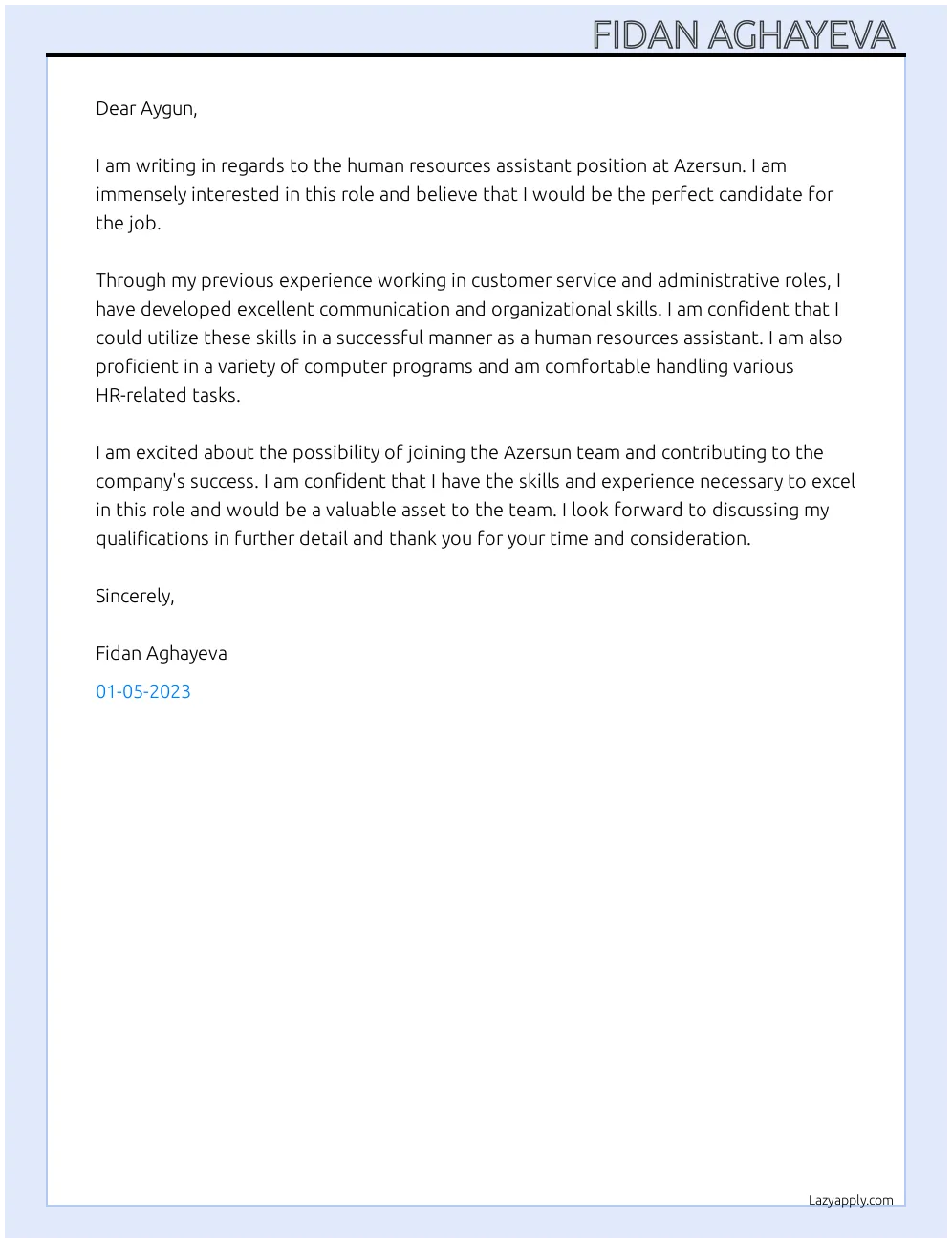
Why Addressing HR Matters
In the competitive job market, every detail matters. Your cover letter is your first impression, and how you address it speaks volumes about your attention to detail and professionalism. Taking the time to correctly address your cover letter to the appropriate person or department, usually Human Resources (HR), significantly boosts your chances of getting noticed. A well-addressed cover letter demonstrates respect for the hiring process and the company itself. It shows you’ve taken the initiative to learn about the organization and tailor your application accordingly. This small effort can set you apart from candidates who use generic greetings or, worse, get the address wrong, as it underscores your commitment and genuine interest in the role.
The Importance of a Well-Addressed Cover Letter
A well-addressed cover letter shows that you are serious about the application and the role. It indicates that you are willing to go the extra mile to make a good impression, which shows initiative, commitment, and respect for the company. It shows you’ve done your research and are not simply sending a generic application to every job posting. Correct addressing can make a significant difference when it comes to getting your application noticed. This small investment of time can show that you are serious about your application, that you have a genuine interest in the role, and that you understand the importance of attention to detail. A well-addressed cover letter is a crucial part of your job application process and contributes to your overall chances of success.
Consequences of Incorrect Addressing

Conversely, an incorrectly addressed cover letter can have several negative consequences. It can be perceived as a lack of attention to detail, which is a critical skill in most professional environments. This can lead the recruiter or hiring manager to assume that you may also overlook important details on the job. Incorrect addressing might suggest that you are not genuinely interested in the specific position, suggesting that you are sending out mass applications and not customizing your materials. This can lead to your application being overlooked or even rejected. It is always best to avoid these mistakes to ensure your application is seen in the best possible light. It’s essential to make a strong first impression, and an accurate address is a fundamental step in achieving this.
Finding the Right Contact Person
Knowing who to address your cover letter to can seem challenging, but with a little research, you can significantly increase your chances of making a positive impression. Ideally, you should address the cover letter to a specific person, usually the hiring manager or HR representative. This personal touch demonstrates your attention to detail and initiative. Before you start writing, it is critical to learn about the company. Researching the company and finding out the correct contact information can pay off in the long run. You can make a good impression and possibly connect with the right person in the process.
Researching the Company Website and Job Posting
The first place to look for the contact information is on the company’s website and the job posting itself. Many companies will include the name of the hiring manager or the HR contact person within the job description. Carefully review the job posting, looking for the name and title of the person responsible for reviewing applications. Also, explore the ‘About Us’ or ‘Contact Us’ sections of the company website for contact information for the HR department. If the specific hiring manager is not listed, look for the general HR contact. Sometimes, a generic email address or postal address for applications is provided. It is always helpful to double-check this information, especially if the posting is older, as contact details can change.
Using LinkedIn to Find HR Professionals

LinkedIn is a powerful tool for identifying the correct contact person. Search for the company on LinkedIn and then search for HR professionals or recruiters associated with the company. You can often find the name and title of the recruiter or HR representative responsible for hiring for the specific role you are applying for. When you find a likely candidate, review their profile to confirm their role and responsibilities. If you identify the hiring manager, address your cover letter directly to them. Even if you are unable to find the hiring manager, you can often find the HR contact for the specific department. Be polite and professional in your approach, and ensure your cover letter is tailored to your audience to increase your chances of success.
General Addressing Options
Sometimes, despite your best efforts, it may not be possible to identify a specific person to address your cover letter to. In these cases, there are a couple of standard, professional options you can use. The key is to maintain a professional tone and adapt your approach according to the available information. In every situation, it is essential to maintain a professional approach and a tone that clearly communicates your respect for the company and the hiring process. Making an informed decision about who to address the cover letter to will significantly impact the way your application is received.
Addressing to the Hiring Manager
If you can identify the hiring manager, this is always the preferred option. Addressing your cover letter directly to the hiring manager shows initiative and that you have taken the time to research the company and the role. It is far more personal and demonstrates that you care about the position. When you have the hiring manager’s name, use a formal salutation such as ‘Dear Mr./Ms./Mx. [Last Name]’. Ensure you spell the name correctly and use the correct title. This personal touch can help your application stand out from the crowd. The hiring manager is directly responsible for the hiring process and the decision-making, making this the best option if their name is available.
Using ‘Dear Human Resources’

If you can’t find a specific name, addressing your cover letter to ‘Dear Human Resources’ is a good, safe option. This shows that you are directing your application to the correct department. However, this is a more generic approach. Make sure that the rest of your cover letter demonstrates your attention to detail and customization. This approach is preferable to a vague ‘To Whom It May Concern’ because it shows that you are directing your application to the relevant department, even if you cannot identify a specific person. If you choose to address your cover letter to HR, it’s crucial that the content highlights your attention to detail and relevant skills.
When to Use ‘To Whom It May Concern’
The phrase ‘To Whom It May Concern’ should be used only as a last resort. This salutation is considered impersonal and can give the impression that you haven’t put much effort into your application. While it is acceptable in some instances, it is generally best to avoid it if possible. You should only use this salutation when you truly cannot find any other information. Ensure that the body of your cover letter is strong and demonstrates your interest in the role and your qualifications. Try to replace this phrase with a more specific greeting by using research to identify an appropriate contact or department. If you must use ‘To Whom It May Concern’, focus on making the rest of your letter exceptionally compelling.
Formatting Your Address
Formatting your cover letter is essential. It is a visual representation of your professionalism and attention to detail. Pay close attention to the layout, spacing, and overall appearance of the document. The format should align with standard business letter formatting, helping your cover letter look polished and easy to read. Consistent formatting improves readability and makes your cover letter more appealing to the reader.
Proper Salutations and Closings

The salutation is the greeting at the start of your cover letter, while the closing is the farewell at the end. The salutation should match the formality of the address. If you know the hiring manager’s name, use ‘Dear Mr./Ms./Mx. [Last Name]’. If you use ‘Dear Human Resources’, this is also acceptable, although less personal. In all cases, ensure you spell names correctly. For the closing, use a professional phrase such as ‘Sincerely’, ‘Best regards’, or ‘Respectfully’. Avoid overly casual closings. Choose the closing that best suits the culture of the company and the role you are applying for.
Font and Spacing Guidelines
Use a professional font such as Times New Roman, Arial, or Calibri. The font size should typically be between 10 and 12 points for readability. Single-space the body of your cover letter, but use a double space between paragraphs. This will make your cover letter easy to read. Use standard one-inch margins on all sides of the document. Proper spacing and formatting will make your cover letter easier to read and demonstrate your attention to detail. Aim for a clean and polished layout. Poorly formatted cover letters are off-putting and make it difficult for the reader to focus on your skills and qualifications. Adhering to these formatting guidelines will significantly improve the readability of your cover letter.
Avoiding Common Mistakes
Making mistakes when addressing a cover letter can have a negative impact on your application. Common mistakes can make a negative impression on the recruiter and can sometimes lead to your application being overlooked. Being aware of the potential pitfalls is crucial for making sure your application is noticed for the right reasons. Take the time to review and double-check your address, and ensure you don’t make any of the common mistakes that can damage your chances of success.
Misspelling Names and Titles

One of the most significant mistakes is misspelling the name or getting the title of the hiring manager or HR contact incorrect. This is the quickest way to make a negative impression. Always double-check names, titles, and other contact information before sending your cover letter. Even small errors can signal a lack of attention to detail, which is essential in most professional roles. This might suggest a lack of professionalism or a failure to do your research. Always verify the information to ensure accuracy. Taking this extra step shows respect for the individual and the company, demonstrating your commitment and desire to secure the position.
Sending to the Wrong Department
Sending your cover letter to the wrong department is another common mistake. For example, sending your application to the finance department instead of the HR department. If you cannot identify a specific person, make sure you address the cover letter to the HR department. Ensure you are sending your cover letter to the correct department. Double-check the job posting and the company website for the appropriate contact details. If you’re unsure, it’s always best to err on the side of caution and address your letter to the general HR contact. Doing so increases the chances that your application reaches the correct person for review.
Proofreading Your Cover Letter
Proofreading is a crucial part of the cover letter writing process. A well-written cover letter should be free of errors, typos, and grammatical mistakes. These errors can distract the reader and make you look less professional. Correcting these errors is essential, and you should always proofread your cover letter before submitting your application. This can significantly boost your chances of making a good impression and landing an interview.
Tips for a Professional Appearance

Presenting a professional appearance is critical for your cover letter. Ensure your cover letter is well-formatted and has a clean layout. Use a professional font, and choose a font size that is easy to read. Use clear and concise language, and avoid slang or jargon. Maintain a professional tone throughout your cover letter. Remember to use correct grammar and spelling. Review your cover letter for any errors, and make sure that your cover letter is free of typos and other mistakes. Always ensure the letter is free of grammatical errors. This shows your attention to detail. A polished cover letter reflects your commitment to excellence.
Reviewing Before Sending
Before submitting your cover letter, review it thoroughly. Check the address, salutations, and closing for accuracy. Proofread the document carefully for any errors. Verify that the content of your cover letter is relevant to the job requirements and that it highlights your skills and qualifications. Consider asking a friend or mentor to review your cover letter for feedback. You can also use online proofreading tools to identify any errors. It’s always best to have a second pair of eyes look over your cover letter before you submit it. Taking this extra step will greatly enhance your chances of making a positive impression and securing an interview.