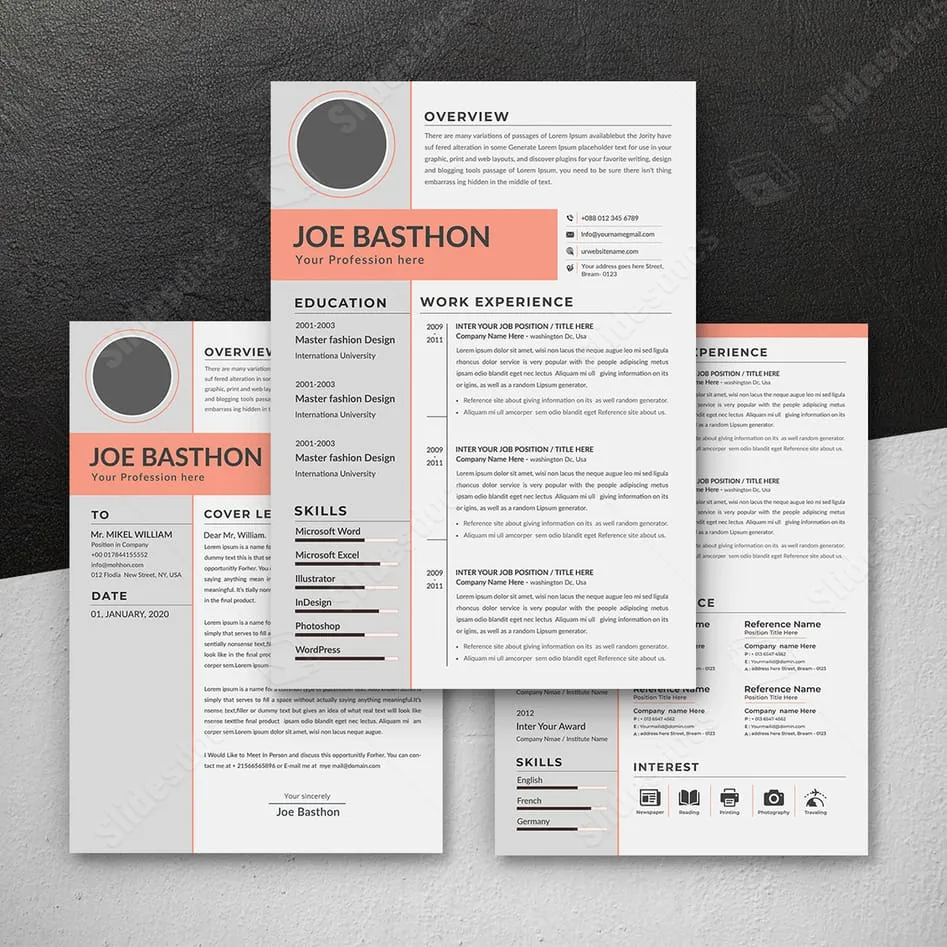
What is a Cover Letter and Why You Need One
A cover letter is your first impression on paper, a crucial document accompanying your resume when applying for a job. Unlike your resume, which provides a factual overview of your experience and skills, the cover letter offers you the opportunity to personalize your application, showcase your personality, and explain why you are the perfect fit for a specific role and company. It’s your chance to go beyond the basic facts and tell a story that captures the reader’s attention and compels them to learn more about you. In a competitive job market, a well-crafted cover letter can make the difference between getting an interview and being overlooked, so it is important.
The Purpose of a Cover Letter
The primary purpose of a cover letter is to introduce yourself and your qualifications to a potential employer. It serves as a brief introduction, expanding on the key aspects of your resume that are most relevant to the job. By highlighting your skills and experiences, and connecting them to the specific requirements of the role, you demonstrate your understanding of the company and the value you can bring. A cover letter also provides an opportunity to express your enthusiasm for the position and the company, showcasing your genuine interest and motivation which further enhances your chances of getting noticed, proving your commitment.
Key Components of a Cover Letter

A standard cover letter typically includes several key components. Begin with a professional header, including your contact information and the date, followed by the recipient’s contact information. Address the hiring manager or relevant person by name whenever possible. The body of the letter should start with a strong opening paragraph to grab the reader’s attention. The following paragraphs should highlight your relevant skills and experience, showcasing your qualifications in relation to the job description. Conclude with a call to action, such as requesting an interview or expressing your eagerness to discuss your application further. Always remember to sign off with a professional closing such as “Sincerely” or “Best regards”.
Formatting Your Cover Letter Word Doc
When creating your cover letter in a Word document, proper formatting is crucial for readability and professionalism. Pay close attention to the layout, font, and overall presentation to make a positive impression on the hiring manager. A well-formatted cover letter demonstrates your attention to detail, organization skills, and understanding of professional communication. The format is often as important as the content itself. Ensure a clean and easy-to-read document that is easy to review by the recruiter or hiring manager. This is the key to getting your cover letter noticed.
Font and Font Size
Choose a professional and readable font, such as Times New Roman, Arial, Calibri, or Helvetica. Keep the font size between 10 and 12 points, as this is the standard for professional documents. Avoid using overly stylized or decorative fonts, as they can make your letter difficult to read. The goal is to ensure your cover letter is easy on the eyes and conveys a sense of professionalism and competence. Consistency in your font choice throughout the document is also important. The wrong font choice can make your cover letter unreadable and negatively impact your chances of getting a job.
Margins and Spacing

Maintain standard one-inch margins on all sides of your document. This will ensure that your letter looks balanced and professional. Use single or 1.15 line spacing for the body of your letter, with a double space between paragraphs for clarity. Proper spacing enhances readability and makes the document visually appealing. Ensure that the spacing is consistent throughout your cover letter. Proper formatting allows your cover letter to look clean and professional and ensures that there is enough white space for the reader to digest the information properly.
File Format and Naming
Save your cover letter as a .docx file (the default format for Microsoft Word documents) to ensure compatibility with most systems. When naming your file, use a clear and professional format, such as “Your Name_CoverLetter_JobTitle”. This helps the hiring manager easily identify your document and keeps your application organized. Avoid using special characters or spaces in the file name to prevent potential issues. Always proofread the document before saving and sending it. This includes the final touches and edits that need to be addressed before submitting the document.
How to Write a Compelling Cover Letter
Writing a compelling cover letter requires careful planning and execution. Your goal is to capture the reader’s attention, showcase your skills, and highlight your enthusiasm for the position. By following these tips, you can create a cover letter that stands out from the competition and significantly increases your chances of landing an interview. A compelling cover letter shows you can do the job, are excited about it, and will thrive in the role. It’s a critical document, so spend the time to craft a great one.
Researching the Company

Before you start writing, research the company and the specific role you are applying for. Understand the company’s mission, values, and recent achievements. Tailor your cover letter to show how your skills and experience align with the company’s goals and what you can bring to the organization. Addressing the company’s mission and values in your cover letter proves that you did the research. Reference specific projects, initiatives, or news articles related to the company to demonstrate your knowledge and genuine interest.
Customizing Your Cover Letter
Avoid using a generic cover letter. Each cover letter should be customized to the specific job and company. Review the job description carefully and identify the key requirements and qualifications. Highlight the skills and experiences that match the job requirements and provide specific examples that demonstrate your abilities. Addressing the recruiter and tailor-making your cover letter to the particular job listing will make you stand out from the competition. Customization shows your commitment and interest in the position and increases the likelihood of your application.
Highlighting Your Skills and Experience
Focus on showcasing your relevant skills and experience in a clear and concise manner. Use action verbs to describe your accomplishments and quantify your results whenever possible. Provide specific examples of how you have used your skills to achieve positive outcomes in previous roles. Frame your skills and experience in a way that demonstrates how they align with the needs of the company and the requirements of the job. This will help your application stand out and demonstrate your value to the employer. Including quantifiable accomplishments shows your value.
Using Keywords Effectively

Carefully review the job description and identify the keywords and phrases used to describe the required skills and qualifications. Incorporate these keywords naturally throughout your cover letter, ensuring that your application passes through any applicant tracking systems (ATS) used by the company. While it’s important to include keywords, avoid keyword stuffing. Focus on writing a compelling and authentic letter that showcases your skills and experience. Your cover letter can be easily dismissed if it doesn’t align with the job requirements or has too many keywords.
Call to Action
End your cover letter with a clear call to action. Express your enthusiasm for the opportunity and reiterate your interest in the position. Include a statement that you are eager to discuss your qualifications further and that you are available for an interview. Provide your contact information and thank the hiring manager for their time and consideration. Your final paragraph should show the reader you are enthusiastic and passionate about the role. The final paragraph should leave the reader with a strong impression.
Cover Letter Checklist Before Sending
Before submitting your cover letter, take the time to carefully review it and make sure that it meets all the necessary requirements. Use a checklist to ensure that you haven’t overlooked any crucial details. Your cover letter should be thoroughly reviewed to make sure you are submitting a top-notch document that stands out to the reader and represents you in the best possible way. A checklist will help ensure you did not overlook any crucial details that need to be addressed.
Proofreading and Editing

Proofread your cover letter carefully for any grammatical errors, spelling mistakes, or typos. Errors can undermine your credibility and make a negative impression on the hiring manager. Ensure that your sentences are clear, concise, and easy to understand. Read the cover letter aloud to catch any awkward phrasing or unclear sentences. Having a second set of eyes review your cover letter can also be incredibly helpful. Use tools such as Grammarly or a similar proofreading software to check grammar and spelling.
Contact Information Verification
Double-check your contact information to ensure that it is accurate and up-to-date. Include your phone number, email address, and LinkedIn profile URL (if applicable). Make sure your email address is professional and that your voicemail is set up to receive messages. Ensure that all links are active and direct to your profile. Verify your contact information, so potential employers can easily reach you. An inaccurate or incomplete contact form might cause you to miss out on opportunities, so always take the time to double-check this information.
Final Thoughts
Crafting a winning cover letter in Word is a critical step in your job search. By understanding the purpose of a cover letter, following proper formatting guidelines, writing compelling content, and using a checklist, you can create a document that grabs the hiring manager’s attention and increases your chances of landing an interview. Your cover letter is your first impression on paper, so make it count. Investing the time and effort to create a professional and persuasive cover letter will be a valuable investment in your career.