Crafting a Cover Letter That Shines
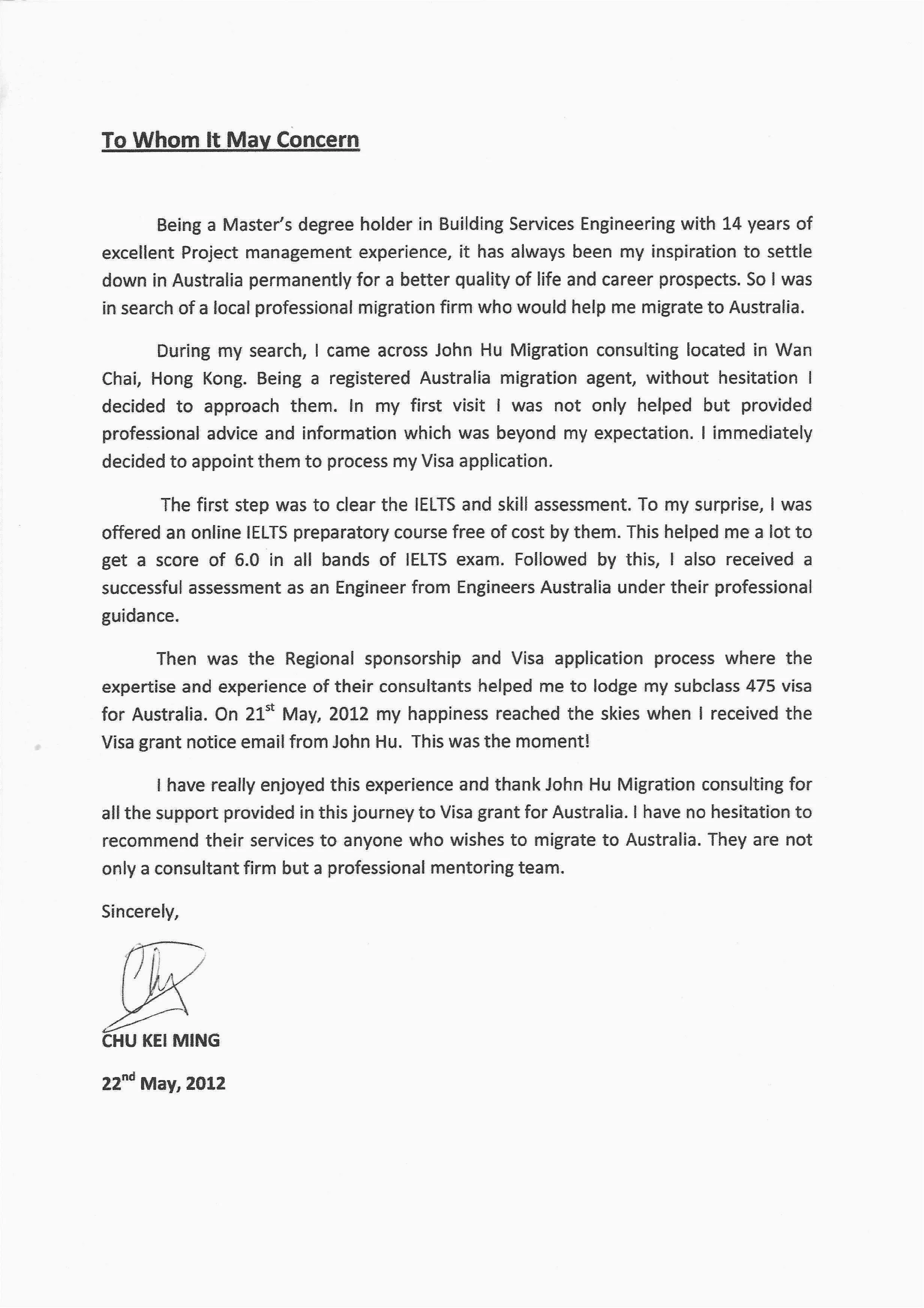
A well-crafted cover letter is your first opportunity to make a positive impression on a potential employer. It’s more than just a formality; it’s a chance to tell your story, highlight your skills, and demonstrate why you’re the perfect fit for the role. In today’s competitive job market, a compelling cover letter can significantly increase your chances of landing an interview. It should be tailored to each specific job, showcasing your understanding of the company and your genuine interest in the position. Remember, the goal is to grab the hiring manager’s attention and make them want to learn more about you. A winning cover letter will always be personalized and relevant.
Understanding the Purpose of a Cover Letter
The primary purpose of a cover letter is to introduce yourself and your qualifications to the hiring manager. It provides context for your resume, elaborating on your skills and experiences in a way that a resume alone cannot. Unlike a resume, a cover letter allows you to showcase your personality, writing style, and enthusiasm for the job. It demonstrates your understanding of the company’s needs and how your skills can contribute to their success. Furthermore, a cover letter allows you to address any potential gaps in your resume or explain career transitions. Think of it as a personal pitch, designed to persuade the employer that you’re worth interviewing.
Highlighting Your Skills and Experience

Your cover letter is the perfect place to highlight the skills and experiences that align with the job requirements. Carefully review the job description and identify the key skills and qualifications the employer is seeking. Then, provide specific examples from your past experiences where you’ve demonstrated these skills. Use action verbs to describe your accomplishments and quantify your results whenever possible. Instead of simply listing your responsibilities, focus on the impact you made in your previous roles. For example, instead of saying “Managed social media accounts,” you could say “Increased social media engagement by 30% through strategic content planning and audience interaction.” Show, don’t just tell, the value you bring to the table.
Formatting a Professional Cover Letter
The format of your cover letter is just as important as its content. A professional-looking cover letter demonstrates attention to detail and respect for the employer. Choose a clean and readable font, such as Times New Roman, Arial, or Calibri, with a font size between 10 and 12 points. Use single spacing and leave a space between paragraphs. Ensure your letter is well-organized with clear headings and subheadings to guide the reader. Aim for a one-page length, as hiring managers often have limited time to review applications. Keep the tone professional and avoid slang or overly casual language. Proofread carefully for any grammatical errors or typos, as these can create a negative impression.
Key Components of a Cover Letter
Header Information

The header of your cover letter should include your contact information and the date. Start with your full name, address, phone number, and email address. Then, include the date you’re sending the letter. Following this, you’ll include the hiring manager’s name (if known), their title, and the company’s address. If you’re sending your cover letter via email, you can omit the physical address, but make sure your email address is professional-sounding. This information helps the employer easily identify you and contact you for an interview. Accuracy is key; double-check all details to avoid any errors that could hinder the application process.
Greeting and Salutation
The greeting sets the tone for your cover letter. Whenever possible, address the hiring manager by name. Research the company’s website or LinkedIn to find the correct person. Using a name shows you’ve taken the time to personalize your application. If you can’t find a name, use a professional greeting like “Dear Hiring Manager” or “Dear [Department Name] Team.” Avoid generic greetings like “To Whom It May Concern.” For the closing, use a professional salutation such as “Sincerely,” “Regards,” or “Best regards,” followed by your full name. This ending should reflect the professional tone you’ve maintained throughout the letter.
Body Paragraphs
The body paragraphs are the heart of your cover letter. Start with an engaging opening that states the position you’re applying for and how you learned about it. In the following paragraphs, highlight your relevant skills and experiences, providing specific examples of your accomplishments. Explain why you’re interested in the company and the role. Use keywords from the job description to demonstrate your alignment with their needs. Keep your paragraphs concise and focused, making it easy for the reader to grasp your key qualifications. Avoid simply restating your resume; instead, elaborate on your accomplishments and connect them to the company’s objectives. Show the employer how you can contribute to their success.
Closing and Call to Action

The closing of your cover letter should reiterate your interest in the position and express your enthusiasm for an interview. Thank the hiring manager for their time and consideration. Clearly state your availability for an interview and how they can contact you. Provide your phone number and email address again, making it easy for them to reach out. A strong call to action is essential for prompting the employer to take the next step. For instance, you might write “I am eager to discuss how my skills and experience can benefit your team. Thank you for your time; I look forward to hearing from you soon.” This leaves a positive impression and encourages them to move forward with your application.
Writing Cover Letter Emails
Subject Line Strategies
The subject line of your cover letter email is the first thing the hiring manager sees, so it needs to grab their attention and encourage them to open your message. Use a clear and concise subject line that includes the job title and your name. For example, “[Job Title] Application - [Your Name].” This makes it easy for the recruiter to identify your application among many others. Avoid generic subject lines such as “Resume” or “Application,” as these may get overlooked. Consider adding a brief, compelling phrase related to the job description. The subject line should always be professional and informative, setting the stage for your application.
Email Body Formatting

Your email body should be a brief introduction to your cover letter and resume. Start with a professional greeting, addressing the hiring manager by name if possible. In the first paragraph, state the position you’re applying for and where you found the job posting. Briefly summarize your qualifications and why you’re a good fit for the role. Keep the email concise and focused on the key points. Avoid repeating everything in your cover letter; instead, use the email to highlight your strongest selling points. Close with a call to action, such as inviting the hiring manager to review your attached documents and expressing your interest in an interview. Proofread the email carefully for any typos or grammatical errors.
Attaching Your Cover Letter and Resume
Properly attaching your cover letter and resume is crucial. Save your documents as PDF files to ensure they retain their formatting and can be opened on any device. Use clear and descriptive filenames, such as “Your Name - Cover Letter.pdf” and “Your Name - Resume.pdf.” In your email, clearly state that you’ve attached your cover letter and resume for review. This reminds the hiring manager what to expect and makes it easier for them to find your documents. It’s also a good practice to double-check that the attachments are included before sending the email. Sending incomplete applications can create a negative impression, so attention to detail in this area is very important.
Cover Letter Best Practices
Tailoring Your Letter to the Job

One of the most important best practices is tailoring your cover letter to each job application. Avoid using a generic cover letter for multiple positions. Instead, carefully review the job description and identify the key skills and experiences the employer is seeking. Customize your letter to showcase how your qualifications align with the specific requirements of the job. Research the company and demonstrate your understanding of their mission, values, and recent achievements. Highlighting your genuine interest in the company will make your application stand out. This level of personalization shows that you’ve taken the time to understand the position and are genuinely interested in the opportunity, significantly increasing your chances of success.
Proofreading and Editing
Proofreading and editing your cover letter is a critical step that you should never skip. Errors in grammar, spelling, or punctuation can undermine your credibility and make you appear unprofessional. After you’ve written your cover letter, take a break and then review it with fresh eyes. Read it aloud to catch any awkward phrasing or typos. Use spell-check and grammar-check tools, but don’t rely on them entirely; these tools can miss errors. Ask a friend or family member to review your letter as well; a second pair of eyes can often catch mistakes you might miss. A polished and error-free cover letter demonstrates your attention to detail and commitment to excellence.
Keywords to Include
Including relevant keywords in your cover letter can improve your chances of getting noticed by Applicant Tracking Systems (ATS) and hiring managers. Carefully review the job description and identify the key skills, qualifications, and keywords the employer is looking for. Incorporate these keywords naturally into your cover letter, such as when describing your skills, experiences, and accomplishments. However, avoid keyword stuffing, which is the excessive and unnatural use of keywords. Your cover letter should read smoothly and focus on the value you bring to the position. The goal is to demonstrate that you have the skills and qualifications the employer is seeking.
Conclusion

Writing a winning cover letter requires careful planning, thoughtful execution, and attention to detail. By following these guidelines, you can craft a cover letter that captures the hiring manager’s attention, showcases your skills, and increases your chances of getting an interview. Remember to tailor each letter to the specific job, highlight your relevant experiences, and proofread carefully for any errors. A well-written cover letter can make a significant difference in your job search, so invest the time and effort to create a document that truly represents your best self.