Why Cover Letter Mastery Matters
In today’s competitive job market, a strong cover letter is more than just a formality it’s your first opportunity to make a compelling impression. It’s a crucial tool that can significantly increase your chances of landing an interview and ultimately, securing your dream job. Mastering the art of crafting an effective cover letter allows you to stand out from the crowd and demonstrate to potential employers why you are the ideal candidate. Neglecting this critical document could mean missing out on opportunities that align with your career aspirations. This guide will reveal the top seven secrets to cover letter mastery, helping you transform your applications from mediocre to magnificent.
First Impressions The Power of a Cover Letter
Your cover letter serves as the initial introduction, often read before your resume. It’s where you can immediately capture the recruiter’s attention, showcasing your personality, enthusiasm, and genuine interest in the role. It’s an opportunity to go beyond the facts presented in your resume and tell a compelling story about yourself, connecting your skills and experience to the specific requirements of the job. A well-crafted cover letter demonstrates your communication skills, attention to detail, and ability to tailor your message. It gives you an advantage to articulate why you’re a great fit for the company and the position.
What is a Cover Letter?

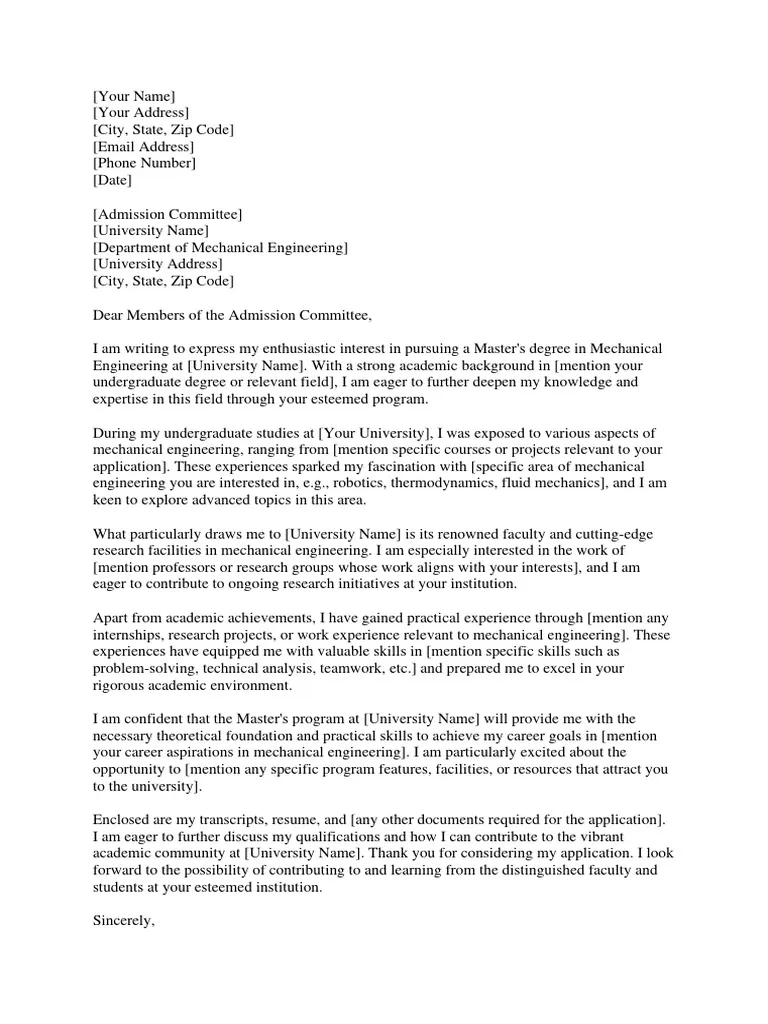
A cover letter is a one-page document that accompanies your resume when applying for a job. It’s a personalized introduction to the hiring manager, providing a snapshot of your qualifications and explaining why you are a good fit for the position. It allows you to highlight key skills, experiences, and achievements that directly align with the job requirements. The cover letter provides a context for your resume, elaborating on your relevant experience and demonstrating your understanding of the company’s needs and values. It’s an opportunity to set yourself apart and provide additional insights that a resume alone cannot offer.
The Purpose of a Cover Letter
The primary purpose of a cover letter is to persuade the hiring manager to read your resume and, most importantly, to invite you for an interview. It’s a chance to express your interest in the specific role and company, showing that you’ve taken the time to research their needs and tailor your application accordingly. A strong cover letter clarifies your career goals and how they align with the job and the company’s mission. It enables you to highlight your most relevant skills and experiences, making your qualifications clear and concise. It also gives you the opportunity to showcase your personality, enthusiasm, and communication skills, ultimately aiming to make a positive first impression.
Cover Letter Mastery Secret 1 Research the Company
Before you start writing, thoroughly research the company. This shows that you are genuinely interested and have taken the initiative to understand their business, values, and goals. Use their website, social media, and news articles to gather information. Understand the company’s culture, recent projects, and any challenges they might be facing. This information will help you tailor your cover letter and demonstrate how your skills can contribute to their success. It’s not just about finding a job; it’s about finding a place where you can make a difference. Tailoring your letter to the company shows respect and attention to detail.
Importance of Company Research

Researching the company is critical for several reasons. It allows you to understand their specific needs, which enables you to highlight relevant skills and experiences. It shows the hiring manager that you are genuinely interested in the role and have invested time and effort beyond a generic application. Company research also helps you tailor your language and tone to fit the company culture. This demonstrates a level of professionalism and attention to detail that sets you apart from other applicants. Thorough research also allows you to find key details to include in your cover letter, showcasing a connection between your skills and the company’s goals.
How to Research Effectively
Effective research involves a combination of methods. Start with the company’s website to understand their mission, values, and recent projects. Explore their ‘About Us’ and ‘Careers’ sections for insights into their culture and job descriptions. Use social media platforms like LinkedIn, Twitter, and Facebook to get updates, see employee interactions, and learn about their recent news. Search for news articles or press releases that provide more details. Use the information gathered to tailor your cover letter. Look for industry trends and use keywords mentioned in the job description to emphasize a good match.
Cover Letter Mastery Secret 2 Tailor Your Letter
Generic cover letters rarely impress. Tailoring your letter to each specific job application is essential. It demonstrates that you’ve taken the time to understand the company’s needs and the role’s requirements. Carefully review the job description and identify the key skills and experiences they are looking for. Use this information to highlight your relevant qualifications and explain how you can meet their needs. Tailoring goes beyond simply changing the company name; it involves personalizing the content to reflect your understanding of the specific role and how your skills align with the job. This shows you aren’t just sending out mass applications but are truly interested in the opportunity.
Customization is Key

Customization is at the heart of an effective cover letter. Avoid sending a generic template; instead, craft a unique message that resonates with the employer. Customize your letter by addressing the hiring manager by name (if possible), referencing specific company projects, and highlighting your unique value proposition. Use keywords from the job description, but do not simply repeat them. Instead, integrate them naturally into your narrative, demonstrating how your skills match the job’s requirements. Every cover letter should feel personalized, reflecting your understanding of the specific opportunity and your passion for the company.
Highlighting Relevant Skills
To showcase your skills, identify the essential skills in the job description and highlight your experience in those areas. Provide concrete examples to back up your claims. For example, if the job description requires project management skills, describe a specific project where you successfully managed deadlines, budgets, and teams. Use action verbs to start your sentences, such as ‘Managed,’ ‘Implemented,’ or ‘Led.’ Tailor the skills you mention to directly address the needs of the role. Be specific and avoid vague statements. Highlight your proficiency in tools or software relevant to the job. Make sure your skills directly align with the requirements of the role to maximize your impact.
Cover Letter Mastery Secret 3 Showcase Your Achievements
Focusing on your achievements is far more impactful than listing your responsibilities. Instead of saying ‘Responsible for managing social media,’ say ‘Increased social media engagement by 40% through targeted content and strategic campaigns.’ Quantifiable results make a stronger impression. Provide specific examples of your accomplishments, such as project successes, sales figures, or cost savings. Use action verbs and concise language to highlight your impact. Show, don’t just tell; give concrete proof of your capabilities. A well-written cover letter demonstrates your potential, rather than just listing tasks.
Quantifying Your Accomplishments

Quantifying your accomplishments means using numbers, percentages, and specific data to demonstrate the impact of your work. Instead of saying ‘Improved customer satisfaction,’ state ‘Improved customer satisfaction by 25% through implementing a new feedback system.’ Quantifiable results provide concrete evidence of your skills and make it easier for the hiring manager to understand your value. Use metrics, such as increased revenue, reduced costs, or improved efficiency, to showcase your contributions. Always provide the context of your accomplishment, and be sure the numbers are relevant to the job requirements.
Using Action Verbs Effectively
Action verbs make your cover letter more dynamic and engaging. Start each sentence with a strong action verb to describe your accomplishments and responsibilities. Examples of effective action verbs include ‘Managed,’ ‘Led,’ ‘Developed,’ ‘Implemented,’ ‘Increased,’ ‘Reduced,’ and ‘Achieved.’ Using action verbs helps to make your statements more compelling and concise. Avoid passive language and aim to demonstrate your initiative and results. This makes your letter more interesting and shows what you can do, rather than simply what you did. Use action verbs consistently throughout your cover letter.
Cover Letter Mastery Secret 4 Focus on Value
Instead of simply listing your skills and experience, focus on the value you can bring to the company. Explain how your skills and experience align with the company’s goals and needs. Show the hiring manager how you can contribute to their success by solving problems or improving their performance. Demonstrate your understanding of their challenges and offer solutions based on your skills. Highlight specific examples of how your previous work has delivered value and what you plan to bring to their team. Think about what the employer is looking for, then position your skills and experience to fulfill these needs. The goal is to showcase how you can add value.
Understanding Employer Needs

Understanding the employer’s needs is critical for tailoring your cover letter effectively. Research the company, read the job description, and identify their key goals and challenges. Look for keywords that highlight the skills and experience they value. Consider what problems they are trying to solve and what they are looking to achieve. Use your cover letter to address these needs by highlighting relevant experience. Show them that you understand their objectives and can help them meet them. Tailor your skills and experience to the job requirements and use your letter to demonstrate what you can do for the company.
Offering Solutions
Offering solutions demonstrates that you can bring value to the company. Identify potential challenges the company might face based on your research. Explain how your skills and experience can provide solutions to these challenges. Instead of simply listing your skills, show how you can use them to solve problems. Provide specific examples of how you have addressed similar issues in the past. Show that you are proactive, and that you can contribute to their success. By offering solutions, you position yourself as a valuable asset and a problem-solver.
Cover Letter Mastery Secret 5 Keep it Concise
Keep your cover letter concise and to the point. Hiring managers are busy, and they don’t have time to read long, rambling letters. Aim for a single page, and ensure your writing is clear, direct, and well-organized. Avoid unnecessary jargon or complex sentence structures. Focus on the most relevant information and express it in a clear and straightforward manner. Ensure your letter flows well, with a logical structure. This demonstrates respect for the hiring manager’s time and ensures that your message is effectively communicated. Concise writing is a sign of a well-organized mind.
Length Guidelines

Generally, a cover letter should be no more than one page. This length allows you to provide enough detail without overwhelming the reader. The ideal length varies depending on the experience and the role applied for. For entry-level positions, keep it shorter. For more senior roles, you can be more detailed, but always strive to be concise. Ensure that your most important points are highlighted early, and your key information is easy to find. Your cover letter must be easy to read and quickly convey your most crucial qualifications.
Formatting and Readability
Good formatting and readability are essential for an effective cover letter. Use a professional font, such as Arial or Times New Roman, and a font size between 10 and 12 points. Use single spacing within paragraphs and double spacing between paragraphs. Employ clear headings and subheadings to organize your content and make it easy to scan. Ensure your letter has adequate margins. Use bullet points to break up long blocks of text and highlight key accomplishments. Proofread your letter to ensure that the formatting is consistent and that there are no errors.
Cover Letter Mastery Secret 6 Proofread Meticulously
Proofreading is one of the most important steps in writing a cover letter. Errors in grammar, spelling, and punctuation can undermine your credibility and make a negative impression. Carefully review your cover letter for any mistakes. Read your letter aloud to catch any awkward phrasing. Ask a friend, family member, or career counselor to proofread your letter to catch any issues you might have missed. Make sure you correct any errors you find. Double-check the company name, job title, and contact information. The goal is to create a polished and professional document that reflects positively on your attention to detail.
Common Mistakes to Avoid
Common mistakes to avoid include grammatical errors, spelling mistakes, and typos. Avoid using generic phrases and clichés. Make sure that your cover letter is free of jargon. Avoid using negative language. Don’t include irrelevant information or personal details that are not related to the job. Do not send a generic letter that is not tailored to the specific job. Avoid using the same cover letter for every job application; tailor each one to meet the specific requirements. Avoid any errors to demonstrate professionalism and attention to detail.
Tools for Proofreading
Many tools can help you proofread your cover letter effectively. Use grammar and spell-check tools like Grammarly or the built-in features of your word processor. Run a final check by reading your letter aloud to catch any awkward phrasing or errors. Consider having a friend, family member, or career advisor review your letter to gain an outside perspective. Always proofread a hard copy of your letter. Double-check company names, job titles, and the name of the hiring manager. Make sure the document is perfect before submitting it.
Cover Letter Mastery Secret 7 Call to Action
Include a clear call to action at the end of your cover letter. This encourages the hiring manager to take the next step. Express your enthusiasm for the position and company. Indicate your willingness to discuss your qualifications further and set up an interview. Provide a clear and concise statement expressing your interest. This should reiterate your interest and prompt the hiring manager to take the next step. Reiterate your interest and prompt the hiring manager to take the next step. A strong call to action demonstrates your keenness and makes it easier for the hiring manager to move forward.
Expressing Your Interest
Expressing your interest involves clearly stating that you are eager to learn more about the role. Use phrases such as ‘I am excited about the opportunity’ or ‘I am very interested in the position.’ Show your enthusiasm for the role. Briefly mention your understanding of the company’s mission and values. Your objective is to reiterate your interest in the position and confirm that you’re the perfect match for the requirements. Close with confidence, and be sure to demonstrate professionalism.
Following Up
After submitting your cover letter and resume, follow up with the hiring manager or the contact person. A follow-up email, sent a week or two after submitting your application, shows initiative and interest. In your email, thank the hiring manager for their time and reiterate your interest in the role. Briefly restate your qualifications and mention how your skills match the job requirements. Maintain a polite and professional tone, and express your eagerness to discuss the opportunity further. Follow-up demonstrates persistence and commitment.