What is the Difference Between Cover Letter, Resume, and CV?
Navigating the job application process can be tricky, especially when it comes to understanding the different documents required. The cover letter, resume, and curriculum vitae (CV) each serve a unique purpose and play a crucial role in showcasing your qualifications to potential employers. Understanding the nuances of each document is the first step towards creating a strong application package that highlights your strengths and increases your chances of landing an interview. Each document serves a different purpose, and tailoring them to the specific job and company is key to success. Knowing the difference allows you to present yourself effectively, making it easier for recruiters and hiring managers to understand your skills and experience. Therefore, you can make your application more focused and persuasive, highlighting your relevant qualifications in the best possible light. Understanding the differences between these documents will set you on the path to a successful job search.
The Purpose of a Cover Letter
A cover letter serves as your personalized introduction to an employer. It provides an opportunity to highlight your interest in the specific role and company while expanding on the information provided in your resume or CV. A well-crafted cover letter should demonstrate your understanding of the company’s values, the specific job requirements, and how your skills and experience align with those needs. The cover letter is not just a formality; it’s a chance to show your personality and enthusiasm. It’s where you can express your passion for the industry and the specific role, making you stand out from other applicants. By crafting a compelling narrative, you can captivate the reader and persuade them to learn more about you. The goal is to make a positive first impression, setting the stage for a successful application. Your cover letter is your voice in the application process, use it well.
The Importance of a Resume

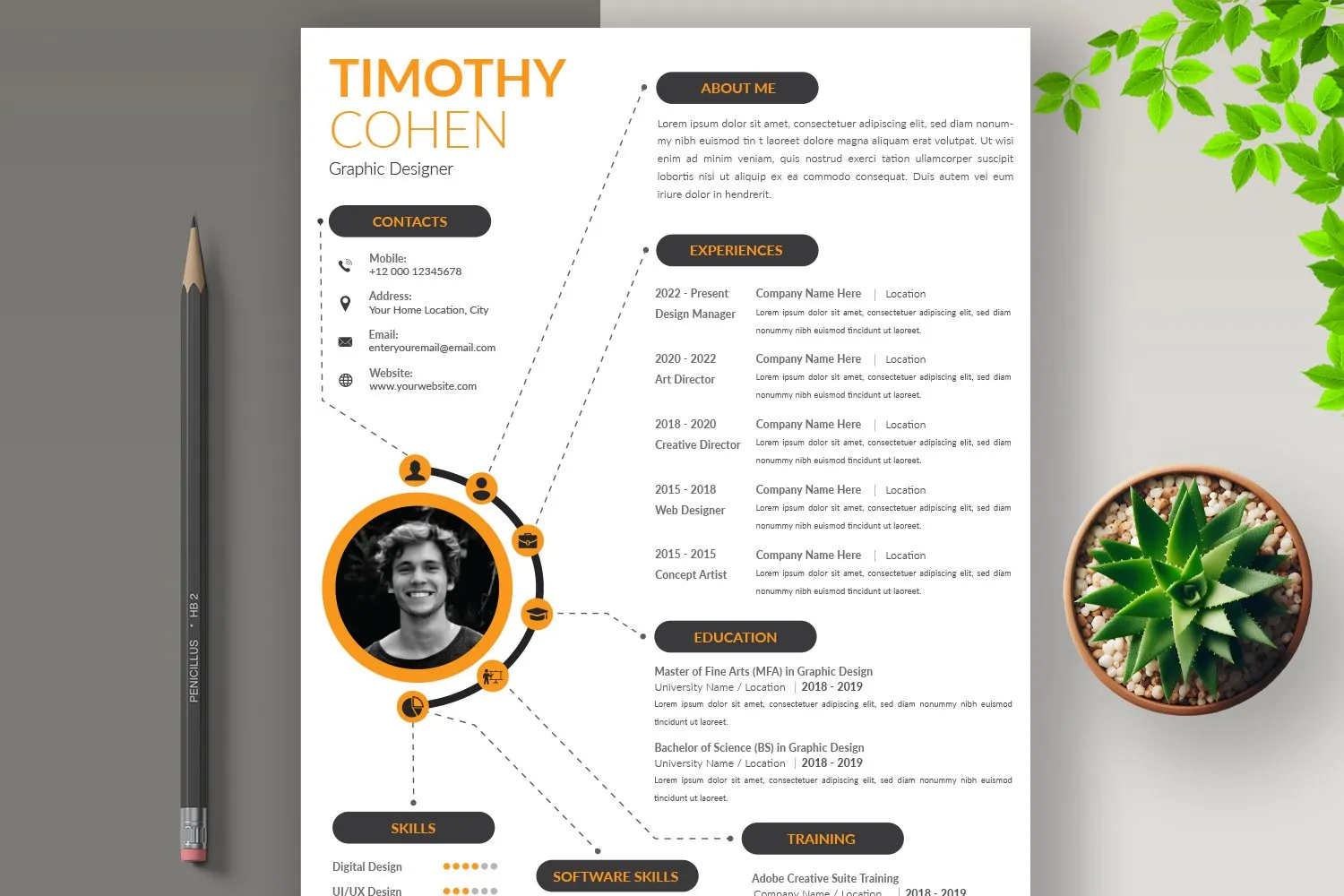
Your resume is a concise document that summarizes your work experience, skills, education, and achievements. It provides potential employers with a quick overview of your qualifications, allowing them to assess whether you meet the basic requirements of the job. A well-structured and easy-to-read resume is crucial, as it’s often the first document that recruiters and hiring managers will review. Resumes should be clear, concise, and tailored to the specific job requirements. It should highlight your most relevant skills and experiences while omitting unnecessary information. A strong resume quickly demonstrates your value as a candidate and encourages the reader to delve deeper into your qualifications. Always customize your resume for each job you apply for to ensure that it accurately reflects the skills and experiences most relevant to the position. This personalization significantly increases your chances of getting noticed and invited for an interview.
How to Write a Compelling Cover Letter
Writing a compelling cover letter is an art, not just a science. It involves more than just listing your skills; it requires you to tell a story. Start by addressing the hiring manager directly whenever possible. Personalize your letter and express genuine enthusiasm for the role and the company. Demonstrate your understanding of the company’s values and the specific requirements of the job. Then, highlight your key achievements and explain how your skills align with the role’s needs. A compelling cover letter shows that you are a good fit and increases your chances of getting an interview. Always tailor your letter to each specific job application, and ensure your writing is engaging and free of errors. Proofread carefully before sending it to make a strong first impression.
Address the Hiring Manager Directly
Personalizing your cover letter starts with addressing the hiring manager by name. If possible, research the name of the person responsible for hiring and address your letter directly to them. This shows that you’ve taken the time to learn about the company and the specific role, making your application stand out. If you cannot find the hiring manager’s name, use a professional greeting, such as “Dear Hiring Manager,” rather than a generic greeting like “To Whom It May Concern.” Always ensure that your letter is addressed to a specific individual. This simple step immediately establishes a connection and shows the hiring manager that you are genuinely interested in the opportunity.
Highlight Your Key Achievements

Instead of simply listing your job responsibilities, highlight your key achievements and quantifiable results. Use the STAR method (Situation, Task, Action, Result) to structure your examples. Describe a situation, the task you were given, the action you took, and the positive result. Quantify your achievements whenever possible. Use numbers to demonstrate the impact of your work. For instance, instead of saying “Managed social media accounts,” say “Increased social media engagement by 30% within six months.” This helps the hiring manager understand the tangible value you bring. Highlighting your achievements makes your application more persuasive and showcases your capabilities.
Demonstrate Your Enthusiasm
Enthusiasm is contagious and can make a significant difference. Show your excitement for the role and the company by expressing your genuine interest. Research the company’s mission, values, and recent achievements, and mention them in your cover letter. Explain why you are excited about the opportunity and what you hope to contribute. Demonstrate your enthusiasm and personalize the letter to make it stand out. The goal is to convey your passion for the job and demonstrate that you are not just looking for a job, but that you are truly interested in being a part of the company. Show your enthusiasm by expressing genuine interest in the role and the company, highlighting what excites you about this opportunity.
Proofread and Edit Your Cover Letter
Proofreading and editing are crucial steps that often get overlooked, but they are essential to making a positive impression. Errors in your cover letter can damage your credibility and make you appear careless. Always proofread your cover letter carefully for grammar, spelling, and punctuation errors. Read it multiple times, and consider having a friend or colleague review it as well. Ensure that your writing is clear, concise, and free of errors. A well-written, error-free cover letter demonstrates professionalism and attention to detail, increasing your chances of making a positive impression. Proofreading is a critical final step, ensuring your application conveys professionalism and attention to detail.
Crafting a Winning Resume

Crafting a winning resume is a blend of art and strategy. Your resume is the first document that recruiters review to assess your qualifications. It’s essential to make it concise, impactful, and easy to read. A well-crafted resume should concisely summarize your work experience, skills, and achievements. The goal is to showcase your value as a candidate and encourage the reader to learn more about you. The way you structure your resume, the format you choose, and the details you include will all determine how successfully you present yourself. Always tailor your resume to each job application to make it relevant. This ensures that it accurately reflects your qualifications, increasing your chances of getting noticed.
Choose the Right Resume Format
Selecting the correct resume format is critical for effectively presenting your information. There are three main types of resume formats: chronological, functional, and combination. The chronological format lists your work experience in reverse-chronological order, making it ideal for showcasing a consistent work history. The functional format highlights your skills and abilities, which is particularly useful if you have gaps in your work history or are changing careers. The combination format blends elements of both formats, highlighting skills while also including a chronological work history. Consider your experience and the requirements of the job when choosing a format. Choose a format that best highlights your strengths and aligns with the specific job requirements. The right format can significantly impact how your qualifications are perceived.
Include a Strong Summary or Objective
Include a strong summary or objective at the top of your resume. The summary is a brief overview of your skills and experience, while the objective states your career goals. A strong summary is best for experienced professionals, as it summarizes their key qualifications and career highlights. For those with less experience or who are changing careers, an objective can be helpful. Either way, the goal is to capture the reader’s attention and highlight your value. Keep the summary or objective concise and tailored to the job description. Include the most relevant information to make an immediate impact.
Detail Your Work Experience

Provide detailed information about your work experience. List your previous jobs in reverse-chronological order, including the job title, company name, dates of employment, and a brief description of your responsibilities and achievements. Quantify your achievements whenever possible. Use numbers and specific examples to demonstrate the impact of your work. Instead of saying “Managed social media accounts,” state “Increased social media engagement by 40% within six months.” Highlighting your accomplishments and quantifying your successes adds significant value to your resume. Detailed work experience helps employers understand your skills and how you’ve used them to achieve positive results.
List Your Skills and Education
Include a dedicated section for your skills and education. List both hard skills (technical skills) and soft skills (interpersonal skills) relevant to the job. Be specific and use keywords from the job description. List your educational background, including the degree, institution, and graduation date. Including skills and education in your resume provides potential employers with a clear understanding of your capabilities and qualifications. Align the skills with the job requirements to demonstrate your fit. Make sure to keep your information organized and easy to scan.
Tips for an Effective CV
A CV is typically more detailed than a resume and provides a comprehensive overview of your academic and professional history. It’s often used for academic, scientific, and research positions, and it’s common in Europe, the Middle East, and other parts of the world. Effective CVs include a wealth of information and emphasize your achievements in a detailed manner. When writing a CV, consider the specific requirements and formatting guidelines, as it is important to tailor your CV to the job. Ensure your CV highlights the relevant information. A well-crafted CV can significantly increase your chances of landing the job.
CV Structure and Content

A CV typically includes a detailed summary of your education, academic achievements, research experience, publications, grants, and professional experience. Start with your contact information and a concise summary or objective. List your education, detailing your degrees, institutions, and dates. Then, detail your research experience, including projects, methodologies, and results. Include a section for publications, presentations, and awards. A well-organized CV must be easy to read and clearly formatted. Tailor your CV to the specific job, highlighting the most relevant information and achievements. Structure and content should be tailored to the specific job and highlight your most relevant information.
Tailoring Your Cover Letter, Resume, and CV
Tailoring your cover letter, resume, and CV is critical to the job search process. You must customize each document for every job application to highlight the most relevant skills, experiences, and accomplishments. Read the job description carefully and identify the key requirements and keywords. Modify your documents to reflect those requirements, emphasizing how your qualifications meet the needs of the employer. Tailoring makes your application relevant to the specific job, showcasing your value. By tailoring your application, you demonstrate to potential employers that you understand the job and are a good fit. Always tailor your cover letter, resume, and CV to match each job description. This increases your chances of getting noticed and invited for an interview.
Adapting to Different Industries and Roles
Adapt your cover letter, resume, and CV to the specific industry and role you’re applying for. Different industries and roles have different expectations and preferences. Research the industry and company culture to understand their specific requirements and tailor your application accordingly. Tailor your content, format, and tone to fit the standards of the industry and the specific job requirements. For example, a CV for an academic position will differ greatly from a resume for a corporate role. A one-size-fits-all approach won’t work. Adapting allows you to showcase your adaptability and increase your chances of making a strong impression.
Keywords and Applicant Tracking Systems

Many companies use applicant tracking systems (ATS) to screen resumes. To ensure your resume gets past the ATS, include keywords from the job description. These systems scan resumes for keywords, and if your resume doesn’t have them, it might be rejected. Carefully analyze the job description and identify the key skills, qualifications, and phrases the employer is looking for. Strategically incorporate these keywords throughout your resume, especially in your summary, skills section, and work experience descriptions. However, ensure that your use of keywords feels natural and does not compromise the readability or clarity of your resume. Always optimize your resume for applicant tracking systems by including relevant keywords. This strategy ensures your resume will pass the initial screening process and makes it visible to the hiring manager.
Top 5 Secrets for Cover Letter Resume CV Success
To summarize the guide, here are the top 5 secrets for Cover Letter, Resume, and CV success. First, always tailor your documents for each job application. Second, highlight your achievements with quantifiable results. Third, proofread everything carefully to eliminate errors. Fourth, use keywords from the job description. Fifth, demonstrate enthusiasm and a genuine interest in the role. By following these strategies, you can create compelling cover letters, resumes, and CVs that will significantly increase your chances of landing an interview. Implementing these secrets can transform your approach to the job application process.