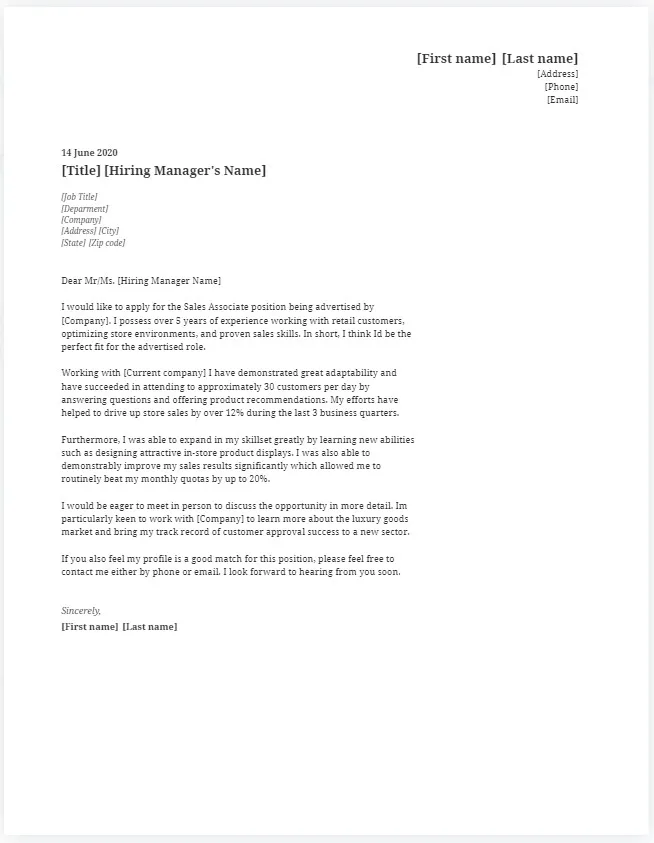
Why a Cover Letter Matters for Sales Associates
Even if you’re a newbie, a well-crafted cover letter is your secret weapon in the competitive world of sales associate jobs. It’s your first chance to make a lasting impression on a potential employer. It’s not just about listing your skills; it’s about telling a compelling story about why you’re the perfect fit for their team, even with little prior experience. A cover letter allows you to highlight your enthusiasm, personality, and transferable skills, setting you apart from other applicants who might only submit a resume. Think of it as your personal sales pitch, designed to convince the hiring manager to read your resume and ultimately, invite you for an interview. Without a strong cover letter, your application might get lost in the shuffle, especially when competing with candidates who have more experience.
Highlighting Transferable Skills
When you lack direct sales experience, the focus should shift to transferable skills – those abilities you’ve honed in other roles or through personal experiences that make you a strong candidate. These skills are the building blocks of sales success, and highlighting them effectively can compensate for the lack of experience. Think about communication, customer service, problem-solving, time management, and teamwork. Did you work in a fast-paced environment? Did you handle customer complaints? Did you excel in a leadership role? These experiences, regardless of the industry, demonstrate your potential to thrive in a sales role. The goal is to connect these transferable skills to the requirements of the sales associate position, showing how they can contribute to the company’s success.
Identify Relevant Skills from Previous Roles

Analyze your past experiences to identify skills that align with sales. If you worked in retail, emphasize your customer service skills, ability to handle transactions, and familiarity with sales techniques. If you volunteered, highlight your communication, interpersonal, and organizational skills. If you were a student, showcase your ability to learn new concepts, work in teams, and manage your time effectively. Even seemingly unrelated experiences can provide valuable transferable skills. For example, experience in a leadership role demonstrates your ability to motivate and influence others, a key skill in sales. Similarly, experience in a customer-facing role shows that you understand the importance of building rapport and providing excellent service. Remember, every experience offers something of value.
Focus on Soft Skills
Soft skills are essential for success in sales. These include communication, empathy, active listening, adaptability, and problem-solving. These skills are crucial because sales is all about building relationships, understanding customer needs, and adapting your approach to different situations. In your cover letter, provide specific examples of how you’ve demonstrated these skills. For example, describe a situation where you successfully resolved a conflict, built rapport with a difficult customer, or adapted your communication style to suit a particular audience. Emphasize your ability to work collaboratively, take initiative, and remain positive, even under pressure. These soft skills can often outweigh a lack of hard sales experience.
Showcasing Your Passion for Sales
Your cover letter is a great place to express your genuine interest in sales. Employers want to hire individuals who are enthusiastic about the industry and the products or services they offer. Demonstrate your passion by discussing why you are drawn to sales, what aspects of the role excite you, and how you see yourself contributing to the company’s goals. You can also mention any personal experiences or interests that align with sales, such as a knack for negotiation, a love for interacting with people, or a strong understanding of consumer behavior. Passion is contagious and can make a lasting impression on hiring managers, demonstrating your eagerness to learn and succeed in the role.
Demonstrating Your Sales Potential

While you might lack direct experience, you can still demonstrate your potential. Describe instances where you’ve achieved goals, exceeded expectations, or taken initiative. This could be in school, volunteer work, or previous jobs. Quantify your achievements whenever possible. For example, “Increased sales by 15% through effective customer engagement” or “Successfully resolved customer complaints, resulting in a 90% satisfaction rate.” If you’ve completed any relevant coursework or training, be sure to mention it. Showing initiative, a willingness to learn, and a proactive approach can significantly strengthen your application.
Structuring Your Cover Letter
A well-structured cover letter is crucial for making a positive impression. It should be easy to read, well-organized, and free of errors. Proper formatting helps ensure your message is clear and concise. A clear structure guides the reader through your qualifications, making it easy for the hiring manager to understand your key strengths and how they align with the job requirements. Before you even begin writing, take a moment to plan the structure of your cover letter, organizing your thoughts and ideas logically. This will make the writing process much smoother and result in a more effective cover letter.
Header and Contact Information
Start with your contact information in the header. Include your name, phone number, email address, and LinkedIn profile (optional). Then, include the date and the hiring manager’s name and title if you know it. If you’re unsure of the hiring manager’s name, research the company’s website or LinkedIn to find it. If you can’t find a name, use a generic salutation such as ‘Dear Hiring Manager’. Accuracy and professionalism are essential in this initial section. Make sure all information is current and easily accessible. This section sets the tone for the rest of the letter, so pay close attention to detail.
Opening Paragraph — Making a Strong First Impression
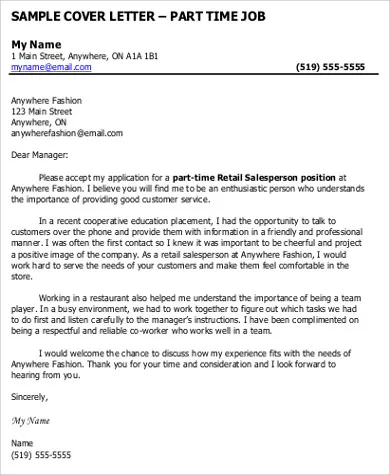
The opening paragraph is your chance to grab the reader’s attention. Clearly state the position you’re applying for and where you saw the job posting. Briefly mention why you’re interested in the role and the company. Express your enthusiasm and a brief overview of what makes you a strong candidate, even if you’re new to the field. Try to personalize the opening to reflect your genuine interest in the company. Avoid generic opening phrases; instead, strive for a statement that immediately captures the reader’s attention. The opening paragraph should set the stage for the rest of your letter, making the hiring manager want to continue reading.
Body Paragraphs — Highlighting Your Value
The body paragraphs are where you elaborate on your skills and experiences. Use one to two paragraphs to showcase your transferable skills, providing specific examples that demonstrate your abilities. Connect your skills to the job requirements outlined in the job description. Quantify your achievements whenever possible. For example, if you improved customer satisfaction in a previous role, mention the percentage increase. The body paragraphs should provide a clear picture of your value to the company. Each paragraph should focus on a specific skill or achievement, supported by concrete examples and evidence. The goal is to paint a detailed picture of your capabilities and potential.
Closing Paragraph — Call to Action
In the closing paragraph, restate your interest in the position and thank the hiring manager for their time and consideration. Express your eagerness to discuss your qualifications further and include a clear call to action, such as ‘I look forward to hearing from you soon.’ or ‘I am available for an interview at your earliest convenience.’ Make it easy for the hiring manager to take the next step. Reiterate your enthusiasm for the opportunity and your confidence in your ability to contribute to the company’s success. Proofread the entire letter carefully before submitting it to ensure it is free of errors.
Tailoring Your Cover Letter

A generic cover letter that’s sent to multiple companies is unlikely to impress hiring managers. Tailoring your cover letter to each specific job application is a crucial step in the job search process. This means customizing your letter to reflect the specific requirements, values, and culture of each company. It also shows the hiring manager that you’ve taken the time to understand their needs. Showcasing that you’ve done your research and genuinely care about the opportunity can significantly improve your chances of getting an interview.
Researching the Company
Before writing your cover letter, research the company. Visit their website, read their mission statement, and check their social media pages. Understand their products or services, their target audience, and their company culture. This research will help you customize your cover letter to align with their values and highlight how your skills and experiences match their needs. Pay attention to the language they use, the projects they are working on, and any recent news or events that might be relevant to the sales associate position. Demonstrate that you have taken the time to learn about the company will make a strong positive impression.
Customizing Your Letter for Each Application
Once you’ve researched the company, tailor your cover letter to match the specific job description. Use keywords from the job posting, highlight the skills and experiences that are most relevant to the role, and explain how you can contribute to the company’s success. Instead of just listing your skills, show how they align with the requirements and goals of the sales associate position. Demonstrate your understanding of the company and how your qualifications can benefit them. Personalize your cover letter by referring to specific projects, values, or goals mentioned in the job description or on the company’s website.
What to Avoid in Your Cover Letter

There are some common pitfalls to steer clear of when writing a cover letter. Avoiding these mistakes can greatly improve your chances of success. A cover letter should be polished, professional, and persuasive. By being aware of these common issues, you can avoid them, making your cover letter shine and significantly increasing your chances of getting an interview.
Common Mistakes to Skip
Avoid generic opening and closing paragraphs. Avoid vague statements, clichés, and overly long sentences. Avoid using jargon and industry-specific terms that the hiring manager might not understand. Never include irrelevant information, such as personal details or opinions that are not pertinent to the job. Make sure you don’t repeat information that is already in your resume. Always proofread for grammatical errors, typos, and formatting inconsistencies. These errors can undermine your credibility and professionalism.
Red Flags for Recruiters
Be aware of red flags that can make your application less appealing to recruiters. Never include negative comments about previous employers or colleagues. Avoid exaggerating your skills or experience. Don’t lie about your qualifications, as this can lead to immediate disqualification. Never submit a cover letter with a careless or unprofessional tone. Avoid using informal language or slang. If you’re applying for a sales position, show enthusiasm. A lack of interest in the company or the role is immediately apparent. A cover letter riddled with these red flags may land your application straight in the rejection pile.
Cover Letter Examples to Learn From

Reviewing cover letter examples can provide valuable insights and help you create your own successful application. Look for examples that are tailored to specific job roles and industries. Study how successful candidates highlight their skills, express their enthusiasm, and structure their letters. Adapt the best practices to your own cover letter to present your qualifications effectively. Take notes on their formatting, language, and overall tone. Remember to customize any template to reflect your own experience and the specific requirements of the job. Use these examples as a foundation, but always personalize your cover letter to reflect your unique background and aspirations.