What is a Cover Letter?
A cover letter is a crucial document that accompanies your resume when applying for a job. It serves as an introduction, allowing you to highlight your skills, experiences, and qualifications in a way that directly relates to the specific position you are applying for. Unlike a resume, which provides a factual overview of your work history, a cover letter provides context and demonstrates your personality and enthusiasm for the opportunity. Think of it as your personal sales pitch, designed to capture the hiring manager’s attention and convince them to read your resume.
Purpose of a Cover Letter
The primary purpose of a cover letter is to persuade the employer to consider your application. It allows you to elaborate on your key skills and experiences, explaining how they align with the job requirements. It also allows you to demonstrate your understanding of the company and the role, showcasing your genuine interest in the position. A well-written cover letter can significantly increase your chances of getting an interview, as it provides a personalized touch that sets you apart from other applicants.
Key Components of a Cover Letter

A strong cover letter typically includes a header with your contact information, a professional salutation, an engaging introduction, detailed body paragraphs highlighting relevant skills and experiences, and a compelling conclusion. The introduction should grab the reader’s attention, while the body paragraphs should provide concrete examples of your accomplishments. The conclusion should reiterate your interest in the position and encourage the reader to take action, such as scheduling an interview. Proper formatting, clear language, and a professional tone are essential for making a positive impression.
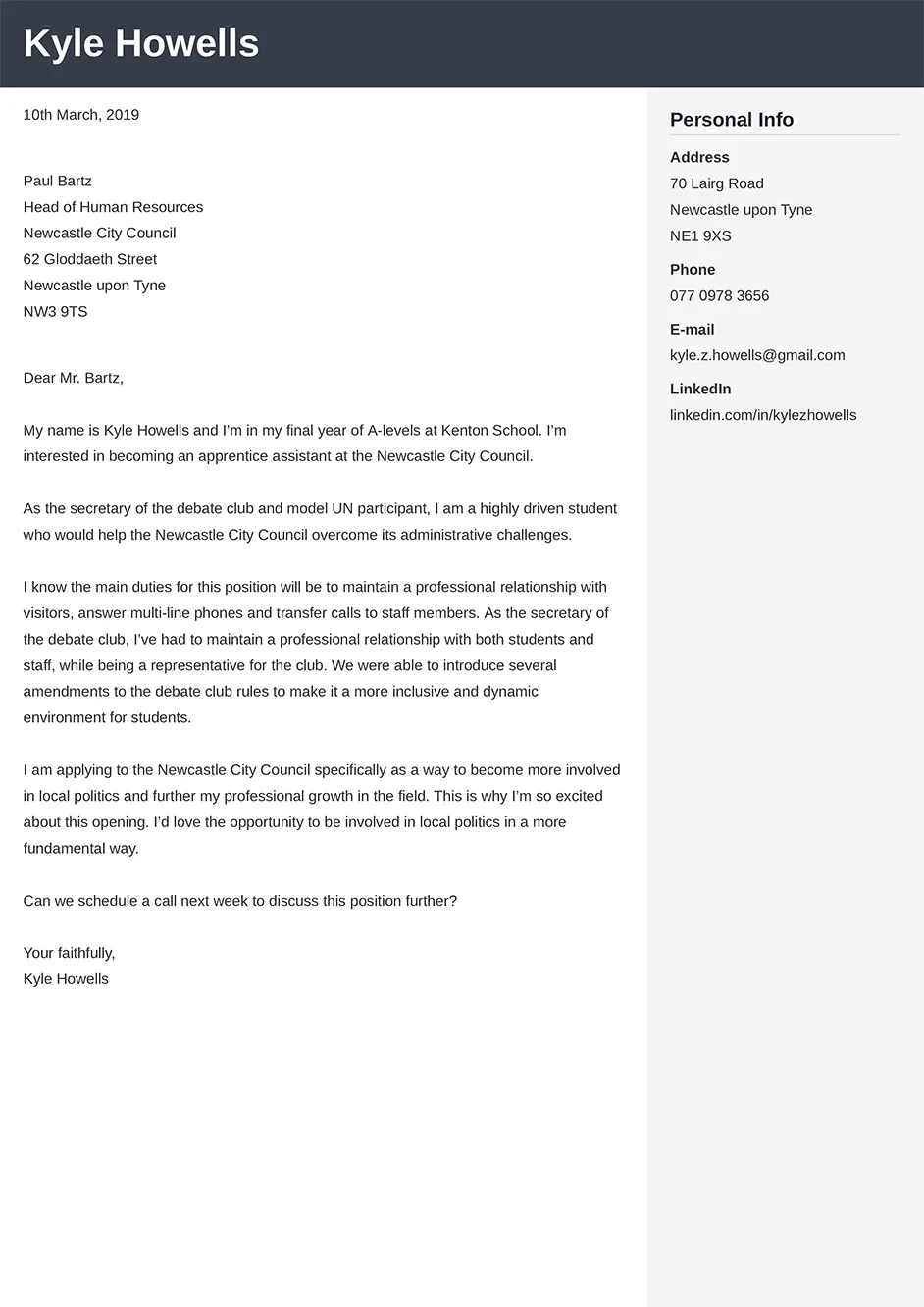
Cover Letter Sample to Impress Employers
Creating a cover letter that impresses employers requires attention to detail and a strategic approach. The sample examples below demonstrate how to effectively communicate your qualifications, demonstrate your enthusiasm, and showcase your value to a potential employer. Adapt this format and content to fit your specific experiences and the job requirements. Always tailor each cover letter to the specific job and company to maximize its impact. Remember to proofread your work carefully for any grammar or spelling errors.
Header
The header of your cover letter should contain your contact information, ensuring that the hiring manager can easily reach you. This section typically includes your full name, address, phone number, and professional email address. Consistency is key here — make sure the information matches what’s on your resume. A well-formatted header looks professional and makes it easy for recruiters to contact you quickly.
Your Contact Information

Include your full name, address, phone number, and professional email address. This allows the hiring manager to easily reach you to schedule interviews or request further information.
Date
Place the date of your application below your contact information. This is the date you are submitting the cover letter and resume to the hiring manager or the company itself.
Employer’s Contact Information
Below the date, include the hiring manager’s name (if available), their title, the company name, and the company address. If you cannot find the hiring manager’s name, use the title of the position or ‘Hiring Manager.’
Salutation

Start your cover letter with a professional salutation. ‘Dear Mr./Ms./Mx. [Last Name]’ is the standard format if you know the hiring manager’s name. If you don’t know the name, use a generic greeting like ‘Dear Hiring Manager’ or ‘Dear [Company Name] Team’. Avoid outdated salutations such as ‘To Whom It May Concern’.
Body Paragraph 1: Introduction and Enthusiasm
Your opening paragraph should grab the reader’s attention and state the purpose of your letter. Mention the specific position you are applying for and where you found the job posting. Express your enthusiasm for the role and the company. Briefly highlight a key skill or experience that makes you a strong candidate. This opening should immediately make a strong, positive impression, setting the tone for the rest of your cover letter. (see image cover-letter-body.webp)
Body Paragraph 2: Highlight Relevant Skills and Experiences
In this paragraph, delve deeper into your relevant skills and experiences. Review the job description and identify the key requirements. Provide specific examples of how your skills and past experiences align with those requirements. Use the STAR method (Situation, Task, Action, Result) to provide concise, impactful examples of your accomplishments. Quantify your achievements whenever possible to demonstrate your impact.
Body Paragraph 3: Showcase Your Achievements

Use this paragraph to showcase your achievements in detail. Focus on providing concrete examples of how you have made a positive impact in previous roles. Quantify your achievements whenever possible, using numbers and data to illustrate your success. Highlight accomplishments that are directly relevant to the job description, demonstrating your ability to excel in the position. Clearly articulate the value you bring to the table.
Body Paragraph 4: Express Your Interest and Next Steps
In the closing paragraph, reiterate your interest in the position and the company. Thank the hiring manager for their time and consideration. Express your eagerness to learn more about the opportunity and to discuss your qualifications further in an interview. Provide a call to action, such as stating that you look forward to hearing from them soon.
Closing
End your cover letter with a professional closing. Common options include ‘Sincerely,’ ‘Best regards,’ or ‘Thank you.’ Choose a closing that aligns with the tone of your letter and your overall communication style. Avoid informal closings such as ‘Cheers’ or ‘Best’.
Sign-off and Signature

After the closing, leave space for your signature. If submitting a digital cover letter, type your name below the closing. If printing and mailing the cover letter, sign your name above the typed name. Your signature should be legible and professional, reflecting the seriousness of your application.
Essential Tips for a Standout Cover Letter
Writing a great cover letter can be tricky, but following these tips will help you create a document that will capture the hiring manager’s attention. Tailoring your letter to each specific job, using action verbs to describe your accomplishments, proofreading carefully, and keeping your letter concise are all extremely important. Always present yourself in a professional manner, showcasing your skills, experiences and eagerness to succeed in the open position.
Tailor to Each Job
Do not send a generic cover letter. Customize each letter to match the specific job description and company. Research the company and understand their values, mission, and culture. Highlight the skills and experiences that are most relevant to the position, using keywords from the job posting. Customization shows the employer that you are genuinely interested in the specific opportunity and that you have taken the time to understand their needs. This tailored approach greatly increases your chances of getting noticed.
Use Action Verbs

Use action verbs to start your sentences and describe your accomplishments. Words like ‘managed,’ ’led,’ ‘developed,’ ‘achieved,’ and ‘implemented’ make your descriptions more dynamic and compelling. Action verbs bring your experience to life and demonstrate your proactive approach. They paint a clear picture of your contributions and showcase your abilities in a powerful way. Using action verbs makes your cover letter more engaging and memorable.
Proofread Carefully
Proofread your cover letter meticulously for any errors in grammar, spelling, and punctuation. Errors create a negative impression and can undermine your credibility. Read your letter aloud to catch any awkward phrasing or mistakes. Consider having a friend or colleague review your letter as well, as a fresh pair of eyes can often spot errors that you might miss. A well-proofread cover letter demonstrates professionalism and attention to detail.
Keep it Concise
Keep your cover letter concise and to the point. Aim for a one-page document, focusing on the most relevant information. Avoid unnecessary jargon or lengthy explanations. Hiring managers often have limited time, so make sure your key qualifications and experiences are easy to find. A well-written, concise cover letter respects the reader’s time and increases the likelihood that they will read it thoroughly.
Cover Letter Sample Examples
To make sure your cover letter makes the right impression, here are some examples for different positions. The content below includes the format, tone, and language best suited for each type of role, as well as a few things you should not include. It’s crucial to remember that each cover letter should be personalized to reflect your particular background. Make sure you demonstrate not just what you can accomplish for the organization, but also your understanding of the company and position.
Example for a Marketing Position
For a marketing position, highlight your experience with campaigns, digital marketing, and market analysis. Showcase your creativity and ability to drive results. Quantify your achievements with metrics such as website traffic, conversion rates, and social media engagement. Tailor the letter to the specific marketing strategies the company employs. (see image cover-letter-marketing.webp)
Example for an Engineering Role
In an engineering role, emphasize your technical skills, problem-solving abilities, and project management experience. Provide examples of successful projects and the impact you had on them. Mention any relevant certifications or software proficiencies. Show your understanding of engineering principles and the ability to collaborate with a team. (see image cover-letter-engineering.webp)
Example for a Teacher Position
For a teaching position, highlight your educational background, teaching experience, and classroom management skills. Mention your ability to create engaging lesson plans and foster a positive learning environment. Showcase your passion for education and your commitment to student success. Include any relevant certifications or awards. (see image cover-letter-teacher.webp)