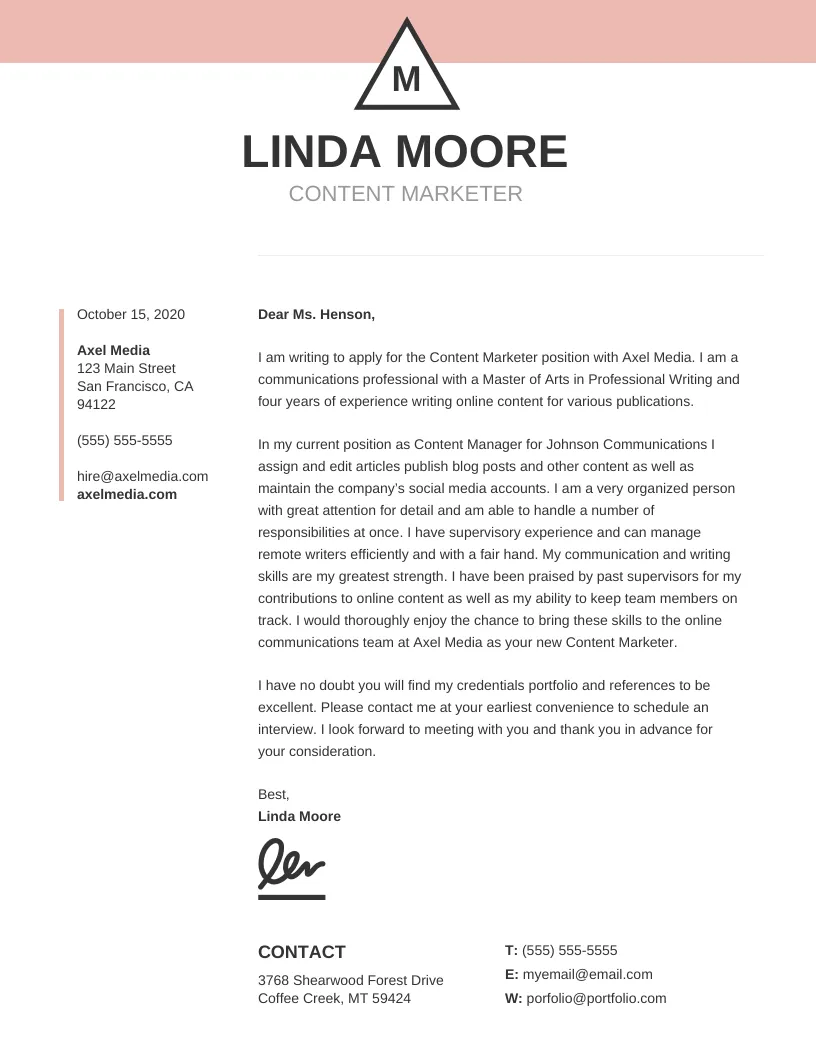
Cover Letter Sample Top 5 Tips
A well-crafted cover letter is your first impression on a potential employer. It’s your chance to showcase your personality, skills, and enthusiasm for the role. A strong cover letter complements your resume, providing context and highlighting how your qualifications align with the job requirements. This guide provides a comprehensive cover letter sample and top tips to create a compelling cover letter that grabs the hiring manager’s attention and increases your chances of landing an interview. By following these guidelines, you can significantly improve your application and stand out from the competition. A cover letter sample can be a powerful tool, but knowing how to adapt it to your specific situation is crucial. Remember to tailor your cover letter to each job application; generic letters rarely impress.
Researching the Company
Before you even begin writing, research the company. Understand their mission, values, and recent projects. Visit their website, read news articles, and check their social media presence. This research will inform your cover letter, allowing you to demonstrate genuine interest and tailor your letter to their specific needs. Showcasing your knowledge of the company proves you’ve taken the initiative to understand their business and values, making you a more appealing candidate. Incorporate keywords and phrases from their website or job description to show that you align with their needs. This helps you connect with the hiring manager and demonstrates your intent to be a good fit for the company culture.
Understanding the Job Requirements

Carefully analyze the job description. Identify the key skills, experiences, and qualifications the employer is seeking. Match your skills and experiences to these requirements. Use the job description as a guide to structure your cover letter, ensuring you highlight the most relevant information. This targeted approach demonstrates that you’ve carefully considered the role and understand what the employer is looking for. This proactive approach saves the hiring manager time and clearly shows that you have the skills and experience necessary for the position. If you can directly address each point in the job description, your cover letter becomes a powerful tool in showcasing your candidacy and relevance for the role.
Highlighting Relevant Skills and Experience
Use your cover letter to showcase your skills and experience. Provide specific examples that demonstrate your abilities. Don’t just list your skills; provide context and explain how you’ve used them to achieve results. For instance, instead of saying ‘Managed projects,’ say ‘Managed projects, resulting in a 15% increase in efficiency.’ This level of detail makes your letter more persuasive. Be sure to focus on achievements, not just responsibilities. Employers want to know what you’ve accomplished, not just what you’ve done. Use action verbs to start your sentences, such as ‘Developed,’ ‘Managed,’ ‘Implemented,’ and ‘Achieved.’ This approach is more dynamic, helping to catch the hiring manager’s attention. Tailor your content to match the job requirements, focusing on the most relevant skills and experiences.
Quantifying Achievements
Whenever possible, quantify your achievements. Use numbers, percentages, and specific data to illustrate your impact. For example, instead of saying ‘Improved sales,’ say ‘Increased sales by 20% within six months.’ Quantifiable results provide concrete evidence of your abilities and demonstrate the value you can bring to the company. This approach immediately makes a good impression. Metrics make it easier for hiring managers to understand your contributions and see the potential for positive outcomes in the new role. Quantifying your achievements also helps you differentiate yourself from other candidates, adding depth and clarity to your accomplishments. Specific data makes your claims more credible and persuasive.
Proofreading and Formatting

Proofread your cover letter carefully. Errors in grammar and spelling can create a negative impression. Use a spell-checker and grammar checker, and consider having a friend or family member review your letter as well. Poorly formatted letters are also a significant turnoff. Ensure that the letter is easy to read, with clear spacing and a professional font. Use a standard business letter format, with your contact information, the date, and the employer’s contact information. Always proofread your letter multiple times before submitting it. A polished, well-formatted letter demonstrates your attention to detail and professionalism, significantly improving your chances of getting an interview. Consider using a template for a professional look, but always tailor the content to your situation.
Cover Letter Sample for Entry-Level Positions
Entry-level cover letters should highlight your education, relevant coursework, internships, and any volunteer work or extracurricular activities. Show enthusiasm and a willingness to learn. Mention any transferable skills you possess. Even if you lack direct work experience, emphasize your skills and potential. This allows you to stand out from other candidates. Frame your lack of experience as an opportunity to learn and grow within the company. It is essential to show a strong desire for the position and the company’s industry.
Addressing the Hiring Manager
If possible, address your cover letter to a specific person. Research the hiring manager’s name on LinkedIn or the company website. Addressing the letter to a specific person demonstrates your initiative and attention to detail. Using the hiring manager’s name shows you did your research and provides a personal touch. If you cannot find a specific name, use a professional greeting, such as ‘Dear Hiring Manager.’ Avoid generic greetings like ‘To Whom It May Concern.’
Formatting the Letter

Use a professional font like Times New Roman, Arial, or Calibri. Ensure the font size is easy to read (11 or 12 points). Maintain consistent margins and spacing throughout the letter. Break up large blocks of text with paragraphs and bullet points. Keep the letter concise, ideally no more than one page. Properly formatted cover letters are easier to read and more professional, making a better impression. Formatting errors can cause hiring managers to immediately discount your application. Use a clean and organized layout, with ample white space, to make the letter visually appealing.
Showcasing Soft Skills
Soft skills are crucial, even in entry-level positions. Highlight your communication, teamwork, problem-solving, and time-management skills. Provide examples of how you’ve demonstrated these skills. For example, ‘Collaborated with a team to complete a project ahead of schedule.’ Soft skills often distinguish you from other candidates with similar qualifications. Emphasizing your soft skills helps to show your potential to fit well within the company culture and your ability to work effectively in a team environment. Tailor the soft skills you highlight to match those mentioned in the job description, adding even more relevance.
Cover Letter Sample for Experienced Professionals
Experienced professionals should focus on their achievements and quantifiable results. Provide specific examples of how you’ve made a positive impact in previous roles. Show leadership experience, management skills, and strategic contributions. Highlight your successes in previous roles, focusing on the results achieved, such as increased revenue, cost savings, or improved efficiency. You must show your value through your accomplishments and the skills you can bring to the role. This shows that you can bring the same benefits to the hiring company.
Emphasizing Leadership and Management Skills

Highlight your leadership and management experiences if the job description requires these. Provide examples of leading teams, mentoring employees, and managing projects. Describe how you’ve improved team performance and achieved organizational goals. Using specific examples reinforces your leadership capabilities and makes you more attractive to hiring managers. Mention any awards, recognitions, or promotions that showcase your leadership skills. Demonstrating your ability to guide and motivate a team can significantly increase your value.
Adding References
Include a sentence indicating that references are available upon request. You do not need to list your references on the cover letter itself. Instead, provide their contact information in a separate document, such as your resume or a dedicated reference list. The addition ensures you can provide contact information when requested. Ensure your references are aware that they might be contacted by the employer and are prepared to speak positively about your skills and experience. Always ask for permission before listing someone as a reference.
Tailoring to the Specific Job
Customize your cover letter for each application. Avoid using a generic template. Research the company and the specific requirements of the job. Tailor the content to address these needs. Tailoring your letter shows you’ve invested the time and effort to understand the company and the role, which leaves a positive impression on the hiring manager. This approach significantly increases your chances of getting an interview. Emphasize the skills and experiences most relevant to the job requirements.
Cover Letter Sample Mistakes to Avoid

Avoid these common cover letter mistakes to increase your chances of success. These errors can cause recruiters and hiring managers to dismiss your application quickly. A carefully crafted cover letter, free of these mistakes, greatly increases your chances of landing an interview. Always proofread and seek a second opinion before submitting your application.
Generic and Vague Language
Avoid using generic and vague language. Phrases like ‘hard worker’ or ’team player’ are overused and don’t provide any specific information. Instead, use specific examples and quantifiable results to demonstrate your skills. Generic language makes your cover letter unmemorable, preventing you from standing out from other applicants. Specific, detailed examples show your unique strengths and accomplishments. Use powerful verbs to describe your achievements, and always provide context to support your claims. Focus on demonstrating your abilities rather than simply stating them.
Typos and Grammatical Errors
Typos and grammatical errors are a major turnoff. They make you appear careless and unprofessional. Always proofread your cover letter carefully and use a spell-checker and grammar checker. Consider having a friend or family member review your letter. These errors can undermine your credibility and make it harder to get your application accepted. Taking the time to proofread your work demonstrates your attention to detail and a commitment to quality. A clean, error-free cover letter shows you care about making a good impression.
Lack of Personalization

Avoid using a generic cover letter that you send to every job. Always tailor your letter to the specific job and company. Research the company, understand the job requirements, and customize your letter to address these needs. Personalization shows that you have taken the time to understand the role and that you are genuinely interested in the company. This greatly increases the chance of getting an interview. Customizing your cover letter makes your application more relevant and highlights your value to the employer.
Ignoring the Instructions
If the job posting includes specific instructions for submitting your cover letter, be sure to follow them. Ignoring instructions can lead to your application being rejected. This is important and shows your attention to detail. Whether it’s a specific format, file type, or a particular question to answer, make sure you comply. Failing to follow the directions demonstrates that you do not value their process. Review the job description carefully and take note of any specific requests. Ignoring instructions will likely lead to immediate rejection.