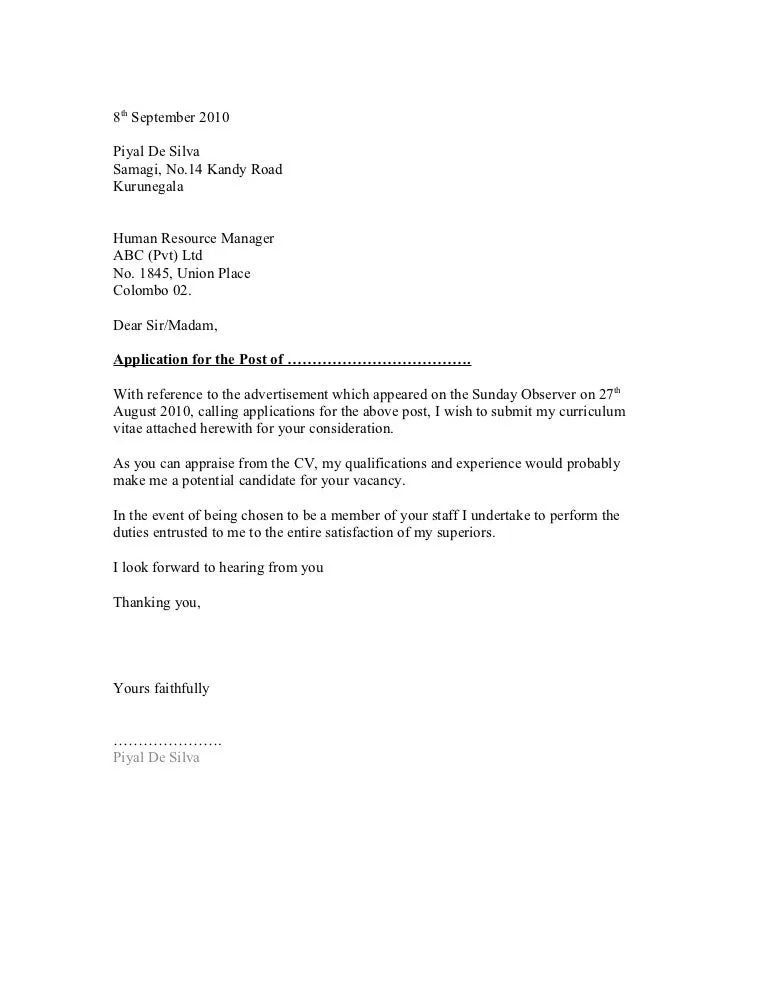
The Power of a Cover Letter
In the competitive landscape of job applications, a well-crafted cover letter can be your secret weapon. It’s your first introduction to a potential employer, and it’s a chance to make a lasting impression that goes beyond your resume. A strong cover letter allows you to showcase your personality, passion, and unique qualifications, setting you apart from other candidates. This document gives you the opportunity to tell a story, to explain why you are the perfect fit for the role and the company. It’s not just about repeating what’s on your resume it’s about weaving a narrative that captivates the reader and convinces them you are the right person for the job.
Why Cover Letters Still Matter
Despite the rise of online applications and resume databases, cover letters remain a crucial element of a successful job search. While some may view them as optional, a cover letter provides context and personality that a resume alone cannot convey. It’s a chance to address the specific needs of the employer, explain your career goals, and demonstrate your enthusiasm for the position. Recruiters often use cover letters to assess communication skills, attention to detail, and overall fit with the company culture. A well-written cover letter can significantly increase your chances of getting an interview and ultimately landing your dream job. In a world where first impressions are everything, your cover letter is your chance to shine.
Cover Letter Secrets Tip 1 Tailor to the Job

One of the biggest mistakes job seekers make is sending generic cover letters. To truly stand out, you must customize each cover letter to the specific job and company. Research the company, understand its mission, values, and recent news. Then, analyze the job description and identify the key skills and qualifications the employer is seeking. Use this information to tailor your letter, highlighting relevant experiences and accomplishments that directly address the job requirements. This personalized approach demonstrates your genuine interest in the role and your understanding of the company’s needs. It shows you’ve taken the time to learn about them and are not just sending out a mass application.
Research the Company
Before you start writing, dive deep into the company’s website, social media profiles, and recent press releases. Understand their products or services, their target audience, and their overall mission. Look for recent news or achievements that you can mention to show you’re informed and engaged. This research will help you tailor your letter, demonstrating your knowledge of the company and genuine interest in the opportunity. It also allows you to identify specific aspects of the company that resonate with you, enabling you to make a stronger connection and improve your chances of getting noticed.
Highlight Relevant Skills
Carefully review the job description and pinpoint the skills and qualifications the employer is looking for. Identify the experiences and accomplishments on your resume that directly align with these requirements. In your cover letter, provide specific examples of how you’ve used these skills to achieve results in previous roles. Quantify your achievements whenever possible (e.g., ‘Increased sales by 15%’ or ‘Managed a team of 10 employees’). This will show the employer you have the necessary skills and can deliver results. Focus on the most important skills and experiences that match the job to make a strong case for why you are the ideal candidate.
Cover Letter Secrets Tip 2 Show, Don’t Tell

Instead of simply stating that you possess certain skills, use your cover letter to demonstrate them through specific examples. Rather than saying you are a ‘good communicator,’ provide an instance where you effectively communicated to a team or solved a problem through communication. This approach adds credibility and makes your claims more impactful. Use action verbs to describe your achievements and responsibilities. Show, don’t tell, is a key principle to follow. It allows you to paint a picture of your abilities, making it easier for the employer to visualize you in the role and see your potential.
Use Action Verbs
Action verbs are your best friends when it comes to writing a compelling cover letter. They make your descriptions more vivid and dynamic. Start your sentences with strong action verbs like ‘managed,’ ’led,’ ‘developed,’ ‘achieved,’ ‘implemented,’ ‘coordinated,’ ‘created,’ or ‘resolved.’ These verbs instantly convey your accomplishments and responsibilities. For example, instead of writing ‘Responsible for customer service,’ write ‘Provided exceptional customer service by resolving issues and exceeding customer expectations.’ Action verbs provide a clear sense of your abilities and the impact you made in your previous roles.
Provide Specific Examples
Generic statements won’t impress anyone. To truly make an impact, back up your claims with concrete examples. When describing your skills or achievements, provide specific details about what you did, how you did it, and the results you achieved. For instance, if you are highlighting your ability to lead a team, mention a specific project where you led a team to success and the outcome achieved. Quantify your accomplishments whenever possible to show the impact you made. Specific examples add credibility to your claims and demonstrate your ability to perform the job effectively. It’s not just about saying you have a skill, it is about showing that you can use it.
Cover Letter Secrets Tip 3 Focus on the Employer

A cover letter should not be solely about you. It’s crucial to shift the focus to the employer and their needs. Demonstrate that you understand the company’s goals and how your skills and experience align with their requirements. Show how you can contribute to their success and what value you bring to the table. This approach proves that you’ve done your research and are genuinely interested in helping the company achieve its objectives. A cover letter that demonstrates your understanding of the employer’s needs and how you can contribute is much more likely to grab attention.
Address Their Needs
Carefully read the job description to understand the specific needs and challenges the employer is facing. Then, address these needs directly in your cover letter. Highlight the skills and experiences that make you uniquely qualified to solve their problems or help them achieve their goals. Show how you can contribute to their success and what value you bring to the table. It is the most effective way to demonstrate that you understand the role and are genuinely interested in helping the company achieve its objectives. Showing a proactive approach towards their needs will distinguish you from other applicants.
Demonstrate Your Understanding
Show the employer that you understand their business, their industry, and the specific requirements of the job. Use language and terminology that reflects your knowledge and insight. Mention the company’s products or services, their target market, and their competitors. Research the company’s current projects or initiatives and reference them in your letter. The goal is to show that you’ve done your homework and are ready to hit the ground running. Demonstrating your understanding of the employer demonstrates your level of interest and preparedness.
Cover Letter Secrets Tip 4 Perfect Your Formatting

The appearance of your cover letter is just as important as the content. A well-formatted letter is easy to read and conveys professionalism. Choose a clean, professional font and use clear headings and spacing to break up the text. Avoid cluttering your letter with excessive information. Keep it concise and to the point, while still providing enough detail to make a strong impression. The way your cover letter looks can be a reflection of your work ethic. A well-formatted letter demonstrates attention to detail and respect for the reader’s time.
Choose a Professional Font
Select a font that is easy to read and conveys professionalism. Common choices include Arial, Times New Roman, Calibri, and Helvetica. Avoid using overly stylized or decorative fonts, as they can be distracting and difficult to read. Stick to a font size between 10 and 12 points, and ensure the font is consistent throughout the entire document. Choosing the right font is a subtle yet crucial element of a great cover letter. Using the right font can make your cover letter look more inviting and professional.
Keep it Concise
Recruiters and hiring managers are often busy. They don’t have time to read long, rambling cover letters. Aim for a cover letter that is concise, typically one page in length. Focus on the most important information and avoid unnecessary details. Use clear, concise language and break up long blocks of text with headings, bullet points, and white space. Keeping your cover letter concise ensures that the key points don’t get lost. A concise cover letter is more likely to be read and remembered.
Cover Letter Secrets Tip 5 Proofread Meticulously

Before submitting your cover letter, proofread it carefully for any errors in grammar, spelling, and punctuation. Mistakes can undermine your credibility and make you look careless. Read your letter aloud to catch any awkward phrasing or inconsistencies. Have a friend or family member review your letter to provide a fresh perspective. Proofreading is an essential step in creating a cover letter that impresses. A flawless cover letter demonstrates attention to detail and shows that you care about presenting your best self.
Check for Grammatical Errors
Grammatical errors can distract from your message and make you appear unprofessional. Before submitting your cover letter, carefully review it for any grammatical mistakes. Pay close attention to subject-verb agreement, tense consistency, and the use of correct punctuation. Use a grammar checker, but don’t rely on it entirely. Sometimes, a computer program might miss subtle errors. Reading your cover letter aloud will help you identify any awkward phrasing or unclear sentences. Ensuring grammatical accuracy shows attention to detail and commitment to professionalism.
Ensure Proper Structure
Ensure your cover letter has a clear and logical structure. It should begin with a professional heading, followed by a compelling introduction, a body that highlights your skills and experiences, and a strong conclusion. Each section should be well-organized with clear headings and concise paragraphs. Make sure the formatting is consistent throughout the document, and use proper spacing between paragraphs. A well-structured cover letter is easy to read and makes a positive impression on the reader. Proper structure enhances the flow of your cover letter, making it easier for the hiring manager to understand your qualifications and qualifications.