Cover Letter Secrets Why They Matter
In the competitive world of job applications, a cover letter can be your secret weapon. It’s not just a formality; it’s your chance to make a strong first impression and set yourself apart from the competition. For experienced professionals, a well-crafted cover letter is even more critical. It allows you to showcase your accomplishments, demonstrate your understanding of the role, and articulate why you’re the ideal candidate. Ignoring the power of a cover letter is a missed opportunity to highlight your unique value proposition and significantly increase your chances of landing an interview. A cover letter is a direct line to the hiring manager’s desk, and using it wisely can transform your job search results.
Understanding Cover Letter Fundamentals
Before diving into the secrets, let’s review the basics. A cover letter is a one-page document that accompanies your resume. Its primary purpose is to introduce you to the hiring manager, explain why you’re interested in the position, and highlight your relevant skills and experience. Unlike your resume, which provides a factual overview of your career, the cover letter gives you the opportunity to tell your story, connect your experience to the specific job requirements, and express your enthusiasm for the opportunity. Understanding these fundamentals is vital to building an effective and compelling letter, showcasing the best version of you to the potential employer.
Cover Letter Structure

A well-structured cover letter follows a logical flow. This not only makes it easier to read, but it also helps you present your information in a clear and compelling way. The standard structure includes a header, a personalized greeting, an introduction, body paragraphs, a closing paragraph with a call to action, and a professional closing. Each section serves a specific purpose, and how you structure and write it can determine whether a hiring manager will continue to read or move onto the next application. Maintaining a strong structure ensures your message is conveyed effectively and professionally.
Header Essentials
Your header sets the tone for the entire letter. It should include your contact information (name, phone number, email, and LinkedIn profile URL). It’s also important to include the date and the recipient’s contact information (hiring manager’s name, title, and company address, if available). Precision is key, especially when addressing your potential employer, as it adds an air of professionalism and attention to detail. Always ensure all information is current and accurate.
Personalization & Professionalism
A generic cover letter screams ‘mass application.’ Personalization is crucial. Address the hiring manager by name whenever possible. If you cannot find a name, address your letter to ‘Dear Hiring Manager’ and demonstrate in the body of your letter that you’ve researched the company and the role. Moreover, maintain a professional tone throughout. Use formal language, avoid slang, and proofread carefully for any typos or grammatical errors. Your cover letter is a reflection of your work ethic.
The Body Paragraphs Crafting Your Narrative

The body paragraphs are where you make your case. This is where you connect your skills and experience to the job requirements. Begin by stating why you are excited about the role and the company. Then, use specific examples from your career to demonstrate how your skills and experiences align with the job description. Focus on the most relevant accomplishments, and provide quantifiable results whenever possible. Each paragraph should serve a purpose in supporting your overall argument.
Highlighting Achievements (Don’t Just List)
Avoid simply repeating your resume. Instead, highlight your most significant achievements. Use the STAR method (Situation, Task, Action, Result) to structure your examples. Describe the situation or challenge you faced, the task you undertook, the specific actions you took, and the positive results you achieved. This method helps to paint a vivid picture of your skills in action and showcases your ability to deliver results. The use of the STAR method is a simple yet highly effective tool to elevate your cover letter.
Quantifying Your Impact
Whenever possible, quantify your achievements. Instead of saying ‘Improved sales,’ say ‘Increased sales by 15% in one year.’ Numbers and data make your accomplishments more concrete and demonstrate your ability to drive results. Provide specific metrics, percentages, or dollar amounts to showcase your impact. Quantifiable data is far more persuasive than vague statements. It demonstrates a real-world impact, and it makes you look like a highly effective professional, ready to deliver.
Showcasing Skills & Experience

Carefully review the job description and identify the key skills and experiences the employer is seeking. Then, in your cover letter, specifically mention how your skills and experiences align with those requirements. Use keywords from the job description, but do not overuse them. Instead, weave these keywords naturally into your narrative, using relevant examples to illustrate your capabilities. Tailoring your letter to each job helps to demonstrate your interest and that you understand the role and the needs of the company.
Tailoring to the Job Description
Never use a generic cover letter. Always customize your letter to each specific job application. Research the company and the role thoroughly. Address the specific requirements of the job description, and show how your skills and experiences align with what the employer is looking for. If possible, mention specific projects or initiatives that resonate with the company’s goals. A tailored cover letter shows the hiring manager that you’ve taken the time to understand the role and are genuinely interested in the opportunity.
The Closing Paragraph Making a Lasting Impression
Your closing paragraph should summarize your interest in the role and reiterate your qualifications. Reiterate your enthusiasm, and express your confidence that you would be a good fit for the role. Thank the hiring manager for their time and consideration. Keep it concise and professional, and avoid any negativity or apologies. This final paragraph is the last impression you leave, and should be a reminder of your strengths.
Call to Action Next Steps

Always include a clear call to action. State your availability for an interview and express your eagerness to discuss your qualifications further. Provide your contact information again, or remind them of it. It’s a good idea to follow up with a thank you email if you don’t hear back after a week or two, but never make demands. Make it easy for the hiring manager to contact you and take the next step.
Cover Letter Secrets Common Mistakes to Avoid
Even the best cover letters can be ruined by common mistakes. Avoid these pitfalls to make sure your application stands out for the right reasons.
Generic Language & Lack of Specificity
Generic cover letters are easily dismissed. Avoid using vague phrases or generic language that could apply to any job. Tailor your letter to the specific role, and provide concrete examples to support your claims. The most successful cover letters are ones that can highlight what makes you unique, providing specific information related to the role and showing that you’ve done your research.
Typos & Grammatical Errors

Typos and grammatical errors are a sign of carelessness and can instantly disqualify your application. Proofread your cover letter carefully, and consider asking a friend or colleague to review it as well. Use spell-check and grammar-check tools, but don’t rely on them entirely. Accuracy is key. A mistake-free cover letter is a mark of a meticulous and detail-oriented professional.
Ignoring the Company Culture
Research the company’s culture and values and tailor your cover letter accordingly. If the company values innovation, highlight your innovative achievements. If it values teamwork, provide examples of your collaborative efforts. Demonstrating an understanding of the company culture shows that you would be a good fit. If you are familiar with their culture, your cover letter will be better received and make a strong first impression.
Cover Letter Secrets Advanced Strategies
Beyond the basics, some advanced strategies can elevate your cover letter and increase your chances of getting hired.
Keyword Optimization

Many companies use Applicant Tracking Systems (ATS) to screen resumes and cover letters. Optimize your cover letter by using keywords from the job description, but do so naturally. Read the job description carefully, and incorporate the most important keywords into your writing. Keyword optimization helps you get past the ATS and ensures that your application reaches the human eye.
Using Action Verbs
Start your bullet points and descriptions with strong action verbs. This will make your cover letter more dynamic and engaging. Action verbs like ‘achieved,’ ‘managed,’ ’led,’ ‘developed,’ and ‘implemented’ help to highlight your accomplishments. Choosing dynamic action verbs is a key aspect of making your experience stand out and showcasing your skills. Your accomplishments will be very impactful.
Formatting & Design
While the content is most important, the formatting and design of your cover letter can also influence its impact. Use a clean and professional font, such as Times New Roman or Arial, and maintain consistent formatting throughout. Make sure that your cover letter is easy to read. Use headings and subheadings to break up large blocks of text, and use bullet points to highlight key accomplishments. A well-designed cover letter is more visually appealing and makes a positive impression.
Cover Letter Secrets Samples & Templates
Looking at samples and using templates can provide a helpful starting point, but always customize them to fit your specific needs and the job requirements. This approach enables you to learn what works in different situations and how to tailor the templates to reflect your unique strengths and experience.
Cover Letter Sample Experienced Professional
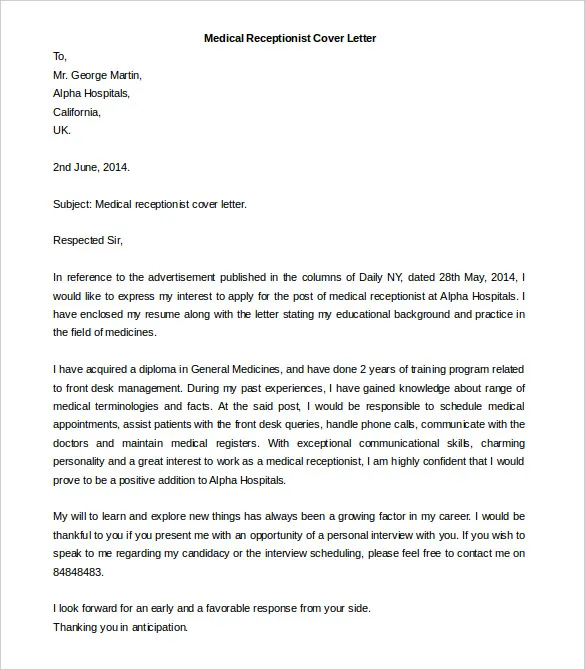
Here is a basic sample cover letter format that can provide some guidance to create your own. Remember to tailor it to each job! [Insert a brief sample cover letter here - adapt as needed, replacing the sample with a relevant format].
Adaptability
Demonstrate your ability to adapt to new situations. In the body of your letter, include relevant examples that showcase your ability to adapt to a new workplace or type of project, and show that you’re comfortable with learning new things and overcoming challenges.
Cover Letter Sample Industry Specific
Adapt your cover letter to industry-specific standards. Look for existing templates or cover letter examples that suit the type of industry you’re targeting to guide you in the right direction, especially regarding terminology and layout. This demonstrates your awareness of industry expectations.
Marketing
Your cover letter is a marketing document. Your resume and cover letter together should present you in the best light possible. Carefully consider how to express your unique value proposition. Focus on your most significant achievements and show the hiring manager how you would benefit the company. Be certain to highlight all your relevant skills and experience.
Cover Letter Sample Entry Level to Experienced
The structure and focus of your cover letter will vary depending on your experience level. If you’re an entry-level candidate, focus on your education, relevant coursework, and any internships or volunteer work. If you’re an experienced professional, highlight your accomplishments, quantifiable results, and leadership skills. Always tailor the letter to suit your background.
Sales
Your cover letter is essentially selling your skills and experience. Approach it with that mindset. Make sure that you express your value, explain your qualifications and skills, and sell yourself effectively. Be sure to provide information that convinces the reader you are the best candidate for the job.