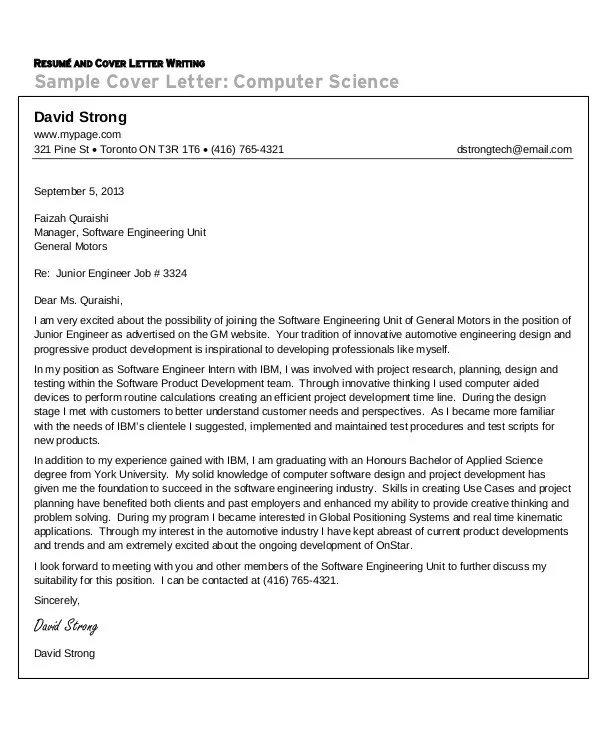
The Importance of a Cover Letter for Engineers
In the competitive field of engineering, a well-crafted cover letter is your first opportunity to make a strong impression on potential employers. It’s not merely a formality but a crucial tool that complements your resume and provides a deeper insight into your qualifications, experience, and personality. A compelling cover letter can set you apart from other applicants and increase your chances of securing an interview, ultimately leading to your dream job. Ignoring this important document is a missed opportunity. An exceptional cover letter bridges the gap between your resume and the hiring manager, showcasing your unique value proposition as an engineer.
Why a Cover Letter Matters
Your cover letter serves as a narrative, offering context to your resume. While your resume lists your skills and accomplishments, your cover letter explains how those skills and experiences align with the specific requirements of the job and the values of the company. It demonstrates your communication skills, attention to detail, and enthusiasm for the position. Moreover, a cover letter allows you to address any potential concerns or gaps in your resume, such as career transitions or employment gaps. It gives you a chance to highlight your passion for engineering and your genuine interest in the company, going beyond a simple listing of your qualifications. It is your chance to demonstrate your unique value and distinguish yourself from the competition.
Highlighting Your Engineering Skills

The core of your cover letter should focus on highlighting your engineering skills. Think beyond simply listing your abilities; instead, showcase how you’ve applied them to solve problems and achieve results. Use specific examples from your past projects, internships, or previous roles to illustrate your expertise. Quantify your achievements whenever possible, using metrics and data to demonstrate the impact of your work. Focus on the skills that are most relevant to the job description. Use keywords from the job posting, mirroring the language used in the description to show that you are a good fit. Don’t just list your skills; provide concrete examples and achievements to give context and value to your capabilities.
Showcasing Technical Expertise
Technical expertise is at the heart of engineering. In your cover letter, provide specific examples of your technical skills in action. Detail your proficiency with specific software, tools, and technologies relevant to the role. Mention any specialized knowledge or certifications you possess. If you have experience in a particular area of engineering, such as mechanical design, software development, or civil infrastructure, make sure to highlight those skills. Emphasize your understanding of engineering principles and your ability to apply them effectively. For example, if you designed a new system, explain the tools, and technologies you used, how you solved any challenges, and the impact of your design.
Demonstrating Problem-Solving Abilities
Engineers are problem-solvers, so your cover letter should demonstrate this core skill. Describe how you have identified, analyzed, and resolved complex engineering challenges. Explain the methodologies you used, the steps you took, and the results you achieved. Provide examples of projects where you overcame obstacles or found innovative solutions. Showcase your critical thinking skills, your ability to analyze data, and your resourcefulness in finding solutions. Highlight your ability to work through complex issues and think creatively. Emphasize how you approached problems, the tools and techniques you used, and the impact your problem-solving had on the project or organization. Refer to image engineer-problem-solving.webp
Tailoring Your Cover Letter to the Job

A generic cover letter is a surefire way to get your application tossed aside. Tailoring your cover letter to each specific job application is essential. Begin by carefully reviewing the job description and identifying the key skills, experience, and qualifications the employer is seeking. Then, customize your letter to align with those requirements. Use the language used in the job description, and emphasize the skills and experiences that directly match the role. Demonstrate your understanding of the company’s values and mission. Refer to image engineer-company-research.webp. Don’t just state that you meet the requirements; show how your qualifications make you a strong fit for the specific role and company. Mention specific projects or experiences from your past that directly align with the requirements of the job.
Researching the Company and Role
Before you write your cover letter, conduct thorough research on the company and the specific role. Visit the company’s website, read industry news, and understand its mission, values, and recent projects. This research will help you tailor your letter and show that you are genuinely interested in the company. Identify the key challenges and opportunities facing the company and explain how your skills can contribute to its success. Research the team or department you would be joining, and tailor your letter to show how you would fit into their environment. Personalize your cover letter by mentioning specific projects or initiatives the company is involved in. Show you are truly interested and have taken the time to learn about the organization.
Addressing Specific Requirements and Keywords
Many companies use Applicant Tracking Systems (ATS) to screen applications. To ensure your cover letter gets noticed, make sure it includes relevant keywords from the job description. Carefully read the job posting and identify the key skills, technologies, and qualifications the employer is seeking. Then, strategically incorporate those keywords throughout your cover letter. However, avoid keyword stuffing. Use the keywords naturally within the context of your writing. Refer to image engineer-skills-keywords.webp. Show that you understand the requirements and can apply your skills and experience. Tailoring your letter to the job’s requirements ensures your qualifications are clearly conveyed to the hiring manager.
Structuring Your Engineer Cover Letter for Success

A well-structured cover letter is essential for making a positive impression. Your letter should be clear, concise, and easy to read. Use a professional format, with clear headings, paragraphs, and a logical flow of information. Keep your paragraphs short and focused, and use strong action verbs to describe your accomplishments. Avoid jargon and overly complex language. The structure includes an opening, a body that showcases your value, and a closing that reinforces your interest. Refer to image engineer-cover-letter-structure.webp. A well-organized cover letter shows your attention to detail and your ability to communicate effectively.
The Opening Paragraph: Grab Their Attention
The opening paragraph is your first chance to grab the hiring manager’s attention. Start with a strong, concise statement that immediately conveys your interest in the position and the company. Mention where you saw the job posting and why you are excited about the opportunity. You can also briefly highlight your most relevant qualifications or a key achievement. Make sure your opening paragraph is engaging and makes the reader want to learn more. It sets the tone for the rest of your cover letter. Demonstrate your genuine interest from the start and highlight your enthusiasm for the specific opportunity.
The Body Paragraphs: Show, Don’t Just Tell
The body of your cover letter is where you showcase your skills, experience, and qualifications in detail. Instead of simply listing your skills, provide specific examples of how you have used them to achieve results. Use the STAR method (Situation, Task, Action, Result) to describe your accomplishments. For each example, explain the situation or project context, the task you were responsible for, the actions you took, and the results you achieved. Quantify your achievements whenever possible using metrics, data, and numbers to demonstrate the impact of your work. The use of the STAR method makes your experience more concrete and compelling.
The Closing Paragraph: Call to Action

Your closing paragraph should reiterate your interest in the position and the company. Summarize your key qualifications and why you are a good fit for the role. Express your enthusiasm for the opportunity and your desire to discuss your qualifications further. Include a call to action, such as requesting an interview or expressing your availability for a call. Make sure your closing is professional and shows that you are eager to move forward in the hiring process. Make it a direct and clear request for the next step in the application process.
Key Skills and Keywords to Include
Identifying the right skills and keywords is essential for crafting a compelling cover letter. Tailor your skills and keywords to the specific job description. Use the job posting as your guide. Highlight your technical skills, such as programming languages, software proficiency, and engineering tools. Also, showcase your soft skills, such as problem-solving, communication, and teamwork. Use the keywords found in the job description. Show that you have the necessary skills and expertise. Refer to image engineer-skills-keywords.webp.
Technical Skills to Showcase
Technical skills are the cornerstone of any engineering role. Make sure to emphasize your proficiency with relevant technologies, tools, and software. List any programming languages you know and any specific software or tools. Detail your experience with design software. If you have specialized knowledge in a particular area of engineering, such as CAD, simulation, or data analysis, highlight it prominently. Use concrete examples. Demonstrate your experience and achievements. Showcase your technical expertise to highlight your value.
Soft Skills for Engineering Roles

While technical skills are essential, employers also value soft skills. These include your ability to communicate effectively, work in teams, and solve problems creatively. Highlight your communication skills, both written and verbal. Mention any experience you have with project management. Showcase your leadership abilities. Soft skills enhance your ability to work with others and contribute to a team. Show your understanding and abilities beyond the technical aspects of the job.
Formatting and Presentation Tips
The format and presentation of your cover letter are critical. Use a professional and easy-to-read format. The layout should be clean, and your letter should be free of errors. Pay close attention to the font, spacing, and overall design. Refer to image engineer-formatting-tips.webp. Make sure your cover letter reflects your attention to detail.
Formatting Your Cover Letter Professionally
Choose a professional and easy-to-read font, such as Times New Roman, Arial, or Calibri. Use a font size between 10 and 12 points. Maintain consistent spacing throughout your letter. Use single-spacing within paragraphs and double-spacing between paragraphs. Use clear headings and bullet points to break up the text. Ensure that your formatting is consistent. Your cover letter is a reflection of your ability to communicate professionally.
Proofreading and Editing Your Cover Letter

Proofreading is the most important part of the process. Always proofread your cover letter carefully for typos, grammatical errors, and punctuation mistakes. It is important to have a clear and professional cover letter. Read your letter aloud to catch any awkward phrasing. Consider asking a friend, family member, or career advisor to review your letter for you. Make sure your cover letter is error-free before you submit it.
Common Mistakes to Avoid
Avoid these common pitfalls to ensure your cover letter is effective. Making these mistakes can significantly decrease your chances of getting an interview. Avoid these errors to show yourself in the best possible light.
Generic Cover Letters
Generic cover letters are a major turnoff for hiring managers. Avoid using the same cover letter for every job application. Tailor your cover letter to each specific job. It can show your enthusiasm for the specific role and your understanding of the company’s needs. Personalize your cover letter to show the hiring manager that you have taken the time to understand the opportunity.
Typos and Grammatical Errors

Typos and grammatical errors can make a negative impression. Always proofread your cover letter carefully. Errors can make you seem inattentive. They can detract from your overall qualifications. Make sure your writing is polished. Errors can undermine your credibility.
Overusing Technical Jargon
While it’s important to showcase your technical skills, avoid overusing technical jargon. If you use technical terms, make sure they are relevant and that you explain them in a way that is easy to understand. Focus on communicating your accomplishments clearly. Tailor your language to your audience. Ensure your cover letter is accessible and engaging.
Examples of Effective Cover Letters for Engineers
Reviewing examples of effective cover letters can provide valuable insights into structure, content, and tone. Pay attention to how the applicants highlight their skills and experience, and how they tailor their letters to the specific job. Use these examples as inspiration for your own cover letter. Refer to image engineer-cover-letter-examples.webp.
Mechanical Engineer Cover Letter Example
A mechanical engineer cover letter should highlight experience with design, analysis, and manufacturing. Include specific projects and quantifiable results, focusing on the tools and techniques you’ve used. Tailor your letter to the role. Mention any industry-specific knowledge. Showcase experience with CAD software. Demonstrate your understanding of mechanical engineering principles.
Software Engineer Cover Letter Example
A software engineer cover letter should highlight your programming skills, experience with specific languages, and any contributions to software development projects. Quantify your achievements. Mention the tools you used and what results they produced. Include examples of how you solved problems. Demonstrate your understanding of software development principles.
Civil Engineer Cover Letter Example
A civil engineer cover letter should focus on your experience with infrastructure projects, design, and construction. Highlight projects. Mention the software you used. Quantify your results. Demonstrate your understanding of civil engineering principles.
Tips for Different Engineering Disciplines
Different engineering disciplines require different skill sets and experiences. Tailor your cover letter to the specific requirements of your field. Whether you’re applying for a mechanical, software, civil, or any other engineering role, adapt your cover letter to showcase your relevant skills and experience. Emphasize the skills most relevant to the field.
Cover Letter for Entry-Level Engineers
Entry-level engineers should focus on highlighting their education, internships, and any projects. Emphasize coursework. Mention your experience with relevant software. Highlight your interest in the specific field. Demonstrate your enthusiasm for learning and your willingness to contribute to a team. If you have limited professional experience, focus on your academic achievements.
Cover Letter for Experienced Engineers
Experienced engineers should focus on their achievements, the impact of their work, and their leadership abilities. Quantify your results using data. Showcase any experience in management or team leadership. Highlight how you have contributed to project success. If you have experience in a specific industry, highlight that as well. Emphasize the impact of your work and your ability to drive results.
Cover Letter for Senior Engineers
Senior engineers should focus on their leadership skills, strategic thinking, and their ability to drive innovation. Showcase your experience in leading teams and managing projects. Highlight your technical expertise. Quantify your achievements and showcase your ability to solve complex problems. Demonstrate how you contribute to the overall success of the company.
Final Thoughts and Next Steps
Writing a compelling cover letter is a critical step in the job application process for engineers. Take the time to research the company, tailor your letter to the specific job, and highlight your skills and experience. By following these secrets, you can create a cover letter that grabs the hiring manager’s attention and helps you land your dream job. It’s also a good idea to get feedback. Having a well-written cover letter is a major step toward your career goals. The cover letter is the key to getting you an interview.