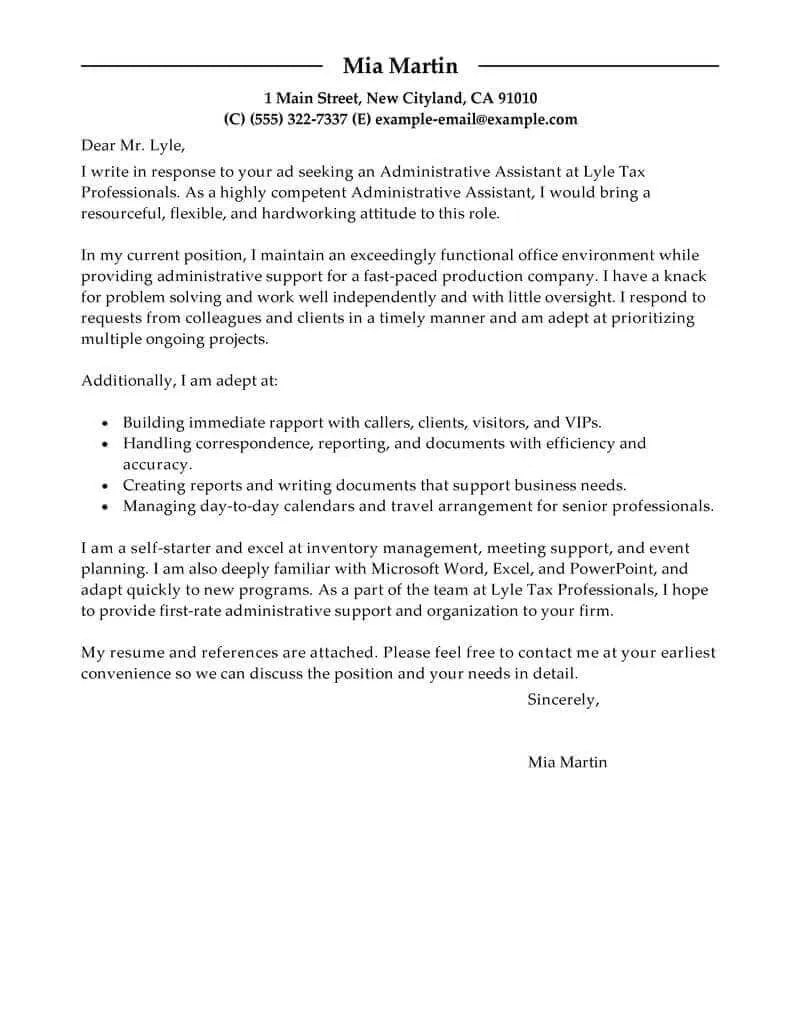
What is a Cover Letter and Why Is It Important?
A cover letter is a crucial document that accompanies your resume when applying for a job. It serves as an introduction to your application, allowing you to highlight your key skills, experiences, and personality in a way that a resume alone cannot. Unlike a resume, which provides a factual overview of your qualifications, a cover letter allows you to tell your story and express your enthusiasm for the specific role and company. In the competitive job market, a well-crafted cover letter can significantly increase your chances of getting noticed by hiring managers and securing an interview. It demonstrates your interest in the position and shows that you’ve taken the time to understand the company’s needs and how you can contribute to their success.
Key Components of a Cover Letter
A successful cover letter consists of several key components that work together to create a compelling narrative. These elements include a professional header with your contact information, a personalized salutation addressing the hiring manager, a captivating introduction that grabs the reader’s attention, the main body where you showcase your skills and experience, and a strong closing that reiterates your interest and calls for action. Each section plays a vital role in conveying your qualifications and persuading the reader to consider your application. Paying attention to these components ensures that your cover letter effectively communicates your value proposition and aligns with the employer’s requirements. Each component should be clear, concise, and tailored to the specific job application.
Header and Contact Information

Your header should include your full name, address, phone number, and email address. Ensure your contact information is current and easily accessible. This information should be consistently formatted and appear at the top of your cover letter, making it easy for the hiring manager to contact you. The header provides a professional introduction and establishes your identity. Using a clear and legible font ensures that the header is both aesthetically pleasing and functional. Consider using a slightly larger font size for your name to make it stand out. Accuracy is critical, so double-check all details before submitting your letter.
The Salutation Addressing the Hiring Manager
The salutation is your initial greeting and sets the tone for your letter. Ideally, address the hiring manager by name. Research the company and position to find out the correct name and title. If the name is unavailable, use a professional alternative like “Dear Hiring Manager.” Avoid generic greetings such as “To Whom It May Concern.” Personalizing the salutation shows that you have taken the time to research and are genuinely interested in the opportunity. A well-crafted salutation immediately engages the reader and signals your attention to detail. It sets a professional and respectful tone from the start, which is essential for making a positive first impression.
The Introduction Hooking the Reader
The introduction is your chance to grab the reader’s attention. Clearly state the position you are applying for and how you found the opportunity. Briefly mention your key qualifications and express your enthusiasm for the role and the company. The introduction should be concise and engaging, immediately highlighting your value proposition. Consider starting with a strong opening statement, such as a brief story or a significant achievement that relates to the job requirements. The goal is to capture the hiring manager’s interest and encourage them to read the rest of your letter. Keep it brief, impactful, and tailored to the specific job.
Highlighting Your Skills and Experience

The body of your cover letter is where you showcase your skills and experience. Align your qualifications with the job description’s requirements, providing specific examples of how you have demonstrated these skills in previous roles. Use the STAR method (Situation, Task, Action, Result) to structure your accomplishments, offering a clear and concise narrative. Tailor your examples to the company’s needs, emphasizing how your skills and experience align with their objectives. Support your claims with quantifiable achievements whenever possible. This section should convince the hiring manager that you possess the required capabilities and have a proven track record of success in relevant areas. Focus on the most relevant experiences and skills, ensuring a clear and compelling message.
Tailoring Your Cover Letter
Tailoring your cover letter to each specific job application is crucial for demonstrating your genuine interest and suitability. Research the company and the role to understand their needs, values, and requirements. Use the job description as a guide to identify the key skills and qualifications the employer is seeking. Customize your letter by highlighting the specific experiences and skills that align with these requirements. Show that you understand the company’s mission and how your skills can contribute to their success. Generic cover letters can quickly get dismissed. Personalized letters show that you’ve invested time and effort in the application, making you a more attractive candidate.
Matching the Job Description
Carefully review the job description and identify the essential qualifications and responsibilities. Your cover letter should directly address these requirements, demonstrating how your skills and experiences meet the employer’s needs. Use the same keywords and phrases from the job description when possible, but ensure that your writing remains natural and authentic. Provide specific examples of your achievements and how you have successfully performed similar tasks in the past. Demonstrating a clear match between your skills and the job requirements increases your chances of getting an interview. Pay attention to both the hard skills (technical abilities) and the soft skills (interpersonal and communication skills) mentioned in the description.
Quantifying Achievements with Numbers

Whenever possible, quantify your achievements to provide concrete evidence of your accomplishments. Use numbers, percentages, and data to illustrate the impact of your work. Instead of stating, “Improved customer satisfaction,” write “Increased customer satisfaction by 20% through implementing a new feedback system.” Quantifiable results make your claims more compelling and demonstrate the value you can bring to the role. Metrics help employers understand the tangible benefits of your skills and experience. Including specific numbers and data strengthens your cover letter and showcases your ability to achieve measurable results. Always ensure that your data is accurate and relevant to the job requirements.
Showcasing Your Personality and Enthusiasm
A cover letter is an opportunity to showcase your personality and enthusiasm for the position and company. Write in a professional yet approachable tone that reflects your authentic self. Express your genuine interest in the role and company. Mention specific aspects of the company that appeal to you, and demonstrate your understanding of their mission and values. Let your passion shine through by highlighting what motivates you and what you enjoy about your field. Balancing professionalism with your personality helps you stand out from other applicants and creates a memorable impression. However, avoid being overly casual or informal; maintain a professional demeanor throughout.
The Closing Call to Action
The closing of your cover letter should reiterate your interest in the position and clearly state your call to action. Express your eagerness to discuss your qualifications further and thank the hiring manager for their time and consideration. State your availability for an interview and how you can be contacted. End with a professional closing such as “Sincerely” or “Best regards,” followed by your full name. A strong closing reinforces your enthusiasm and encourages the hiring manager to take the next step, ultimately increasing your chances of getting an interview. Make sure that your contact information is readily available for them to contact you.
Proofreading and Formatting for a Professional Look

Proofreading is a critical step in ensuring your cover letter is free of errors. Carefully review your letter for any grammatical errors, spelling mistakes, and punctuation issues. Consider using grammar checking tools and asking a friend or colleague to review your letter. Formatting plays an important role in making your cover letter visually appealing and easy to read. Use a professional font like Times New Roman, Arial, or Calibri, and maintain a consistent font size. Use clear headings and subheadings to organize your content. Ensure that your letter has adequate margins and spacing. A well-formatted and error-free cover letter demonstrates your attention to detail and professionalism.
Common Mistakes to Avoid
Several common mistakes can significantly hurt your chances of getting an interview. Avoid generic cover letters that are not tailored to the specific job. Do not use clichés or overly formal language. Ensure your letter is free of typos, grammatical errors, and punctuation mistakes. Avoid providing too much or too little information; keep your letter concise and focused on the most relevant details. Never include negative information about previous employers or jobs. Avoid exaggerating your skills or experience. Failing to address the job requirements and not including a call to action. By avoiding these common pitfalls, you can significantly improve the effectiveness of your cover letter.
Length and Tone
Keep your cover letter concise and to the point, ideally within one page. Maintain a professional and enthusiastic tone throughout the letter. While showcasing your personality is important, avoid using slang, jargon, or overly casual language. The tone should reflect your professionalism and your genuine interest in the role. Maintain a positive and confident attitude, emphasizing your skills and experience. Tailor your tone to the company’s culture if you have that insight. Balancing professionalism and enthusiasm creates a positive impression and helps you stand out to the hiring manager.
Generic vs. Personalized Letters

Generic cover letters, which are not tailored to specific jobs, are unlikely to impress hiring managers. Always personalize your cover letter to each job you apply for. Tailoring demonstrates that you have taken the time to research the company and role, and that you are genuinely interested. Show that you understand the company’s needs and that your skills align with their requirements. Customize the introduction, highlight relevant skills, and use the same keywords from the job description. While it requires more effort, a personalized cover letter significantly increases your chances of getting an interview because it demonstrates your commitment and suitability.
Final Review Before Sending
Before submitting your cover letter, conduct a final review to ensure its quality and accuracy. Double-check all your contact information, including your name, address, phone number, and email address. Make sure your letter is free of typos, grammatical errors, and punctuation issues. Review your content for clarity, conciseness, and relevance to the job description. Ask a friend or career advisor to review your letter for feedback. This final check helps you catch any errors and ensures that your cover letter presents you in the best possible light. A well-reviewed cover letter demonstrates your attention to detail and professionalism.
Formatting Checklist
Use a professional font, such as Times New Roman, Arial, or Calibri. Maintain a consistent font size (typically 11 or 12 points). Use single spacing and a one-inch margin on all sides. Include a professional header with your contact information. Use clear headings and subheadings to organize your content. Ensure your letter fits on one page, unless otherwise specified by the employer. Format paragraphs consistently and use bullet points when appropriate. Ensure the letter is well-aligned and visually appealing. Following this formatting checklist ensures your cover letter is easy to read and professionally presented.
Ensuring Readability

Make your cover letter easy to read by using clear, concise language. Avoid long, complex sentences and jargon. Use active voice instead of passive voice to make your writing more direct and engaging. Break up large blocks of text with shorter paragraphs and bullet points. Use headings and subheadings to organize your content and guide the reader. Ensure that the font and formatting are easy on the eyes. Proofread carefully for any errors. Readable cover letters hold the reader’s attention and are more likely to be understood and appreciated. The goal is to effectively communicate your qualifications and create a positive impression.