Cover Letter Secrets Unveiled
In the competitive world of job applications, a well-crafted cover letter can be your golden ticket to landing an interview. It’s more than just a formality; it’s your opportunity to make a strong first impression, showcase your personality, and demonstrate why you’re the perfect fit for the role. This guide will unlock the secrets to writing a cover letter that grabs the attention of hiring managers and sets you apart from the competition. We’ll delve into the core components, from crafting a compelling opening to perfecting your closing, ensuring your application shines. Mastering these techniques is crucial for anyone serious about advancing their career and securing their dream job. Let’s embark on a journey to transform your cover letter from a mundane document into a powerful tool for career success.
Crafting a Compelling Cover Letter
The foundation of a successful cover letter lies in its structure and content. Begin by understanding the purpose of the letter: to introduce yourself and highlight how your skills and experiences align with the job requirements. Start with a professional format, including your contact information, the date, and the hiring manager’s details. The body of your letter should be concise and engaging, focusing on what you can offer the employer. Avoid generic phrases and clichés; instead, use specific examples to illustrate your accomplishments and demonstrate your value. Tailor each letter to the specific job and company, showcasing your genuine interest in the role. The compelling cover letter is a narrative a story that you’re the right candidate for the opportunity.
Highlighting Your Key Skills

A cover letter is your chance to shine the spotlight on your most relevant skills. Don’t just list your skills; provide context and examples of how you’ve used them to achieve results. Refer to the job description to identify the key skills the employer is seeking, and then craft your letter around these. For example, if the job requires strong communication skills, describe a situation where you effectively communicated complex information to a diverse audience. Quantify your achievements whenever possible; instead of saying “improved sales,” state “increased sales by 15% in six months.” By providing specific examples, you demonstrate your abilities and make your cover letter more credible and memorable. This will clearly showcase that you’ve understood the requirements and possess the abilities to thrive in the role.
Researching the Company
Before you even begin writing, research the company thoroughly. Understanding the company’s mission, values, and recent achievements will enable you to tailor your cover letter and demonstrate your genuine interest. Visit the company’s website, read their press releases, and check their social media profiles. Identify the company’s current challenges and opportunities, and then explain how your skills and experiences can help them succeed. Showing that you’ve taken the time to learn about the company demonstrates your initiative and enthusiasm. Incorporate this information into your letter to make it clear that you’re not just applying for any job, but specifically for this role at this company. Highlighting that you resonate with the company’s core values and goals can significantly boost your application.
Personalizing Your Cover Letter
Generic cover letters are easily dismissed. Personalize your letter to make it stand out from the crowd. Address the hiring manager by name, if possible; a simple Google search or LinkedIn check can often provide this information. Tailor your language and tone to match the company’s culture. Avoid using a one-size-fits-all template; each cover letter should be unique to the job and the company. Focus on the specific requirements of the role and explain how your skills and experiences align with them. This level of personalization shows that you’ve invested time and effort in your application, making you a more attractive candidate. Use the company’s name and any specific project names or initiatives they are involved with to add that personalized touch.
Cover Letter Formatting Tips

The appearance of your cover letter is just as important as its content. A well-formatted letter is easy to read and makes a professional impression. Use a clean, professional font, such as Arial or Times New Roman, in a readable size (11 or 12 points). Maintain consistent spacing and margins throughout the document. Break up long paragraphs into shorter ones to improve readability. Proofread your letter carefully for any grammatical errors or typos; these can undermine your credibility. Avoid using excessive bolding or underlining; instead, use these features sparingly to highlight key points. A well-formatted cover letter reflects attention to detail, a crucial trait that employers look for in a candidate. Ensure that it looks professional and is easy to read. Make sure it’s a clean document.
Writing a Strong Opening
Your opening paragraph is your first and often only chance to grab the reader’s attention. Start with a strong statement that immediately captures their interest. Avoid generic greetings like “Dear Sir/Madam.” Instead, try to address the hiring manager by name or, if that’s not possible, use a more engaging opening such as “I am writing to express my enthusiastic interest in the [Job Title] position at [Company Name].” Briefly mention where you saw the job posting and why you’re excited about the opportunity. Make sure your opening is concise, enthusiastic, and tailored to the specific job. The goal is to make the reader want to continue reading and learn more about you. Make it easy to want to know more.
Demonstrating Your Value
The body of your cover letter should focus on demonstrating your value to the employer. Explain how your skills and experiences align with the job requirements, using specific examples to illustrate your achievements. Quantify your accomplishments whenever possible; use numbers and data to show the impact you’ve made in previous roles. Tailor your letter to the specific requirements of the job description; highlight the skills and experiences that are most relevant. Show, don’t just tell; instead of simply stating that you’re a good team player, describe a situation where you successfully collaborated with others to achieve a common goal. Focus on what you can bring to the company, and explain how you can help them achieve their objectives. Demonstrate your problem-solving skills. Show how you’re different.
Cover Letter Closing Strategies

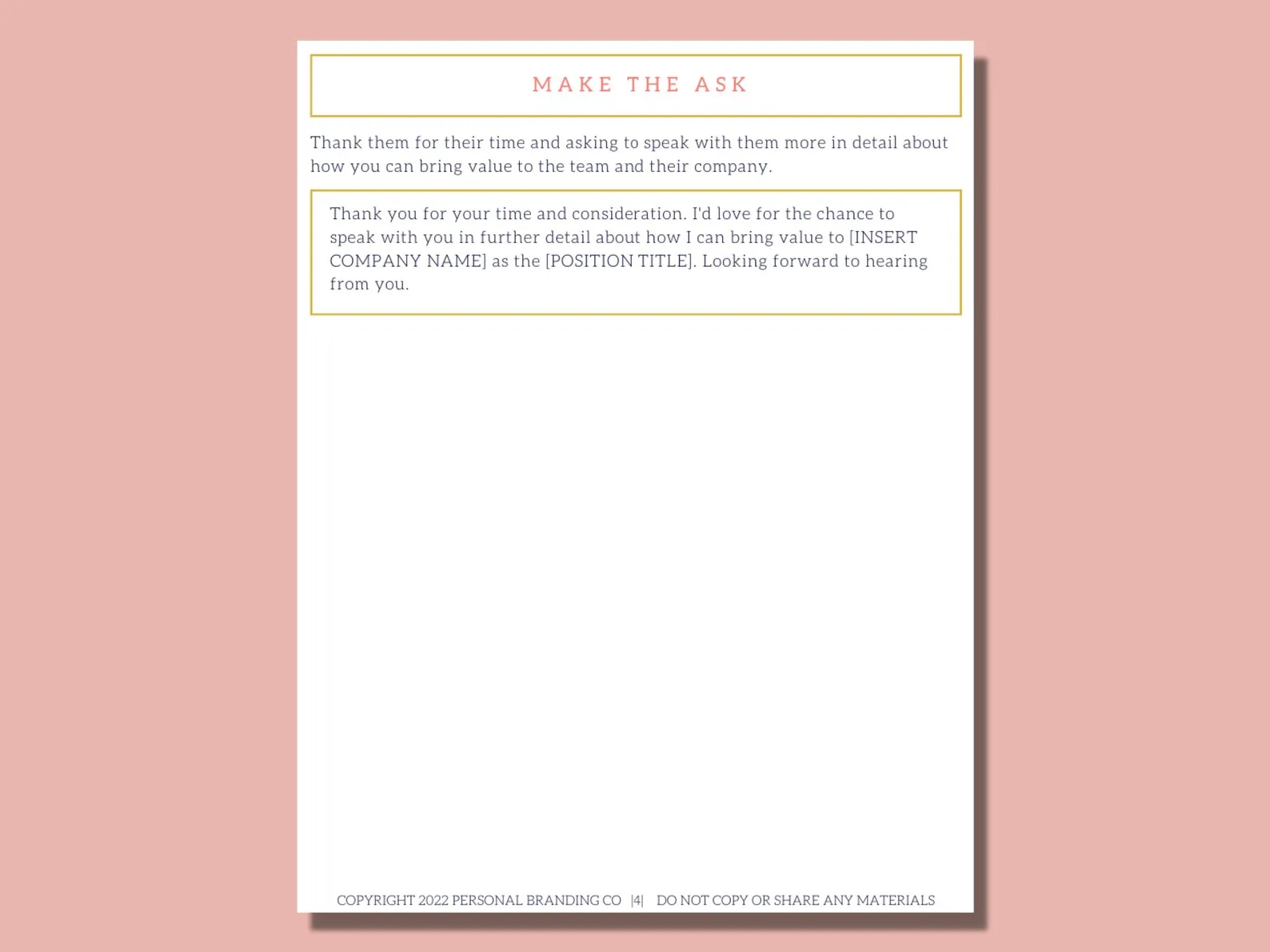
Your closing paragraph is your final opportunity to leave a positive impression. Reiterate your interest in the position and thank the hiring manager for their time and consideration. Express your enthusiasm for the opportunity to learn more about the role and the company. End with a clear call to action, such as “I look forward to hearing from you soon” or “Thank you for considering my application; I am available for an interview at your earliest convenience.” Proofread the closing paragraph carefully to ensure it’s error-free and professional. Make sure your closing is as strong as your opening, and leave the hiring manager with a lasting positive impression. A professional closing can often be the final touch that leads to an interview offer.
Proofreading and Editing Your Letter
Before you submit your cover letter, proofread it carefully for any errors. Errors can damage your credibility and make you appear unprofessional. Use a grammar checker, but don’t rely on it completely. Read your letter aloud to catch any awkward phrasing or typos. Have a friend or family member review your letter as a fresh pair of eyes can often spot errors you’ve missed. Pay close attention to spelling, grammar, punctuation, and formatting. Ensure your letter is clear, concise, and well-written. Correct any mistakes and revise your letter until you are confident it’s perfect. Taking the time to proofread and edit your cover letter is an essential step in the job application process.