Why a Great Cover Letter Matters
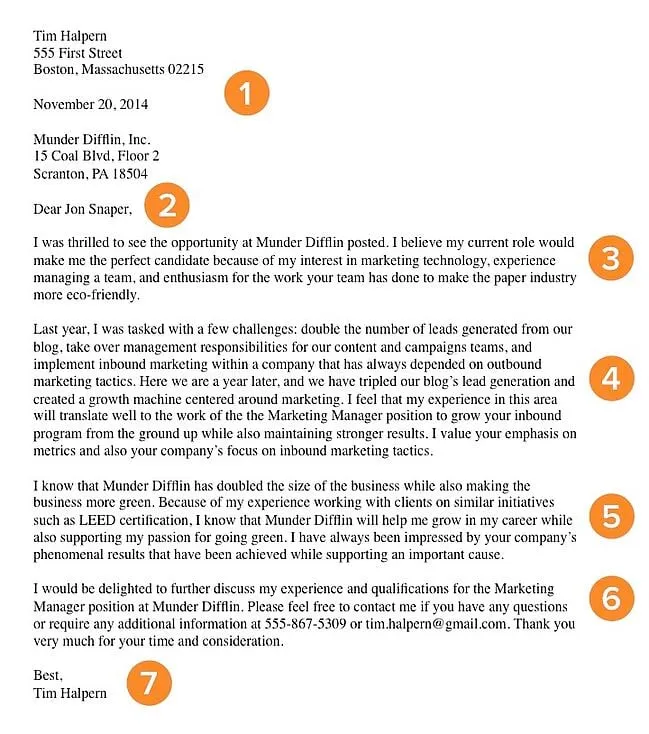
In the competitive job market, a cover letter is often your first chance to make a strong impression on a potential employer. It serves as more than just a formality; it’s a crucial tool for introducing yourself, showcasing your unique value, and piquing the hiring manager’s interest. A well-crafted cover letter can significantly increase your chances of getting an interview, setting you apart from other applicants who might rely solely on their resumes. This document provides an opportunity to demonstrate your personality, writing skills, and genuine enthusiasm for the position, all of which are essential for making a memorable first impression and securing that all important interview that will hopefully land you the job.
Grabbing Attention The Opening Paragraph
The opening paragraph of your cover letter is your hook, and it must capture the reader’s attention immediately. Avoid generic greetings and statements. Instead, start with a compelling sentence that showcases your understanding of the company or the specific role. Consider mentioning a mutual connection, a recent company achievement, or an interesting aspect of the job that sparked your interest. This approach demonstrates that you’ve done your research and are genuinely enthusiastic about the opportunity. A strong opening immediately sets the tone, making the hiring manager want to read further and learn more about what you have to offer. The first few lines need to be engaging, and reflect the candidate’s personality.
Showcasing Your Value The Body Paragraphs

The body paragraphs are where you connect your skills and experience to the job requirements. This section is an opportunity to elaborate on the key skills and experiences highlighted in your resume, providing context and demonstrating how you have used them successfully in past roles. Use specific examples to illustrate your accomplishments, quantifying your achievements whenever possible. Rather than simply listing your responsibilities, focus on the results you delivered. This approach proves your value and shows the hiring manager what you can bring to the company. Each paragraph should directly address the needs of the role, highlighting how your skills and experience align with the company’s goals. It is also important to write with passion for the job.
Highlighting Key Skills and Experience
Carefully review the job description and identify the key skills and experiences the employer is seeking. In your cover letter, specifically address these requirements, using concrete examples to show how you possess them. For each skill, provide a brief anecdote that illustrates how you successfully used it in a previous role. This might involve describing a project, a problem you solved, or a specific contribution you made. Tailor your examples to the needs of the company, demonstrating that you have what it takes to excel in the position. For example if the job requires leadership, include how you have led and motivated others in the past, or how your skills and experience have delivered favorable results.
Quantifying Achievements and Results
Whenever possible, quantify your achievements to demonstrate the impact of your work. Instead of saying you “improved customer satisfaction,” state that you “increased customer satisfaction by 15% through implementing a new feedback system.” Use numbers, percentages, and specific data to show the tangible results you’ve achieved. This provides a clear and concise understanding of your contributions and allows the hiring manager to assess your value to the company. Quantifying your achievements provides credibility and helps you stand out from other applicants. You have to demonstrate through previous results, what you are capable of doing for the new role.
Tailoring Your Letter to the Job

A generic cover letter is a surefire way to get your application quickly dismissed. To make a great impression, you must tailor each cover letter to the specific job and company. This involves researching the company, understanding the role’s requirements, and highlighting the skills and experiences most relevant to the position. Generic cover letters don’t show effort, and they don’t show enthusiasm for the new job. Tailoring your letter to each job you apply for is an investment in your future. Taking the time to tailor a cover letter shows you are serious about the role, and serious about getting the job. Always write something that fits the needs of the job.
Researching the Company and Role
Before you start writing, take the time to research the company and the specific role. Visit the company website, read news articles, and explore their social media presence. Understand their mission, values, and recent achievements. This will help you tailor your cover letter to align with their goals and demonstrate your genuine interest. Also, carefully review the job description to understand the required skills, responsibilities, and qualifications. Make a list of the key requirements, and ensure that your cover letter addresses each of them. Knowledge is power, and the more you know, the better you will perform, and the higher the likelihood that you will land the job.
Using Keywords from the Job Description
Many companies use Applicant Tracking Systems (ATS) to screen resumes and cover letters. These systems scan for keywords related to the job requirements. To increase your chances of getting past the initial screening, incorporate relevant keywords from the job description throughout your cover letter. However, avoid keyword stuffing; use them naturally within the context of your sentences. The goal is to demonstrate that you understand the job and possess the necessary skills and qualifications. Use a variety of keywords and phrases to showcase your abilities and how you align with the specific needs of the role. The best keywords will be in your resume, but adding a few in your cover letter will help improve your chances of selection.
The Perfect Closing

Your closing paragraph should leave a lasting impression. Reiterate your interest in the position and summarize why you are a strong fit for the role. Make sure your ending is clear, and demonstrate to the hiring manager that you really want the job. This is where you express your enthusiasm. Avoid generic closing statements. Instead, express your interest in discussing your qualifications further and thank the hiring manager for their time and consideration. Always include a call to action. For example, invite them to review your resume or contact you for an interview. Your conclusion should be a strong and impactful finish.
Expressing Enthusiasm and Next Steps
End your cover letter with a clear expression of your enthusiasm for the opportunity and what your next steps are. Indicate your willingness to discuss your qualifications further in an interview. A statement like, “I am eager to discuss how my skills and experience can contribute to [Company Name]’s success” is both professional and enthusiastic. Provide your contact information again, ensuring that it is easy to find and up-to-date. Close with a professional closing, such as “Sincerely” or “Best regards”, followed by your name. Make the next step easy for the hiring manager. Make it simple for them to contact you.
Proofreading and Formatting
Before submitting your cover letter, meticulously proofread it for any grammatical errors, spelling mistakes, or typos. Errors can create a negative impression and undermine your credibility. Use a grammar checker and have someone else review your letter to catch any mistakes you might have missed. Ensure your formatting is clean and professional. Use a standard font like Times New Roman or Arial, and maintain consistent margins and spacing. A well-formatted cover letter demonstrates attention to detail and professionalism, showing you are capable of delivering the best you can possibly be.
Common Cover Letter Mistakes to Avoid

Several common mistakes can undermine your cover letter. Avoid generic content and tailor each letter to the specific job. Do not simply repeat your resume; use the cover letter to expand on your experiences and demonstrate your enthusiasm for the opportunity. Avoid typos and grammatical errors, and always proofread your work. Do not use jargon, and be as specific as possible about what you have done, and what your capabilities are. By avoiding these mistakes, you will significantly increase your chances of creating a cover letter that lands you an interview and ultimately, the job.