Cover Letter Basics The Foundation
A cover letter is a crucial document accompanying your resume when applying for a job. It serves as your introduction to the potential employer, offering a chance to showcase your personality, skills, and experiences in a narrative format. It’s an opportunity to go beyond the bullet points of your resume and demonstrate your understanding of the role and the company. A well-crafted cover letter can significantly increase your chances of securing an interview, making it a critical part of your job application strategy. This guide will unveil the secrets to writing a compelling cover letter that grabs attention and sets you apart from the competition.
Why Cover Letters Matter Understanding Their Importance
In today’s competitive job market, a cover letter can be your secret weapon. While your resume provides a snapshot of your qualifications, the cover letter allows you to tell a story. It demonstrates your enthusiasm for the specific role and company. It shows that you’ve done your research and understand the employer’s needs. Many employers consider a cover letter essential, viewing it as a test of your communication skills and attention to detail. A strong cover letter can help you stand out, especially if your resume doesn’t fully capture your relevant experiences or if you’re transitioning careers. It can also provide context for any gaps in your employment history or explain why you’re a great fit, even if your background isn’t a perfect match.
Key Components of a Cover Letter Essential Elements

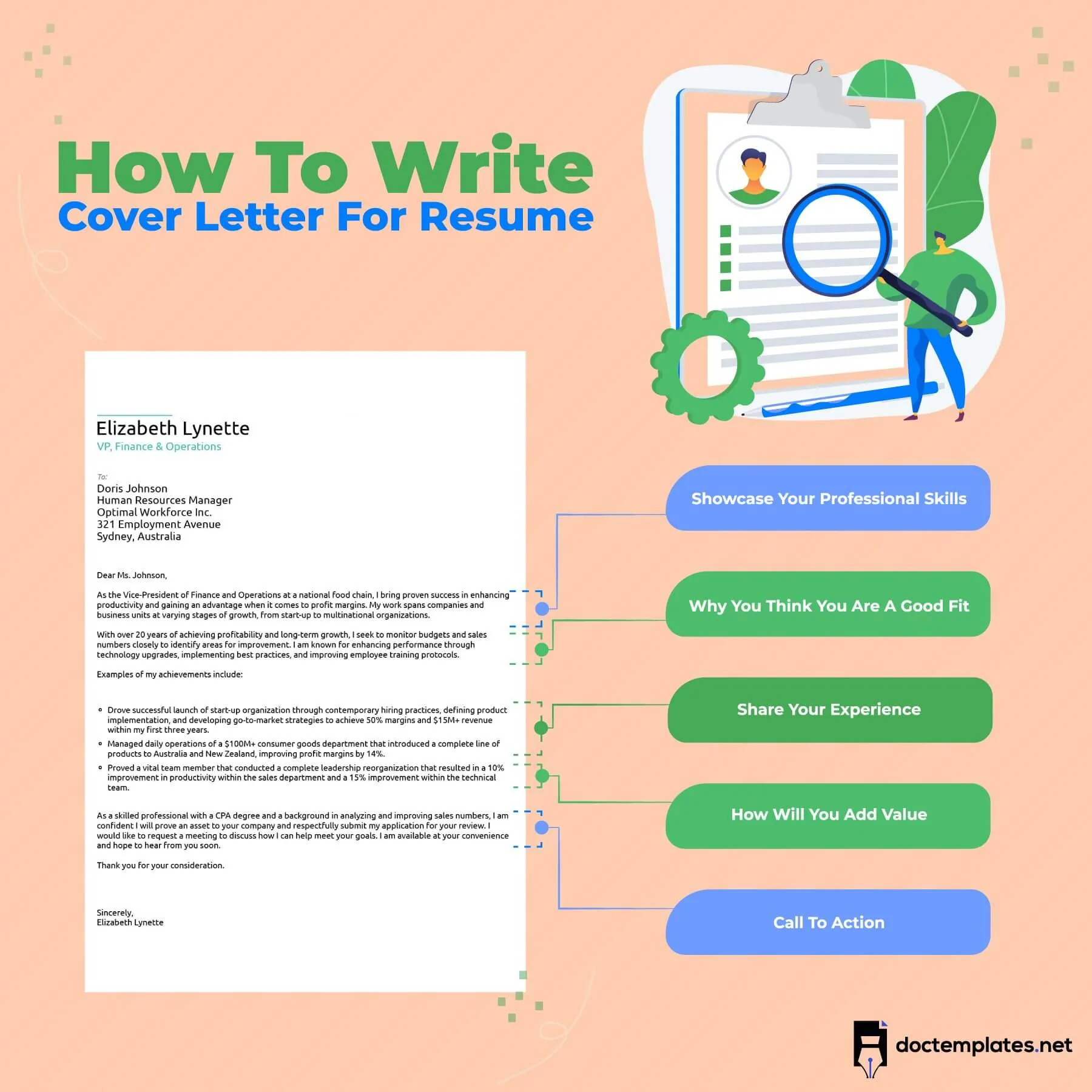
A well-structured cover letter includes several key components. First, a professional header with your contact information is essential. Then comes the salutation, addressed to the hiring manager or the specific person mentioned in the job posting. The body of the letter typically comprises three paragraphs, each serving a distinct purpose. The first paragraph should grab the reader’s attention and state the position you’re applying for. The second paragraph should highlight your relevant skills and experiences, providing specific examples of your accomplishments. The third paragraph should demonstrate your passion for the role and the company, explaining why you’re a good fit. Finally, a strong closing with a call to action is vital. Request an interview and thank the reader for their time and consideration.
Header and Contact Information Proper Formatting
The header of your cover letter is your introduction, and it should be professional and easy to read. Include your full name, address, phone number, and email address. Use a clear, readable font, such as Arial or Times New Roman, and keep the font size consistent throughout the document. Make sure your contact information is up-to-date and accurate. Also, include the date and the hiring manager’s name and title, if known, along with the company’s address. Proper formatting makes your cover letter look organized and shows that you pay attention to detail. Ensure there are no typos or errors in your contact details because it’s the first thing a recruiter will see.
The Salutation Addressing the Hiring Manager
The salutation sets the tone for your entire letter. Ideally, address the hiring manager by name. This shows you’ve taken the time to research the company and the specific role. If the name is not provided in the job posting or cannot be found through online research (LinkedIn, company website), it’s acceptable to use a general salutation such as “Dear Hiring Manager.” Avoid generic salutations such as “To Whom It May Concern” or “Dear Sir/Madam,” as they can make your letter seem impersonal. If you know the hiring manager’s gender but not their name, you can use “Dear Mr./Ms./Mx. [Last Name]” If you’re unsure about gender, use the full name to avoid any misgendering.
Body Paragraph 1 Grabbing Attention

The first paragraph of your cover letter is your opportunity to grab the reader’s attention. Start by clearly stating the position you’re applying for and where you found the job posting. Briefly mention why you’re interested in the role and the company. To make a strong first impression, consider using a compelling opening sentence that reflects your understanding of the company’s needs or a specific aspect of the job description. Avoid generic opening lines. Instead, demonstrate your enthusiasm and excitement. Consider mentioning a skill or accomplishment that directly relates to the job. This will help you establish the tone for the rest of your letter and encourages the reader to continue.
Body Paragraph 2 Highlighting Skills and Experiences
The second paragraph is where you highlight your relevant skills and experiences. Focus on the qualifications mentioned in the job description. Provide specific examples to demonstrate how your skills and experiences align with the requirements. Use the STAR method (Situation, Task, Action, Result) to describe your accomplishments, showcasing your impact in previous roles. Quantify your achievements whenever possible, using numbers and data to illustrate your success. For instance, instead of saying, “Improved customer satisfaction,” say, “Increased customer satisfaction by 15% within six months.” This section provides concrete evidence that you’re a good fit for the role, showing the value you can bring to the company. Keep it concise, focusing on the most important and relevant information.
Body Paragraph 3 Demonstrating Passion and Fit
In the third paragraph, express your passion for the role and the company. Explain why you’re a good fit, going beyond your skills and experiences. Show that you understand the company’s mission, values, or recent projects. Mentioning specific aspects that resonate with you demonstrates genuine interest and enthusiasm. Tailor this section to each job application by researching the company thoroughly. Highlight how your personal and professional goals align with the opportunity. Also, state how you can contribute to the company’s success. Convey your understanding of the role and the challenges the company faces. Connect your skills and experiences to the company’s mission, showing how you can contribute to their goals.
The Closing Strong Call to Action

The closing of your cover letter should include a strong call to action. Reiterate your interest in the position and express your enthusiasm for the opportunity. State that you’re eager to learn more about the role and the company. Request an interview, clearly stating your availability. Thank the hiring manager for their time and consideration. Use a professional closing such as “Sincerely” or “Best regards,” followed by your full name. Make sure your contact information is readily available, making it easy for the hiring manager to reach you. Proofread the entire letter to ensure there are no errors or typos. A well-crafted call to action leaves a lasting positive impression and increases your chances of getting an interview.
Formatting and Design Creating a Professional Look
Formatting and design play a crucial role in creating a professional-looking cover letter. Use a clean, easy-to-read font such as Arial, Calibri, or Times New Roman. Ensure a consistent font size, typically 11 or 12 points. Use single-spacing within paragraphs and double-spacing between paragraphs to improve readability. Maintain consistent margins (typically one inch) throughout the document. Avoid using excessive formatting such as bolding or underlining, which can distract the reader. Keep the letter concise, ideally within one page, and use clear headings to break up the text. Pay attention to the overall visual appeal, ensuring that the cover letter looks organized and polished. A well-formatted cover letter demonstrates attention to detail, showing that you are serious about the opportunity.
Proofreading and Editing Ensuring Error-Free Content
Proofreading and editing are critical steps in the cover letter writing process. Errors, such as typos, grammatical errors, and spelling mistakes, can create a negative impression and undermine your credibility. After writing your cover letter, carefully review it multiple times. Read it aloud to catch any awkward phrasing or sentence structure. Use a spell checker and grammar checker, but don’t rely solely on them, as they may not catch all errors. Ask a friend, family member, or career counselor to review your cover letter. A fresh pair of eyes can often spot mistakes that you might miss. Make sure all the information is accurate, including the hiring manager’s name, job title, and company address. Proofreading is essential, making your cover letter polished and professional, and showing your attention to detail.
Tailoring Your Cover Letter Personalization is Key

Personalizing your cover letter for each job application is a critical aspect of success. Generic cover letters often fail to capture the hiring manager’s attention. Tailor your letter to the specific requirements of the job and the company. Research the company and the role. Demonstrate your understanding of their needs and how your skills and experiences align with the job description. Mention specific projects, initiatives, or values of the company that resonate with you. Customize your examples to match the keywords and requirements mentioned in the job posting. Personalization shows that you’ve invested time and effort in the application, making it stand out. It shows you are truly interested in the role and not just sending out generic applications.
Cover Letter Examples Learning From Successful Models
Examining successful cover letter examples can be a valuable learning tool. Research various templates and examples online. Analyze how different candidates highlight their skills, experiences, and enthusiasm. Pay attention to how they structure their letters, use language, and tailor their content. Use these examples as inspiration, but do not copy them verbatim. Adapt the strategies and techniques to showcase your unique skills and experiences. Experiment with different styles and formats to find what works best for you. By learning from the models, you can develop a cover letter that effectively conveys your value and increases your chances of getting noticed. Remember that your letter should be unique and reflect your personality.
Common Mistakes to Avoid Preventing Rejection
Several common mistakes can lead to rejection. Avoid generic cover letters that lack personalization. Proofread your letter carefully to eliminate typos, grammatical errors, and spelling mistakes. Don’t include irrelevant information or repeat the details from your resume. Avoid being overly casual or informal in your tone. Don’t focus solely on what you want. Instead, focus on what you can offer to the company. Avoid negative language or criticizing previous employers. Also, do not exceed the one-page limit, unless explicitly requested otherwise. Always be honest, accurate, and professional in your communication. Addressing these common mistakes will help you avoid rejection and improve your chances of getting noticed.
Cover Letter Templates Utilizing Pre-Designed Structures

Cover letter templates can provide a helpful framework, especially if you’re unsure where to start. Numerous templates are available online, offering various layouts and formats. Use these templates as a starting point, but personalize them to reflect your skills and experiences. Choose a template that aligns with your profession and the company’s culture. Adjust the sections, language, and formatting to fit your needs. Ensure the template is easy to read and visually appealing. Remember that the template is a guide, and the content should be the focus. Tailor the template to each application, customizing the content. By effectively using templates, you can save time and create a professional cover letter that helps you stand out. Remember that you must still tailor each cover letter, making it unique.