Understanding the Importance of a Strong Cover Letter
In today’s competitive job market, a compelling cover letter is no longer optional it’s essential. A well-crafted cover letter serves as your first introduction to a potential employer, providing a crucial opportunity to make a positive impression and differentiate yourself from other applicants. It’s your chance to go beyond the bullet points of your resume and tell a story that showcases your personality, skills, and enthusiasm for the specific role. A strong cover letter highlights your understanding of the company’s needs and demonstrates why you’re the perfect fit.
Why Cover Letters Matter
Cover letters are often the first document a hiring manager reads, setting the tone for how your application is perceived. They allow you to explain gaps in your resume, address specific requirements mentioned in the job description, and express your unique value proposition. A cover letter demonstrates your communication skills, attention to detail, and genuine interest in the position. Recruiters look for candidates who take the time and effort to personalize their application. Moreover, a well-written cover letter can significantly increase your chances of securing an interview, as it piques the reader’s interest and prompts them to delve deeper into your qualifications.
Common Mistakes to Avoid

Several missteps can undermine your cover letter’s effectiveness. Avoid generic, mass-produced letters that lack personalization. Failing to tailor the content to the specific job and company is a major turnoff for recruiters. Typos, grammatical errors, and a lack of clarity can quickly disqualify your application, highlighting the importance of proofreading. Don’t simply rehash your resume; instead, expand on your experiences and provide context that shows the value you brought in previous roles. Length is also crucial; keep your cover letter concise, focusing on the most relevant information, and never exceed one page. Finally, avoid using overly formal or informal language, striking a balance that reflects your professionalism and personality.
Top 5 Cover Letter Secrets to Get You Noticed
Discover the secrets that will help you craft a cover letter that truly stands out and grabs the attention of hiring managers. These tips are designed to help you elevate your application and increase your chances of getting an interview. By following these steps, you’ll transform your cover letter from a mere formality to a powerful tool that showcases your skills, experience, and personality. These secrets will help you avoid common pitfalls and ensure your cover letter resonates with the reader, making you a top contender for any role.
Secret 1 Tailor Your Cover Letter to the Job
Customization is key. Each cover letter should be tailored to the specific job description and company. Research the company’s mission, values, and culture. Identify the key skills and experiences the employer is seeking and address them directly. Demonstrate your understanding of their needs and how you can contribute to their success. Avoid using a generic template; instead, show that you’ve invested time and effort in understanding the role and the organization. Mention the specific responsibilities and projects that excite you, which demonstrates your genuine interest in the position. Highlighting how your skills align with the job’s requirements will make your application immediately more compelling.
Secret 2 Highlight Your Relevant Skills and Experiences

Your cover letter should showcase the skills and experiences most relevant to the job. Don’t just list your qualifications; provide specific examples that illustrate your accomplishments. Use the STAR method (Situation, Task, Action, Result) to describe how you’ve tackled challenges and achieved results in previous roles. Quantify your achievements whenever possible (e.g., “Increased sales by 15% within six months”). Focus on the skills and experiences that directly align with the job requirements, demonstrating how you can bring value to the company. Show how your past accomplishments have prepared you for the role, making a clear and concise argument for why you’re the ideal candidate.
Secret 3 Show Enthusiasm and Passion for the Role
Let your passion for the job and the company shine through. Express genuine enthusiasm for the role and demonstrate that you’ve researched the company and its work. Explain what excites you about the opportunity and why you’re eager to contribute. Avoid sounding generic or insincere. Use your cover letter to communicate your enthusiasm and create a connection with the reader. This can include mentioning specific projects or initiatives that align with your interests or the company’s values. Expressing genuine enthusiasm helps set you apart from the many applicants who may only be interested in the paycheck.
Secret 4 Quantify Your Achievements
Whenever possible, use numbers and data to quantify your accomplishments. This adds credibility to your claims and provides concrete evidence of your abilities. Instead of saying “Improved customer satisfaction,” say “Increased customer satisfaction scores by 20% through implementation of a new feedback system.” Use metrics to highlight the impact of your work. This allows the hiring manager to see, in specific terms, the value you brought to your previous roles. This approach makes your claims more impactful and shows that you are results-oriented. Quantifying your achievements proves you are not just fulfilling your job description but achieving tangible results.
Secret 5 Proofread and Polish Your Cover Letter

Careful proofreading is essential before you submit your cover letter. Typos, grammatical errors, and formatting inconsistencies can create a negative impression and undermine your credibility. Proofread multiple times and consider having a friend or colleague review your letter. Ensure that your language is clear, concise, and professional. Check for correct grammar, punctuation, and spelling. Pay close attention to formatting, ensuring it’s easy to read. This is critical, so take the time to ensure every aspect of your cover letter is perfect. A polished, well-proofread cover letter demonstrates attention to detail and a commitment to excellence.
Cover Letter Formatting and Best Practices
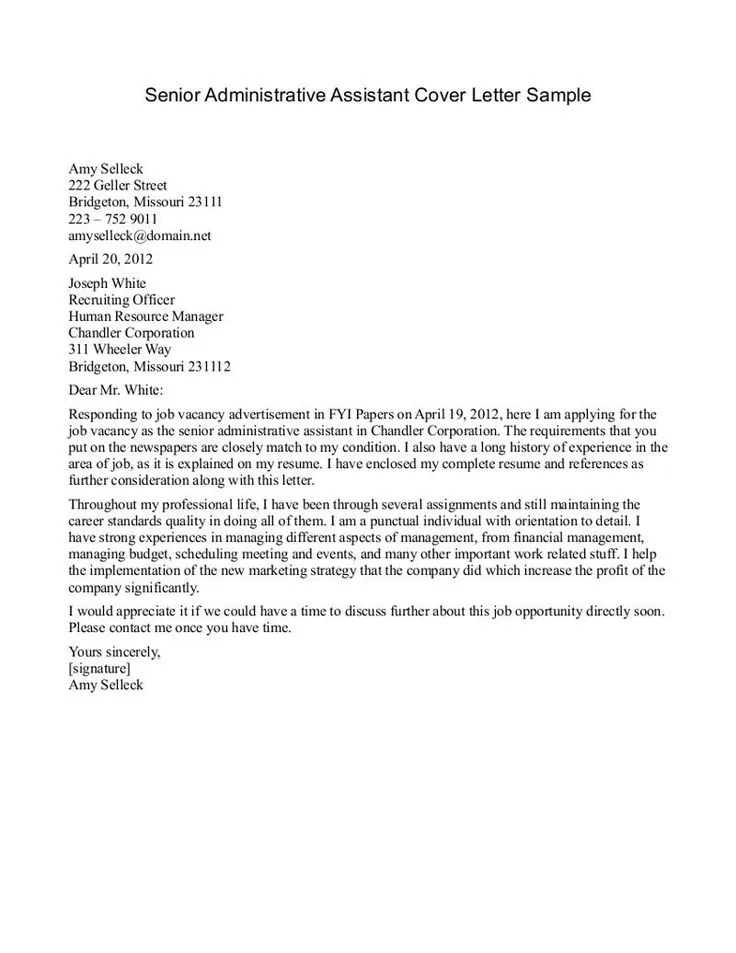
Adhering to formatting best practices will make your cover letter more readable and professional. Use a standard business letter format with a clear heading that includes your contact information and the date. Address the letter to a specific person whenever possible rather than using generic greetings. Keep the font size and style consistent and easy to read (e.g., Times New Roman, Arial, size 11 or 12). Maintain a professional tone throughout the letter and avoid slang or overly casual language. Ensure that the layout is clean and uncluttered, with adequate white space. Be sure to use a concise and compelling closing that reiterates your interest and includes a call to action, such as encouraging them to contact you for an interview.
Choosing the Right Tone and Style
The tone and style of your cover letter should align with the company culture and the specific role. Research the company’s values and consider the role’s requirements when deciding on your approach. For a creative position, you might use a slightly more informal style, while a role in a more conservative industry might require a formal tone. Show professionalism by writing in a clear, concise, and engaging manner. Use active voice and strong verbs. Tailor your language to the industry and audience, avoiding jargon that the recruiter might not understand. The goal is to strike a balance that highlights your personality and professionalism while keeping your cover letter engaging.
Actionable Tips for Cover Letter Success

To sum up, crafting a successful cover letter involves more than just listing your skills. Research the company and the role thoroughly and highlight your relevant skills and experiences with specific examples. Quantify your achievements whenever possible and express genuine enthusiasm for the opportunity. Always proofread your cover letter carefully, paying attention to grammar, spelling, and formatting. By following these actionable tips, you can create a cover letter that truly stands out and significantly increases your chances of getting an interview and landing your dream job. Remember, a well-crafted cover letter is your chance to make a strong first impression and set yourself apart from other candidates, so take the time to make it count.