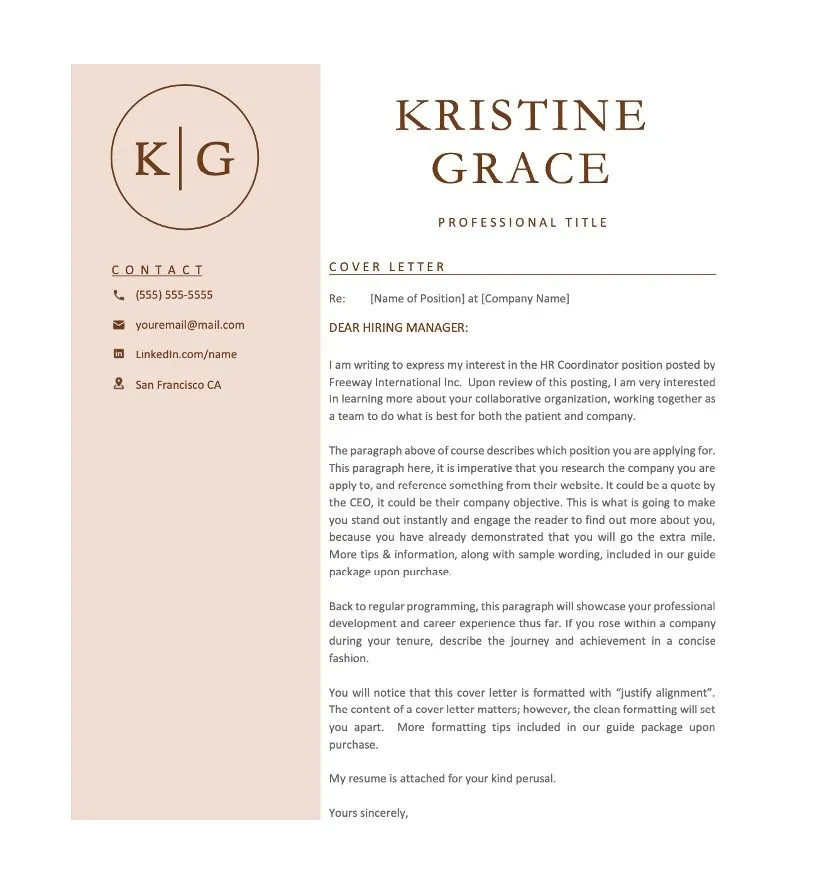
Cover Letter Templates Understand the Basics
In the competitive world of job applications, a well-crafted cover letter can be your golden ticket to securing an interview. It’s more than just a formality; it’s your first chance to make a strong impression and showcase why you’re the perfect fit for the role. Utilizing a cover letter template is an excellent starting point, helping you structure your thoughts and present your qualifications in a compelling manner. This guide will help you navigate the essential components of a cover letter and provide you with actionable tips to make yours stand out. Think of your cover letter as a tailored introduction, a concise narrative that complements your resume and highlights your most relevant skills and experiences for the specific job you’re targeting. It’s an opportunity to demonstrate your understanding of the company, your enthusiasm for the position, and your unique value proposition. Get ready to transform your application process.
What is a Cover Letter
A cover letter is a one-page document you send with your resume when applying for a job. It serves as a personalized introduction, providing context to your resume and explaining why you’re a good fit for the role. Unlike a resume, which is a factual summary of your experience and skills, a cover letter allows you to express your personality, enthusiasm, and how your qualifications align with the job’s requirements. It’s your opportunity to tell a story, connecting your past experiences with the future opportunity, and showing the hiring manager why they should consider you for an interview. A cover letter also showcases your communication skills, attention to detail, and ability to write concisely and persuasively. It is your chance to go beyond the bullet points and demonstrate your understanding of the company and the role.
Why Use a Cover Letter Template

Using a cover letter template provides a structured framework, ensuring you include all the essential elements. It saves you time and effort by offering a pre-designed layout that is easy to customize. Templates also help maintain consistency in your applications, presenting a professional and polished appearance. They are particularly useful if you’re new to the job market or applying for various positions, as they provide a foundation to build upon. Templates also assist you in organizing your thoughts and crafting a cohesive narrative. This will ultimately help you tailor your application to the specific requirements of each job. By using a template, you can focus on the content rather than the formatting, leading to a more effective and compelling cover letter. Cover letters are the most important part to start the application.
Types of Cover Letter Templates
There are several types of cover letter templates, each designed for different purposes. The most common include the traditional cover letter, which is formal and direct; the skills-based cover letter, which emphasizes your abilities; and the targeted cover letter, which is tailored to a specific job and company. Other types include the networking cover letter, used to introduce yourself and request an informational interview; and the application cover letter, which responds to a specific job posting. The choice of template depends on your individual circumstances and the nature of the job you’re applying for. Ensure the template you choose aligns with your brand and the industry standards. A well-chosen template will help you highlight your most relevant qualifications.
Cover Letter Template for Job Application – Key Elements
A successful cover letter is a carefully crafted document with several key elements. Each part plays a crucial role in effectively communicating your value to the employer. Understanding these components will help you create a cover letter that captures attention and generates interest. The header, salutation, body paragraphs, and closing all need careful attention. The goal is to make a lasting impression. By mastering each element, you’ll be well-equipped to highlight your skills, showcase your experience, and express your genuine enthusiasm for the position. The right cover letter template is the best place to start to ensure you hit all of these components.
Header

The header of your cover letter should include your contact information, such as your name, address, phone number, and email address. It is crucial that your header is easily accessible, allowing the hiring manager to contact you quickly. Consider using a professional font and layout. Make sure to include the date and the recipient’s information (name, title, company, and address) if known. This creates a professional presentation that reflects attention to detail. The header ensures that your potential employer knows how to reach you and makes it easy to do so, reflecting positively on your organizational skills.
Salutation
The salutation sets the tone for your cover letter. If you know the hiring manager’s name, use “Dear [Mr./Ms./Mx. Last Name]”. If you don’t know their name, use a professional greeting like “Dear Hiring Manager” or “Dear [Department Name] Team.” Avoid generic salutations such as “To Whom It May Concern.” A personalized salutation shows you’ve done your research and taken the time to tailor your letter to the specific role. It demonstrates your attention to detail and respect for the recipient. It’s also more engaging and immediately grabs the reader’s attention, increasing the likelihood that they will continue reading.
Body Paragraph 1
The first body paragraph should clearly state the position you’re applying for and how you learned about it. You can also briefly introduce yourself and provide a concise overview of your key qualifications. The goal is to immediately capture the reader’s interest and give them a reason to continue reading. Mentioning the specific job title shows that you are addressing the right opportunity, while highlighting your most relevant skill or experience demonstrates your suitability for the role. Keeping this introduction brief and to the point ensures you make a strong initial impact. This will get the reader excited to learn more about your profile and qualifications. Be clear and concise while highlighting your strengths.
Body Paragraph 2

The second paragraph should delve deeper into your qualifications and experiences. Highlight specific accomplishments and how they align with the job requirements. Use the job description as a guide, focusing on the skills and experiences the employer has emphasized. Provide concrete examples to illustrate your capabilities and quantify your achievements whenever possible. For example, instead of saying “Managed projects,” say “Managed projects, resulting in a 15% reduction in costs and a 10% increase in efficiency.” This demonstrates your ability to contribute to the company’s success. Tailor this section to directly address the needs of the employer. This will leave a lasting impression.
Body Paragraph 3
In the third paragraph, express your enthusiasm for the company and the role. Explain why you are interested in working there and what you hope to achieve. Discuss how your goals align with the company’s mission and values. Mention any specific projects or aspects of the company that appeal to you. Demonstrate that you have done your research and are genuinely interested in contributing. This is where you show that you are a cultural fit and that you are passionate about the opportunity. By expressing your enthusiasm, you make yourself more memorable and increase your chances of receiving an interview.
Closing
Your closing should reiterate your interest and thank the hiring manager for their time and consideration. Include a call to action, such as stating that you look forward to hearing from them soon. Use a professional closing such as “Sincerely” or “Best regards.” Be sure to proofread your cover letter one last time before submitting. It’s essential to end on a positive note. A well-crafted closing leaves the reader with a favorable impression and increases the likelihood of a response. By expressing gratitude and including a clear call to action, you encourage the employer to move forward with your application. Proofread to avoid errors.
Cover Letter Template Application Process Step by Step

Navigating the application process with a cover letter template can significantly increase your success. The process is structured, and a well-organized approach is crucial. From initial research to final submission, each step is important in creating a compelling application. The steps below will guide you through the process, ensuring that you can present your qualifications in the best possible light. It takes careful planning, tailored content, and attention to detail to make sure you stand out. Following these steps will help you create a cover letter that is impactful and increases your chances of success.
Research the Company
Before you start writing, thoroughly research the company. Visit their website, read their mission statement, and explore their social media profiles. Understand their values, culture, and recent projects. Research the specific role and identify the key skills and experiences they’re looking for. Tailor your cover letter to highlight how your qualifications match their requirements. By demonstrating your knowledge of the company, you show your genuine interest and attention to detail. This demonstrates that you’ve gone the extra mile to understand their needs. This will set you apart from other applicants. Information like this shows your interest.
Customize the Template
Once you’ve selected a cover letter template, customize it to fit the specific job and company. Replace the generic information with details relevant to the role. Tailor the content to highlight your most relevant skills and experiences. Modify the language to reflect your personality and the company’s tone. Use keywords from the job description to show that you understand their needs. Avoid using a generic cover letter. This will make the cover letter more relevant to the application. This shows that you have taken the time to align your qualifications with their specific requirements. Customization is essential for a good cover letter.
Proofread Your Cover Letter

Proofreading is a critical step in the application process. Check your cover letter for any spelling, grammar, or punctuation errors. Ensure that the formatting is consistent and professional. Read it aloud to catch any awkward phrasing or unclear sentences. Ask a friend or family member to review your letter. A fresh pair of eyes can often identify mistakes you might have missed. A polished cover letter reflects your attention to detail. Proofreading your cover letter is a must to show professionalism. It is the last step that can make or break your application.
Submit Your Cover Letter
Follow the application instructions provided by the employer. If they request a specific format (e.g., PDF), adhere to it. Submit your cover letter and resume together. Ensure all files are properly named and easily accessible. Double-check the contact information to make sure it is correct. If you are applying online, review the submission process before sending your application. Once submitted, follow up if necessary, but avoid being overly persistent. Submitting your application correctly shows that you pay attention to detail. Make sure that you are following all requirements. Good luck with your job application.
Cover Letter Templates Tips for Success
To maximize your chances of success, incorporate these tips into your cover letter. Following these guidelines will help your cover letter stand out. A well-crafted cover letter can be a game-changer in your job search. By integrating these tips into your cover letter, you will increase the likelihood of grabbing the hiring manager’s attention and securing an interview. Use the tips below to improve your success.
Highlight Relevant Skills and Experience

Focus on the skills and experiences most relevant to the job you’re applying for. Use the job description as a guide. Identify the key requirements and tailor your letter to address them. Provide specific examples to demonstrate how you’ve used those skills. Quantify your accomplishments whenever possible. For example, instead of saying “Improved customer service,” state “Improved customer service scores by 15% through implementation of a new training program.” This shows how you will bring value. The aim is to connect your previous experience to the new role. Use the information in the description.
Use Action Verbs
Use strong action verbs to describe your accomplishments and responsibilities. Action verbs make your cover letter more engaging and demonstrate your proactive approach. Start each bullet point or sentence with an action verb to create a dynamic and impactful narrative. For example, instead of saying “Responsible for project management,” use “Managed projects, resulting in…” Or instead of “Assisted clients,” use “Advised clients on…” Action verbs also help you be concise. Using action verbs makes your cover letter more dynamic and shows your accomplishments.
Show Enthusiasm and Passion
Let your enthusiasm and passion for the role and the company shine through. Express your genuine interest in the opportunity and what you hope to achieve. Explain why you’re excited about the position and how your goals align with the company’s mission and values. Show that you’ve done your research and are genuinely invested in the company’s success. Your enthusiasm and passion can make you more memorable. This will help you stand out from other candidates. Expressing passion is critical to show you are interested in the role.