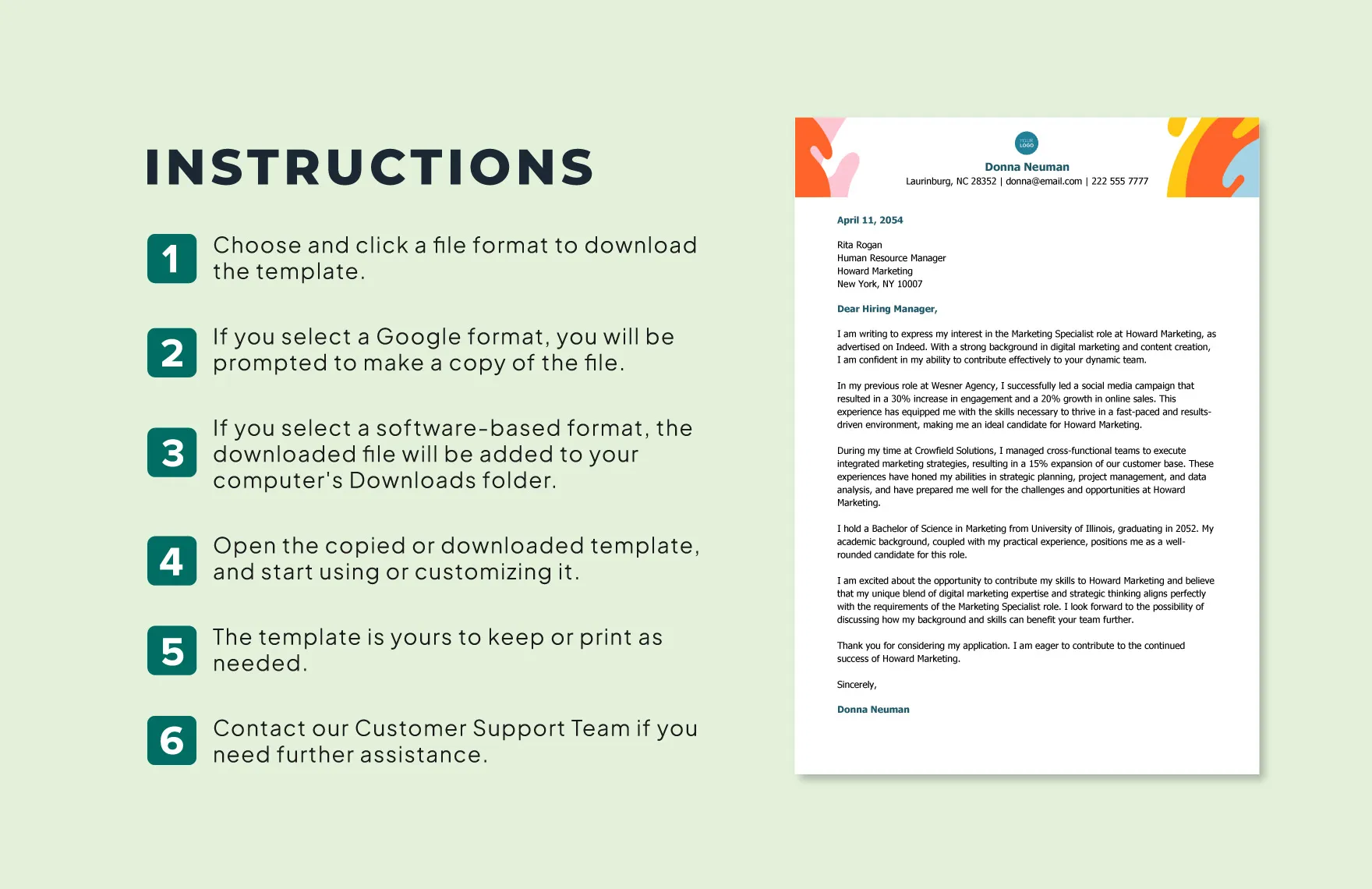
What is a Cover Letter Template
A cover letter template is a pre-designed document that serves as a framework for writing a cover letter. It provides a basic structure, layout, and sometimes even suggested phrasing that you can adapt to fit your specific needs. Think of it as a starting point, a blueprint to help you craft a compelling introduction of yourself to a potential employer. Utilizing a template significantly streamlines the cover letter creation process, saving valuable time and ensuring a professional presentation. Unlike a resume, which summarizes your experience, a cover letter allows you to articulate your interest in a specific role and highlight how your skills and experiences align with the job requirements. A well-crafted cover letter can significantly increase your chances of getting noticed by a hiring manager.
Benefits of Using a Cover Letter Template
Using a cover letter template offers numerous advantages. It’s an effective strategy for both experienced professionals and those new to the job market. These templates provide a foundation upon which you can build, ensuring your cover letter is well-structured and formatted correctly. Let’s explore some key benefits.
Time-Saving and Efficiency

One of the primary benefits is the significant time saved. Instead of starting from scratch each time, a template provides a pre-formatted structure. This allows you to focus on the content – tailoring the letter to the specific job and highlighting your relevant skills and experiences. This efficiency is especially valuable when applying for multiple positions simultaneously.
Ensuring Professionalism and Consistency
Templates typically adhere to professional formatting standards. This includes proper margins, font choices, and overall layout, which helps create a polished and professional look. Consistency in your application materials is crucial. Using a template ensures a uniform presentation across all your cover letters, which can make you appear organized and detail-oriented.
Customization and Personalization
While templates provide a structure, they are designed to be customized. You can easily adapt the language, examples, and details to match each job application. This adaptability allows you to present yourself in the best possible light for each unique opportunity, showcasing your genuine interest and suitability for the role.
Essential Components of a Cover Letter Template

A well-structured cover letter is composed of several essential elements. These components work together to present a cohesive and compelling case for your candidacy. A cover letter template serves as a guide, ensuring that you include all the necessary information in a logical and professional manner. Knowing the key parts will help you create a letter that gets noticed. Let’s break down these core elements.
Header Section
The header of your cover letter is the first thing a hiring manager sees. It includes crucial information that identifies you and the recipient. Accuracy and attention to detail are key here. This section sets the stage for the rest of your letter and makes a positive first impression.
Contact Information
Include your full name, phone number, email address, and optionally, your LinkedIn profile URL. Make sure your contact information is up-to-date and professional. Verify that your email address is appropriate for professional correspondence. This section ensures that the hiring manager can easily reach you.
Date

Include the date you are sending the cover letter. This provides context and can be helpful for record-keeping by both you and the employer. Format the date correctly, typically using month, day, and year (e.g., March 8, 2024).
Recipient Information
Address the letter to the hiring manager or the specific person mentioned in the job posting. If you can’t find a name, use a professional greeting like “Dear Hiring Manager.” Avoid generic greetings like “To Whom It May Concern.” Researching the company to find the correct contact is always a good practice. This shows initiative and attention to detail.
Body Section
The body of your cover letter is where you make your case. This section should be well-written, concise, and compelling. It’s where you showcase your skills, experience, and enthusiasm for the role and the company. The body section is typically divided into a few key paragraphs, each serving a specific purpose.
Opening Paragraph

Start with a strong opening that grabs the reader’s attention. Clearly state the position you are applying for and how you learned about the opportunity. Express your enthusiasm for the role and the company. Briefly mention why you are a good fit, highlighting a key skill or experience that aligns with the job requirements. Make it clear why you are interested in this specific opportunity.
Highlighting Your Skills and Experience
In the subsequent paragraphs, elaborate on your skills and experience. Provide specific examples of how you have demonstrated those skills in previous roles. Quantify your accomplishments whenever possible (e.g., “Increased sales by 15%” or “Managed a team of 10 employees”). Tailor your examples to match the requirements outlined in the job description, using keywords from the posting.
Demonstrating Your Understanding of the Role
Show that you understand the responsibilities and requirements of the position. Briefly explain how your skills and experience align with the role’s demands. Research the company and mention why you are interested in working there. This shows that you’ve done your homework and are genuinely interested in the opportunity.
Closing Paragraph

Conclude your cover letter by reiterating your interest in the position and thanking the hiring manager for their time and consideration. Express your eagerness to discuss your qualifications further and provide a call to action (e.g., “I look forward to hearing from you soon” or “I am available for an interview at your earliest convenience”). Reiterate your contact information. End with a professional closing (e.g., “Sincerely,” or “Best regards,”).
Formatting and Design Tips for Cover Letter Templates
The formatting and design of your cover letter can significantly impact how it is perceived. A well-formatted cover letter is easy to read and visually appealing. Pay attention to these design elements to ensure your cover letter makes a positive impression. A clean and professional layout will make your cover letter more readable and increase your chances of getting noticed. Simple, clear formatting is key to getting your message across effectively.
Font Selection and Readability
Choose a professional and easy-to-read font, such as Arial, Calibri, or Times New Roman. Maintain a consistent font throughout the entire document. Use a font size between 10 and 12 points for the body text. Ensure that the font is not overly stylized, as this can distract from the content. Readability is crucial; the goal is to make it easy for the hiring manager to quickly grasp the information.
Margins and Spacing

Use standard 1-inch margins on all sides of the document. This provides ample white space, making the text less cramped and easier to read. Double-space between paragraphs to create visual breaks. Single-space within paragraphs. Proper spacing helps the reader navigate the document smoothly and quickly identify key information.
Length and Structure
Keep your cover letter concise, typically no more than one page. Structure your letter with clear paragraphs and headings. This makes the content easier to scan and digest. Avoid large blocks of text; break up information with short paragraphs and bullet points where appropriate. A well-structured cover letter demonstrates your ability to communicate clearly and efficiently.
Tips for Customizing Your Cover Letter Template
Customizing your cover letter is essential to make it stand out. Generic cover letters are easily discarded. Personalization shows that you are genuinely interested in the specific job and company. The more tailored the letter, the better your chances of getting an interview. Customization is key to making a strong impression.
Tailoring to the Specific Job
Carefully review the job description and identify the key requirements and qualifications. Highlight the skills and experiences that are most relevant to the position. Provide specific examples that demonstrate how you have met those requirements in the past. Don’t just list your responsibilities; explain your accomplishments and contributions in previous roles. Tailor your language and tone to match the company’s culture and values.
Using Keywords from the Job Description
Incorporate keywords from the job description into your cover letter. This helps the hiring manager quickly see that you meet the qualifications. Using relevant keywords can also help your application pass through applicant tracking systems (ATS). However, don’t stuff your letter with keywords; use them naturally within the context of your sentences.
Showcasing Your Achievements
Instead of simply listing your responsibilities, focus on your accomplishments. Use action verbs to describe your achievements (e.g., “Managed,” “Developed,” “Implemented”). Quantify your accomplishments whenever possible. Provide specific examples that demonstrate your impact in previous roles. This will give the hiring manager a clearer picture of your capabilities and potential.
Avoiding Common Mistakes in Cover Letters
Several common mistakes can undermine your cover letter and reduce your chances of getting noticed. By being aware of these pitfalls, you can ensure that your cover letter makes a positive impression. Avoiding these errors will significantly improve the quality of your application and show that you pay attention to detail. Here’s how to sidestep common mistakes.
Typos and Grammatical Errors
Proofread your cover letter carefully for any typos or grammatical errors. Mistakes can make you appear careless and unprofessional. Use spell check and grammar check tools, but also read the letter aloud to catch any errors that those tools might miss. Ask a friend or colleague to review your cover letter as a second pair of eyes can often spot errors that you may have overlooked. A polished cover letter shows your commitment to quality.
Generic Content
Avoid using generic, boilerplate language that could be applied to any job. Tailor your cover letter to the specific role and company. Show that you have researched the company and understand its mission, values, and goals. Demonstrate your interest in the specific position and why you are a good fit for it. Personalize each letter; this makes a stronger impression.
Lack of Enthusiasm
Show your enthusiasm for the opportunity and the company. Express your excitement about the role and what you can contribute. Avoid sounding indifferent or passive. Use positive and engaging language throughout your letter. Demonstrate your eagerness to learn, grow, and make a contribution to the team. Enthusiasm can go a long way in impressing a hiring manager.
Resources for Cover Letter Templates
There are numerous resources available online where you can find cover letter templates. These resources can save you time and effort in creating your cover letter. Take advantage of these resources to find the right template for your needs. The best template will depend on the specific job you’re applying for, your industry, and your experience level. A variety of templates can provide you with inspiration and a starting point. Here are some popular sources:
- Microsoft Word provides a wide variety of free templates.
- Canva offers a user-friendly interface with customizable templates.
- Resume.com, Indeed, and other job search websites often have free cover letter templates and examples.
- Professional resume writing services also provide cover letter templates.
Using a cover letter template is a smart strategy for anyone looking to land their dream job. By following the tips in this guide, you can create a cover letter that gets noticed and helps you stand out from the competition. Remember to tailor your template to each specific job and company. Good luck with your job search!