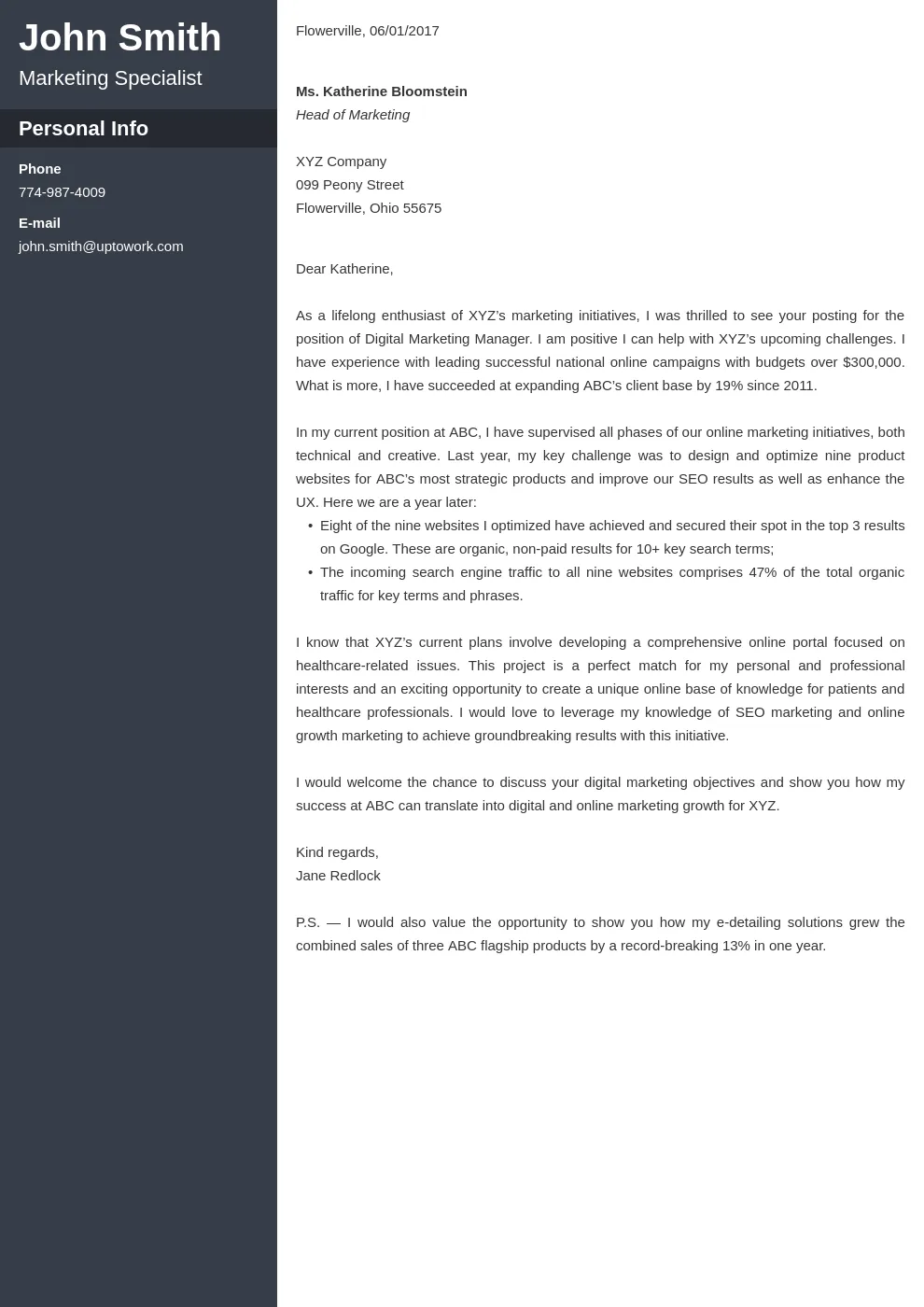
What is a Cover Letter and Why Is It Important?
A cover letter serves as your introduction to a potential employer, accompanying your resume and providing context to your application. It is a crucial document in the job application process, acting as your first impression and allowing you to highlight your relevant skills, experience, and qualifications in a way that a resume alone cannot. It’s your opportunity to personalize your application and show the hiring manager why you are the perfect fit for the role. Ignoring the importance of a well-crafted cover letter can significantly decrease your chances of landing an interview. Think of it as your personal sales pitch, designed to persuade the reader to learn more about you.
Understanding the Purpose of a Cover Letter
The primary purpose of a cover letter is to showcase your personality, communication skills, and enthusiasm for the position. It allows you to tell a story about your career, connecting your past experiences to the requirements of the job. It’s not merely a repetition of your resume but an expansion upon it, providing more depth and detail. A well-written cover letter demonstrates your understanding of the company and the specific role, highlighting how your skills align with their needs. It’s also a chance to show your writing skills, which are essential in most professional environments.
Cover Letter vs Resume Key Differences

While both a cover letter and a resume are critical parts of a job application, they serve different purposes. A resume is a concise summary of your skills, experience, and education, providing a chronological or skills-based overview. A cover letter, on the other hand, is more narrative and allows you to explain why you are interested in the specific role and what you can bring to the company. The resume is a factual document, while the cover letter is persuasive. A resume is typically scanned quickly, while a cover letter is read more closely to assess your communication skills and fit within the company culture. See Image: cover-letter-vs-resume.
Essential Components of a Cover Letter
A compelling cover letter must contain several key elements to make a strong impression. These include a clear header with your contact information, a professional greeting, an engaging opening paragraph that captures the reader’s attention, well-structured body paragraphs highlighting your relevant skills and experiences, and a strong closing paragraph with a call to action. Attention to detail in these areas, along with correct grammar and spelling, shows that you can pay attention to detail and are taking the application process seriously. This structured approach ensures your letter is both informative and persuasive.
Header Information [Your Contact and Date]
Your cover letter header should include your full name, address, phone number, and email address. This information makes it easy for the hiring manager to contact you. The date should be included below your contact information and should reflect the date you are sending the letter. This information is important for record-keeping purposes and it keeps the document looking neat and well organized. Ensure that your email address is professional and appropriate for the job application process. See Image: cover-letter-header.
Greeting [Addressing the Hiring Manager]

Start your cover letter with a professional greeting. Ideally, address the hiring manager by name; this shows you have taken the time to research the company. If you cannot find a name, use a general greeting like “Dear Hiring Manager” or “Dear [Department Name] Team.” Avoid generic greetings like “To Whom It May Concern,” which feel impersonal. Using a specific name makes your letter more personal and demonstrates your initiative in researching the company.
Opening Paragraph [Grabbing Attention]
Your opening paragraph should immediately grab the reader’s attention. State the position you are applying for and how you found the job. Briefly mention your most relevant qualifications or a key achievement that makes you a strong candidate. Your goal is to create interest and encourage the reader to continue reading. Start with an engaging statement that highlights your enthusiasm for the role and the company. Avoid generic opening lines; instead, show your personality and excitement to make your application stand out. See Image: cover-letter-introduction.
Body Paragraphs [Highlighting Skills and Experience]
The body paragraphs are where you provide detailed information about your skills, experience, and accomplishments. Focus on the requirements outlined in the job description and demonstrate how your background aligns with them. Provide specific examples to support your claims, using the STAR method (Situation, Task, Action, Result) to showcase your accomplishments. Use action verbs to describe your contributions and make sure your paragraphs are concise, well-organized, and tailored to the specific job.
Quantifying Achievements [Using Numbers]

Whenever possible, quantify your achievements to demonstrate your impact. Instead of saying “Improved customer satisfaction,” say “Improved customer satisfaction by 15% through implementing a new feedback system.” Numbers add credibility to your claims and make it easier for the hiring manager to understand your contributions. Use metrics, data, and percentages to showcase the tangible results you have achieved in previous roles. This level of detail helps to set you apart from other candidates.
Tailoring the Cover Letter [Matching the Job]
Customize your cover letter for each job application. Review the job description carefully and highlight the skills and experience that are most relevant to the specific role. Avoid using a generic cover letter; instead, show how your qualifications align with the employer’s needs. Research the company and tailor your letter to demonstrate your understanding of their mission, values, and culture. Tailoring your cover letter shows the hiring manager that you have taken the time to understand the role and are genuinely interested in the opportunity.
Closing Paragraph [Call to Action]
Your closing paragraph should reiterate your interest in the position and summarize your key qualifications. Include a call to action, such as expressing your eagerness to discuss your application further and providing your contact information. Thank the hiring manager for their time and consideration. Make sure your closing paragraph is confident and professional. This gives the hiring manager a clear direction and encourages them to move forward with your application.
Formal Closing and Signature

Use a professional closing such as “Sincerely,” “Regards,” or “Best regards.” Leave space for your signature if you are printing the letter, or type your full name below the closing. Ensure your signature is legible and reflects your professionalism. The closing completes the tone of your letter, and the inclusion of a signature adds an extra layer of formality and polish, showing you are serious about the opportunity.
Different Cover Letter Template Styles
There are several cover letter template styles to choose from, each suitable for different situations and preferences. The classic template is the most traditional, focusing on a clean and professional layout. The modern template incorporates contemporary design elements and formatting. Creative templates are best suited for roles in artistic or design fields, showcasing your personality and originality. Understanding the various styles will help you select the one best suited to your needs.
The Classic Cover Letter Template
The classic cover letter template emphasizes a traditional and professional appearance. It uses standard fonts like Times New Roman or Arial and a straightforward layout. This style is suitable for any industry and emphasizes clear communication and professionalism. It’s ideal for candidates who want to convey a sense of reliability and experience. The layout is typically left-aligned, with clear sections and easy-to-read text. See Image: classic-cover-letter.
The Modern Cover Letter Template
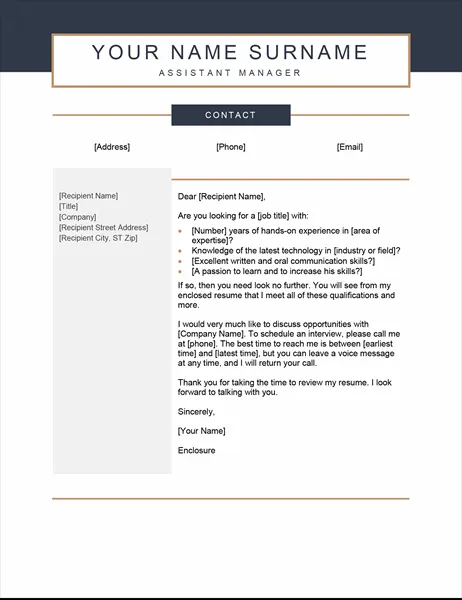
Modern cover letter templates use contemporary design elements to create a more visually appealing document. They often incorporate subtle design features, such as colored headings, bolded text, and slightly unconventional layouts. These templates can be suitable for various industries and provide a clean and contemporary look. They are perfect for candidates who want to demonstrate a forward-thinking approach and showcase their attention to design details. See Image: modern-cover-letter.
The Creative Cover Letter Template
Creative cover letter templates are designed to showcase your personality and artistic flair. They utilize unique fonts, layouts, and design elements. They are best suited for roles in creative fields like design, marketing, or the arts. These templates often include visuals, graphic elements, and bold formatting choices. It is essential to ensure that the design elements are professional and enhance the content. These templates are not suitable for every role and should be used carefully to maintain professionalism.
The Combination Cover Letter Template
Combination cover letter templates combine elements of the classic and modern styles. They often use clean layouts with some modern design accents, making them suitable for a broad range of industries. This style blends professionalism and visual appeal, creating a balanced approach to presenting your skills and experience. It is a versatile option, working well for both traditional and contemporary companies. This template style provides a good balance of visual appeal and professionalism.
Cover Letter Template Sample for Experienced Professionals
For experienced professionals, cover letters should emphasize a track record of success and demonstrate relevant achievements. The template should focus on detailing the skills and experience gained over a career and showcasing significant accomplishments, using quantifiable results to support claims. The layout should be well-organized and easy to read, with clear sections highlighting key achievements and skills. The language should be professional and sophisticated, reflecting experience in the field. You can customize this template by tailoring it to align with the job description.
Cover Letter Template Sample for Entry-Level Positions
When applying for entry-level positions, the cover letter should highlight any relevant internships, projects, volunteer work, or coursework. It should focus on transferable skills and enthusiasm for the role and the company. It should demonstrate a willingness to learn and the ability to contribute to the team. You can include an introduction that states what you hope to achieve in the company. Ensure your tone is enthusiastic and professional, and highlight any relevant academic achievements. Tailor the letter to show your passion for the job.
Cover Letter Template Sample for Career Change
When changing careers, your cover letter should focus on transferable skills and how your previous experience is relevant to the new role. You should highlight any relevant skills and experience that are applicable to the new industry or role. Clearly articulate why you are making a career change and why you are interested in the new field. Emphasize your adaptability and eagerness to learn. You should tailor the letter to show how your skills and experience align with the job description. Be clear about your goals and enthusiasm.
Tips for Customizing Cover Letter Templates
To maximize the impact of your cover letter, it must be customized for each job application. Research the company and tailor your content to align with its culture and values. Use keywords from the job description throughout your letter. Highlight the specific skills and experiences that match the requirements. Make sure the content aligns with the job description. Use action verbs to showcase your accomplishments and clearly state your interest in the position. Proofread carefully to ensure a professional appearance.
Researching the Company and Job Description
Thoroughly research the company and the specific job description before you begin writing your cover letter. Understand the company’s mission, values, and culture. Identify the key requirements and expectations for the role. Use the job description as a guide to highlight the skills and experiences that are most relevant. Customize your language to match the company’s style. You should research the company to demonstrate your interest and understanding.
Proofreading and Editing for Errors
Proofread your cover letter carefully to eliminate any grammatical errors, spelling mistakes, and typos. These errors can undermine your professionalism and credibility. Use a grammar checker and ask someone else to review your letter for clarity and accuracy. Make sure your formatting is consistent and the document is well-organized. Carefully edit your cover letter to showcase your attention to detail, showing your commitment to accuracy. This will ensure your letter leaves a positive impression.
Formatting Best Practices
Follow proper formatting guidelines to create a clean and professional cover letter. Use a standard font like Times New Roman or Arial in a size between 10 and 12 points. Use single spacing within paragraphs and double spacing between paragraphs. Maintain consistent margins (typically 1 inch on all sides). Ensure that your text is left-aligned for easy readability. A well-formatted cover letter is easy to read. These practices make your cover letter more readable and professional.
Common Mistakes to Avoid in Cover Letters
Several common mistakes can diminish the effectiveness of your cover letter. Avoiding these pitfalls will increase your chances of success. Ensure you are not making any of these mistakes. Being aware of these mistakes helps you create a more impactful application.
Using Generic Templates
Using a generic template without any customization can make your cover letter seem impersonal. Always tailor your cover letter to the specific job and company. Show the hiring manager you took the time to understand the role and are genuinely interested in the opportunity. You should avoid using a template without modification to show you are taking the job application seriously.
Ignoring the Job Requirements
Failing to address the key requirements outlined in the job description is a critical mistake. Align your skills and experiences with what the employer is looking for. Highlight the most relevant qualifications and show how you meet the specific needs of the role. Ensure you are highlighting the key points. Your application should show that you are a strong candidate.
Lengthy Cover Letters
Keep your cover letter concise and to the point. A cover letter that is too long may discourage the hiring manager from reading it thoroughly. Aim for a one-page letter, focusing on the most relevant information. Use concise language and avoid unnecessary details to keep your letter focused. Focus on your key points. Lengthy cover letters can often lose a hiring manager’s interest.
Cover Letter Template Samples [Download and Examples]
Explore various cover letter template samples available online to get inspiration and ideas. Look at different formats, styles, and structures to find a template that suits your needs. Review examples for experienced professionals, entry-level candidates, and those changing careers. Use these samples as a starting point to customize your letter and present yourself effectively. Analyze samples that have worked for others in your situation. This should help you showcase your abilities.
Where to Find Cover Letter Templates
Several online resources offer a wide range of cover letter templates. Explore websites dedicated to job search and career advice, as well as platforms like Microsoft Word and Google Docs. These resources often have templates suitable for various industries and positions. You can easily download these templates. Look at different formats to determine which works best for you and your needs.
Free Online Cover Letter Templates
Many websites offer free cover letter templates that you can download and customize. These resources can be a great starting point, especially if you are on a budget. Choose templates that are professionally designed and easy to adapt to your needs. Ensure the templates are well-formatted and easy to modify. You can also check that it suits the specific job you are applying for.
Using Template Generators
Template generators can simplify the process of creating a cover letter. These tools guide you through the process and help you create a customized letter. Enter your information, skills, and experiences, and the generator will create a template. While helpful, it is important to carefully review and customize the generated letter to ensure it is relevant and accurately reflects your qualifications. Make sure the generated document is what you intended to create. Customization is very important.
Best Practices for Sending Your Cover Letter
When sending your cover letter, follow best practices to ensure it reaches the hiring manager in the correct format. Consider the format and file format of your cover letter. Ensure it is compatible with the employer’s system. Following these best practices guarantees that your cover letter is easy to read.
File Format [PDF vs Word]
Save your cover letter as a PDF file unless the job posting specifies another format. A PDF format preserves the formatting of your document and ensures that it appears the same on any device. If the job posting does not state the format, choose PDF as the safest option. PDF format is ideal to ensure that your document is presented correctly. Always adhere to job posting requirements.
Emailing Your Cover Letter
When emailing your cover letter, use a professional subject line that includes your name and the job title. Attach your cover letter and resume to the email. Write a brief email message summarizing your interest in the role and highlighting your key qualifications. Keep the email concise and easy to read. Make sure your email content is professional and clearly communicates your interest.
Cover Letter Template Sample to Impress
A sample cover letter that is designed to impress includes a compelling opening, tailored content, and quantifiable achievements. It clearly states your interest in the role and shows the hiring manager why you are a good fit. It shows how you can solve problems the company faces. Use action verbs, and showcase the results you have achieved in past roles. Ensure the letter is free of errors, tailored, and shows your passion. This way, the hiring manager will consider you a viable candidate.