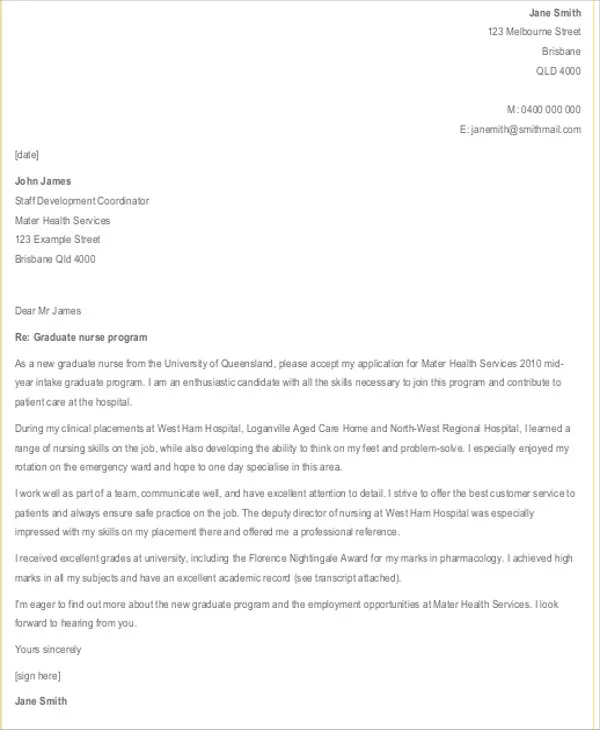
Why a Cover Letter Matters for College Grads
As a college graduate entering the job market, a well-crafted cover letter is your first opportunity to make a strong impression on potential employers. While your resume provides a snapshot of your skills and experiences, the cover letter allows you to tell your story, express your enthusiasm, and demonstrate how your qualifications align with the specific job requirements. It provides context to your application, offering insights into your personality, communication skills, and career aspirations. Many hiring managers consider a cover letter to be a crucial element of the application process, as it reveals your writing abilities, attention to detail, and genuine interest in the position. A compelling cover letter can significantly increase your chances of getting an interview, setting you apart from other applicants who may only submit a resume.
Highlighting Your Skills and Experiences
Your cover letter is the perfect platform to showcase the skills and experiences you’ve gained during your college years. Instead of simply listing your qualifications, use the letter to elaborate on how these skills translate into value for the employer. Think about the specific requirements mentioned in the job description and identify the relevant skills you possess. Provide specific examples of how you’ve utilized these skills in previous internships, coursework, or extracurricular activities. Quantify your achievements whenever possible to demonstrate the impact you’ve made. For instance, instead of saying “Managed social media accounts,” you could say “Increased social media engagement by 30% through targeted content and strategic scheduling.” This level of detail helps the employer visualize your potential contributions to their organization. Always ensure your skills align with the job description to show how you meet the needs of the hiring company.
Tailoring Your Cover Letter to the Job

Generic cover letters rarely impress hiring managers. To stand out, customize each cover letter to match the specific job and company. Research the company’s mission, values, and recent projects to demonstrate your interest and understanding of their work. Review the job description carefully and identify the key skills, experiences, and qualifications the employer is seeking. Use the cover letter to highlight how your skills align with their needs, providing specific examples from your background that prove you possess the required abilities. Mention the company by name and address the letter to the hiring manager, if possible. Tailoring shows that you have taken the time to understand the role and the company, making a stronger case for why you are the ideal candidate. A personalized cover letter shows initiative and a genuine interest that a generic one simply cannot convey.
Showcasing Relevant Coursework and Projects
College coursework and projects offer excellent opportunities to demonstrate your skills, even if you lack extensive professional experience. In your cover letter, mention relevant courses and projects that align with the job requirements. Describe the projects briefly, highlighting your role, the skills you utilized, and the outcomes you achieved. This demonstrates your practical knowledge and ability to apply your academic learning to real-world scenarios. For instance, if you’re applying for a marketing role, mention a marketing project where you developed a campaign strategy, analyzed data, or created promotional materials. Include any specific software or tools you used, such as Google Analytics or Adobe Creative Suite, as this showcases your technical proficiency. The aim is to prove your preparedness and eagerness for the job, which can be demonstrated through projects that showcase your skills to the employer.
Formatting Your Cover Letter Effectively
Proper formatting makes your cover letter easy to read and professional-looking. Use a clear and readable font, such as Times New Roman, Arial, or Calibri, in a size between 11 and 12 points. Maintain consistent formatting throughout the document, including the font style, size, and spacing. Use single spacing within paragraphs and double spacing between paragraphs to create visual separation. Ensure there are adequate margins (typically one inch on all sides) to prevent the text from appearing cramped. Divide your cover letter into distinct sections, such as an introduction, body paragraphs, and a conclusion, to guide the reader. Proofread carefully for any typos or grammatical errors, and consider having a friend or career advisor review your letter before submitting it to catch any errors you might have missed.
Using a Professional Tone

The tone of your cover letter should be professional and respectful, reflecting your personality while maintaining a business-like demeanor. Avoid using overly casual language, slang, or jargon that might not be understood by the hiring manager. Use formal language and proper grammar throughout the letter. Start with a polite greeting and address the hiring manager by name if possible. When describing your skills and experiences, be confident but not arrogant. Focus on what you can bring to the company, rather than solely focusing on your personal needs or desires. Maintain a positive and enthusiastic tone, showcasing your genuine interest in the position and the company. The goal is to make a positive impression without sounding unprofessional or overly familiar. A balance of confidence and respect ensures that the hiring manager will take your application seriously.
Choosing the Right Font and Layout
The font and layout you choose play a critical role in the readability and overall appeal of your cover letter. Select a professional and easy-to-read font, like Times New Roman, Arial, or Calibri, with a size between 11 and 12 points. These fonts are widely accepted and easy on the eyes. Avoid using fancy or overly decorative fonts that can distract from the content. Use clear headings and bullet points to break up the text and make it easier to scan. Ensure consistent formatting throughout the document, including margins, spacing, and alignment. Keep the layout clean and uncluttered, with plenty of white space. The overall goal is to make your cover letter visually appealing and easy for the hiring manager to read and absorb the important information. A well-formatted cover letter demonstrates attention to detail, professionalism, and respect for the reader’s time.
Common Cover Letter Mistakes to Avoid
Avoiding common mistakes is crucial for crafting an effective cover letter. Many applicants undermine their chances by making errors that are easily preventable. Common mistakes can range from grammatical errors to a lack of personalization. Make sure you carefully review your work and seek help to create a professional cover letter.
Generic Content and Lack of Personalization

One of the biggest mistakes is sending a generic cover letter that could apply to any job. Failing to tailor your letter to the specific company and role is a major red flag for hiring managers. Ensure you research the company and job description thoroughly, then highlight the skills and experiences that align with the requirements. Instead of using a generic greeting such as “To Whom It May Concern,” make an effort to find the hiring manager’s name and address the letter to them directly. Generic content shows a lack of effort and genuine interest, making it less likely that your application will stand out. Personalize your cover letter to show that you have taken the time to understand the role and why you are a good fit.
Typos and Grammatical Errors
Typos and grammatical errors can undermine your credibility and make you appear unprofessional. Proofread your cover letter carefully, and consider having a friend, family member, or career advisor review it before you submit it. Use spell-check and grammar-check tools, but don’t rely on them completely, as they might miss subtle errors. Pay close attention to sentence structure, punctuation, and word choice. Errors can create a negative impression and suggest a lack of attention to detail. A well-written cover letter is a reflection of your communication skills and professionalism. Taking the time to review for errors is a sign of your commitment to quality. Be sure to verify all the details, including the company’s name and the hiring manager’s title.
Focusing Too Much on Yourself
While it’s important to highlight your skills and experiences, avoid focusing solely on your personal needs or what you hope to gain from the job. The cover letter should primarily focus on how you can contribute to the company and what value you can bring to the role. Frame your qualifications in terms of the benefits they will bring to the employer. Instead of saying “I want to learn new skills,” explain how your existing skills will help the company achieve its goals. Demonstrate your understanding of the company’s needs and how your skills align with those needs. By focusing on how you can contribute, you position yourself as a valuable asset. Showing how your skills, experience, and interests align with the company’s needs demonstrates that you are a good fit for the organization.
Key Sections to Include in Your Cover Letter

A well-structured cover letter includes several key sections that help you convey your message effectively. Each section serves a specific purpose and contributes to the overall impact of your application. Proper organization enhances readability and makes it easier for hiring managers to quickly grasp the key information about your qualifications and interest in the position.
Contact Information and Date
At the top of your cover letter, include your contact information, such as your name, phone number, email address, and LinkedIn profile URL. Also include the date. This information makes it easy for the employer to contact you if they’re interested in your application. Your contact information should be clearly formatted and easy to read. Make sure that your email address is professional and that your voicemail greeting is also professional. Double-check all the contact information to prevent typos. This section helps recruiters identify and contact you if they want to proceed with your application. Correctness is of utmost importance, as it can influence the impression you give.
The Opening Paragraph
The opening paragraph of your cover letter should immediately grab the reader’s attention and clearly state the purpose of your letter. Start by mentioning the specific position you’re applying for and where you found the job posting. Then, briefly state why you are interested in the role and what makes you a strong candidate. It’s also a good idea to mention something specific that caught your attention about the company or the role. A compelling opening paragraph sets the tone for the rest of your letter and encourages the reader to continue reading. Avoid generic greetings or clichés. Instead, express your enthusiasm and highlight your most relevant qualifications to capture the hiring manager’s interest right away. The first impression should be impactful, so this sets a positive tone from the outset.
Body Paragraphs Showcasing Skills

The body paragraphs are the core of your cover letter. Use this space to elaborate on your skills and experiences, providing specific examples that demonstrate how you meet the job requirements. Focus on the key skills and qualifications mentioned in the job description. Use the STAR method (Situation, Task, Action, Result) to describe your accomplishments in previous roles or projects. Quantify your achievements whenever possible to showcase the impact you’ve made. Tailor your content to each job application, making sure to highlight the most relevant skills and experiences. The body of your cover letter is where you build your case. Provide evidence of your abilities and qualifications, helping the reader understand how you can contribute to the organization. This section builds the narrative, which is essential for demonstrating your alignment with the job.
The Closing Paragraph and Call to Action
In the closing paragraph, reiterate your interest in the position and thank the hiring manager for their time and consideration. Express your enthusiasm for the opportunity and restate your desire for an interview. Include a call to action, such as “I look forward to hearing from you” or “I am available for an interview at your earliest convenience.” Reiterate how your skills align with the company’s needs and what you can bring to the position. Use a professional closing, such as “Sincerely” or “Best regards,” followed by your name. A well-crafted closing paragraph reinforces your interest and leaves a positive final impression. It is the final element of your narrative, reminding the reader of your suitability for the role.
Resources and Examples for College Grads
Leveraging available resources can help you create a compelling cover letter. Take advantage of cover letter templates, online builders, and professional review services. These tools and services can assist you in tailoring the content of your cover letter and providing valuable feedback.
Cover Letter Templates for Different Fields

Using cover letter templates can save you time and help you get started. Many online resources offer templates tailored to different industries and job roles, such as marketing, finance, engineering, and more. These templates can provide a solid structure and guidance, helping you format your letter effectively and include the necessary information. Customize the template to fit your specific needs and experiences. Replace the sample content with your own details and tailor the language to match the job description. Some templates offer a variety of designs and layouts to choose from. The proper template can provide a foundation, letting you focus on highlighting your skills.
Online Cover Letter Builders
Online cover letter builders are valuable resources that can guide you through the process of writing a cover letter. They provide step-by-step instructions and templates, making it easier to create a professional-looking document. Many builders offer pre-written content and suggestions, helping you highlight your skills and experiences effectively. Some services integrate with your resume to automatically populate your cover letter with relevant information. The builders guide users on how to format and personalize the content. These platforms help you create a polished document with minimal effort, and they ensure you address each section correctly. Using online builders simplifies the creation process and can help you avoid common mistakes.
Professional Cover Letter Review Services
For personalized feedback and expert guidance, consider using a professional cover letter review service. These services are offered by career coaches, resume writers, and other professionals who specialize in helping job seekers create compelling cover letters. A professional review service provides detailed feedback on your content, formatting, and overall effectiveness. They can help you identify any weaknesses in your letter and suggest improvements. Reviewers will check for typos, grammatical errors, and clarity, helping you ensure your letter is polished. A professional review service provides an outside perspective and increases your chance of getting noticed. The value of having an expert review your cover letter is immense.