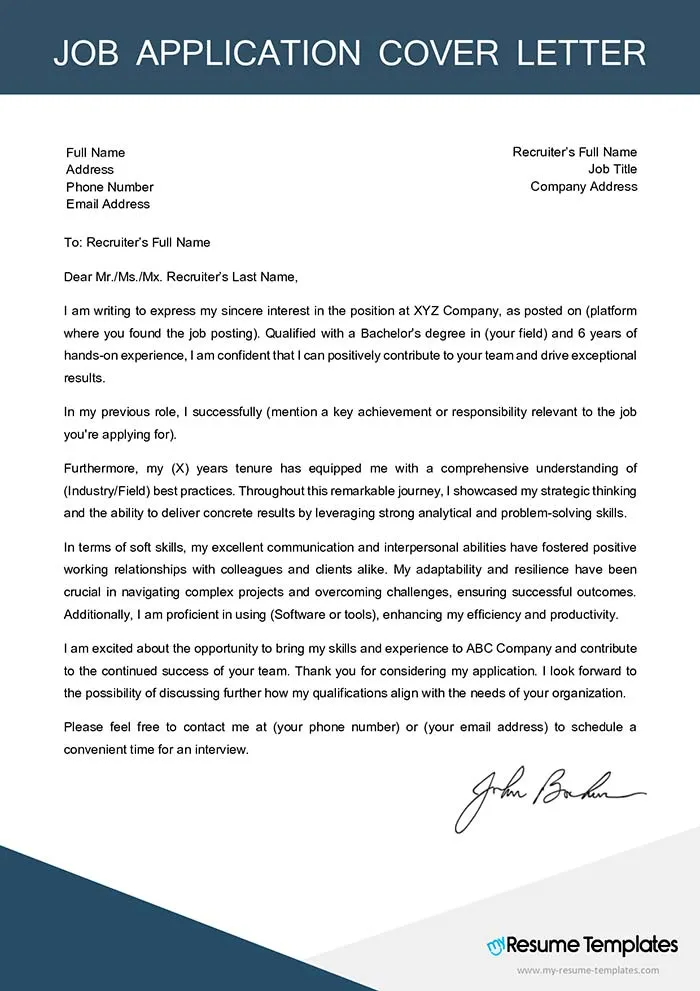
Cover Letter: What is it and Why Does It Matter?
A cover letter is a crucial document that accompanies your resume when applying for a job. It serves as your introduction to the hiring manager, providing a concise and compelling overview of your qualifications, skills, and experiences. Unlike a resume, which simply lists your accomplishments, a cover letter allows you to tell your story, explain why you’re the perfect fit for the role, and express your enthusiasm for the opportunity. A well-crafted cover letter can significantly increase your chances of getting noticed and securing an interview. Failing to provide a cover letter could mean missing opportunities. In today’s competitive job market, a cover letter can be the difference between getting your foot in the door or being overlooked. This guide will show you the ultimate cover letter tips to get hired.
Understand Your Value Proposition
Before you start writing, take some time to reflect on your value proposition. What unique skills, experiences, and qualities do you bring to the table? What makes you different from other candidates? Consider your strengths, accomplishments, and what you enjoy doing. Identify how your skills align with the requirements of the job and the needs of the company. Make sure that your value proposition is clear and concise. Use this reflection to show the reader why you’re the perfect candidate. Your goal is to show the reader why you are valuable to their company.
Highlight Relevant Skills and Experiences

Carefully review the job description and identify the key skills and experiences the employer is seeking. Then, select the most relevant skills and experiences from your background and tailor your cover letter to highlight them. Use specific examples to demonstrate how you’ve successfully applied those skills in previous roles or projects. Quantify your achievements whenever possible. For example, instead of saying “Managed social media,” say “Increased social media engagement by 30% in six months.” This will help the hiring manager quickly understand the value you can bring to their team. Do not list all your skills; the focus should be on the most valuable skills the company is looking for.
Tailoring Your Cover Letter for Each Job
One of the biggest mistakes job seekers make is sending the same generic cover letter for every job application. Customizing your cover letter for each role is essential. Take the time to research the specific requirements and preferences of each company and tailor your letter accordingly. Address the letter to the hiring manager by name whenever possible. Show that you understand the company’s mission, values, and goals. Demonstrate how your skills and experiences align with the specific needs of the role and the company. Avoid generic phrases and show you are genuinely interested in the specific job. Your goal is to provide the reader with a tailored cover letter specifically for them, rather than a general document.
Research the Company and the Hiring Manager
Before you start writing your cover letter, conduct thorough research on the company and the hiring manager. Visit the company’s website, read their “About Us” page, and browse their social media profiles. Understand their mission, values, culture, and recent news. If possible, research the hiring manager on LinkedIn to learn about their background, experience, and interests. This research will help you tailor your cover letter to demonstrate your genuine interest in the company and the role. Mention specific projects, initiatives, or values that resonate with you. Doing your research will show the hiring manager that you’re serious about the job.
Showcase Your Achievements

Focus on your accomplishments rather than simply listing your responsibilities. Use the STAR method (Situation, Task, Action, Result) to structure your examples and showcase your achievements effectively. Describe the situation you were in, the task you were assigned, the actions you took, and the results you achieved. Quantify your achievements whenever possible using data, numbers, and metrics. Did you increase sales? Reduce costs? Improve customer satisfaction? Provide specific examples of how you have made a positive impact in your previous roles. Your resume provides your job descriptions; the cover letter provides your achievements.
Use Action Verbs and Quantifiable Results
Use strong action verbs to describe your skills and experiences, such as “managed,” “developed,” “implemented,” “achieved,” and “improved.” Avoid passive language and focus on demonstrating your initiative and impact. Quantify your results whenever possible. Instead of saying “Improved customer service,” say “Improved customer satisfaction scores by 15% through implementing a new training program.” This will help the hiring manager understand the value you can bring to the role. Highlighting quantifiable achievements makes your accomplishments more convincing and memorable. This also demonstrates your analytical skills and results-oriented approach.
Proofread and Edit your Cover Letter
Before submitting your cover letter, proofread and edit it carefully. Check for any grammatical errors, typos, or spelling mistakes. Ensure that your writing is clear, concise, and easy to read. Ask a friend, family member, or career counselor to review your letter for feedback. A well-written, error-free cover letter demonstrates your attention to detail and professionalism. Consider using online grammar and spell-check tools to catch any errors you might have missed. Having a second pair of eyes on your cover letter can help you ensure accuracy and polish. Make sure you did not miss anything.
Formatting your Cover Letter

Formatting is a key part of a good cover letter. Use a professional and easy-to-read font, such as Times New Roman or Arial, with a font size of 11 or 12 points. Use clear headings and subheadings to organize your content. Keep the letter concise and avoid long blocks of text. Use bullet points to highlight key information. Maintain consistent margins and spacing throughout the document. Make sure your cover letter is visually appealing and easy to read. Your cover letter should be easy to navigate.
Essential Elements for a Compelling Cover Letter
Every cover letter should include the following key elements: your contact information, the date, the hiring manager’s name and title (if available), a compelling opening paragraph, a body paragraph or two highlighting your relevant skills and experiences, and a strong closing paragraph. Tailor these elements to each specific job application. Demonstrate your genuine interest in the role and the company. Use a professional tone and avoid any jargon or slang. Make sure your cover letter is well-organized, easy to read, and free of errors. These elements will help you catch the hiring manager’s attention. Remember that this is your chance to impress the reader.
The Opening Paragraph Strategy
Your opening paragraph is your first chance to make a positive impression. Start with a hook that grabs the reader’s attention. Mention the position you are applying for and where you found the job posting. State why you’re excited about the opportunity and the company. Briefly highlight your most relevant skills and experiences. You can also mention a mutual connection or a shared value. The opening paragraph sets the tone for the rest of the letter. Keep it concise, enthusiastic, and tailored to the specific job and company.
The Body Paragraph Strategy

The body paragraphs are where you showcase your skills, experiences, and achievements in more detail. Focus on the most relevant qualifications for the role. Use the STAR method (Situation, Task, Action, Result) to provide concrete examples of your accomplishments. Quantify your achievements whenever possible. Explain how your skills and experiences align with the requirements of the job and the needs of the company. Show, don’t just tell, why you are the best candidate for the role. Your goal is to convince the hiring manager that you are the ideal candidate. Tailor your body paragraphs for the specific job you are applying for.
The Closing Paragraph Strategy
In your closing paragraph, reiterate your interest in the position and the company. Summarize your key qualifications and why you are a great fit for the role. Express your enthusiasm for the opportunity and your desire to learn more. Include a call to action, such as requesting an interview or stating that you look forward to hearing from them. Thank the hiring manager for their time and consideration. Make a lasting impression by ending on a positive note and expressing your gratitude for their time.