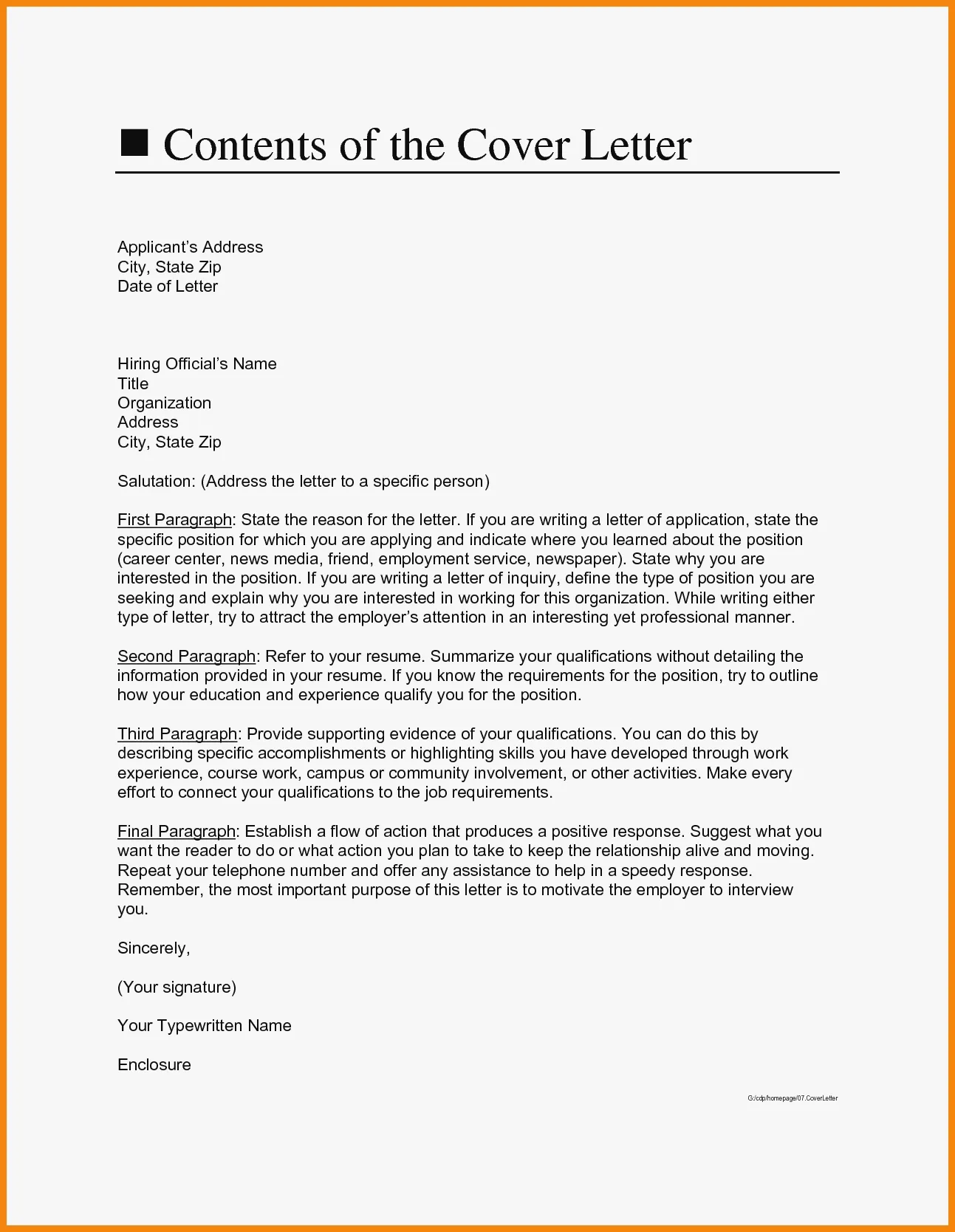
How to Address Cover Letter When Name Unknown
Crafting a compelling cover letter is crucial for making a strong first impression on potential employers. However, a common challenge arises when you don’t know the hiring manager’s name. Addressing your cover letter correctly is essential for showcasing your attention to detail and professionalism. Failing to do so might lead to your application being overlooked. This guide provides practical strategies for addressing your cover letter effectively, even when the recipient’s name is unknown. We’ll cover tactics for researching the hiring manager, and alternative salutations that maintain a professional tone while still grabbing the reader’s attention. Remember, a well-addressed cover letter demonstrates initiative and respect for the hiring process.
Researching the Hiring Manager
Before resorting to generic salutations, invest time in identifying the hiring manager’s name. This extra effort demonstrates your commitment and keen interest in the position. There are several methods to find this information, ranging from online research to direct contact with the company. By taking the time to personalize your cover letter, you show that you care enough to go the extra mile, setting yourself apart from other applicants. With a little bit of effort, you may be able to find the person who will be reading your cover letter, which can make a big difference when trying to get a job.
Using LinkedIn to Find the Right Person

LinkedIn is an invaluable tool for job seekers. Start by searching for the company on LinkedIn, then navigate to the ‘People’ section. Use keywords like ‘hiring manager,’ ‘recruiter,’ or the specific job title to filter the results. If a specific person is listed, you can confidently address your cover letter to them. Even if you can’t find the exact person, identifying the department head or a senior member of the team can be a good second choice. Make sure you tailor the content of your cover letter to include information to match the person you are sending your cover letter to. This will make the hiring manager take notice of your application, and potentially boost your chances of getting an interview.
Checking the Company Website
Many companies list their team members or key contacts on their website. Explore the ‘About Us,’ ‘Careers,’ or ‘Contact’ sections. Look for a list of employees or a directory. Sometimes, the person in charge of hiring will be identified. Even if a specific name isn’t available, you might find the department or team responsible for hiring. This information can help you tailor your cover letter and address it more precisely. The goal is to show the hiring manager that you went the extra mile to make sure you are sending the cover letter to the right person.
Calling the Company Directly
If online research yields no results, don’t hesitate to call the company. Politely ask the receptionist or HR department for the hiring manager’s name or the appropriate contact person for the specific job. Be prepared to briefly state the position you are applying for. This direct approach shows initiative and a willingness to go the extra mile. Make sure you remain professional and polite during the call. By calling the company, you are not only trying to find the hiring manager’s name, but also showing that you are serious about getting the job.
When to Use ‘Dear Hiring Manager’

If, after diligent research, you still can’t find a name, ‘Dear Hiring Manager’ is an acceptable alternative. However, it is best used as a last resort. Be mindful that this is a generic greeting, so you need to ensure that the rest of your cover letter stands out. To offset the lack of a specific name, make sure your letter is exceptionally well-written, showcasing your relevant skills, experience, and enthusiasm for the role. Personalize the content to the company and the specific job description as much as possible. If you do not have a name to put on your cover letter, focus on all of the information you do have.
Benefits of Addressing the Cover Letter to the Right Person
Personalizing your cover letter demonstrates a proactive approach. It shows that you took the initiative to find out who would be reading your application. This level of effort can significantly improve your chances of being noticed. It shows the employer that you are interested and enthusiastic about the job opening. A personalized cover letter demonstrates attention to detail and a genuine interest in the position, which can set you apart from other applicants. This helps to show the potential employer that you are the best person for the job.
Showcasing Attention to Detail
Addressing your cover letter to a specific person highlights your attention to detail. This is a crucial quality that employers look for. It also shows your understanding of the importance of personalized communication in professional settings. Being detail-oriented means that you pay close attention to all the details of the job. If you pay attention to detail on your cover letter, the hiring manager will be more inclined to think you will pay attention to detail when doing the job. By personalizing the cover letter, you show the hiring manager how detail-oriented you are.
Making a Positive First Impression

A well-addressed cover letter immediately creates a positive first impression. It tells the hiring manager that you are serious about the job. It shows that you understand the significance of personalized communication. This can lead to a more favorable initial perception of your application, increasing your chances of moving forward in the hiring process. If you have a good first impression, the hiring manager will be more inclined to give you the time of day when they look at your cover letter. Addressing the hiring manager will help to create a good first impression, and boost your chances of getting an interview.
Alternatives to ‘Dear Hiring Manager’
If you are unable to find the hiring manager’s name, there are several alternatives to the generic ‘Dear Hiring Manager’ that still convey professionalism. These alternatives can help make your cover letter stand out. Make sure you have chosen the best option for the job application. You may want to avoid using ‘Dear Sir or Madam’, as it is quite outdated. The important thing is to have the right salutation to get you through to the hiring manager.
Using a Job Title
If you know the job title of the hiring manager or the person responsible for reviewing applications, you can use it. For example, ‘Dear [Job Title]’. This shows that you understand the organizational structure. It keeps your cover letter professional. This approach is preferable to a generic greeting, as it demonstrates that you have researched the company and the role. If you do not know who to address the cover letter to, use their job title. If you do not know the hiring manager’s name, the next best thing is to use their job title.
Dear [Department] Team

If you know which department is responsible for the hiring, you can use ‘Dear [Department] Team’. This is a great way to get the attention of the right people. This approach is more personal. It also indicates that you have researched the company. This option is especially useful if the specific person or job title is unknown, but you know the team or department responsible for hiring. The more you know about the department, the better you can make your cover letter. The department team approach shows your understanding of the structure of the company.
Best Practices for Cover Letter Salutations
Regardless of the salutation you choose, adhering to best practices is crucial. Always proofread your cover letter for any grammatical errors. This ensures that your application is polished and professional. Make sure you maintain a formal tone throughout your cover letter. This helps show that you are serious about the job application. Personalize the content to the job description and the company as much as possible. Highlighting your skills and experiences that match the requirements can help increase your chances. These practices will increase the effectiveness of your cover letter, and boost your chances.
Formatting Your Cover Letter for Success
Proper formatting is key to a professional cover letter. Use a clear and readable font, such as Times New Roman or Arial. Make sure your cover letter has consistent spacing and margins. Keep the letter concise and focused on your most relevant qualifications. Consider using bullet points to highlight key skills and achievements, making the information easy to read and scan. Ensure there are no spelling or grammar errors. These are details that indicate your attention to detail. A well-formatted cover letter shows that you care about the job application. It also ensures a positive first impression.