Why a Cover Letter is Important
In the competitive job market, a well-crafted cover letter can be your golden ticket to landing an interview. It’s your first chance to make a strong impression on the hiring manager, setting the tone for your application. Unlike a resume, which provides a snapshot of your experience, a cover letter allows you to tell your story, connecting your skills and experiences to the specific requirements of the job. It’s an opportunity to showcase your personality, passion, and enthusiasm for the role. In an age where many applications are screened by automated systems, a personalized cover letter can help you stand out from the crowd. It demonstrates that you’ve taken the time to understand the company and the position, making you a more attractive candidate.
Cover Letter Addressing Mistakes
One of the biggest blunders you can make is failing to address your cover letter to the appropriate person. Using a generic greeting like “To Whom It May Concern” or “Dear Sir/Madam” signals a lack of effort and interest. This immediately makes your application seem less appealing. Such generic salutations often land your application in the ’no’ pile. It is imperative that you address your letter to the hiring manager by name. Another common error is misspelling the name or using the wrong title. Take the time to verify the name and title; a simple error can make you appear careless. Failing to tailor the letter to the specific company and role is another oversight. Generic cover letters that could apply to any job are quickly dismissed.
Researching the Hiring Manager

Researching the hiring manager is a critical step in crafting a compelling cover letter. This is your chance to go beyond the job description and show that you genuinely understand the company and the team you could be joining. Start by visiting the company website and exploring their ‘About Us’ or ‘Team’ pages to identify the hiring manager’s name and role. Use LinkedIn to find the hiring manager. Look at their profile to gain insights into their experience, background, and interests. This information can inform your letter, allowing you to tailor your communication and show how your skills align with their expectations. Understanding their background enables you to reference common connections, shared experiences, or specific projects that might resonate with them.
How to Find the Hiring Manager’s Name
The quest to find the hiring manager’s name can sometimes feel like a treasure hunt, but several avenues can lead you to the information you need. Start by carefully reviewing the job posting itself. Often, the name of the hiring manager or a contact person is listed, either directly or indirectly. If the job posting doesn’t provide a name, explore the company’s website, particularly the ‘About Us’ or ‘Contact Us’ pages. Company directories and team pages can reveal the hiring manager. Use LinkedIn to search for the company and then browse profiles to identify the relevant person. If the name is still elusive, consider reaching out to someone in the company who might know or contacting the HR department directly. Networking with people in your field can also prove beneficial. They may have connections or insights that can help you obtain the name.
Cover Letter Formatting
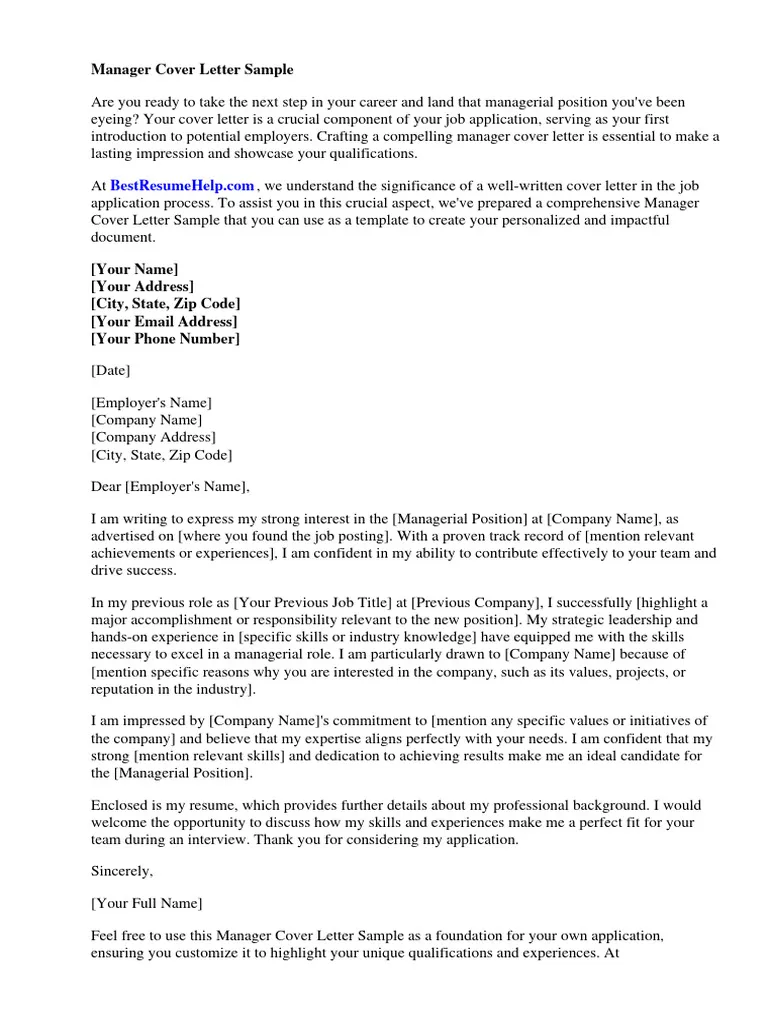
Formatting your cover letter properly is as important as the content itself. A well-formatted letter is easy to read, professional, and demonstrates attention to detail. Use a clean and readable font such as Arial, Calibri, or Times New Roman, and keep the font size between 10 and 12 points. Ensure your letter is single-spaced with a space between each paragraph. Include your contact information at the top of the letter, including your name, phone number, email address, and LinkedIn profile URL. Include the date, the hiring manager’s name and title, and the company’s name and address. Maintain consistent margins (usually 1 inch on all sides). The letter should be concise and direct, typically one page long. Use bullet points to highlight key skills or achievements to make them stand out.
Personalizing Your Cover Letter

Personalization goes beyond simply addressing the letter to the hiring manager. It’s about demonstrating that you’ve researched the company and understand their values, mission, and specific needs. Start by referencing the company’s recent projects, news, or initiatives that resonate with you. Mention specific aspects of the role that excite you and explain how your skills and experience align with their requirements. Whenever possible, tailor your letter to the specific role. Highlight the qualifications and experiences that are most relevant to the job description. Show, rather than tell, by providing concrete examples. Back up your claims with specific achievements that show your accomplishments. The more you personalize your cover letter, the more you’ll stand out as a candidate.
Highlighting Your Skills and Achievements
Your cover letter is the perfect place to showcase your skills and achievements, but it’s important to do so strategically. Instead of simply listing your skills, provide specific examples of how you’ve used them to achieve results. Use the STAR method (Situation, Task, Action, Result) to tell compelling stories that demonstrate your capabilities. Quantify your achievements whenever possible. For example, instead of saying “Improved customer satisfaction,” state “Increased customer satisfaction scores by 15% in six months.” Connect your skills and achievements to the requirements of the job. Show the hiring manager how your experiences make you a strong fit for the role. Focus on the skills and experiences that are most relevant to the position. This will make your letter more compelling and show you are an ideal candidate.
Writing a Strong Opening Statement
The opening statement is crucial for grabbing the hiring manager’s attention and setting the tone for the rest of your letter. Avoid generic greetings like “Dear Sir/Madam” and instead address the letter to the hiring manager by name. State the specific position you’re applying for. Briefly explain why you are interested in the role and the company. You can also provide a brief overview of your qualifications or a key achievement that showcases your value. Keep it concise and make it clear why you are a good fit for the job. Your opening statement should be engaging and reflect your enthusiasm. The goal is to convince the hiring manager to keep reading.
Showcasing Relevant Experience

In the body of your cover letter, focus on highlighting your relevant experience in a way that demonstrates how you can contribute to the company’s success. Instead of simply listing your past jobs and responsibilities, tailor each experience to the requirements of the specific role. Use the job description as your guide and emphasize the experiences that align most closely with the listed qualifications. Provide specific examples of your achievements and quantify them whenever possible. Explain how you’ve used your skills to solve problems, drive results, or improve processes in previous roles. Use action verbs to describe your contributions and accomplishments. Aim for a balance between showcasing your skills and demonstrating your understanding of the job. This shows that you’re not just qualified on paper but also that you can make a real impact.
Crafting a Compelling Closing
Your closing statement is the final impression you leave on the hiring manager, making it an excellent chance to reiterate your interest and enthusiasm. Express your sincere interest in the position and the company. Reiterate your key qualifications and briefly summarize why you’re the right candidate. End with a clear call to action, such as inviting the hiring manager to contact you for an interview. Thank the hiring manager for their time and consideration. Keep the tone of your closing professional and enthusiastic. Avoid sounding overly eager or demanding. A strong closing statement will leave the hiring manager with a positive impression and increase your chances of getting a response.
Proofreading Your Cover Letter
Proofreading is an essential step in the cover letter writing process. Errors in grammar, spelling, and punctuation can undermine your credibility and make you appear careless. Read your letter carefully multiple times, looking for any mistakes. Use a spell checker and grammar checker to catch any errors. However, don’t rely solely on these tools; they might miss subtle errors or inconsistencies. Consider having a friend, family member, or career counselor review your letter for errors. They may catch mistakes that you might miss. Ensure that the formatting is consistent throughout the letter. A well-proofread cover letter shows attention to detail and professionalism, which is crucial for making a positive impression.
Cover Letter Tone and Style

The tone and style of your cover letter should be professional and tailored to the company culture and the job requirements. Maintain a positive and enthusiastic tone throughout the letter. Show your passion for the role and the company. Use clear, concise language, avoiding jargon and overly complex sentences. Use action verbs to describe your accomplishments and contributions. Be authentic and let your personality shine through, but be careful to remain professional. Consider the specific industry and company culture when determining your tone. Some companies prefer a more formal tone, while others are more relaxed. The goal is to create a cover letter that is both professional and engaging, making you a memorable candidate.
Avoiding Common Cover Letter Errors
Several common errors can sabotage your cover letter. First and foremost, avoid generic, one-size-fits-all cover letters. Tailor each letter to the specific job and company. Proofread carefully to avoid errors in grammar, spelling, and punctuation. Avoid being overly wordy; keep your letter concise and focused. Don’t repeat information from your resume; instead, use the cover letter to expand on your key accomplishments. Don’t use clichés or generic phrases that don’t add any value. Be sure to focus on what you can do for the company, not just what you want from the job. Avoid including negative information or discussing reasons for leaving a previous job. By avoiding these common errors, you can significantly improve the effectiveness of your cover letter and increase your chances of landing an interview.