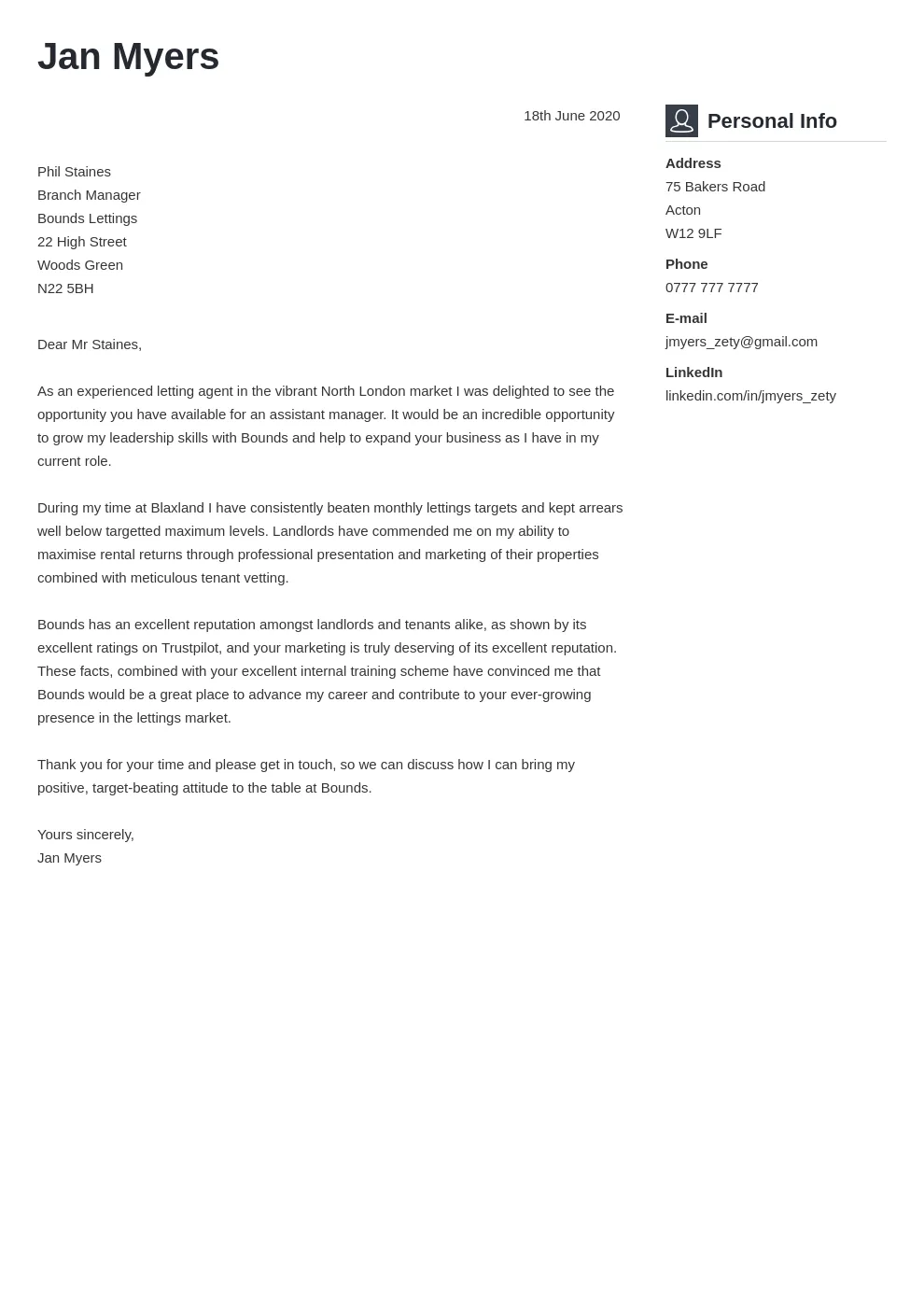
Understanding the Importance of a CV Cover Letter
In the competitive landscape of job applications, a well-crafted CV cover letter can be the differentiating factor that elevates your application above the rest. It serves as your first and often most impactful introduction to a potential employer, allowing you to showcase not just your skills and experience, but also your personality, enthusiasm, and genuine interest in the role and the company. A CV, or Curriculum Vitae, provides a comprehensive overview of your qualifications; the cover letter provides context, telling the story behind your resume and explaining why you are the perfect fit. Failing to include a cover letter, or submitting a poorly written one, can be a significant missed opportunity. A strong cover letter provides a chance to make a great first impression, demonstrating your communication skills and professionalism, both of which are critical in almost every professional setting.
Why a Cover Letter Matters
A cover letter is not merely a formality; it is a powerful tool for shaping the hiring manager’s perception of you. It allows you to personalize your application and demonstrate how your skills and experience align with the specific requirements of the job. It’s an opportunity to go beyond the bullet points of your CV and tell a compelling narrative. The cover letter also reveals your writing and communication skills, which are crucial for most positions. Furthermore, it gives you a chance to address any potential gaps in your employment history or explain why you’re transitioning careers. By tailoring the cover letter to each job application, you signal to the employer that you’ve taken the time to understand their needs and are genuinely interested in the position. This level of personalization distinguishes you from generic applicants.
Key Components of a Successful Cover Letter

A successful cover letter is a concise, well-structured document that grabs the reader’s attention from the outset and clearly communicates your value proposition. Begin with a professional header including your contact information and the date. Then, address the hiring manager directly if possible; if not, use a professional greeting like ‘Dear Hiring Manager’. The body of your letter should consist of a compelling introduction, followed by one or two paragraphs that highlight your most relevant skills and experiences. The concluding paragraph should summarize your key qualifications and express your interest in the position, accompanied by a call to action, such as requesting an interview. The language should be clear, concise, and persuasive, focusing on what you can bring to the company, not just listing your past accomplishments. Proofread and edit meticulously to ensure there are no grammatical errors or typos. Remember to tailor each letter to the specific job and company.
Formatting and Structure for Impact
Header Information Best Practices
The header of your cover letter should include your full name, address, phone number, and email address. It should be placed at the top of the document, typically aligned to the left or right. Below your contact information, include the date. Then, add the hiring manager’s name (if known), their title, and the company’s name and address. This ensures that the cover letter looks professional and makes it easy for the hiring manager to contact you. Use a clear and readable font, such as Times New Roman, Arial, or Calibri, and maintain a consistent font size throughout the document. The header is your first opportunity to make a positive impression and showcase your attention to detail.
Salutation and Addressing the Recipient

Addressing the recipient correctly is crucial for making a good first impression. If you know the name of the hiring manager, use it. ‘Dear Mr./Ms. [Last Name]’ is more personal and shows that you’ve taken the time to find out the name. If the name is unavailable, ‘Dear Hiring Manager’ is a good alternative. Avoid generic salutations such as ‘To Whom It May Concern’, as they appear impersonal. Always double-check the spelling of the recipient’s name to ensure accuracy. Proper salutations create a positive tone, indicating respect and professionalism. Ensure the greeting aligns with your overall professional image. If you know the gender of the hiring manager, use the appropriate title. In uncertain situations, it is best to err on the side of formality. If you are unsure, a search on LinkedIn may help.
Crafting a Compelling Opening Paragraph
The opening paragraph is your chance to capture the reader’s attention and immediately convey your enthusiasm for the position. It should be concise and clearly state the position you are applying for and where you saw the job posting. Then, briefly mention why you are interested in the role and the company. Consider including a brief, impactful statement about your key skills or a relevant achievement that aligns with the job requirements. This hook should create interest and encourage the reader to continue reading. Avoid generic openings, such as ‘I am writing to apply for the position of…’ Instead, aim to be more engaging and show genuine interest in the opportunity. Make sure your opening statement is tailored to the specific job and company and reflects your understanding of their needs and the role’s requirements. Make it count.
Highlighting Relevant Skills and Experience
The body of your cover letter should expand on your qualifications and demonstrate how your skills and experience align with the job requirements. Focus on the most relevant aspects of your background. Avoid simply restating your CV; instead, provide context, give specific examples, and quantify your achievements whenever possible. Use action verbs to describe your responsibilities and accomplishments. Demonstrate how your skills have led to positive outcomes, such as increased sales, improved efficiency, or successful project completion. Customize this section to address the specific requirements mentioned in the job description. The goal is to prove your value to the employer by showcasing how your unique skills and experiences are a perfect match for the role and the company’s needs.
Showcasing Achievements and Quantifiable Results

Providing evidence of your achievements is crucial for making your cover letter more impactful. Whenever possible, quantify your accomplishments using numbers and data. Instead of saying ‘Managed a team’, state ‘Managed a team of 10 employees, increasing productivity by 15%’. This level of detail makes your claims more credible and allows the employer to clearly see the value you bring. Focus on results that are relevant to the job you are applying for. Highlight any improvements, cost savings, or positive outcomes you have achieved in past roles. Use metrics and quantifiable results to demonstrate your impact, such as ‘Reduced operational costs by 10%’, or ‘Increased customer satisfaction scores by 20%’. Use the STAR method (Situation, Task, Action, Result) to describe specific instances where you have used your skills to achieve positive outcomes.
Tailoring Your Letter to the Job Description
To make your cover letter as effective as possible, it is essential to tailor it to each job description. Carefully review the job posting and identify the key skills, experiences, and qualifications the employer is seeking. Then, use your cover letter to highlight the aspects of your background that directly address these requirements. Use the same keywords and phrases that are used in the job description. This not only helps to demonstrate your understanding of the role but also helps the letter pass through Applicant Tracking Systems (ATS). Show how your skills and experience make you a great fit for the specific requirements, by giving relevant examples. By customizing your cover letter, you demonstrate to the employer that you have carefully considered the opportunity and are genuinely interested in the role. Avoid sending out generic cover letters.
Closing Paragraph and Call to Action
The closing paragraph should summarize your key qualifications and reiterate your interest in the position. Briefly restate why you are a strong candidate and what you can bring to the company. Express your enthusiasm for the opportunity and thank the reader for their time and consideration. Include a clear call to action, such as requesting an interview or offering to provide additional information. Keep the closing concise and professional. Avoid overly enthusiastic or casual language. The call to action should make it easy for the hiring manager to take the next step. End with a professional closing, such as ‘Sincerely’ or ‘Best regards’, followed by your name and contact information. Make sure you have your contact information, including a phone number and email, easy to find. It should be readily visible to the employer.
Proper Formatting Guidelines

The formatting of your cover letter significantly impacts its readability and professional appearance. Use a standard font, such as Times New Roman, Arial, or Calibri, with a font size of 11 or 12 points. Maintain consistent formatting throughout the document. Use single spacing for the body of the letter, with a double space between paragraphs. Align the text to the left, avoiding justification unless explicitly required. Use appropriate margins (typically 1 inch on all sides) to ensure the text is not crowded. Ensure that there are no spelling or grammatical errors. The cover letter should fit on one page, unless a specific requirement is stated in the job description. The overall look should be clean and easy to read. These formatting guidelines ensure that your cover letter is professional, readable, and easy to scan.
Proofreading and Editing for a Polished Letter
Common Mistakes to Avoid
Several common mistakes can undermine the effectiveness of your cover letter. Avoid generic language and phrases that do not specifically address the job. Avoid mentioning negative experiences from past jobs or showing desperation. Do not simply restate your CV; the cover letter should add more value. Ensure that there are no typos or grammatical errors. Ensure the tone is professional. Avoid using slang or informal language. Do not provide excessive personal details that are not relevant to the job. Refrain from including irrelevant information or lengthy narratives that distract from your key qualifications. Never send a cover letter that is addressed to the wrong company or role. Ensure that you tailor your letter to the specific requirements mentioned in the job description. Proofread multiple times to ensure the document is polished and professional.
Using the Right Tone and Language

The tone and language you use should be professional, enthusiastic, and tailored to the industry and the company culture. Use a formal tone unless the job description specifies a more casual approach. Avoid overly casual language or slang. Use action verbs and strong, active language to describe your accomplishments and responsibilities. Maintain a positive and confident tone throughout the letter. Show your enthusiasm for the opportunity and your interest in the company. Avoid using jargon or overly complex language that may confuse the reader. The language should be clear, concise, and easy to understand. The aim is to present yourself as a professional who communicates effectively. The language should reflect your skills and experiences and also align with the company’s values and branding.
Cover Letter Examples and Templates
Adapting Examples to Your Needs
While cover letter examples and templates can be helpful resources, it’s essential to adapt them to your specific situation. Do not simply copy and paste a template; instead, use it as a guide to structure your own letter. Replace the generic information with your own details, skills, and experiences. Tailor the language and content to reflect your unique qualifications and the specific requirements of the job. Customize the tone and style to match the company’s culture. The key is to personalize the example to make it authentic and relevant. Make sure your own personality and voice are reflected. Proofread meticulously and edit the adapted example to ensure there are no grammatical errors or typos. A well-adapted cover letter will showcase your skills and make you stand out from other applicants.
In conclusion, a well-crafted CV cover letter is a crucial element of a successful job application. By understanding its importance, following the key components, and adhering to the proper formatting guidelines, you can create a cover letter that grabs the hiring manager’s attention, highlights your qualifications, and increases your chances of getting hired. Remember to tailor each cover letter to the specific job and company and always proofread and edit for a polished, professional presentation. A great cover letter helps make the perfect first impression and helps you achieve your job-seeking goals.