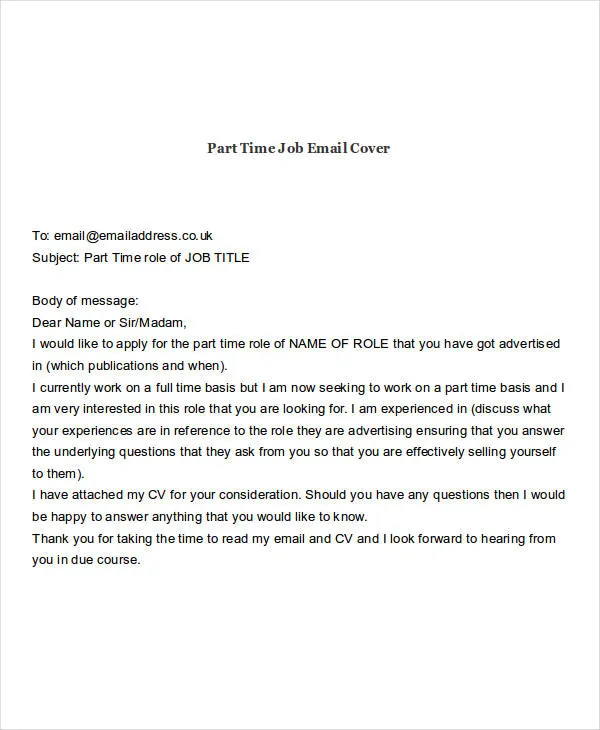
Email Job Cover Letter: Introduction
In today’s competitive job market, a well-crafted email job cover letter is more important than ever. It’s often the first impression you make on a potential employer, setting the tone for your entire application. A strong email cover letter highlights your qualifications, expresses your interest in the role, and persuades the hiring manager to read your resume. A generic, poorly written cover letter can easily get your application tossed aside. This guide provides 10 essential tips to help you write an email job cover letter that stands out and increases your chances of landing an interview. Each tip builds upon the previous, providing you with a comprehensive strategy for success. Mastering these strategies will transform your job search, making you a more competitive candidate.
Tip 1 Tailor Your Email Job Cover Letter
Avoid the dreaded one-size-fits-all cover letter. Tailoring your email job cover letter to each specific job and company is crucial. Generic letters signal a lack of genuine interest and effort. Hiring managers can spot generic applications a mile away, and such applications often end up in the rejection pile. Customizing your cover letter demonstrates that you’ve taken the time to understand the role and the company’s needs. This shows that you are genuinely interested in the position and willing to put in the necessary effort. This level of personalization significantly increases your chances of being considered for an interview.
Why Tailoring Matters

Tailoring your cover letter shows that you understand the specific requirements of the job and the company’s values. It allows you to directly address the key needs and demonstrate how your skills and experience align with what the employer is looking for. This alignment is what hiring managers are seeking, making your application more compelling. Tailoring also helps you to stand out from other applicants who may be using generic templates. By showcasing how your skills and experience directly match the job requirements, you present yourself as a strong and suitable candidate.
How to Tailor Your Cover Letter
Start by carefully reading the job description. Identify the key skills, qualifications, and experiences the employer is seeking. Then, highlight the relevant aspects of your own background, using specific examples to demonstrate how you meet those requirements. Research the company to understand its mission, values, and recent projects. Mentioning specific aspects of the company that resonate with you shows that you have done your homework and that you are genuinely interested in working there. This personalized approach makes your cover letter more impactful and memorable.
Tip 2 Use a Clear and Concise Subject Line
Your subject line is the first thing a hiring manager sees, making it critical for grabbing their attention. A clear and concise subject line ensures that your email gets opened and read. A vague or missing subject line could result in your email being overlooked or, worse, deleted. A well-crafted subject line provides context, clearly indicating the purpose of your email. This helps the hiring manager quickly understand what your email is about, increasing the likelihood that they will open it. This simple step dramatically improves the chances that your application is reviewed.
Subject Line Best Practices

Keep it brief and to the point. Use keywords from the job description to align with the role you are applying for. Include the job title and your name to identify the purpose of your email immediately. Avoid using generic terms like ‘Cover Letter’ or ‘Job Application’. These phrases lack the specificity needed to capture the hiring manager’s attention. Use a professional tone, and ensure that it accurately reflects the contents of your email.
Examples of Effective Subject Lines
Here are a few examples: ‘Application for Marketing Manager – [Your Name]’; ‘Software Engineer Application – [Your Name]’; ‘Resume and Cover Letter – [Your Name] – [Job Title]’. These subject lines are specific, professional, and help the hiring manager quickly understand the purpose of your email. They make it easy for the hiring team to organize and prioritize applications. By using these clear and effective subject lines, you significantly increase the chances of your application getting noticed and reviewed.
Tip 3 Start with a Strong Opening
The opening of your email job cover letter is your first opportunity to make a great impression. It sets the tone for the entire message and captures the reader’s interest. A strong opening gets the hiring manager’s attention and encourages them to read further. A weak or generic opening can lead to your email being discarded without a second glance. It’s crucial that you create an opening that is both compelling and engaging, highlighting your enthusiasm for the role.
Avoid Generic Greetings

Avoid clichés like ‘Dear Sir/Madam’ or ‘To Whom It May Concern’. These generic greetings are impersonal and show that you have not taken the time to personalize your application. Instead, try to find the hiring manager’s name and address them directly. If you cannot find a specific name, use a professional greeting like ‘Dear Hiring Manager’. Personalization makes a significant impact, and helps the letter be more memorable. This shows that you are detail-oriented and invested in the position.
Crafting a Compelling Opening
Start with a statement that grabs the reader’s attention. You can mention something specific that attracted you to the company or the role. Briefly state why you are a strong fit for the position and what you can bring to the company. This shows you understand the company’s needs and can offer a valuable solution. Consider using a brief anecdote that highlights a relevant skill or achievement. Ensure that your opening is concise, enthusiastic, and clearly states your interest in the role.
Tip 4 Highlight Relevant Skills and Experience
Your cover letter is the place to showcase your skills and experience in a way that aligns with the job requirements. The goal is to convince the employer that you possess the necessary qualifications. Focusing on the most relevant skills and experiences will make your application more impactful. This targeted approach will help the hiring manager quickly see why you are a good fit, and increase the chances of securing an interview. Highlighting the right things shows you understand the job’s requirements and can deliver results.
Identifying Key Skills

Carefully review the job description to identify the essential skills and qualifications the employer is seeking. Create a list of your skills and experiences, then find the overlaps between your qualifications and the job requirements. Prioritize highlighting those skills that align most closely with the job description. This targeted approach ensures you present the most relevant information, immediately capturing the hiring manager’s interest. Make sure that you do not just list skills, but provide concrete examples.
Showcasing Your Achievements
Use the STAR method (Situation, Task, Action, Result) to describe your achievements. This structured approach helps you tell a compelling story that demonstrates your abilities. Describe the situation you faced, the task you were assigned, the actions you took, and the results you achieved. Quantify your results whenever possible. These tangible results give your claims credibility and demonstrate your value. By using this method, you provide clear evidence of your capabilities and increase the impact of your application.
Tip 5 Quantify Your Accomplishments
Quantifying your accomplishments is a powerful way to make your claims more credible and impactful. Numbers and data provide concrete evidence of your abilities and the value you bring to a company. Instead of simply stating that you are ‘good at sales’, describe how you ‘increased sales by 20%’. Quantifiable results make your cover letter more persuasive. They prove you can deliver results and are worth the hiring manager’s consideration. Specific metrics help employers understand the tangible impact you have made in previous roles.
The Power of Numbers

Numbers and statistics add weight to your claims. They provide concrete evidence of your success, which resonates with hiring managers. Instead of saying that you managed a team, state the size of the team, the projects you led, and the outcomes achieved. Numbers make your accomplishments more memorable and show your tangible contributions. Consider using percentages, dollar amounts, and other quantifiable metrics to showcase your achievements effectively.
Examples of Quantifiable Results
Here are some examples: ‘Increased customer satisfaction by 15%’; ‘Reduced project costs by 10%’; ‘Managed a budget of $1 million’; ‘Increased website traffic by 25%’. By including quantifiable results, you demonstrate the value you bring to a company and make your cover letter more compelling. These specific examples will make a strong impression on the hiring manager, demonstrating your ability to achieve results.
Tip 6 Demonstrate Your Knowledge of the Company
Demonstrating that you have researched the company shows your genuine interest and initiative. Hiring managers appreciate candidates who take the time to learn about their organization. This knowledge showcases your enthusiasm and commitment. A candidate who has done their homework is more likely to be a good fit. A well-informed candidate can also better understand the company’s needs and goals. It also sets you apart from those who send out generic applications.
Researching the Company

Visit the company’s website and social media profiles to learn about its mission, values, products, and recent news. Understand the company’s culture and its current challenges. Look for specific projects or initiatives that resonate with you. This information will help you tailor your cover letter and demonstrate that you are genuinely interested in the organization. Use this research to address the company’s goals and needs. This shows that you are focused on adding value.
Showing Genuine Interest
Mention specific aspects of the company that interest you, and explain why you are drawn to their work. This could be a particular product, a company initiative, or their commitment to a specific cause. Explain how your skills and experience align with the company’s values and goals. This personalized approach makes your cover letter more impactful and memorable. This shows the hiring manager that you are excited about the opportunity. Making a personal connection with the company increases the chances of getting hired.
Tip 7 Keep It Brief and Readable
Hiring managers are busy, and they often scan cover letters quickly. A brief and readable cover letter increases the chances of your message being fully absorbed. The ideal cover letter should be no more than one page. Conciseness demonstrates respect for the reader’s time, and it emphasizes your ability to communicate effectively. Using concise language ensures that your key points are not lost in unnecessary details.
Formatting for Readability

Use a professional font, such as Arial or Times New Roman, with a font size of 11 or 12 points. Use short paragraphs, and leave space between them for clarity. Use bullet points to highlight key skills or accomplishments. Ensure that your text is well-organized and easy to follow. This formatting makes the cover letter easier to read and more inviting. The goal is to make the content easily digestible, ensuring the key points stand out.
Avoiding Common Writing Mistakes
Avoid long, convoluted sentences. Use clear and concise language. Eliminate jargon and technical terms that may not be understood by all readers. Proofread your cover letter carefully to eliminate any grammatical errors or typos. These mistakes create a negative impression. Make sure the writing is easy to understand and showcases your professionalism. Careful writing enhances credibility.
Tip 8 Proofread Your Email Job Cover Letter
Proofreading is a critical step in the cover letter writing process. It ensures that your email is free of errors and presents you in a professional light. A cover letter with typos or grammatical errors makes a poor impression. It can signal a lack of attention to detail and professionalism. Proofreading minimizes these errors and ensures that your message is polished and accurate. It can also make sure your cover letter is a good representation of your abilities.
The Importance of Proofreading
Errors in your cover letter can undermine your credibility and make the hiring manager question your abilities. Even minor typos can distract from your qualifications. Proofreading is essential to catch these errors and present your best self. It also demonstrates that you care about the details. Thorough proofreading improves your chances of getting an interview.
Proofreading Checklist
Check for grammatical errors, spelling mistakes, and punctuation errors. Verify that all names, titles, and company details are correct. Ensure that your formatting is consistent and professional. Read your cover letter aloud to catch any awkward phrasing or sentence structures. Ask a friend or family member to review your cover letter for a fresh perspective. Their input can help you catch any errors you might have missed.
Tip 9 Include a Call to Action
A call to action prompts the hiring manager to take the next step, such as contacting you for an interview. It helps to guide the reader and increases your chances of receiving a positive response. Without a clear call to action, the hiring manager might not know what the next step is. You need to make it easy for them to take action. This will increase the probability of a positive result. The call to action is essential for encouraging engagement.
Encouraging a Response
Make it easy for the hiring manager to reach you by including your contact information and a clear call to action. Express your enthusiasm for the opportunity and your willingness to discuss your qualifications further. Thank the hiring manager for their time and consideration. Clearly state that you are available for an interview. Make sure your contact information is current and easily accessible. This makes it easy for the recruiter to follow up quickly.
Examples of Effective Calls to Action
Here are a few examples: ‘I am eager to discuss how my skills and experience can benefit your team. Thank you for your time and consideration. I look forward to hearing from you.’ or ‘Thank you for your time. I am available for an interview at your earliest convenience. Please feel free to contact me at [your email address] or [your phone number].’ These calls to action are professional and encouraging.
Tip 10 Follow Up Professionally
Following up after submitting your email job cover letter shows your continued interest and initiative. It keeps you top of mind and demonstrates your professionalism. However, it’s crucial to follow up professionally to avoid being perceived as pushy or annoying. Following up at the right time can significantly boost your chances of getting an interview.
When to Follow Up
Wait one to two weeks after submitting your application before following up. This allows enough time for the hiring manager to review your application. Do not follow up immediately, as this can be perceived as impatient. If you do not hear back within the specified timeframe, send a brief and polite follow-up email. Use a professional tone and express your continued interest. This respectful approach demonstrates your professionalism.
How to Follow Up
Keep your follow-up email concise and to the point. Reference the job title and the date you submitted your application. Reiterate your interest in the role and briefly highlight your key qualifications. Ask if the hiring manager has any questions or requires any additional information. Thank the hiring manager for their time and consideration. This follow-up increases your chances of being noticed and considered. Ensure your contact information is up-to-date. The process makes your application more effective.
Email Job Cover Letter: Conclusion
Writing a successful email job cover letter requires careful planning, attention to detail, and a commitment to showcasing your unique value. By following these 10 tips, you can create a cover letter that grabs the attention of hiring managers and significantly increases your chances of landing an interview. Remember to tailor your cover letter to each specific job, highlight relevant skills and experience, quantify your accomplishments, and demonstrate your knowledge of the company. Proofread your work, include a strong call to action, and follow up professionally. With a well-crafted email job cover letter, you are well on your way to securing your dream job. Use these tips as a framework for your job search, and adapt them to fit your experience and the roles that you seek. Good luck with your job search!