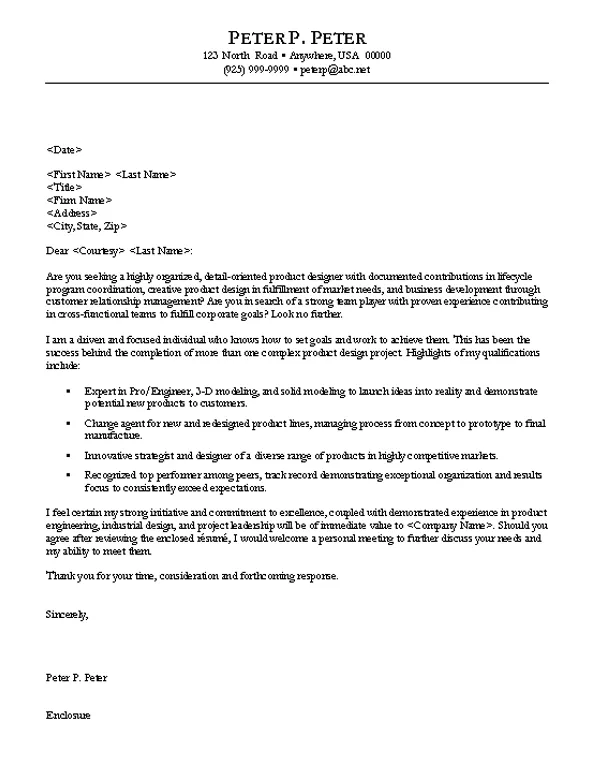
Engineer Cover Letter How-To Guide
A well-crafted cover letter is a critical component of any engineer’s job application, yet it’s often overlooked. It’s your chance to go beyond the bullet points of your resume and tell a compelling story about why you’re the perfect fit for the role. This guide provides a comprehensive overview of how to write an effective engineer cover letter that grabs attention, showcases your skills, and increases your chances of landing an interview. From understanding the purpose of a cover letter to avoiding common mistakes, we’ll cover everything you need to know to create a standout application. By following these guidelines, you can significantly improve your job application and make a strong first impression on potential employers.
Understanding the Purpose of an Engineer Cover Letter
Why a Cover Letter Matters

In the competitive field of engineering, a cover letter serves multiple crucial purposes. First and foremost, it provides context to your resume. While your resume lists your qualifications, your cover letter explains them, connecting your skills and experience directly to the specific job requirements. It shows employers how your past achievements align with their needs. Furthermore, a cover letter demonstrates your communication skills, a vital asset in any engineering role. A well-written letter exhibits your ability to articulate your thoughts clearly and concisely. Lastly, it reveals your personality and enthusiasm, helping you stand out from other applicants. It’s an opportunity to inject your unique voice and passion into your application, something that a resume alone cannot accomplish. Without a cover letter, you are missing a key opportunity to make a personal connection and secure a job offer.
What to Include in an Engineer Cover Letter
Contact Information and Salutation
Start your cover letter with your contact information, including your name, phone number, email address, and optionally, your LinkedIn profile URL. Always address the letter to a specific person whenever possible. Research the hiring manager’s name or the name of the person in charge of hiring. If you can’t find a specific name, use a professional salutation like “Dear Hiring Manager.” Avoid generic greetings, as they can make your letter seem impersonal. This initial step sets the tone for the entire letter, so ensure it reflects professionalism and attention to detail. A well-formatted contact section and a personalized greeting create a positive first impression and show that you’ve taken the time to research the company.
Highlighting Your Skills and Experience

The body of your cover letter should highlight your relevant skills and experience. Focus on the skills and experiences that align with the job description. Use keywords from the job posting to show that you understand the requirements. Describe your accomplishments using the STAR method (Situation, Task, Action, Result) to provide concrete examples of your contributions. For instance, rather than stating, “Managed a team,” you could write, “Managed a team of five engineers, successfully completing a project ahead of schedule and under budget.” This approach demonstrates your capabilities and provides tangible evidence of your value. Tailor your examples to each job application, ensuring that your skills align with the specific requirements and the needs of the company. Show them why you are the perfect fit and what you bring to the team.
Quantifying Achievements
Whenever possible, quantify your achievements. Use numbers to demonstrate your impact. Instead of saying “Improved efficiency,” specify “Improved efficiency by 15%.” Include data points to make your accomplishments more concrete and convincing. For example, if you designed a new system, mention the cost savings or performance improvements it achieved. Quantifying your achievements helps employers understand the tangible benefits you can bring to their organization. This is particularly important in engineering, where results are often measured in terms of efficiency, cost savings, and performance metrics. Clearly showcasing the results of your hard work reinforces your value to a potential employer and can set you apart from other candidates. Remember, numbers speak volumes.
Tailoring Your Cover Letter
Researching the Company

Before you start writing, research the company. Understand their mission, values, and recent projects. This information allows you to tailor your cover letter to their specific needs and demonstrate genuine interest. Visit their website, read industry news, and check their social media profiles. Mentioning specific projects or initiatives the company is working on shows that you’ve done your homework. This level of preparation sets you apart from generic applicants and demonstrates your commitment to the role. Show the employer that you have taken the time to understand their company culture and the work they do. This customization shows that you are serious about the role and the potential of working there.
Matching Skills to Job Requirements
Carefully review the job description and identify the key skills and qualifications the employer is seeking. Then, highlight how your skills and experiences match those requirements. Use keywords from the job posting to show that you meet the criteria. Tailor each cover letter to the specific job, avoiding a one-size-fits-all approach. Provide relevant examples to support your claims, showing how you have successfully applied your skills in the past. If the job requires experience with specific software or tools, mention your proficiency and provide examples of their use. This focused approach assures the hiring manager you have the skills and the expertise to thrive in their company and contribute to their success.
Structuring Your Engineer Cover Letter
The Opening Paragraph

Start with a compelling opening paragraph that grabs the reader’s attention. State the position you are applying for and briefly mention where you saw the job posting. Immediately highlight your most relevant skills or experiences. Show enthusiasm and express why you are interested in the company and the role. Avoid generic introductions, such as “I am writing to apply for the position.” Instead, try something like, “With five years of experience in designing innovative mechanical systems, I am excited to apply for the Senior Mechanical Engineer position at [Company Name].” The opening paragraph should make a strong, immediate impression, setting the stage for the rest of your letter.
Body Paragraphs
Use the body paragraphs to elaborate on your skills and experiences. Provide specific examples of your accomplishments, using the STAR method to demonstrate your impact. Focus on the requirements listed in the job description and how your skills align with them. Quantify your achievements with numbers and data whenever possible. Break up your letter into distinct paragraphs to make it easier to read. Highlight key projects, responsibilities, and achievements that show your qualifications. Explain how your previous roles have prepared you for the specific demands of the job and how your contributions can benefit the company. Use the body paragraphs to connect the dots between your skills and what the company seeks in the new hire.
The Closing Paragraph
Conclude your cover letter with a strong closing paragraph. Reiterate your interest in the position and the company. Summarize your key qualifications and reiterate your value proposition. Express your eagerness for an interview and thank the reader for their time and consideration. Include a call to action, such as, “I am eager to discuss how my skills and experience can benefit [Company Name]. I am available for an interview at your earliest convenience.” End with a professional closing, such as “Sincerely” or “Best regards,” followed by your name and contact information. A strong closing paragraph leaves a lasting impression and encourages the hiring manager to take the next step.
Proofreading and Formatting Your Letter

Always proofread your cover letter carefully for any grammatical errors, spelling mistakes, and typos. Use a spell checker, but also read the letter multiple times to catch any errors the spell checker might miss. Have a friend or colleague review your letter to provide a second opinion. Ensure your formatting is consistent and professional. Use a clear, easy-to-read font such as Times New Roman, Arial, or Calibri. Use standard margins and line spacing. Keep your letter to one page in length, as hiring managers often have limited time to review applications. A well-formatted, error-free cover letter shows your attention to detail and commitment to quality, reflecting positively on your application. Remember, even a single error can undermine your credibility.
Common Mistakes to Avoid in Engineer Cover Letters
Several common mistakes can undermine an engineer’s cover letter. Avoid generic cover letters; tailor each letter to the specific job and company. Do not simply repeat your resume. The cover letter should provide a detailed narrative that complements your resume. Refrain from using jargon or overly technical language that the hiring manager may not understand. Be concise and avoid overly long paragraphs. Ensure there are no spelling or grammatical errors. Do not underestimate the importance of proofreading. Avoid negative language or mentioning negative aspects of your past experiences. Focus on your achievements and skills. Finally, don’t forget to include a call to action and express your enthusiasm for the role and the company. Avoiding these common errors will significantly increase the impact of your cover letter and your chances of securing an interview and landing your dream job.