Why a Fashion Internship Cover Letter Matters
A fashion internship cover letter is more than just a formality it’s your first impression. In the competitive fashion industry, securing an internship is crucial for gaining experience, building your network, and learning the ropes. A well-crafted cover letter can be the deciding factor in whether you get an interview. It allows you to showcase your passion, skills, and unique qualifications, setting you apart from other applicants. It’s your chance to tell a story, connect with the hiring manager, and demonstrate why you’re the perfect fit for their company and the internship opportunity. Therefore, taking the time to create a compelling and personalized cover letter is essential for making a strong first impression and increasing your chances of success.
Understanding the Fashion Industry Landscape
Before you start writing your cover letter, it’s important to understand the fashion industry. The fashion world is multifaceted, encompassing design, production, marketing, retail, and more. Researching the specific company and role you’re applying for is key. Familiarize yourself with their brand, target audience, and values. Identify the key skills and experiences they’re seeking in an intern. Understanding these nuances will help you tailor your cover letter to their needs. Consider the different segments within the industry such as haute couture, ready-to-wear, fast fashion, and sustainable fashion. Each segment has its own demands and expectations, so align your letter with the specific area you’re interested in. Demonstrate your industry knowledge to show you’re serious about pursuing a career in fashion.
Key Elements for a Winning Cover Letter

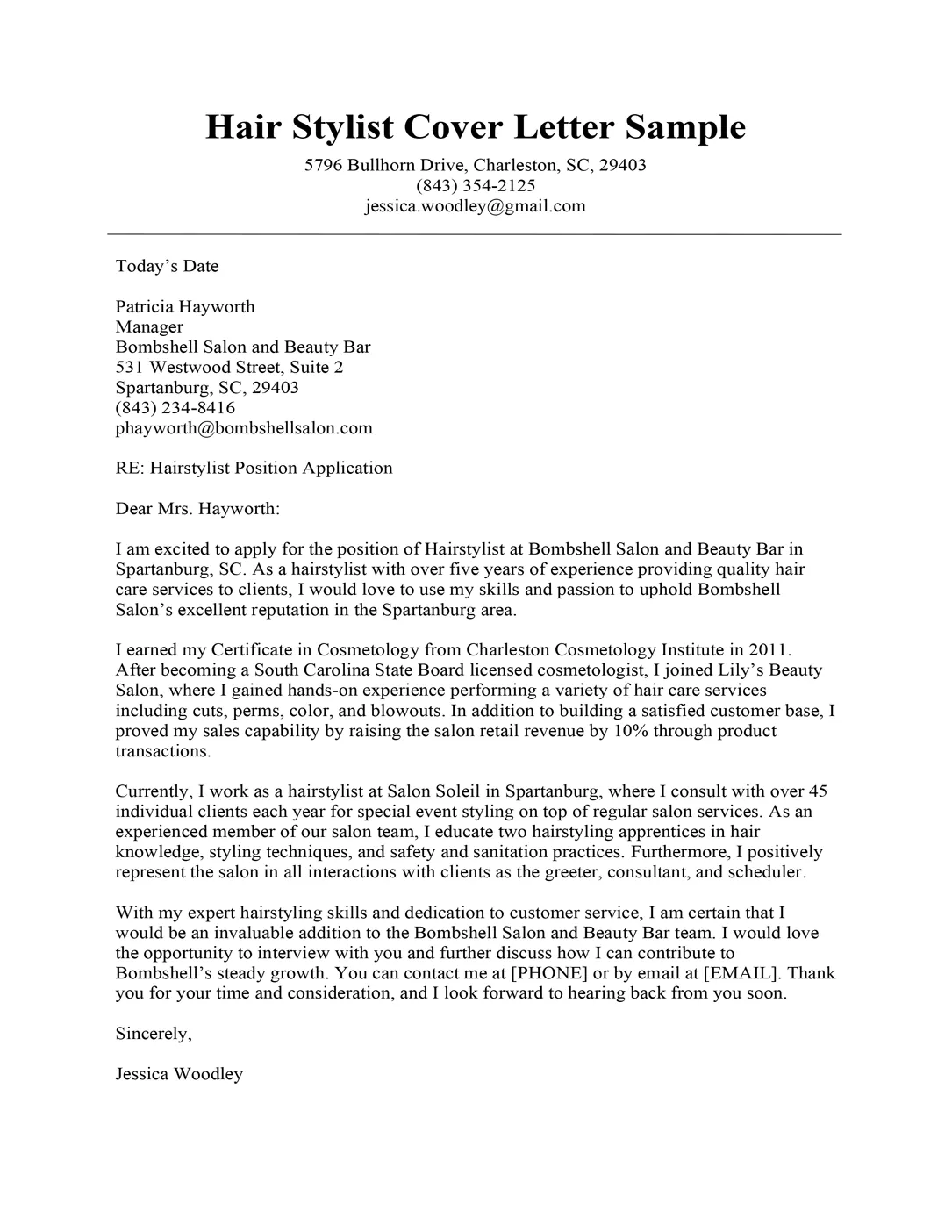
A winning cover letter is structured clearly, concise, and reflects your personality and enthusiasm. Start with your contact information and the date. Address the hiring manager by name, if possible. The opening paragraph should immediately grab their attention, stating why you’re writing and what position you’re applying for. Highlight your relevant skills and experiences in the body paragraphs, providing specific examples of your accomplishments. Show your passion for the company and explain why you’re a good fit for their culture. Close by expressing your interest in an interview and thanking them for their time and consideration. Proofread meticulously to ensure there are no errors in grammar or spelling.
Your Contact Information and Date
Begin your cover letter by providing your contact information, which should include your full name, phone number, email address, and LinkedIn profile URL (if you have one). Place this information at the top of your letter, typically aligned to the left or right. Below your contact details, include the date of the letter. Ensure the date is current, reflecting the day you are sending your application. Using a professional and easy-to-read font and formatting will make your contact information stand out. Double-check all the details to prevent any errors that might hinder the hiring manager from contacting you. This section sets the tone for your entire letter, so it must be accurate and well-presented.
Greeting the Hiring Manager
Personalizing your cover letter starts with a proper greeting. Addressing the hiring manager by name is highly recommended, as it shows you’ve done your research and are genuinely interested in the opportunity. If the hiring manager’s name is listed in the job posting, use it. If not, try to find their name on the company website or LinkedIn. When you can’t find a specific name, use a professional greeting like “Dear Hiring Manager” or “Dear [Department Name] Team.” Avoid generic greetings like “To Whom It May Concern,” which can make your application feel impersonal. Ensure you spell the name correctly, double-checking for accuracy before sending your letter. A well-targeted greeting demonstrates attention to detail and respect for the person reading your application.
Crafting a Compelling Opening

The opening paragraph of your cover letter is crucial it’s your hook. Start by clearly stating the position you are applying for and where you found the job listing. Immediately grab the reader’s attention by expressing your enthusiasm for the opportunity and the company. Briefly highlight a key skill, achievement, or experience that directly relates to the internship’s requirements. This establishes your qualifications early on. Make your opening concise, typically no more than three or four sentences. Tailor your opening to each application by referencing something specific about the company or the internship that genuinely excites you. Avoid generic statements, and instead, demonstrate that you’ve done your research and understand the company’s needs. A strong opening immediately signals your interest and readiness to contribute.
Highlighting Your Fashion Experience
Use the body of your cover letter to showcase your relevant fashion experience. Describe any internships, part-time jobs, volunteer work, or personal projects that demonstrate your skills and passion for the industry. Provide specific examples of your accomplishments, quantifying your achievements whenever possible. For example, mention how you assisted with a fashion show, managed social media campaigns, or contributed to design projects. Focus on what you learned and how you applied your skills. If you have limited professional experience, highlight academic projects, coursework, or extracurricular activities that are related to fashion. Tailor your examples to align with the specific requirements outlined in the job description. This section is where you translate your experiences into evidence of your suitability for the internship.
Showcasing Relevant Skills
In addition to your experience, emphasize your relevant skills. The fashion industry requires a diverse set of skills, including design, communication, organization, and technical proficiency. Identify the skills mentioned in the job description and provide evidence that you possess them. If the internship requires design skills, mention your proficiency in software like Adobe Photoshop or Illustrator. If it requires marketing skills, highlight your experience with social media, content creation, or market research. Showcase your ability to work independently and in a team. Provide examples of how you’ve used these skills in the past to achieve specific results. Use action verbs and quantifiable results to make your skills stand out. Tailor your skills to align with the specific demands of the role you’re applying for to maximize your impact.
Mentioning Your Enthusiasm for the Company

Demonstrating your enthusiasm for the company is essential in a fashion internship cover letter. Show that you’ve researched the company’s brand, values, and recent projects. Explain what attracts you to the company and why you admire their work. Mention specific aspects of their business that resonate with you, such as their design aesthetic, sustainability initiatives, or marketing campaigns. Provide concrete examples of how you’ve followed their work or are a fan of their products. Showing genuine interest makes you appear more than just a qualified candidate; it positions you as someone who genuinely wants to contribute to the company. This connection creates a positive impression and boosts your chances of getting noticed.
Expressing Your Career Goals
Include a brief section expressing your career goals and how the fashion internship aligns with your aspirations. Explain what you hope to gain from the internship and how it will help you develop your skills. Demonstrate your understanding of the industry and how this experience will contribute to your long-term career objectives. Make sure your goals align with the role and the company’s values. If you’re interested in a particular area of fashion (e.g., design, marketing, retail), mention it. This shows the hiring manager that you have a clear direction and are motivated to achieve your career goals. Show your long-term commitment to a career in fashion and make your application memorable by highlighting the value you offer.
Closing with a Strong Call to Action
Your cover letter should always end with a strong call to action. Express your interest in an interview and reiterate your enthusiasm for the opportunity. Make it easy for the hiring manager to contact you by providing your phone number and email address. Thank them for their time and consideration. Keep your closing concise, professional, and positive. A well-crafted call to action indicates your interest, reinforces your qualifications, and encourages the hiring manager to take the next step. It leaves a lasting impression, increasing the chances of you getting an interview. Use a formal closing, such as “Sincerely” or “Best regards,” followed by your full name.
Proofreading and Formatting Your Letter

Proofreading and formatting are critical steps that can significantly impact the perception of your cover letter. Thoroughly proofread your letter for any grammatical errors, spelling mistakes, and punctuation issues. Use a spell-checker, but also manually review the document to catch errors the spell-checker might miss. Ensure your formatting is professional and easy to read, using a clear font such as Times New Roman or Arial. Use standard margins and a reasonable font size (11 or 12 points). Make sure your paragraphs are well-structured and separated by spaces for readability. Ensure the letter is consistent with the format and style of the company you are applying to. Ask a friend or family member to review your letter before you submit it, providing a fresh perspective. Careful proofreading and formatting reflect your attention to detail and professionalism, making your cover letter stand out in a positive way.
Fashion Internship Cover Letter Samples
Reviewing fashion internship cover letter samples can provide valuable insight. Use these samples as a guide to understand the structure, tone, and content of a successful cover letter. Look for samples that align with the specific type of internship you are applying for (e.g., design, marketing, retail). Analyze how candidates showcase their skills, experience, and enthusiasm. Adapt the samples to reflect your unique qualifications and the specific requirements of the job. However, avoid directly copying someone else’s letter. Instead, use the examples to inspire and guide your writing. Tailor your cover letter to the job, ensuring it reflects your personality and authentic voice. By studying various samples, you can refine your letter and increase your chances of success.