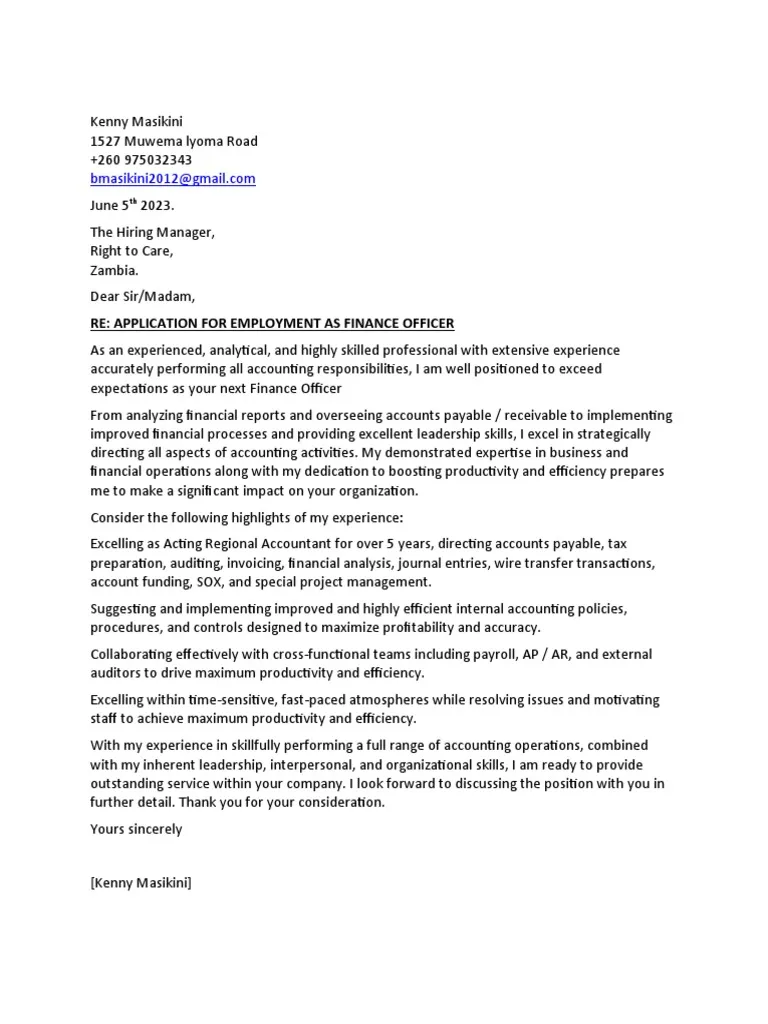
What is a Finance Director?
A Finance Director is a senior-level executive responsible for overseeing all financial aspects of an organization. This crucial role involves strategic financial planning, financial reporting, risk management, and ensuring the financial health and stability of the company. Finance Directors work closely with other executives to make informed decisions that drive profitability, manage financial resources effectively, and support the overall business strategy. They are key players in ensuring the company’s long-term success. They need to be able to handle the pressure and possess excellent communication skills to effectively communicate the financial information to stakeholders. Moreover, they must possess strong analytical skills to interpret financial data and make strategic recommendations.
Key Responsibilities of a Finance Director
The responsibilities of a Finance Director are vast and critical to the company’s financial well-being. They typically include financial planning and analysis, which involves creating budgets, forecasts, and long-term financial strategies. They oversee financial reporting, ensuring accurate and timely financial statements in compliance with accounting standards. Finance Directors manage cash flow, investments, and capital structure, making crucial decisions about how the company manages its financial resources. They also identify and mitigate financial risks, ensuring the company is protected from potential threats. Compliance with financial regulations and laws is another crucial aspect of their role. Furthermore, they often lead and manage the finance team, providing guidance and support to ensure efficient operations. This role requires a deep understanding of financial principles, strong leadership skills, and the ability to make strategic decisions that drive business success.
Crafting a Compelling Finance Director Cover Letter

A well-crafted cover letter is your first opportunity to make a positive impression on a potential employer. It should be more than just a summary of your resume; it’s a chance to highlight your most relevant skills, experience, and accomplishments, demonstrating why you’re the ideal candidate for the Finance Director position. A strong cover letter should clearly articulate your understanding of the company’s needs and how your skills and experience align with their goals. It should be tailored to each specific job application, showing that you have taken the time to understand the company and the role. The cover letter should be professional, concise, and engaging, capturing the reader’s attention from the start and leaving a lasting positive impression. It’s your chance to showcase your personality and passion for the role.
Header and Contact Information
Begin your cover letter with a professional header that includes your full name, contact information (phone number, email address, and LinkedIn profile URL, if applicable), and the date. Ensure your contact information is accurate and up-to-date. Always include the employer’s name, the hiring manager’s name (if known), and the company’s address. A clean and organized header sets a professional tone and makes it easy for the employer to reach you. The information should be easily accessible and clearly formatted. This part of the cover letter is simple but important for professionalism.
Personalized Greeting
Address your cover letter to the hiring manager by name whenever possible. This shows that you have taken the time to research the company and personalize your application. If you’re unable to find a specific name, use a professional salutation such as “Dear Hiring Manager”. Avoid generic greetings like “To Whom It May Concern” or “Dear Sir/Madam.” A personalized greeting indicates your genuine interest and attention to detail. It’s an important first step in making a positive impression and setting the tone for the rest of your letter. This personalized approach demonstrates your proactive nature.
Highlighting Key Achievements

Focus on your key achievements and how they align with the requirements of the Finance Director role. Instead of simply listing your responsibilities, use the STAR method (Situation, Task, Action, Result) to describe specific examples of your accomplishments. Show how you’ve contributed to past companies and what you’ve achieved. Quantify your achievements whenever possible to demonstrate the impact you’ve made. For example, you could mention how you reduced costs, improved efficiency, or increased revenue. Tailor these examples to match the specific needs and priorities of the company you are applying to. Show that you can take the initiative to improve the financial health of the company. Highlighting your achievements is key to grabbing the reader’s attention.
Quantifiable Results
Always use quantifiable results to demonstrate the impact of your work. Numbers speak volumes. For example, instead of saying you ‘improved financial reporting’, state that you ‘reduced reporting errors by 25%’. Use metrics to showcase your successes, such as ‘increased revenue by 15%,’ ‘reduced operating costs by $X,’ or ‘improved cash flow by Y%’. Include numbers to illustrate your accomplishments and the positive effects you’ve had on previous companies. Use percentages, dollar amounts, and specific figures to show the scope of your accomplishments. This adds credibility and makes your achievements more compelling. Using numbers is also an indication of your analytical skills and attention to detail.
Demonstrating Relevant Skills
Clearly demonstrate your skills and experience in your cover letter. Highlight the skills that are most relevant to the Finance Director position. These typically include financial analysis, budgeting, forecasting, risk management, and leadership. Use keywords from the job description to show that you possess the qualifications the employer is seeking. Provide specific examples of how you have used these skills in previous roles to achieve successful outcomes. Mentioning specific software or financial systems you are proficient in can also be very beneficial. This shows the employer that you have the right skills for the job.
Financial Analysis and Reporting

Demonstrate your proficiency in financial analysis and reporting. Highlight your ability to analyze financial data, identify trends, and make informed recommendations. Mention your experience in preparing and interpreting financial statements, such as income statements, balance sheets, and cash flow statements. Show that you are familiar with accounting standards and regulations. Describe your experience in presenting financial information to stakeholders and your ability to communicate complex financial concepts clearly and concisely. Show your experience in financial modeling and forecasting, which is essential for strategic planning and decision-making.
Budgeting and Forecasting
Emphasize your experience in budgeting and forecasting. Describe your ability to create and manage budgets, monitor financial performance, and forecast future financial results. Show your experience in variance analysis, identifying and explaining deviations from the budget. Discuss your knowledge of budgeting software and tools. Demonstrate your experience in working with different departments to develop realistic and achievable budgets. Highlight your skills in identifying and addressing financial risks. Explain how you have contributed to the company’s success through effective financial planning.
Risk Management and Compliance
Emphasize your experience in risk management and compliance. Describe your experience in identifying, assessing, and mitigating financial risks. Show your knowledge of internal controls and regulatory compliance. Mention your experience in developing and implementing risk management policies and procedures. Highlight your ability to stay informed about changes in financial regulations and ensure that the company complies with all relevant laws. Describe your experience in working with auditors and other regulatory bodies. Show your commitment to maintaining the highest standards of financial integrity and ethical conduct. Include any certifications or training in this area.
Leadership and Team Management

Highlight your leadership and team management skills. Describe your experience in leading and managing finance teams. Show your ability to motivate, mentor, and develop team members. Mention your experience in setting performance goals, providing feedback, and conducting performance reviews. Provide examples of how you have built strong, high-performing teams. Describe your leadership style and how you create a positive and productive work environment. Discuss your ability to communicate effectively with your team and other stakeholders. Show your ability to resolve conflicts and make difficult decisions. Your leadership skills are critical for a Director of Finance, who often leads large teams.
Expressing Enthusiasm and Closing
Express your enthusiasm for the position and the company. Convey your genuine interest in the role and your desire to contribute to the company’s success. Reiterate why you are a good fit for the role and what you can bring to the company. Always end your cover letter with a professional closing, such as “Sincerely” or “Best regards.” Ensure your closing is followed by your typed name. This shows respect for the reader. The closing should be followed by a clear call to action. A well-structured ending leaves a strong final impression on the hiring manager.
Call to Action
Include a clear call to action. State your availability for an interview and express your eagerness to discuss your qualifications further. Thank the hiring manager for their time and consideration. Provide your contact information one last time to make it easy for the employer to reach you. Make it easy for the employer to take the next step. Provide information on how you can be reached for an interview, and specify your availability. A clear call to action makes the hiring process easier.
Cover Letter Examples

Reviewing Finance Director cover letter examples can offer valuable insights. They help you understand the structure, tone, and content that resonates with hiring managers. Look for examples that reflect various career backgrounds, industries, and levels of experience. Pay close attention to how the candidates highlight their achievements, quantify their results, and align their skills with the job requirements. Analyze how the examples present their qualifications and showcase their unique value propositions. Examples will help you understand how to present your qualifications in the best way.
Example 1: Strong Emphasis on Financial Acumen
This example emphasizes strong financial acumen. It will show how the applicant has used strong financial analysis skills. It will detail how they have experience in preparing financial statements, budgets, and financial models. It will also focus on their ability to analyze financial data, identify trends, and make informed recommendations.
Example 2: Highlighting Leadership and Strategic Vision
This example will focus on showcasing leadership and strategic vision. It will highlight the ability to lead and motivate finance teams, and to drive the company’s success. This sample will detail their experience in developing and implementing financial strategies and driving financial performance. It will highlight their understanding of the broader business strategy. It will show how their financial expertise has supported overall growth. It’ll demonstrate leadership skills, and show the ability to develop, motivate, and manage high-performing teams.
Example 3: Showcasing Experience in Cost Reduction

This example will showcase their experience in cost reduction. It will provide details of any experience reducing costs, improving efficiency, and increasing revenue. It will highlight the ability to identify areas for cost savings, and how to implement and monitor cost-reduction initiatives. This sample will show the financial impact of any cost-saving measures. It will demonstrate the ability to improve financial performance through effective cost management and control.
Tips for Tailoring Your Cover Letter
Tailoring your cover letter is essential for making a strong impression. It shows that you have taken the time to understand the specific needs of the company and the role. You should customize your cover letter for each job application. Pay attention to the job description and use keywords from the description. Customize your cover letter by highlighting skills and experiences. You should also research the company and tailor your letter to the company’s values. This shows a genuine interest in the position. Take the time to research the company and its industry.
Researching the Company
Thoroughly research the company before writing your cover letter. Visit the company’s website, read their mission statement, and review their recent press releases and financial reports. Understand the company’s values, culture, and goals. Identify any challenges or opportunities the company is facing. Tailor your cover letter to address these challenges and show how your skills and experience can contribute to their success. This will demonstrate your interest and provide you with specific information to include in your letter. Research the company’s industry and competitors to get a better understanding of the company’s position.
Using Keywords from the Job Description

Carefully review the job description and identify the key skills and qualifications the employer is seeking. Incorporate relevant keywords into your cover letter. This ensures your application will pass through applicant tracking systems. It also shows that you have the necessary qualifications. Customize your cover letter by highlighting these skills with examples from your experience. Ensure that you are using the same language as the job description. By using the correct keywords, your cover letter will highlight your relevant skills.
Proofreading and Editing
Proofread and edit your cover letter carefully before submitting it. Check for any grammar, spelling, and punctuation errors. Ask a friend or colleague to review your cover letter for a second opinion. A polished and error-free cover letter demonstrates professionalism and attention to detail. A cover letter with errors can create a negative impression and may lead to your application being rejected. Thoroughly review your cover letter and remove any errors before submitting it. Proofreading is a key step to ensure your letter conveys professionalism.