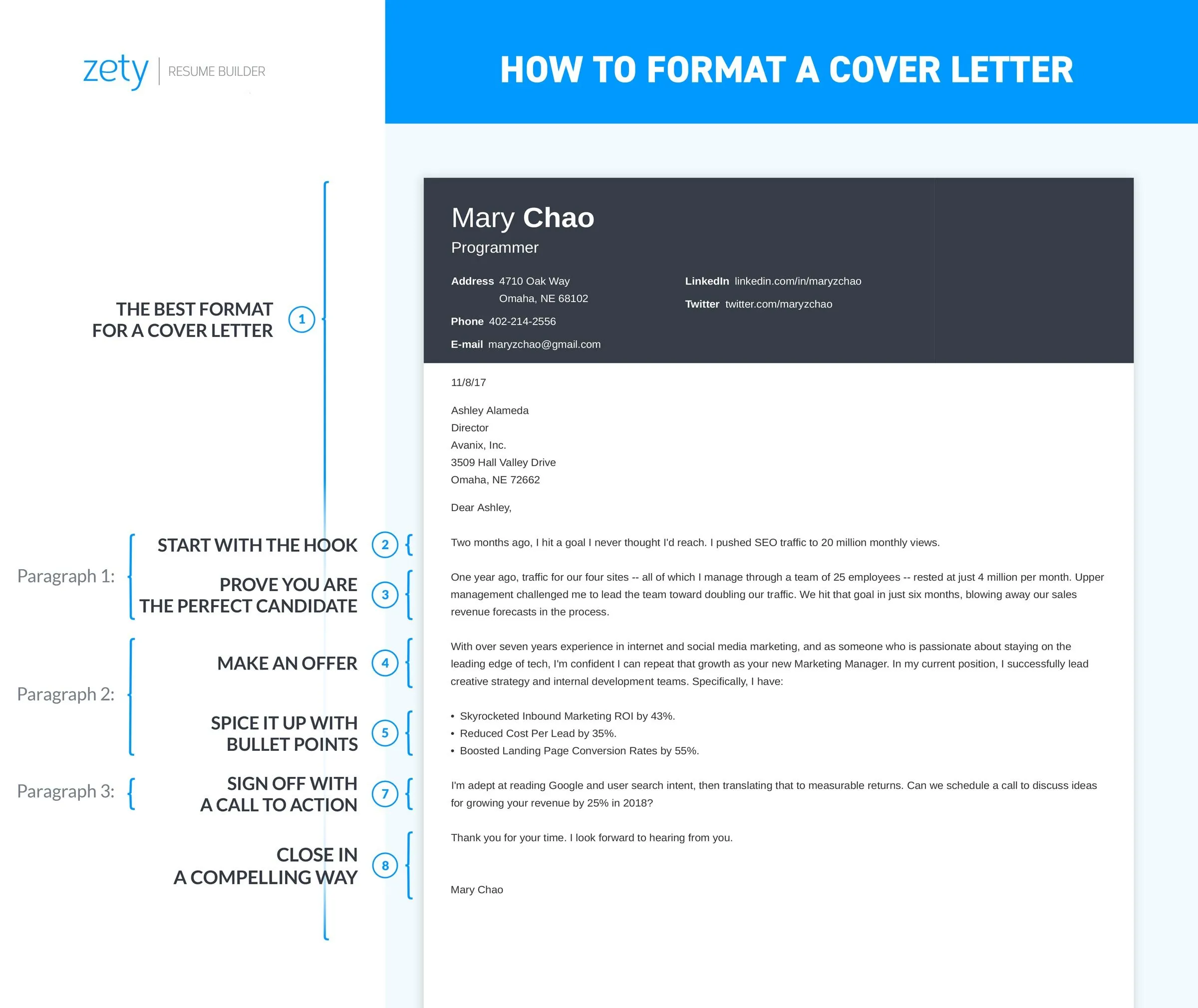
Why Font Size Matters for Your Cover Letter
Your cover letter is your first introduction to a potential employer, and just like a well-dressed person makes a good impression, the way your cover letter looks is equally important. Font size plays a critical role in how your cover letter is perceived. A poorly formatted cover letter, with a font size that is too small or too large, can immediately turn off a hiring manager. It affects not only the visual appeal but also the readability of your document, ultimately influencing whether your application gets a second look. Making a great first impression is vital. This is especially true in today’s competitive job market, where recruiters and hiring managers often sift through hundreds of applications for a single position.
Impact of Font Size on Readability
Readability is key to ensuring your cover letter is easy and enjoyable to read. The right font size contributes significantly to this aspect. When the font is too small, the reader might have to strain their eyes, which can lead to fatigue and disinterest. Conversely, excessively large fonts can make your cover letter appear unprofessional and may seem as if you are trying to fill space. A balance between these extremes is essential. An ideal font size allows the reader to effortlessly scan the text, taking in the information without undue effort. This ensures that your qualifications, experience, and enthusiasm are clearly communicated. Selecting the appropriate font size is a critical step in crafting a cover letter that is easy to read and creates a positive impression.
The Psychology of Font Size

Font size can subtly influence how your cover letter is perceived. It’s more than just a matter of aesthetics; it can also convey professionalism, attention to detail, and even confidence. A well-chosen font size suggests that you pay attention to the finer details, which can speak volumes about your work ethic. A font that’s appropriately sized shows that you understand how to present yourself in a professional environment. On the other hand, using a font size that is either too small or too large might suggest that you lack attention to detail or that you are trying to compensate for something else. This is why it’s crucial to understand the psychological impact of font size and use it to your advantage, ensuring your cover letter makes a positive impression.
Font Size Cover Letter Tip 1 Choose the Right Font
The first step toward mastering font size in your cover letter is selecting an appropriate font. The font itself can affect readability just as much as the size. Certain fonts are designed to be easily readable at smaller sizes, while others are not. Fonts like Times New Roman, Arial, and Calibri are popular choices because they are widely available, and they are known for their readability in print and on screen. These fonts are typically a good choice for the body of your cover letter. Using a font that is overly stylized or difficult to read can distract the reader from the content of your cover letter. The goal is to use a font that is both professional and easy on the eyes, ensuring your message is conveyed effectively.
Understanding Font Families and Their Impact
Understanding the different font families helps you choose wisely. Serif fonts (like Times New Roman) have small strokes at the ends of letters and are often considered traditional and formal. They are generally good for printed documents. Sans-serif fonts (like Arial and Calibri) do not have these strokes and often appear cleaner and more modern, and are often preferred for digital documents as they are often easier to read on screens. Knowing the difference between these styles can help you select a font that matches the tone and purpose of your cover letter. If you’re applying for a corporate position, a sans-serif font might be your best option, whereas if you are applying for a more formal role, a serif font might be appropriate.
Optimal Font Choices for Professional Cover Letters

While personal preference plays a role, certain fonts are widely accepted as professional choices for cover letters. Arial, Calibri, Times New Roman, and Helvetica are excellent options. These fonts are clear, readable, and available on most word processing programs. Avoid using overly decorative fonts like Comic Sans or Brush Script, which can make your cover letter appear unprofessional. Also, remember that the goal is to make your cover letter easy to read, so clarity should always come before style. This ensures that your qualifications and skills stand out.
Font Size Cover Letter Tip 2 Maintain Consistency
Consistency in font size is paramount for a professional-looking cover letter. Use the same font size for your body text throughout the entire letter. While you may use different sizes for headings and your name, keeping a unified font size for your main content shows that you pay attention to detail and it enhances readability. A consistent font size ensures a smooth reading experience. Inconsistency, on the other hand, can be distracting and make your cover letter look less polished. Sticking to a uniform font size throughout the document creates a cohesive and professional appearance.
Header Font Size and Body Text Consistency
While you can use a slightly larger font for your name and contact information at the top, and for headings to create visual hierarchy, maintain consistency within these sections. This means that all headings should be the same size, and all body text should also be consistent. This will help the reader scan your document easily and quickly. Any deviation can create a cluttered look, which can detract from the main purpose of your cover letter: to highlight your qualifications and express your interest in the job.
Font Size Cover Letter Tip 3 Prioritize Readability

Readability should be a top priority when choosing your font size. The goal is to make your cover letter easy to read and digest, so the reader can focus on your message. Generally, body text should be between 10 and 12 points. This size is usually large enough to be readable without being overwhelming. The best font size will depend on the font you choose. Some fonts appear smaller or larger than others at the same point size. It is important to review your cover letter and print it out to ensure it is easy to read at the selected size.
Font Size Cover Letter Tip 4 Size for Different Sections
Different sections of your cover letter can benefit from different font sizes to improve readability and organization. This creates a clear visual hierarchy, making it easy for the reader to find information. Using a slightly larger font for headings, like 14 or 16 points, can help the reader quickly identify different sections. However, keep the body text at a consistent 10 to 12 points. Also, consider the size for your name and contact information at the top, which can be slightly larger than your body text.
Font Size for Name and Contact Information
Your name and contact information should stand out at the top of the cover letter. You can use a font size that is slightly larger than your body text, such as 14 or 16 points. This makes it easy for the hiring manager to find your details, and it adds a professional touch to the presentation of your application. Ensure that the name, address, phone number, and email are all easily visible and match the information on your resume.
Font Size for the Body of the Letter

For the main body of your cover letter, use a font size between 10 and 12 points. This range is optimal for readability without making the text appear too small or too large. Choose a font that is designed to be readable at this size. Your goal is to create a smooth reading experience where the reader can focus on the content rather than struggling to decipher the font size. Maintain consistency throughout the body of your letter, to help the document remain professional.
Font Size Cover Letter Tip 5 Consider White Space
White space is the empty area around your text, and it plays a critical role in readability. Too much text crammed together can be difficult to read. Using appropriate spacing can make your cover letter more visually appealing and less overwhelming. The font size influences how much white space is needed. If the font size is too large, you may need to increase the line spacing and margins. And if the font is too small, you may need to consider the opposite.
Balancing Text Density and Readability
Balancing the density of text with the white space is key to creating a visually appealing and readable cover letter. Avoid overcrowding your document by using appropriate margins (at least 1 inch on all sides), line spacing (usually 1.15 or 1.5), and paragraph spacing. These formatting choices help make your cover letter easy to read and make it easier to see the structure. Proper spacing also gives your cover letter a clean and professional look.
Font Size Cover Letter Conclusion Make a Great Impression

Choosing the right font size for your cover letter is crucial to ensuring your document is easy to read, visually appealing, and professional. A well-formatted cover letter, with appropriate font size, shows attention to detail and that you understand professional communication. By following the tips, choosing an appropriate font, maintaining consistency, prioritizing readability, sizing for different sections, and considering white space, you can make a strong impression on potential employers. Remember to always proofread and review your cover letter before submitting, to ensure it looks and reads its best. Ultimately, the goal is to make a great first impression and increase your chances of landing an interview.