Crafting a Compelling Forest Service Cover Letter
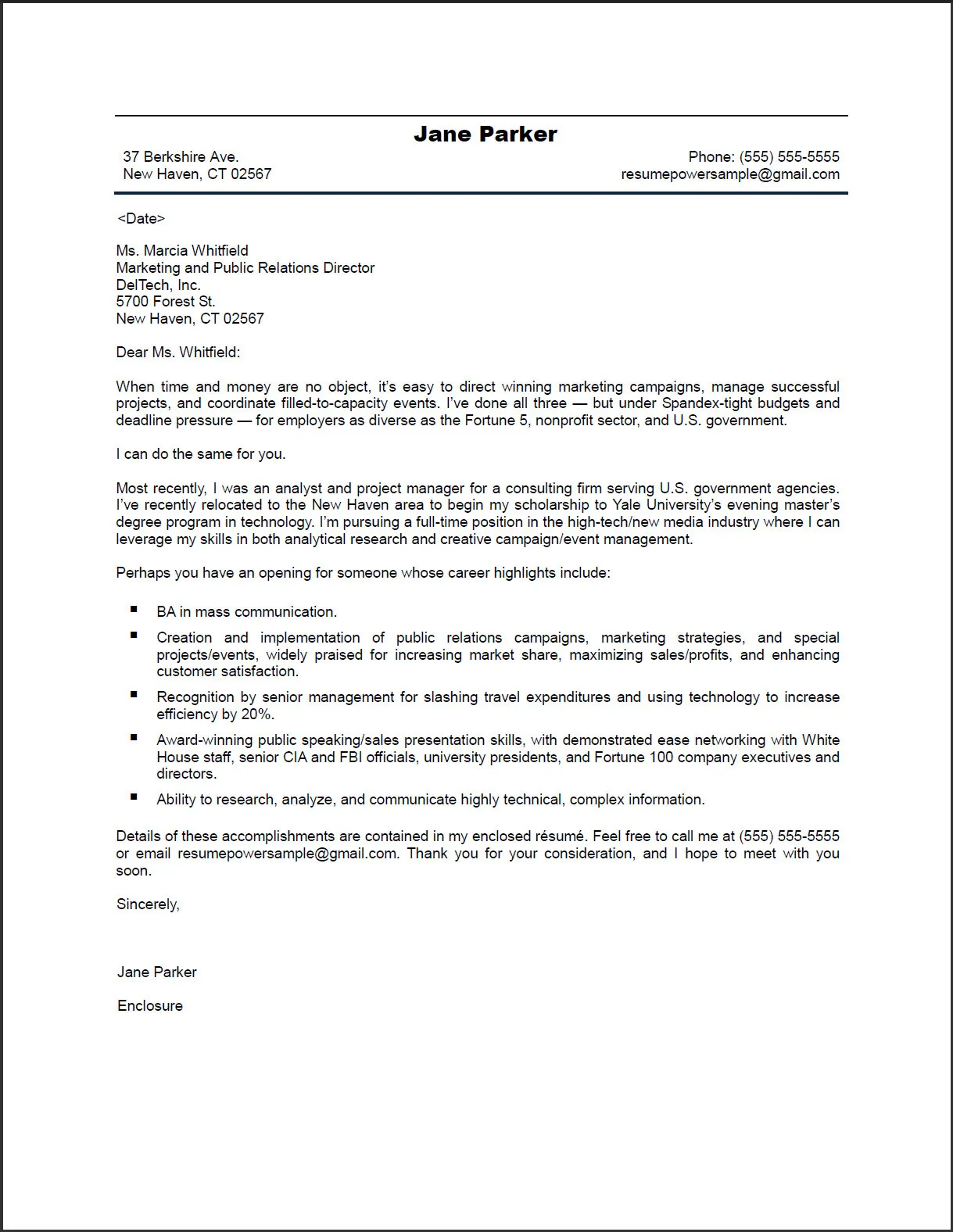
A well-crafted Forest Service cover letter is your key to making a strong first impression. It is a critical document that can significantly increase your chances of being selected for an interview. The letter provides a platform to demonstrate your qualifications, emphasize your passion for forestry, and illustrate how your skills align with the specific job requirements. It’s not enough to submit a generic cover letter; you must carefully tailor it to each position, highlighting your most relevant experiences and skills. By following these principles, you will be able to capture the attention of the hiring manager and convince them that you are the ideal candidate for the position. A powerful cover letter is your ticket to your desired job in the great outdoors. The primary goal is to ensure that the hiring manager is eager to call you for an interview.
Understanding the Forest Service’s Mission and Values
Before you begin writing, take the time to understand the mission and values of the Forest Service. The Forest Service is dedicated to maintaining the health, diversity, and productivity of the nation’s forests and grasslands to serve the needs of present and future generations. You should reflect your dedication to sustainability, conservation, and public service in your cover letter. Aligning your experience and qualifications with their core values will help you show that you embody these values. Demonstrate that your personal values are in sync with those of the Forest Service, such as stewardship, service, and cooperation. Show how you are committed to environmental responsibility and community involvement. This step demonstrates your genuine interest and dedication to the Forest Service.
Researching the Specific Forest Service Position
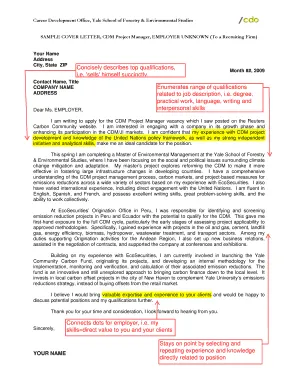
It is important to research the Forest Service position you are applying for in detail. Carefully examine the job description, paying close attention to the required skills, experience, and qualifications. Identify the key responsibilities and tasks associated with the position. Consider the job’s location and the type of environment you’ll be working in. Use this knowledge to customize your cover letter, highlighting the skills and experiences that directly address the requirements of the role. This targeted strategy demonstrates to the hiring manager that you have done your homework and are genuinely interested in the specific role. The goal is to show how you can contribute to the agency’s goals. It is not enough to just list your qualifications; you must demonstrate how they meet the specific requirements of the job.
Highlighting Relevant Skills and Experience
Your cover letter should be a detailed showcase of your skills and experience. Instead of only listing your previous job duties, use specific examples to show how you’ve used your skills effectively in previous roles. Quantify your accomplishments to provide concrete evidence of your abilities. Align your skills and experience with the requirements listed in the job description. Put emphasis on the skills that the hiring manager is looking for, and provide compelling examples of how you have applied them in the past. Using action verbs to create a persuasive cover letter will also help in highlighting your abilities. The more you can specifically illustrate your achievements, the more compelling your application will be.
Showcasing Forestry Knowledge and Skills
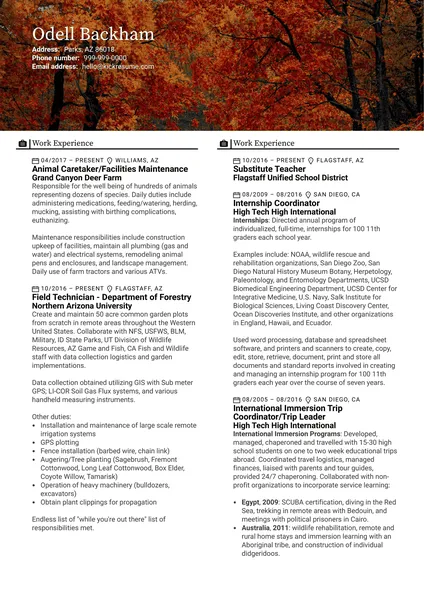
Showcasing your forestry-specific knowledge and skills is important. Include any relevant certifications you may have, such as those related to wildland fire management, silviculture, or GIS. Describe your experience with forestry techniques, such as timber cruising, tree planting, or forest inventory. Include specific examples of your accomplishments. Make sure to include specialized expertise if it is required for the job. By doing so, you can dramatically increase your chances of getting hired. The more experience you can showcase, the better.
Emphasizing Communication and Interpersonal Abilities

Forest Service jobs often involve collaboration with many different teams and stakeholders. Because of this, you should emphasize your communication and interpersonal abilities. Provide examples of how you have effectively communicated complex information, worked in a team setting, and resolved conflicts. Highlight your ability to build relationships with colleagues, supervisors, and the public. The ability to communicate clearly and to work effectively with others is crucial in a government agency. This can include active listening, and the ability to adapt your communication style to different audiences. This will help in creating a great working environment and help you accomplish your goals.
Demonstrating Problem-Solving and Analytical Skills
Demonstrating your problem-solving and analytical skills is essential. Provide examples of how you can analyze situations, identify problems, and come up with effective solutions. Describe instances where you’ve used critical thinking to overcome challenges. Make use of the STAR method (Situation, Task, Action, Result) to structure your examples. Quantify your achievements to show the impact of your problem-solving abilities. This demonstrates your ability to approach complex issues with a strategic mindset, making you a valuable asset to the organization. This might involve data analysis, strategic planning, or any ability that showcases a clear understanding of the tasks at hand.
Tailoring Your Cover Letter to the Job Description
The ability to tailor your cover letter to the job description can be very important. Do not submit a generic cover letter to a hiring manager. Customize your cover letter for each position you apply for. This requires more than just changing the job title and company name. Review the job description and tailor the content to the specific requirements. Emphasize the skills and experiences that align with the job description. Use keywords from the job posting throughout your cover letter. This will make it easier for the hiring manager to see that you have the qualifications they are looking for. Make sure you clearly understand the job responsibilities before writing the cover letter, and that you can demonstrate your ability to perform those tasks.
Analyzing the Job Requirements
Carefully analyze the job description to identify the key requirements, skills, and qualifications. Make a list of these requirements and use them to guide you when writing your cover letter. Identify the most important skills or experiences the employer is looking for and be sure to address them directly. Pay attention to the language used in the job description and tailor your language and tone to match the organization’s style. Doing so will help you to make a positive impression and show the hiring manager that you have taken the time to understand the position and the organization’s needs. Demonstrating that you have taken the time to prepare can go a long way.
Using Keywords from the Job Posting
Incorporate relevant keywords from the job posting throughout your cover letter. This will help your application get noticed by applicant tracking systems (ATS) and demonstrate that you have the qualifications that the employer is looking for. Integrate keywords naturally into your writing, and avoid keyword stuffing. Keywords should appear in your skills section, and also throughout the descriptions of your experience. Do not use keywords that are irrelevant to the job; this could harm your application. Pay attention to the phrasing used in the job description, and mirror this language in your cover letter. Using keywords is essential.
Formatting Your Cover Letter for Maximum Impact
The formatting of your cover letter is just as important as its content. A well-formatted cover letter is easy to read and makes a positive impression. Use a professional font, such as Times New Roman, Arial, or Calibri, and maintain a consistent font size throughout the document. Use appropriate spacing and margins for readability. Break up large blocks of text with paragraphs. Consider using bullet points to highlight key skills and experiences. Be sure to use a clear and concise writing style. Make sure the letter is easy on the eyes. A well-formatted cover letter is an indication of professionalism and attention to detail, which are essential qualities in any workplace. This makes a good first impression.
Structuring Your Letter Effectively

Structure your cover letter logically with a clear introduction, body, and conclusion. Begin with a strong opening statement that grabs the reader’s attention and states the position you’re applying for. In the body of your letter, highlight your relevant skills and experiences. Use the STAR method to provide concrete examples. In the conclusion, reiterate your interest in the position and express your enthusiasm for the opportunity. Maintain a professional tone throughout the letter. Make sure the letter flows naturally from one paragraph to the next. This will help you make a positive impression and keep the hiring manager engaged. It is important to always keep it concise and relevant.
Using a Professional Tone and Language
Maintain a professional tone and language throughout your cover letter. Avoid slang, jargon, and overly casual language. Use formal language and proper grammar. Proofread your letter carefully to eliminate any typos or grammatical errors. Address the hiring manager by name if possible. Research the hiring manager and the department. Use active voice and strong verbs to make your writing more impactful. Use positive language and focus on your accomplishments. This will make your cover letter more persuasive and professional. The tone reflects professionalism, respect, and genuine interest.
Proofreading and Editing Your Cover Letter
Proofreading and editing are essential steps in writing a cover letter. Make sure your cover letter is free of any errors in grammar, spelling, and punctuation. Carefully review your letter multiple times. Ask a friend or family member to proofread it. Read your letter aloud to catch any awkward phrasing or unclear sentences. Pay attention to the overall flow and structure of your letter. Make sure your language is clear, concise, and professional. A well-proofread cover letter shows attention to detail and a commitment to excellence, which are essential qualities in any role. Ensure all information is accurate and up-to-date. Proofreading will help you make a good impression on the hiring manager.
Adding a Strong Call to Action

Include a strong call to action in your cover letter. State your interest in the position, and restate your enthusiasm for the opportunity. Express your eagerness to learn more about the role and the Forest Service. Provide your contact information and indicate your availability for an interview. Make it easy for the hiring manager to contact you. End your letter with a professional closing. A strong call to action can increase your chances of getting an interview and getting hired. This will also help you make a good final impression.
Expressing Enthusiasm and Interest
Express your genuine enthusiasm and interest in the position and the Forest Service. Explain why you are interested in the specific role and what excites you about the opportunity. Highlight your knowledge of the Forest Service’s work. Express your enthusiasm in a sincere and authentic manner. Mention how you align with their core values. This will make your cover letter more engaging and memorable, increasing your chances of getting an interview. This step allows you to provide details about why you’re excited about the specific opportunity.
Providing Contact Information and Next Steps
Provide your contact information, including your phone number and email address, and specify the best way to reach you. If you are submitting your application online, clarify your next steps. Express your availability for an interview and any other steps that you might have. Indicate your willingness to provide any additional information. Finish your cover letter with a professional closing. A clear call to action will make a great impression on the hiring manager and increase your chances of getting hired.