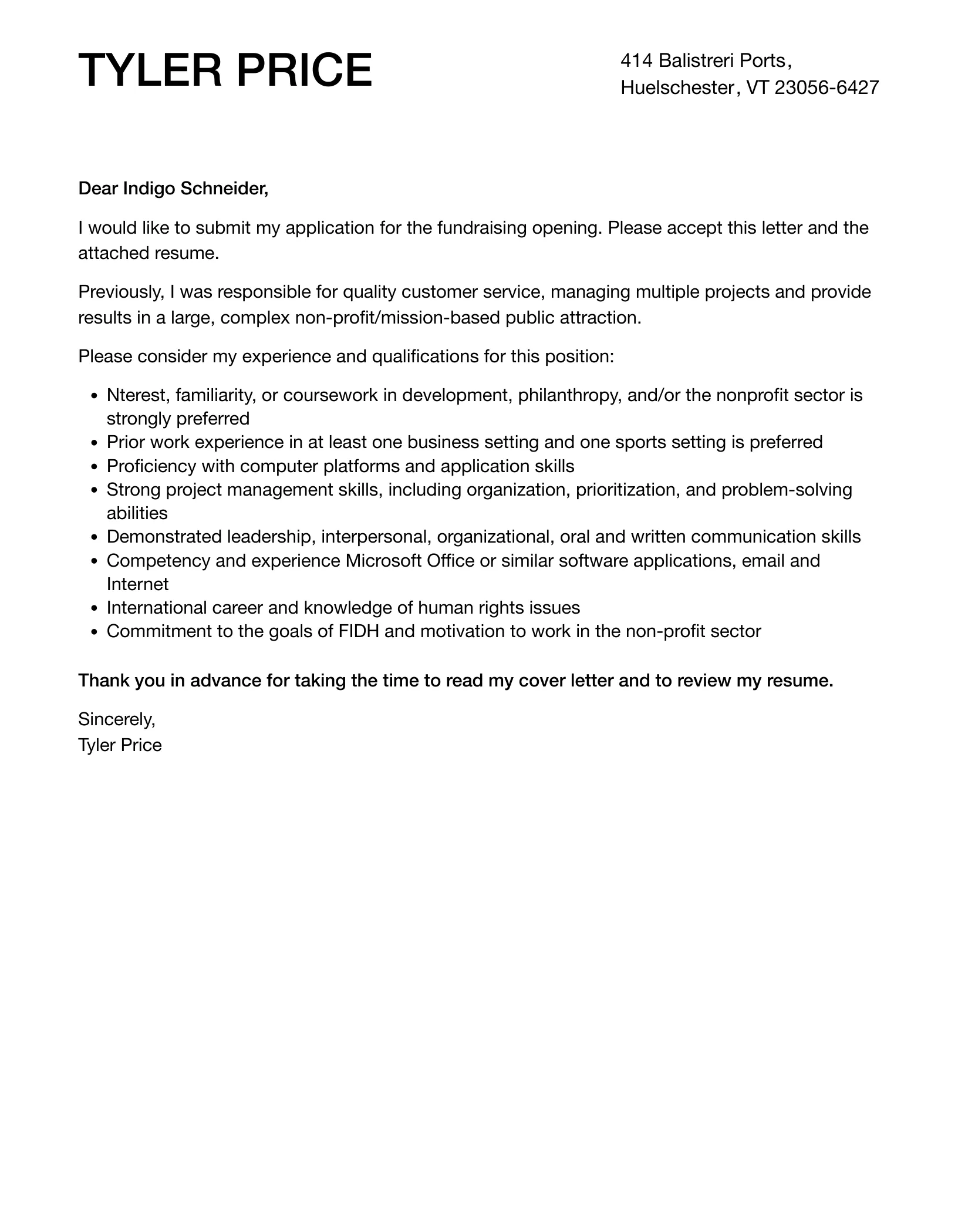
Understanding the Power of a Fundraising Cover Letter
In the competitive world of fundraising, a well-crafted cover letter is more than just a formality; it is a crucial tool that can make or break your campaign. This letter serves as the initial point of contact, introducing your cause, and making a persuasive case for support. It acts as your ambassador, working tirelessly to convince potential donors to invest in your mission. A strong cover letter goes beyond a simple request for money; it builds a genuine connection, effectively communicates your organization’s values, and inspires action. It sets the tone for the entire fundraising campaign and can be the determining factor in whether you secure the funding you need to make a real difference. Neglecting this crucial element is akin to leaving potential donations on the table. When approached strategically, your cover letter can be transformed into a donation-generating powerhouse.
Key Elements of a Compelling Cover Letter
A compelling fundraising cover letter is built upon several key elements, all working together to create a persuasive narrative that encourages donations. Each section plays a vital role in guiding the reader toward a positive decision. Focusing on these core components ensures your message is clear, impactful, and resonates with the recipient. The sections below break down each key element in detail, offering practical advice and examples to help you craft an effective cover letter that gets results. Remember, the primary goal isn’t simply to ask for money, but to cultivate a meaningful relationship with the donor, built upon shared values and a shared commitment to making a significant positive impact. Incorporating these elements will dramatically increase your chances of securing the much-needed funds.
1. Personalization and Specificity

Generic fundraising cover letters often get dismissed; personalization is paramount to capturing attention. When you demonstrate that you’ve taken the time to truly understand the recipient and their potential interests, your letter immediately becomes more engaging. Addressing the recipient by their name and referencing their past contributions or known interests shows that you genuinely value them as an individual and not simply a potential source of funding. This level of personalization makes the reader feel important and valued, thereby increasing the likelihood that they will read the letter and seriously consider your specific request.
Tailoring the Letter to the Recipient
Thoroughly researching the recipient’s background, philanthropic interests, and previous donation history (if available) allows you to tailor your message accordingly. If the potential donor has a demonstrable history of supporting similar causes, highlight how your organization’s mission and values align with theirs. If they have a personal connection to the issue your organization addresses, be sure to acknowledge this connection. This targeted personalization approach shows that you understand their unique perspective, which will subsequently increase the emotional impact of your appeal. The overarching goal is to make the reader feel as though you are speaking directly to them, which significantly increases the chances of securing a donation. By making the letter about them, as much as it is about your organization, you create a more personal and meaningful connection.
Highlighting Your Connection to the Cause
If you have knowledge that the recipient has a personal connection to the cause, be sure to acknowledge that. Perhaps they experienced the loss of a loved one due to the disease your organization is working to combat, or maybe they hold a deep personal interest in environmental protection. Acknowledging such a connection displays empathy and respect, making your letter more genuinely compelling. Explain precisely why their support would be particularly impactful, given their personal history or specific interest. This level of tailored personalization will strengthen the emotional resonance of your appeal and make it more difficult for the recipient to dismiss your request. Understanding their individual motivations will help transform a simple donation request into a heartfelt invitation to make a real difference.
2. A Strong Opening

The opening paragraph is your precious chance to immediately capture the reader’s attention. It needs to be concise, engaging, and clearly state the purpose of the letter. Avoid wasting valuable time with generic greetings or long-winded introductions. Instead, use a compelling hook that immediately draws the reader in. The opening paragraph should set the tone for the entire letter, demonstrating your organization’s passion and the urgency of the cause. It should motivate the reader to read further, highlighting the positive impact their support will have. A strong beginning can dramatically increase the likelihood of the reader continuing to the end of the letter.
Grabbing Attention Immediately
Start with a bold statement, a thought-provoking question, or a compelling statistic. Avoid cliches and instead opt for a narrative that speaks directly to the reader’s emotions. Consider sharing a brief and impactful story about someone your organization has directly helped. Presenting a powerful image in words will immediately engage the reader and make them want to learn more. This crucial initial engagement is vital. A creative opening can be the difference between a letter that gets read and one that ends up in the trash. Remember, you’re competing for attention, so make your opening memorable and captivating.
Clearly Stating the Purpose
After successfully grabbing their attention, clearly state the purpose of your letter. Be upfront about why you are writing and what you are hoping to achieve. The reader should understand immediately that you are seeking financial support for a specific cause. Provide a clear and concise explanation of what the donation will be used for and the specific impact it will have. This transparency is absolutely crucial for building trust with the potential donor and clearly showing them that their financial contributions will be used responsibly.
3. Showcasing Impact and Urgency

Donors want to know how their contributions will make a meaningful difference. The body of your cover letter should focus on highlighting the tangible impact of your organization’s work and the genuine urgency of the need. Provide specific and concrete examples of the positive difference your organization is actively making in the world. Illustrate how you’ve helped individuals or communities, and always offer compelling data to back up your claims and statements. Focus on creating a narrative that will evoke a strong emotional response in the reader, thereby demonstrating why your cause is worthy of their unwavering support.
Quantifying the Need
Employ data and statistics to quantify the need and accurately illustrate the real impact of your organization’s work. Instead of merely stating “we need more funding”, specify precisely how many people you can help with a specific donation amount. Show the specific programs or initiatives that will directly benefit from their financial support. This data-driven approach provides transparency and allows the donor to clearly see precisely where their money will go. Data can make your appeal more credible, while making your request more tangible will help to motivate an immediate donation.
Creating a Sense of Urgency
Emphasize the real urgency of the situation and the time-sensitive nature of your specific request. Explain very clearly what could be lost or what specific opportunities might be missed if funding is not secured. This sense of urgency encourages the reader to take immediate action and respond to your call to action. Mention any approaching deadlines or pressing needs that require immediate financial support. By clearly creating a sense of urgency, you motivate readers to respond promptly and substantially increase the likelihood of a positive response to your request.
4. Articulating the Ask

After you have established the specific need and the positive impact your organization makes, it’s time to clearly articulate your request. Be direct about the amount of money you are specifically seeking and exactly how the donation will be used. Avoid being vague, as this can leave potential donors unsure of how they can specifically help. Provide a clear, concise, and actionable request. The clearer you are in your ask, the more likely you are to get a positive response and secure the funding that you need.
Being Clear About the Donation Amount
Specify the exact donation amount you are requesting or offer different donation levels with corresponding impacts to clearly show the benefit. For example, you could state that a $100 donation will provide school supplies for a child for a full year, or a $500 donation will fund a vital medical checkup for someone in need. Clearly defining the impact of each donation level helps the reader understand the true value of their specific contribution and makes it easier for them to confidently make an informed decision. It allows the donor to see the tangible and concrete benefits of their generosity, which in turn motivates them to give and support your organization.
Providing Different Giving Levels
Offering different giving levels empowers donors to choose the amount that best suits their personal comfort level. Giving donors a variety of options can significantly increase the overall chances of receiving a much-needed donation, as it allows potential donors to feel that they can make a meaningful contribution, regardless of their specific financial capacity. This thoughtful method makes your request accessible to a much wider audience and clearly shows that you appreciate any and all levels of support. Providing various options also makes it easier for the potential donor to take direct action, as it streamlines the decision-making process.
5. Expressing Gratitude and Follow-Up

Concluding your fundraising cover letter with genuine gratitude and a clear plan for follow-up clearly demonstrates that you sincerely value the donor and are absolutely committed to maintaining and growing the relationship. A sincere expression of heartfelt appreciation can leave a lasting, positive impression, while a well-defined follow-up strategy guarantees that you remain in continuous contact with the potential donor, and keep them actively engaged with your organization’s mission. The concluding section of the cover letter presents an important opportunity to reiterate your thanks and reinforce the lasting importance of their contribution.
Thanking the Reader for Their Time
Express your genuine gratitude for the reader’s time and careful consideration. A simple yet heartfelt thank you goes a very long way in showing your deep appreciation. Reiterate the specific impact of their potential contribution and express your sincere hope for their strong support. This communicates that you value their time and are genuinely grateful for any interest they may choose to show in your cause. A thoughtful thank you also reinforces the positive connection you’ve carefully established throughout the entire letter.
Stating the Follow-up Plan
Include a clearly stated plan about your upcoming follow-up actions. Will you send a personalized thank-you letter? Will you make a follow-up call to answer any questions the donor may have? Letting the reader know when and how you will follow up demonstrates your professionalism and maintains the vital momentum of your appeal. Always include your precise contact information and any relevant links or attachments. A well-defined follow-up plan clearly indicates that you care about maintaining the relationship and provides the potential donor with clear and easy next steps, ultimately making it easier for them to take immediate action and effectively support your mission.
Bonus Tip: Proofreading and Formatting

Before you send your cover letter, it’s essential that you proofread it very carefully. Thoroughly check for any grammar errors, typos, and any potential formatting inconsistencies. Always ensure that the letter is well-formatted, and easy to read, and visually appealing. Consider using a well-designed, professional template. A well-presented and error-free letter greatly reflects positively on your organization and clearly shows that you’re deeply committed to excellence. This in turn will greatly enhance your credibility and substantially increase the chances that your letter will be taken seriously and given the proper attention. Consider having a colleague review the letter to ensure a fresh and objective perspective.