Understanding Grant Cover Letters
A grant cover letter is a crucial document that accompanies your grant proposal. It serves as your first impression and an opportunity to introduce your organization, highlight the project, and persuade the grantor to read your full proposal. Think of it as a sales pitch, designed to capture attention and make a strong case for funding. A well-crafted cover letter can significantly increase your chances of success. It’s not merely a formality; it’s a strategic tool to differentiate your application and demonstrate your organization’s understanding of the grantor’s priorities. Ignoring the cover letter, or submitting a poorly written one, can be a costly mistake, immediately signaling a lack of attention to detail and a missed opportunity to connect with the funder.
Purpose of a Grant Cover Letter
The primary purpose of a grant cover letter is to introduce your organization and the proposed project to the grantor. It aims to establish a professional tone, summarize the key aspects of your proposal, and create a compelling narrative. This narrative should align with the grantor’s mission and funding priorities. Beyond the initial introduction, a cover letter also provides an opportunity to express gratitude, reiterate your commitment, and invite the grantor to learn more by reading the full proposal. A strong cover letter sets the stage for a positive review and increases the likelihood of your application being seriously considered. It can also help build a connection between the applicant and the grantor before the full proposal is even reviewed.
Key Elements of a Cover Letter

A well-structured grant cover letter includes several essential elements. Clarity, conciseness, and a focus on the grantor’s interests are paramount. These elements work together to create a persuasive and professional introduction. Each component of your cover letter should reflect these qualities. The key elements usually include a concise summary of the project, a brief overview of the organization, a statement of the amount of funding requested, and a clear expression of gratitude. Furthermore, demonstrate your understanding of the grantor’s mission and priorities by emphasizing the alignment between your project and their funding goals. Use this approach to make sure your application is reviewed favorably.
Structure and Format
The structure and format of your grant cover letter are crucial for readability and professionalism. Adhering to a standard format will enhance the impact of your message. Ensure each section is logically organized and easy to navigate. A well-formatted cover letter will also reflect your organization’s attention to detail and commitment to excellence. Common elements include the Header Section, Salutation, Body Paragraphs, and Closing Section, each serving a specific purpose in conveying your message effectively.
Header Section
The header section of your grant cover letter should include your organization’s contact information, the date, and the grantor’s contact information. This section establishes your professionalism and allows the grantor to quickly identify the sender and the recipient. Proper formatting of the header section is critical for maintaining a professional image. Make sure the information is accurate and up-to-date. It is advisable to include your organization’s official letterhead if possible. This will further enhance the professional appearance of the document.
Salutation

The salutation should be addressed to a specific person whenever possible. Research the grantor’s organization to identify the appropriate contact person. If a specific name cannot be found, a generic greeting like “Dear Grants Committee” is acceptable, but a personalized salutation is always preferred. Addressing the letter to a specific individual shows that you have taken the time to research the grantor and demonstrates a level of respect. Using a specific name can also help your application stand out. Double-check the spelling and title to ensure accuracy.
Body Paragraphs
The body paragraphs are the core of your cover letter, where you present the essential information about your project. Start with a concise statement of the project’s purpose and goals, and include a brief overview of your organization’s mission and experience. In the following paragraphs, highlight the need for the project, the expected impact, and how it aligns with the grantor’s priorities. Clearly state the amount of funding you are requesting and how the funds will be used. Keep the tone professional and enthusiastic, emphasizing the benefits of the project and the value it brings to the community or field of research. Ensure the language is compelling and persuasive.
Closing Section
The closing section should express your gratitude for the grantor’s time and consideration. Reiterate your commitment to the project’s success and include a call to action, such as inviting the grantor to review the full proposal or offering to provide additional information. Include your contact information again, and sign off with a professional closing, such as “Sincerely” or “Respectfully.” A well-written closing paragraph leaves a lasting positive impression and reinforces your organization’s professionalism and dedication. This will keep your organization in the front of the grantor’s mind.
Writing a Compelling Cover Letter

Crafting a compelling grant cover letter requires careful planning and attention to detail. The goal is to capture the grantor’s attention from the first sentence and make a strong case for funding. Highlight your organization’s strengths, demonstrate the need for your project, and align your goals with the grantor’s mission. This section provides key strategies to enhance the impact of your letter and increase your chances of success. This process requires careful research, thoughtful writing, and thorough proofreading.
Researching the Grantor
Thorough research is the foundation of any successful grant application. Before you start writing, carefully review the grantor’s mission statement, funding priorities, and past grant awards. Understanding their goals will help you tailor your cover letter to their specific interests. Visit the grantor’s website, read their annual reports, and, if possible, speak to current or past grantees. This research allows you to speak the grantor’s language and demonstrate that you understand their needs. Tailoring your letter to the grantor’s specific interests is far more likely to result in funding.
Highlighting Your Organization
Your cover letter should showcase your organization’s strengths and relevant experience. Briefly describe your mission, values, and accomplishments. Highlight any previous successes that demonstrate your ability to manage projects effectively and achieve desired outcomes. Include any unique aspects of your organization or project that set you apart from other applicants. The goal is to build credibility and demonstrate that your organization is capable of successfully executing the proposed project. Providing a concise summary of relevant experience reinforces your organization’s credibility.
Demonstrating Need and Impact

Clearly articulate the need for your project and the impact it will have on the community or field of research. Back up your claims with data and statistics to support your arguments. Describe the specific problems you are addressing and the benefits your project will provide. Quantify your expected outcomes whenever possible, such as the number of people served, the improvements in a specific area, or the progress toward a particular goal. The clearer you are about the need and the expected impact, the more compelling your application will be. Emphasize how the project will make a meaningful difference.
Showcasing Alignment
A critical aspect of a successful grant cover letter is demonstrating alignment between your project and the grantor’s priorities. Clearly explain how your project supports the grantor’s mission, goals, and funding areas. Use the grantor’s language and terminology to show that you understand their objectives. Explain how your project contributes to the grantor’s overall impact and the specific areas they are targeting for change. This alignment increases the likelihood of your proposal being viewed favorably. This requires a careful study of the grantor’s guidelines and a strategic approach to your writing.
Proofreading and Editing
Proofreading and editing are essential steps to ensure your cover letter is polished and professional. Errors in grammar, spelling, and punctuation can detract from your credibility. Carefully review your letter for any mistakes. It’s also helpful to have someone else read it to catch errors you may have missed. Pay attention to the clarity and flow of your writing. Ensure your message is easy to understand and effectively communicates your message. A well-edited cover letter reflects positively on your organization and increases your chances of success.
Common Mistakes to Avoid

Avoiding common mistakes can significantly improve the quality of your grant cover letter and increase your chances of success. Many applicants make similar errors that can hurt their chances of receiving funding. Taking the time to address these potential pitfalls can dramatically improve the impact of your application. This will help ensure a professional and effective presentation of your project. Being aware of these pitfalls and avoiding them can make a significant difference.
Generic Content
Avoid using generic, pre-written content that can be used for any grant application. Grantors can easily identify generic letters, which signal a lack of effort and a lack of understanding of their specific requirements. Tailor your cover letter to each grant application. Personalize your letter by highlighting the specific goals of the grantor and the project’s alignment with those goals. Generic content will not impress the grantor and can diminish your chances of success. Customizing your letter for each application is critical for establishing a strong impression.
Ignoring Instructions
Carefully read and follow all instructions provided by the grantor. Ignoring guidelines, such as page limits, formatting requirements, or specific questions, can lead to your application being rejected. Make sure you fully understand and comply with all the instructions. Failure to follow instructions demonstrates a lack of attention to detail and professionalism. Pay close attention to the specifics of the guidelines and ensure your cover letter and proposal align with these requirements. If you have any questions, do not hesitate to contact the grantor for clarification.
Typos and Grammatical Errors

Typos and grammatical errors can undermine your credibility and give the impression of carelessness. Always proofread your cover letter carefully before submitting it. Use spell check and grammar check tools, but also have another person review the document. Errors can distract from your message and reflect poorly on your organization. Take your time and review the letter multiple times. A polished and error-free letter demonstrates professionalism and attention to detail. Ensure that the letter is well-written and conveys your message effectively.
Lack of Personalization
A generic, impersonal cover letter will fail to capture the grantor’s attention. Address the letter to a specific person whenever possible, and research the grantor’s organization to understand their priorities. Demonstrate that you have taken the time to learn about the grantor and their goals. Personalize the letter by including specific examples that highlight your organization’s experience and its alignment with the grantor’s mission. Personalization indicates that you are genuinely interested in partnering with the grantor.
Examples of Effective Cover Letters
Reviewing examples of effective grant cover letters can help you understand how to structure and format your own. These examples provide a practical guide for creating compelling and persuasive cover letters, which can increase your chances of success. Examining several examples will help you get familiar with the basic structure and layout and learn how to tailor your letter to the funder’s specifications. It will also help you understand how to effectively present your project and organization.
Example 1: Community Program
This example illustrates a cover letter for a community program seeking funding for an after-school initiative. The letter introduces the organization, describes the project’s goals, and highlights its alignment with the grantor’s focus on youth development. It also emphasizes the program’s potential impact on the community, including specific statistics and expected outcomes. The letter also includes a clear call to action for the grantor to review the full proposal. This helps the grantor understand the project’s goals and potential impact.
Example 2: Research Project
This example showcases a cover letter for a research project focused on a specific scientific area. The letter introduces the research team, summarizes the project’s objectives, and highlights the importance of the research to the field. It also emphasizes the alignment of the research with the grantor’s goals and the potential for groundbreaking discoveries. The letter clearly states the funding request and offers to provide additional information. The research project aims to address a specific gap in scientific knowledge.
Example 3: Educational Initiative
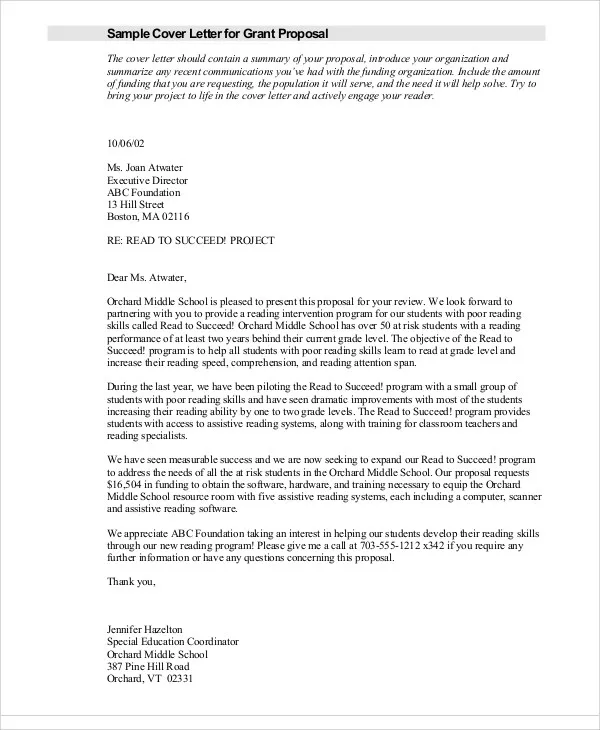
This example demonstrates a cover letter for an educational initiative focused on improving student outcomes. The letter describes the project’s goals, highlights the organization’s experience in education, and outlines the benefits of the initiative for students and the school community. It also aligns the project with the grantor’s focus on education and student success. The letter requests funding for specific resources and offers to answer any questions. The educational initiative will improve student outcomes.
Resources and Further Reading
For additional information and resources, consult the following references. These resources offer valuable insights into grant writing best practices, providing further details on cover letter writing, proposal development, and funding opportunities. This list includes links to grant writing guides, templates, and articles. By studying the resources listed below, you can enhance your grant writing skills and increase your chances of success. This will increase your organization’s potential to get funding.