Why Reapply for the Same Job?
Deciding to reapply for a job you were previously turned down for can be a strategic career move. There are several compelling reasons why you might consider this. Perhaps the role itself is your dream job, aligning perfectly with your career aspirations. The company culture and values might strongly resonate with you, creating a desire to be part of their team. Another factor could be personal growth and development. Over time, you might have acquired new skills, gained relevant experience, or further refined your qualifications, making you a more competitive candidate. You could also see that the company is flourishing or expanding, which might present new opportunities. Furthermore, the initial hiring process might have been competitive, and a reapplication could place you in a more favorable position due to changes in the candidate pool. Whatever the reason, a well-crafted cover letter is crucial for demonstrating your renewed interest and updated qualifications.
Assessing Your Previous Application
Before you resubmit your application, conduct a thorough assessment of your previous submission. Review your original cover letter, resume, and any other materials you provided. Ask yourself what areas might have been lacking or could be improved. Consider any feedback you may have received, either formally or informally, from the hiring manager or recruiter. Were there any specific skills or qualifications that were missing or underdeveloped? Did your application clearly demonstrate how your skills and experience matched the job requirements? Examine the job description closely, noting any changes or updates since your last application. Understand why you were not selected; did someone with more suitable experience and skills get the job? Identify any gaps in your qualifications or areas where you can strengthen your application. This self-assessment is the foundation for crafting a compelling cover letter that showcases your growth and renewed suitability for the role.
What to Update in Your Cover Letter?

Your cover letter is the cornerstone of your reapplication, and it should reflect the changes and improvements you’ve made since your initial submission. Begin by updating your skills and experience section. If you’ve gained new skills through training, projects, or on-the-job experience, highlight them. Quantify your achievements whenever possible; use numbers and metrics to illustrate the impact of your work. Ensure your cover letter directly addresses the specific requirements outlined in the job description. Customize each cover letter to the particular role, demonstrating that you’ve paid close attention to the employer’s needs. Avoid simply resubmitting the same letter, as this demonstrates a lack of effort. Also, update your career objective or summary to align with your current career goals and the job’s requirements, showcasing your evolution.
Highlighting New Skills and Experience
The key to a successful reapplication is to showcase your advancements. Did you take on a new project? Did you attend any workshops or courses to develop a specific skill set? Did you gain experience in a new software or tool relevant to the job? If you have acquired new experiences, elaborate on the projects, tasks, or responsibilities you have undertaken. Use the STAR method (Situation, Task, Action, Result) to provide context, explain your actions, and quantify the positive outcomes. This approach provides concrete evidence of your abilities and demonstrates that you have actively worked to enhance your professional capabilities. When listing your skills, incorporate keywords directly from the job description to ensure your application aligns with the employer’s requirements. Present these new skills and experiences in a clear, concise, and engaging manner, making it easy for the hiring manager to recognize your growth.
Addressing the Gap in Your Application
Acknowledging the previous rejection is important but in a professional manner. In your cover letter, briefly and positively address the fact that you are reapplying. You can express your continued interest in the role and company, and acknowledge the opportunity to learn from the previous experience. Avoid making excuses or dwelling on past mistakes. If you were missing specific skills or qualifications in your previous application, address this directly. State how you have worked to bridge those gaps through training, experience, or other development opportunities. If possible, provide specific examples of how you have improved your skill set or addressed weaknesses identified during the previous application process. Focus on the positive changes and improvements you’ve made since the last time you applied. This demonstrates self-awareness, a commitment to growth, and a determination to succeed.
Cover Letter Structure for Reapplication

Your reapplication cover letter should follow a clear and concise structure. Start with a strong opening that expresses your continued interest in the role and the company. Mention the specific job you are applying for and briefly acknowledge your previous application. In the body of your letter, emphasize your relevant skills and experience, highlighting any new qualifications or achievements. Use the STAR method to provide context, describe your actions, and quantify the results of your work. Tailor your examples to the job description, demonstrating how you meet the specific requirements. In your closing, reiterate your enthusiasm for the position and express your confidence in your ability to contribute to the company’s success. Include a call to action, such as requesting an interview, and thank the hiring manager for their time and consideration. A well-structured letter is essential to make a positive impression.
Expressing Your Continued Interest
It’s crucial to explicitly express your continued interest in the role and the company. In the opening paragraph, state your desire to reapply and mention your familiarity with the position. This shows that you are genuinely motivated and eager to join the team. Use phrases such as “I am writing to express my continued interest” or “I am excited to reapply for the [Job Title] position.” Explain what specifically attracts you to the role and the company. Reference any new developments or initiatives by the company that have further piqued your interest. You might comment on the company’s recent achievements, its expansion, or its positive impact on the industry. This not only shows your continued dedication but also proves you have researched the company. Furthermore, reiterate how your skills and experience align with the job requirements and how you believe you can contribute to the company’s success.
Showcasing Your Growth and Development
Highlighting your growth and development is key to demonstrating that you are a better candidate now than you were previously. Showcase any new skills you’ve acquired, projects you’ve completed, or experiences you’ve gained since your last application. Be specific, providing concrete examples and quantifying your achievements whenever possible. Mention any training courses, certifications, or workshops you have completed to enhance your skills. If you’ve taken on additional responsibilities in your current role, explain how they have broadened your experience and improved your performance. Also, indicate any improvements you have made in your approach or skills, drawing from feedback you might have received previously. These improvements will show your commitment to self-improvement. Clearly demonstrate your proactive steps toward becoming a more qualified and valuable candidate.
Adapting Your Cover Letter to the Job Description
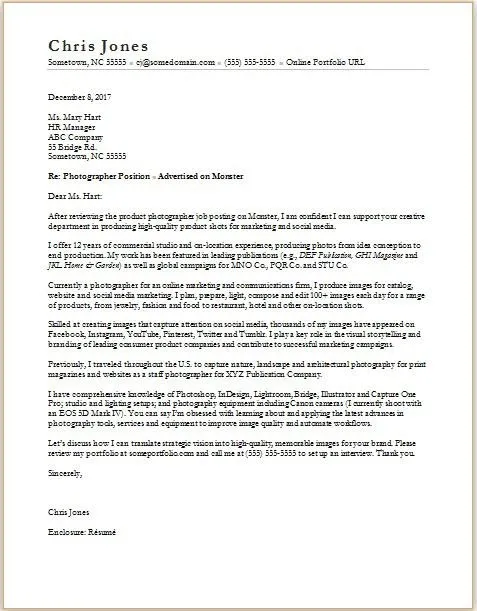
Customize your cover letter to align perfectly with the specific requirements of the job description. Review the job description carefully and identify the key skills, qualifications, and experiences that the employer is seeking. Highlight the experiences and skills that directly match those requirements. Use keywords from the job description to ensure your cover letter gets noticed by applicant tracking systems and hiring managers. Show that you have a strong understanding of the role and what the company expects. Give the hiring manager confidence in your ability to perform the job effectively. Avoid general statements and provide specific examples that support your claims. Tailoring your letter to each job shows your interest and your understanding of the unique demands of the role. You can do this, for instance, by re-phrasing your previous accomplishments to show their relevancy.
Proofreading and Editing Your Cover Letter
Before submitting your cover letter, thoroughly proofread and edit it. Check for any grammatical errors, spelling mistakes, or typos. Even minor errors can create a negative impression and undermine your credibility. Ensure that your language is clear, concise, and professional. Review the overall tone and make sure it conveys enthusiasm, confidence, and professionalism. Have a friend, family member, or career counselor review your letter for feedback. A fresh pair of eyes can often catch mistakes that you might have missed. Verify all the information, including the job title, company name, and contact details. A well-proofread and edited cover letter demonstrates attention to detail and a commitment to excellence, significantly increasing your chances of a positive outcome. Your cover letter should be perfect.
Tips for a Successful Reapplication
Reapplying for a job requires a strategic approach. Start by carefully assessing your previous application to identify areas for improvement. Highlight any new skills or experiences you have gained and quantify your achievements whenever possible. Directly address any gaps in your qualifications, showing that you have taken steps to improve. Customize your cover letter to the specific job description, emphasizing your interest in the company and the role. Express your continued interest in the position and the company, making it clear that you are more qualified now. Follow up on your application if you haven’t heard back within a reasonable timeframe. Be polite and professional in all your communications. Use the cover letter to express your determination to succeed and your enthusiasm for the opportunity. And most importantly, believe in yourself and your ability to succeed!