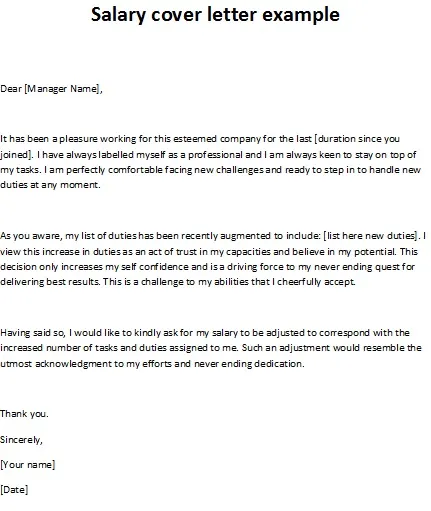
Understanding Salary Expectations Before Writing
Before you even begin to draft your cover letter, a crucial step is to understand your own salary expectations. This involves assessing your current financial needs, desired lifestyle, and the value you bring to the table. Consider factors like your years of experience, the specific skills you possess, and the cost of living in the location where the job is based. Setting realistic expectations early on will not only help you in the salary negotiation process but also ensure that you’re applying for positions that align with your financial goals. Researching industry standards and company pay scales is integral to this process. By understanding what similar roles are compensated for in your field, you can approach your salary discussion with confidence and clarity.
Researching Industry Standards and Company Pay
Thorough research is your best ally when determining a reasonable salary request. Begin by investigating industry standards for similar roles. Websites like Glassdoor, Salary.com, and Payscale offer valuable insights into average salaries, often broken down by experience level, location, and specific skills. Additionally, try to gather information about the company you are applying to. Does the company have a reputation for paying above or below average? Their size, financial performance, and location can all impact their salary ranges. Company websites and LinkedIn profiles may provide clues, and networking with people who work or have worked at the company can offer inside information. This research is important to justify your request, demonstrate your market awareness, and signal your professionalism.
Using Online Salary Tools

Online salary tools are invaluable resources to help you gauge appropriate salary ranges for your desired role. Platforms like Glassdoor, Salary.com, and Payscale provide extensive databases and salary calculators that allow you to input various factors such as job title, location, experience level, and skills. These tools generate estimated salary ranges that can be a helpful guide when formulating your salary request. When using these tools, consider the accuracy of the data provided and take into account the sources. Also, remember to adjust the salary range based on your own unique qualifications and the specific requirements of the job you are applying for. Use these tools to support your research and create a well-informed approach to salary expectations.
Analyzing Job Descriptions
Carefully analyzing the job description is crucial in determining whether or not the role is the right fit for your expectations, including salary. Job descriptions often provide hints about the salary expectations, and these hints can be in a few different forms. Sometimes, the description may explicitly state a salary range or a budget. Other times, the requirements, responsibilities, and required skills can implicitly suggest a salary range. For example, a job description that mentions “senior-level experience” and requires specific certifications often suggests a higher salary than a similar role with fewer demanding requirements. Pay close attention to the language used, and use your research to correlate these details with industry standards. This exercise can help you refine your salary expectations, assess the company’s budget, and understand whether the role is in line with your financial needs.
When to Discuss Salary in Your Cover Letter
The timing of when to discuss salary in your cover letter is a delicate balancing act. Ideally, it’s usually best to defer the salary discussion until the interview stage. The main purpose of a cover letter is to highlight your skills, experiences, and suitability for the role, encouraging the employer to invite you for an interview. Discussing salary too early in the process might prematurely eliminate you from consideration. However, there are scenarios when you might need to mention salary, such as when the job description specifically requests it or when you have non-negotiable salary requirements. The key is to tailor your approach based on the job requirements and your overall career goals. Consider the potential implications and approach this step with strategy and deliberation.
The Best Time to Mention Salary Expectations

The best time to mention salary expectations in your cover letter varies. Generally, it is best to avoid it altogether, or briefly mention it near the end. Often, including a salary range is acceptable, but only if the job posting explicitly requests this information. Otherwise, the focus of the cover letter should be on demonstrating your value and how your skills align with the employer’s needs. If you absolutely must mention salary, consider the following options. Indicate you are open to discussing your expectations during the interview or offer a general statement that your salary is commensurate with your experience, without giving any specifics. This way, you signal your willingness to negotiate without prematurely setting a figure that might hinder your chances. The ideal scenario is when the employer initiates the conversation during the interview, giving you more context and a chance to negotiate.
Avoiding Early Salary Discussions
One of the primary goals of your cover letter is to secure an interview. Introducing salary expectations too early can potentially disqualify you, before you have the chance to showcase your qualifications and establish your value. If you’re asked about salary, it’s generally better to defer the discussion. Phrases like “My salary requirements are flexible and open for discussion” or “I am eager to learn more about the role and discuss compensation” can be useful. The objective is to steer the conversation towards your skills and the value you bring to the role, rather than focusing on monetary figures. By postponing the discussion until later stages, you allow yourself time to understand the role, demonstrate your capabilities, and gauge the employer’s interest. This approach provides more room for negotiation and increases your chances of receiving a competitive offer.
How to Phrase Your Salary Request
When you decide to mention salary in your cover letter, it’s important to do so professionally. The way you phrase your request can greatly impact the employer’s perception of you and your suitability for the role. Whether you’re stating a specific salary, a range, or simply signaling flexibility, use confident and clear language. Avoid being too demanding or appearing desperate. Instead, focus on expressing your expectations and demonstrating that you’ve conducted the appropriate research. The key is to find a balance between being assertive and remaining open to negotiation. The way you communicate your salary requirements will determine the tone and outcome of the negotiation and can influence the employer’s willingness to negotiate and see your worth.
Directly Stating Your Salary Needs

If you are required to state a salary, be as precise as possible. You can use a specific figure if you have a definite idea of what you want. Make sure your number is informed by market research and the specific details of the job. You can present your salary expectations in a few ways, depending on what the employer requests. If you need to state a specific amount, make sure it aligns with your research and that you’re comfortable with this number as a starting point for negotiation. When possible, include a salary range. The range reflects your flexibility and leaves room for negotiation. This approach signals that you’ve done your research and that you are open to discuss the final offer. In this case, the range should be realistic, reflecting your experience level and market value.
Using a Salary Range
Using a salary range is often the best approach when discussing salary in your cover letter. It allows you to show flexibility and adaptability, while still giving the employer an idea of your expectations. The range should reflect a realistic minimum and a desired maximum based on your research and assessment of the job. The lower end of the range should be the least you are willing to accept, and the higher end should be your ideal figure. When choosing a salary range, it’s important to do research to determine the market value for the position. This information can be gathered from websites like Glassdoor and Payscale. Ensure that the range you provide is appropriate for the skills and experience required and does not exceed the typical bounds for the industry. The salary range demonstrates your willingness to negotiate and gives you room to discuss additional benefits, if appropriate. When setting a range, avoid making the spread too wide, as this might be a sign that you haven’t done enough research.
Emphasizing Value and Skills
Before mentioning salary, highlight the value you bring to the role and the company. Emphasize your skills, accomplishments, and how you can contribute to the company’s success. Focus on demonstrating how your expertise aligns with the job’s requirements. Doing so sets the stage for a successful negotiation and reinforces your value. The goal is to position yourself as a valuable asset that merits the salary you are requesting. By focusing on the benefits you bring, you increase the chances that the employer will value you and the compensation you are asking. By clearly articulating the value you can bring, you transform the discussion from a mere transaction into a strategic investment for the employer. Make sure to address all the skills and experiences outlined in the job description.
Focusing on Your Qualifications

When discussing salary, focus on your qualifications to justify your request. Highlight relevant skills, experiences, and achievements that are directly related to the job description. By linking your qualifications to the requirements of the role, you demonstrate that you have the necessary expertise to excel in the position. Provide specific examples of how you’ve used your skills to deliver successful outcomes in the past. Backing up your claims with concrete achievements and metrics showcases the value that you bring to the table. This approach builds a strong case for your salary expectations and persuades the employer that you are worthy of the compensation. This is why it is important to have good understanding of the job requirements and expectations.
Highlighting Relevant Experience
Your experience is a key factor in determining your worth, so emphasize relevant experience in your cover letter. Detail your previous roles, focusing on the responsibilities, projects, and results achieved. Highlight the skills you developed and the achievements that align with the job’s requirements. Quantify your accomplishments whenever possible. For example, use metrics to demonstrate the positive impact you have had in your previous roles. This helps the employer to measure the value you will provide, and helps you justify your salary request. By effectively showcasing your experience, you increase your chances of receiving a competitive salary offer. When mentioning previous experience, make sure to use keywords in the job description.
Formatting Your Salary Mention
The formatting of your salary mention in your cover letter should be clean and professional. If you need to include the salary information, integrate it into your closing paragraph or in a separate sentence at the end of the cover letter. The goal is to mention your expectations in a concise, clear, and professional manner. Avoid any language or formatting that could be perceived as demanding or unprofessional. Keep your tone positive and confident. Ensure there are no typos or grammatical errors. The format should reflect your attention to detail and your professional demeanor. Your cover letter is an important tool in your job search, so pay attention to the small details. It is better to be clear and professional than to be perceived as pushy.
Where to Include Salary Information

The ideal place to include salary information in your cover letter is often at the end. If you must address your salary expectations, it’s best to include it in the closing paragraph, after you have discussed your skills and value. This is your opportunity to summarize your key qualifications and demonstrate how they match the job’s requirements. By positioning the salary information at the end, you can show confidence and make a good impression. Alternatively, if the job description specifically requests salary information, you can include it in a separate sentence. This direct approach shows that you are responsive to the employer’s instructions. Regardless of where you include it, ensure your statement is professional and aligned with your overall goals. Ensure all your qualifications, skills, and experiences are in order.
Example Cover Letter Phrases
Here are some examples of phrases you can use in your cover letter when addressing salary. “I am seeking a position with a salary range of [X] to [Y]”. “My salary expectations are in line with my experience, which is in the range of [X] to [Y]”. “I am open to discussing my salary requirements during the interview process”. These phrases strike a balance between providing information, expressing flexibility, and demonstrating a professional approach. The key is to adapt the phrasing to fit your specific situation and the employer’s requests. It’s important to be clear, confident, and professional in your writing. Tailoring these phrases to match the specific job and your qualifications will help you make a positive impression on the hiring manager.
What to Do If the Job Doesn’t Mention Salary
If the job description doesn’t mention salary, it’s generally best to avoid bringing it up in your cover letter. Focus instead on showcasing your qualifications and expressing your enthusiasm for the role. Your primary goal in the cover letter is to get the interview. You can discuss your salary expectations during the interview, after you have had the opportunity to learn more about the role and the company. Use this time to gain a deeper understanding of the job and the expectations. When the employer initiates the salary discussion, you’ll be better prepared to present your requirements. You can also use the interview to assess the company’s culture and benefits, which are all factors that will influence your final salary decision.
Handling Salary Questions During the Interview

Be prepared for the inevitable salary questions during the interview. If the topic comes up, refer to your research and know your market value and be ready to give a range, or state your expectations. During the interview, you have the opportunity to present your value and skills. At this stage, it’s useful to reiterate your qualifications and provide more details about your previous accomplishments. Highlight examples that directly relate to the job requirements. If the employer asks about your expectations before making an offer, you can respond with a salary range, but always base it on your research. If the employer does not bring up salary during the interview, it’s acceptable to wait until they make you an offer before discussing the compensation. By waiting, you can learn more about the role and demonstrate your worth.
Preparing for Salary Negotiation
Preparation is key for a successful salary negotiation. Do your research and know your market value, and have a range ready. Before the interview, determine your minimum acceptable salary, and have a clear idea of what the job entails. Also, prepare to support your request with evidence from your previous experiences and accomplishments. During the negotiation, it is important to remain calm, confident, and professional. Use your research to back up your requests. If the employer offers you a salary below your expectations, don’t be afraid to negotiate. Be prepared to discuss not only salary but also other forms of compensation such as benefits and bonuses. By preparing and practicing, you’ll be able to present your value and reach an agreement that is suitable for both you and the employer.
Following Up After the Interview
Follow up after the interview to reiterate your interest and thank the interviewer. Send a thank-you note. This is a chance to reaffirm your interest in the role, and to recap your qualifications. It’s a great way to restate your value. Reiterate your salary expectations if they were not already discussed. Refer back to your salary research, or provide an updated salary range. This is the best time to clarify any lingering questions. You can also use this as an opportunity to restate your interest in the role. Whether you choose to restate salary expectations, or any other questions, keep your communication clear, professional, and considerate.