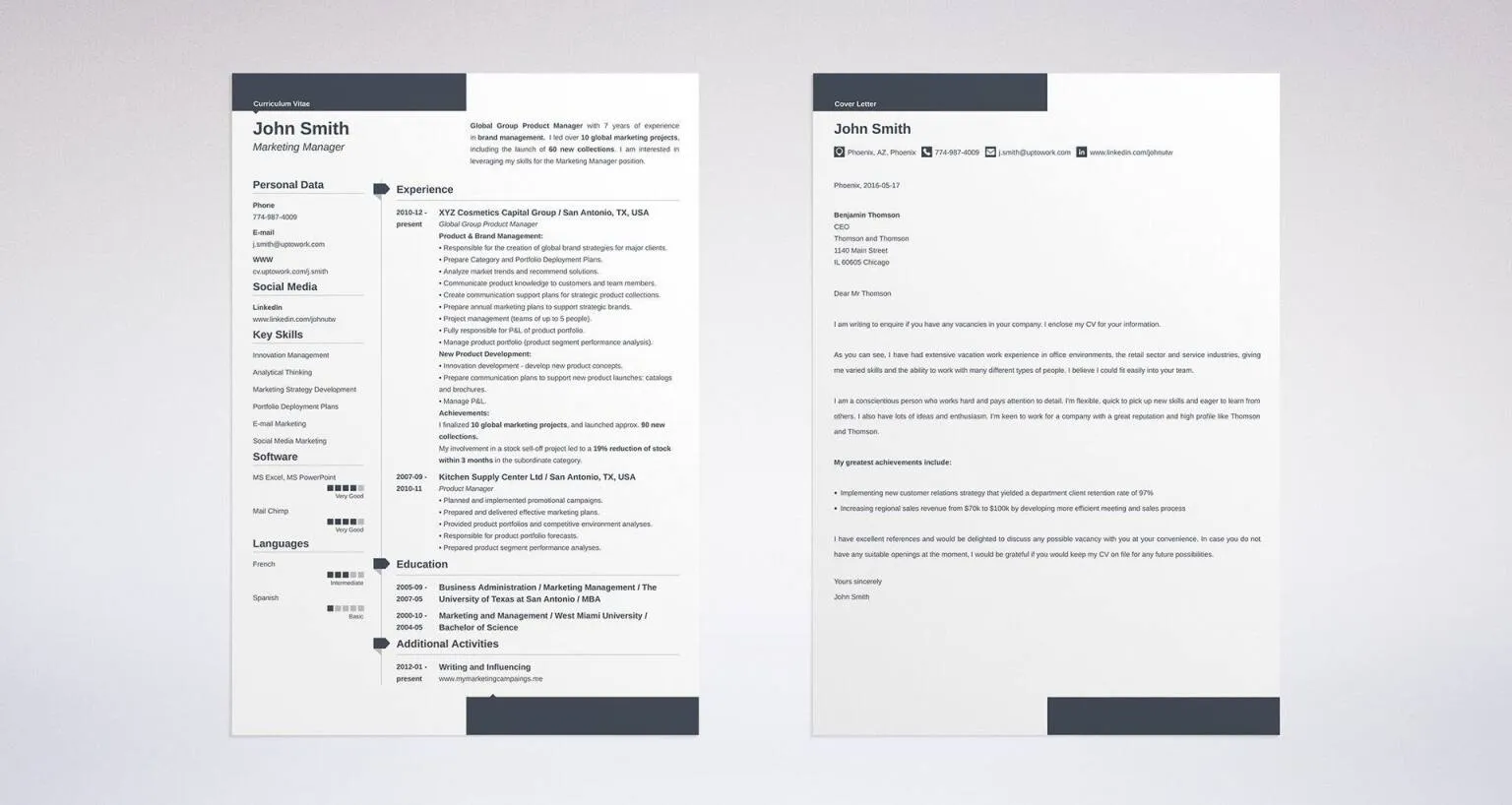
Understanding the Cover Letter Close
The closing of your cover letter is more than just a formality, it’s your final opportunity to make a strong impression on a potential employer. It’s the last thing they’ll read, and it can significantly impact their perception of you and your application. A well-crafted closing summarizes your value, reiterates your interest in the position, and motivates the reader to take the next step, which is often scheduling an interview. Think of it as your last pitch, a chance to seal the deal. Neglecting this crucial part of your cover letter is like leaving a game before the final whistle; you might miss the winning play. Proper closing allows you to reinforce your key qualifications, demonstrate your enthusiasm, and encourage the hiring manager to move forward with your application.
Why the Closing Matters
The cover letter’s closing is a pivotal moment, serving several critical functions beyond a simple sign-off. Firstly, it provides a concise recap of why you are the ideal candidate, reinforcing the connection between your skills, experiences, and the job requirements. This is particularly important in a pile of applications where recruiters often have a limited amount of time to evaluate each one. Secondly, it allows you to express your sincere enthusiasm for the position and the company. This passion can set you apart from other applicants and show that you are not just seeking any job, but the specific one. Thirdly, it includes a call to action, guiding the hiring manager to the next step, whether it’s inviting them to contact you for an interview or providing a clear path to further engagement. Finally, a strong closing leaves a lasting impression, ensuring you are remembered favorably, which can be crucial in a competitive job market.
Key Elements of a Strong Cover Letter Closing

Crafting a powerful cover letter closing involves several key elements. Start by briefly summarizing your key qualifications and how they align with the job description. This is your opportunity to reiterate why you are the right fit for the role. Next, express your enthusiasm for the opportunity and the company. Show genuine interest and excitement. After that, include a clear call to action, such as inviting the hiring manager to contact you for an interview or providing your availability for a call. Don’t forget to thank the reader for their time and consideration, showing gratitude. Finally, ensure your tone is professional and courteous, aligning with the overall message of your cover letter. A well-structured closing, incorporating these elements, significantly boosts your chances of advancing in the hiring process.
Expressing Your Interest and Enthusiasm
Demonstrating your interest and enthusiasm is a critical component of a successful cover letter closing. It’s where you move beyond stating qualifications to showing genuine excitement about the position and the company. Use phrases that reflect your eagerness, such as “I am incredibly excited about the opportunity to…” or “I am particularly drawn to [company’s mission/values] because…”. Make sure your words convey your passion for the role and why you’re specifically interested in it. Research the company and tailor your closing to align with their values and goals, showcasing that you’ve taken the time to understand their mission. Your aim is to prove that you’re not just seeking employment but are genuinely interested in contributing to the company’s success. Expressing enthusiasm makes you more memorable and demonstrates a proactive approach to the job.
Reiterate Your Value Proposition
Reiterating your value proposition in the closing is like delivering a final, compelling sales pitch. It’s your last chance to emphasize what you bring to the table and remind the hiring manager why you are the best candidate. This doesn’t involve repeating everything from your letter, but rather summarizing your key skills and experiences that align with the job requirements. Focus on the most relevant qualifications and how they can directly benefit the company. Use strong, action-oriented language to describe your potential contributions, like “I am confident that my experience in X will enable me to achieve Y and contribute to Z’s success.” By clearly outlining your value, you help the recruiter quickly understand why you’re a valuable asset, and increase the likelihood of them inviting you for an interview. Make sure your closing reflects a clear understanding of the company’s needs and how you can meet them.
Mentioning Your Availability

In your cover letter’s closing, mentioning your availability is a crucial step, as it facilitates the next stage of the hiring process. This could include a simple statement like, “I am available for an interview at your earliest convenience.” Or, if you have specific availability, like, “I am available for a call next week on Tuesday and Thursday afternoons.” Offering specific availability makes it easier for the hiring manager to coordinate with you. This proactive approach also indicates your enthusiasm and respect for the company’s time. Avoid being overly vague or leaving your availability open-ended, because it may cause delays in the hiring process. Ensuring you are easy to contact and willing to engage promptly showcases your professionalism and commitment to the role.
Including a Call to Action
A call to action (CTA) is essential in your cover letter’s closing, as it guides the hiring manager to take the next step. This direct request can greatly improve your chances of moving forward in the application process. Your CTA should be clear and specific, such as “I welcome the opportunity to discuss my qualifications further in an interview.” or “Please feel free to contact me via email or phone.” The aim is to make it easy for the hiring manager to know what they should do next. Avoid vague endings like, “I look forward to hearing from you.” Instead, include a direct invitation for an interview. Make sure that your CTA aligns with the job description and what you can offer. By including a well-crafted CTA, you are essentially prompting the hiring manager to act and inviting them to engage with your application further.
Examples of Effective Cover Letter Closings
To provide you with ideas, here are some examples of effective cover letter closings. For example, “Thank you for considering my application. I am enthusiastic about the opportunity to contribute my skills and experience to [Company Name]. I am available for an interview at your convenience. I look forward to hearing from you.” Another example, “I am eager to learn more about the [Position Name] at [Company Name]. My experience in [relevant skill/experience] aligns perfectly with the needs described in the job description. Please contact me to schedule a meeting. Thank you for your time and consideration.” Or, “I am excited about the possibility of joining your team at [Company Name]. With my experience in [specific area] I believe I can make a significant contribution. I am available for an interview at any time. I look forward to your reply.” These examples balance professionalism, enthusiasm, and a clear call to action, designed to leave a lasting positive impression.
Closing for Entry-Level Positions

When closing a cover letter for an entry-level position, emphasize your enthusiasm and willingness to learn and grow. These qualities are often more valued than extensive experience. Show your passion for the field and your dedication to the company. A strong closing might include statements that highlight your eagerness to contribute and your adaptability. “I am excited about the chance to start my career at [Company Name] and eager to contribute to your team’s success. I am available for an interview at your earliest convenience, and I am particularly interested in the opportunity to learn and develop my skills within your organization.” Or, “Thank you for considering my application. I am very enthusiastic about the chance to join [Company Name]. I am excited about the possibility to start in the entry-level position. I am available to meet with you anytime.” The closing for an entry-level role is more about your potential and enthusiasm.
Closing for Experienced Professionals
For experienced professionals, the closing of your cover letter should emphasize your proven track record and specific achievements. Focus on results and how you can immediately contribute to the company’s goals. Your closing should clearly state your value proposition, detailing your specific skills, experience, and the benefits you bring. For example, “Thank you for your consideration. I am confident that my extensive experience in [specific area] will allow me to make a significant contribution to [Company Name]. I am available for an interview and look forward to discussing how I can help achieve your goals.” Or, “With my proven record of success in [industry], I am eager to apply my skills to [Company Name]. I am available for an interview to discuss my qualifications in detail.” It’s important to highlight your key accomplishments and how you can help the company succeed.
Common Mistakes to Avoid in Cover Letter Closings
Several common mistakes can undermine the effectiveness of your cover letter’s closing. Avoid generic, impersonal closings that don’t reflect your interest in the specific role or company. Steer clear of spelling or grammatical errors, which can make your application look unprofessional. Never include negative or desperate language, such as expressing worries about your application or overemphasizing the need for a job. Don’t forget to tailor your closing to each application, as using the same generic closing for every job reduces your impact. Additionally, do not provide excessive information, like salary expectations or references unless specifically requested in the job description. Always proofread to ensure your closing aligns with the tone and content of the rest of your letter, providing a strong, positive, and memorable conclusion.
Overused Phrases to Ditch

Certain phrases in cover letter closings have become overused, losing their impact. Instead of using these phrases, use original and effective ways to make your impact. Avoid generic closing lines such as, “I look forward to hearing from you.” Or “Thank you for your consideration.” These are considered clichés. Try to make your own closing by incorporating specific details about the company, the position, and your qualifications. Using, “Please do not hesitate to contact me” is also very common. Instead, use a specific call to action, such as, “I welcome the opportunity to discuss how my skills can help achieve your goals.” Focus on originality and professionalism.
Proofreading and Finalizing Your Closing
Proofreading and finalizing your cover letter closing is the final crucial step before you submit your application. Proofread the closing very carefully to eliminate any errors. Check for spelling, grammar, and punctuation errors, as these can create a negative impression. Ensure that your closing reflects a professional tone, aligned with the rest of your letter and the company’s culture. Verify that your call to action is clear, concise, and appropriate. Read the closing aloud to ensure it flows well and sounds natural. Ask a friend, family member, or career advisor to review your closing for feedback and any potential improvements. Proper proofreading ensures that your closing is polished, error-free, and ready to make a positive and lasting impact on the hiring manager.
Ensuring a Professional Tone
Maintaining a professional tone is important in your cover letter’s closing to leave a positive impression. Use formal language, avoiding casual or informal words or slang. Ensure your closing aligns with the company culture and industry standards. Be courteous and respectful, showing appreciation for the hiring manager’s time and consideration. Keep your tone positive, even if you are addressing potential challenges. Avoid negative or desperate statements that could undermine your application. Tailor your tone to reflect the specific role and company. A professional tone is fundamental to making your cover letter closing a powerful tool that enhances your chances of getting the job.
Reviewing and Refining Your Closing

Before submitting your cover letter, make a review and refine your closing. Make sure your closing effectively summarizes your value and your skills. Verify that the closing aligns with your main key points. Check that your closing includes a clear call to action and that your enthusiasm is clearly expressed. Review the closing carefully for grammar, spelling, and punctuation. Also, check that the tone is right for the company and the role. Adjust the closing to improve its clarity and effectiveness. By conducting a thorough review, you can improve the impact of your cover letter closing and boost your chances of getting a job.