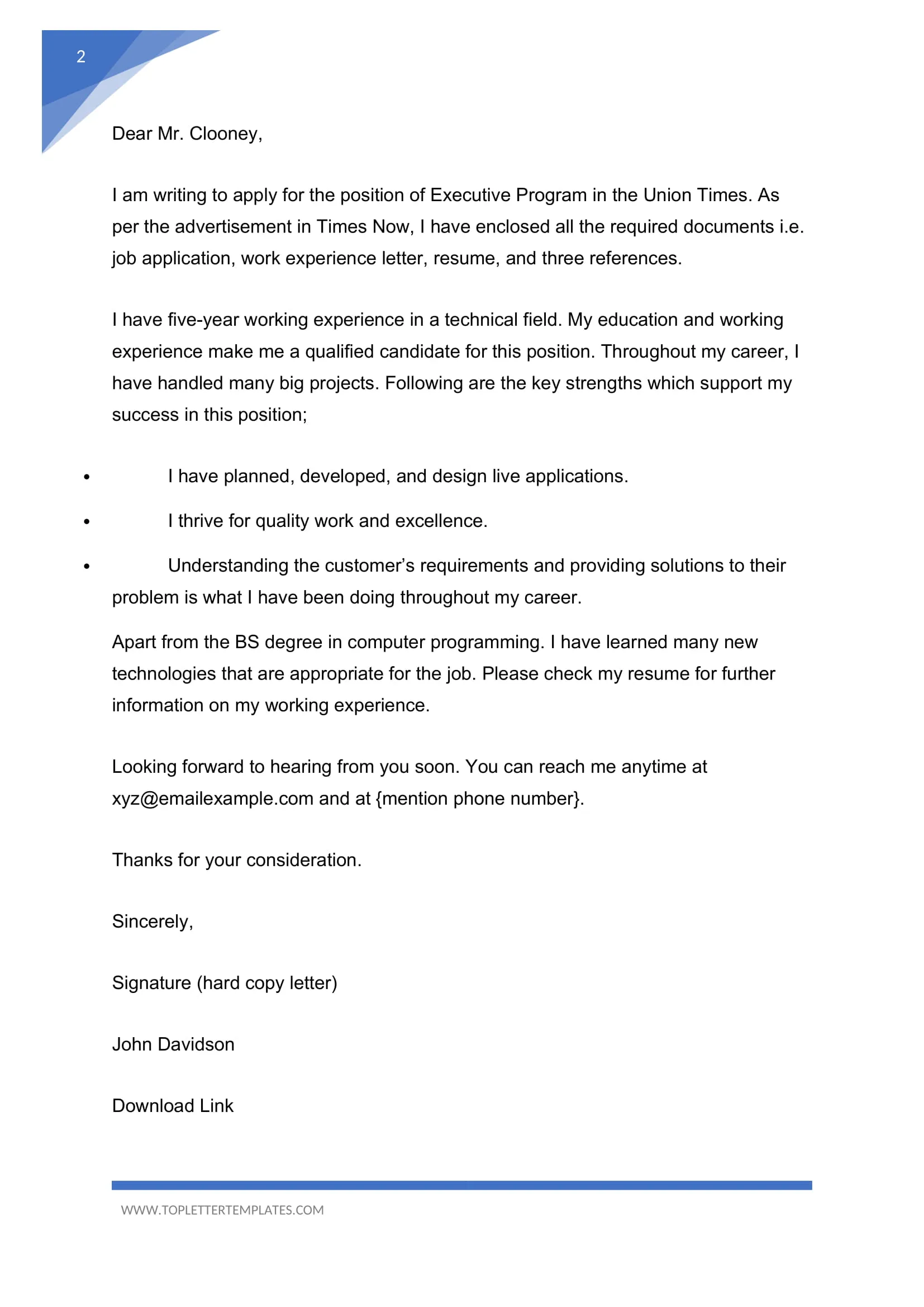
What is a Cover Letter?
A cover letter is a one-page document you send with your resume when applying for a job. It acts as an introduction and allows you to highlight your relevant skills, experiences, and qualifications. The cover letter provides context to your resume, demonstrating how your background aligns with the specific job requirements. Unlike a resume, which is a factual summary, a cover letter allows you to express your personality, enthusiasm, and explain why you’re the perfect fit for the role. A well-crafted cover letter can significantly increase your chances of getting an interview.
Why is a Cover Letter Important?
In today’s competitive job market, a cover letter is crucial. It offers you an opportunity to personalize your application and make a positive first impression. A cover letter allows you to explain any gaps in your employment history or career changes, addressing any potential concerns the hiring manager might have. Moreover, it demonstrates your written communication skills and attention to detail. A strong cover letter shows that you have taken the time to research the company and tailor your application, which indicates your genuine interest in the position. It also allows you to elaborate on your accomplishments beyond what is possible in a resume. By showcasing your unique value proposition, you can stand out from other applicants and increase your chances of landing an interview.
Key Components of a Cover Letter

A well-structured cover letter typically includes the following key components, each playing a vital role in conveying your qualifications and interest in the job. A strong opening paragraph immediately grabs the reader’s attention and states the position you are applying for and how you found it. The body paragraphs expand on your skills and experiences, demonstrating your suitability for the role and highlight your key accomplishments. The closing paragraph summarizes your interest, reiterates your enthusiasm, and includes a call to action. Remember to always proofread carefully before submitting.
Header & Contact Information
Your header should include your name, address, phone number, and email address. Ensure this information is current and professional. Consider using a professional-looking email address (e.g., firstname.lastname@email.com) instead of a less formal one. Place the header at the top of the page, either left-aligned or centered. This section ensures the hiring manager can easily contact you. The header is the first thing the hiring manager will see, so it should be clean, organized, and easy to read. Use a font that is consistent with the rest of your letter, like Arial, Calibri, or Times New Roman. Make sure the information is accurate to avoid any communication issues.
Date and Recipient Information
Below your contact information, include the date and the recipient’s information. Start with the date you are sending the letter. Next, include the hiring manager’s name, title, and the company’s name and address. Research the hiring manager’s name; if unavailable, use the title of the person responsible for hiring, like ‘Hiring Manager’ or ‘Recruiting Team.’ Correctly addressing the recipient adds a personal touch and shows that you have taken the time to research the company and the role. Always double-check the accuracy of the recipient’s information to demonstrate attention to detail.
Personalized Salutation

Begin your cover letter with a professional salutation. ‘Dear Mr./Ms./Mx. [Last Name]’ is a standard approach if you know the hiring manager’s name. If you are unsure of the name, options include ‘Dear Hiring Manager,’ ‘Dear [Department Name] Team,’ or ‘Dear [Company Name] Recruiting Team.’ Avoid generic greetings like ‘To Whom It May Concern,’ as they can make your letter seem impersonal. Tailoring your salutation shows you have done your research and makes a positive impression from the start. Always double-check the recipient’s name and title to ensure accuracy and show respect.
Body Paragraph 1 Grab Attention
The first paragraph should immediately capture the reader’s attention and clearly state your purpose. Mention the specific position you are applying for and where you found the job posting. Briefly highlight your most relevant qualifications or a compelling achievement that directly relates to the job requirements. Express your enthusiasm for the position and the company. This initial paragraph sets the tone for your cover letter and encourages the hiring manager to read further. Keep it concise and impactful, creating curiosity and prompting them to learn more about your qualifications and how you can contribute to their team.
Body Paragraph 2 Showcase Skills
In the subsequent body paragraphs, showcase your relevant skills and experiences, linking them to the job’s requirements. Provide specific examples from your previous roles or projects that demonstrate your abilities. Quantify your achievements whenever possible by using numbers or data to showcase your impact. This could include increases in sales, successful project completions, or improvements in efficiency. Tailor your skills section to match the specific qualifications listed in the job description, providing evidence that you possess what the employer is seeking. This section is crucial for illustrating your suitability and aligning your skills with the company’s needs.
Body Paragraph 3 Highlight Achievements

This paragraph should focus on highlighting your key achievements and how they align with the company’s goals. Provide specific examples of how you have made a positive impact in past roles. Quantify your accomplishments whenever possible by using numbers or metrics. Discuss how your skills have delivered tangible results, such as increased revenue, cost savings, or improved efficiency. Showcase your value by aligning your achievements with the employer’s needs, focusing on how you can contribute to their success. This section demonstrates your understanding of the role and your capacity to make a significant contribution to the company.
Call to Action & Closing
In your closing paragraph, reiterate your interest in the position and the company. Express your enthusiasm and summarize your key qualifications, reiterating your suitability for the role. Include a clear call to action, such as stating your availability for an interview and how you can be reached. Thank the hiring manager for their time and consideration. Maintain a professional tone throughout. A strong closing paragraph reinforces your interest and leaves a lasting positive impression, prompting the hiring manager to contact you.
Formatting Your Cover Letter
Formatting your cover letter correctly is crucial for presenting a professional and polished document. Use a clear and readable font, such as Arial, Calibri, or Times New Roman, with a font size between 10 and 12 points. Maintain consistent spacing throughout the letter, with single spacing within paragraphs and a double space between paragraphs. Use one-inch margins on all sides of the page. Ensure the letter is well-organized and easy to read, with clear headings and bullet points if necessary. A well-formatted cover letter shows attention to detail and professionalism, creating a favorable first impression.
Choosing the Right Font and Size

Selecting the appropriate font and size is critical for readability and professionalism. Choose a standard, easy-to-read font, such as Arial, Calibri, or Times New Roman. Avoid using overly decorative or unusual fonts that might distract the reader. Set the font size between 10 and 12 points; this size ensures the text is easily readable without appearing too large or small. Be consistent with your font and size throughout the entire document. The right font choice creates a professional appearance and makes your cover letter a pleasure to read.
Ensuring Proper Spacing and Margins
Correct spacing and margins enhance the readability and visual appeal of your cover letter. Use single spacing within paragraphs and double spacing between paragraphs to create visual separation and make the text easier to follow. Set one-inch margins on all sides of the page. This ensures your text isn’t cramped and provides ample white space, making the document less overwhelming. Well-structured spacing improves your document’s organization, ensuring your letter is professional and easy to read.
Proofreading and Editing
Proofreading and editing your cover letter is essential for ensuring it is error-free and reflects your professionalism. Carefully check for grammatical errors, spelling mistakes, and punctuation issues. Read the letter aloud to catch any awkward phrasing or sentences that might be unclear. Ask a friend or family member to review your letter for a fresh perspective. Pay attention to the overall flow and coherence of your writing, ensuring your points are clearly conveyed. A polished cover letter demonstrates your attention to detail and makes a strong impression.
Cover Letter Examples to Get You Started

Reviewing examples of successful cover letters can provide valuable insights and guidance when crafting your own. Seek out cover letter templates for various industries and job types to understand different approaches. Analyze how other applicants have structured their letters, highlighted their skills, and expressed their interest. Pay attention to the language and tone used and how they tailor the letter to the specific job. Adapt the best practices from the examples to suit your own experiences and the requirements of the positions you’re applying for, creating a cover letter that is both effective and authentic.
Cover Letter Template
A cover letter template can be a valuable tool for creating a well-structured and effective cover letter. A template provides a basic framework, including sections for your contact information, a salutation, an opening paragraph, body paragraphs highlighting your skills and experience, and a closing paragraph with a call to action. Use the template as a starting point and customize it to match your specific qualifications and the requirements of each job. By using a template, you can ensure that your cover letter includes all the essential elements while streamlining the writing process. Remember to personalize the content to showcase your unique value and tailor the template to suit the specific job requirements.