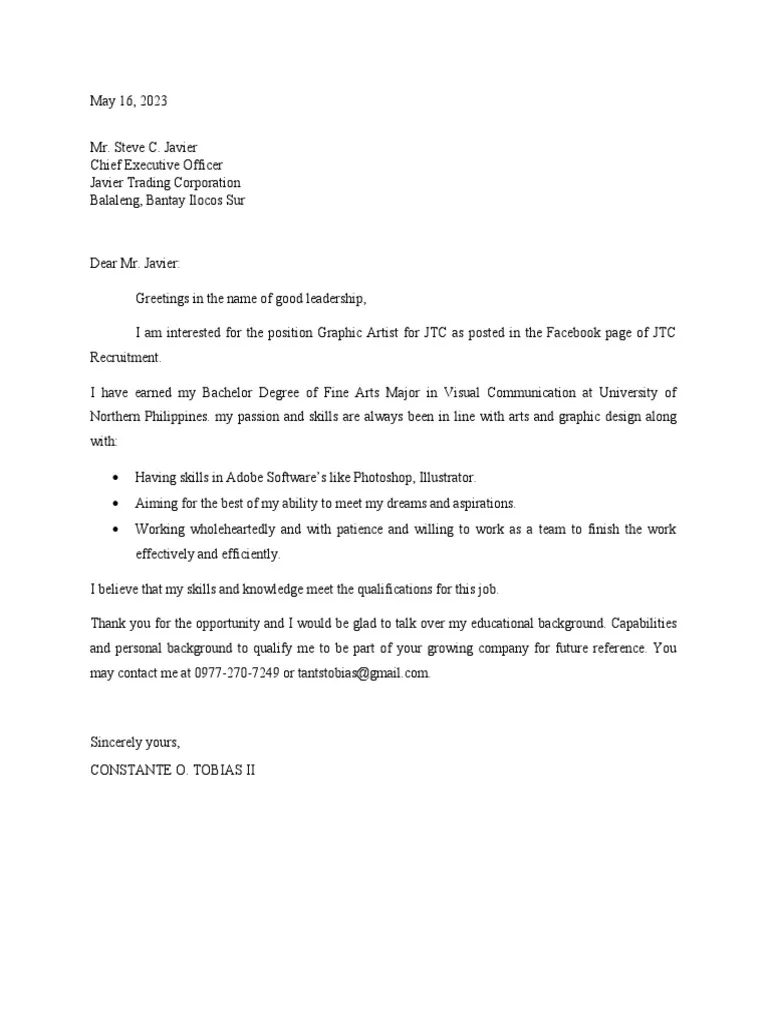
Understanding the Power of a Sample Cover Letter
In the competitive landscape of job applications, a well-crafted sample cover letter can be your most potent weapon. It’s more than just a formality; it’s your opportunity to make a compelling first impression and showcase your suitability for a specific role. This comprehensive guide will walk you through the essential elements and strategies needed to craft a winning cover letter that captures the attention of hiring managers and significantly increases your chances of landing an interview. With each carefully constructed paragraph and strategically placed detail, you can set yourself apart from other applicants and demonstrate your genuine interest and qualifications for the position. Mastering the art of the cover letter is a crucial step in building a successful career.
Why a Cover Letter Matters
A cover letter gives you a space to tell your story beyond the confines of your resume. It’s your chance to connect with the hiring manager on a personal level, express your passion for the role and the company, and show how your unique skills and experiences align with their needs. While a resume provides a snapshot of your professional background, a cover letter provides the narrative, the ‘why’ behind your application. In today’s job market, where competition is fierce, a strong cover letter can be the deciding factor in whether your application moves forward or is overlooked. It also indicates your attention to detail, communication skills, and the effort you’re willing to invest in securing the job.
The Purpose of a Cover Letter

The primary purpose of a cover letter is to introduce you, highlight your key qualifications, and express your interest in the position. It should explain why you are a perfect fit for the company and the role. Think of it as a personalized advertisement of your skills and experiences. A well-written cover letter also demonstrates your research and understanding of the company, the industry, and the specific job requirements. It serves as a bridge between your qualifications and the employer’s needs, making it easy for the hiring manager to see the value you bring. Moreover, it’s a chance to showcase your writing skills, which are essential in almost every professional role.
Essential Components of a Sample Cover Letter
A winning sample cover letter consists of several critical components that work together to create a powerful and persuasive message. Each part of your cover letter contributes to the overall impact of your application. From the contact information to the closing, the attention to detail is vital. Let’s explore these essential components, ensuring you have all the elements needed to make a lasting impression on potential employers.
Contact Information and Date
Begin your sample cover letter by including your contact information at the top. This typically includes your full name, address, phone number, and email address. This information should be easy to find and read. Following your contact information, include the date. Use the standard format for your region. This ensures the employer can easily reach you and provides a sense of professionalism and clarity. Accuracy here shows attention to detail and helps streamline the communication process.
The Salutation

The salutation sets the tone for your cover letter. Aim to address the hiring manager by name, which shows you’ve taken the time to research the company and the role. If you cannot find a specific name, use a professional greeting like ‘Dear Hiring Manager.’ Avoid generic greetings like ‘To Whom It May Concern,’ as this can make your letter feel impersonal. A personalized salutation immediately grabs the reader’s attention and demonstrates your proactive approach. Using the correct name can also help you build a connection with the recruiter or hiring manager.
Opening Paragraph Grab Attention
Your opening paragraph is your first and most important opportunity to make a strong impression. Start by expressing your interest in the specific position and the company. Mention where you saw the job posting and briefly highlight your key qualifications or the value you bring to the role. The goal is to immediately grab the hiring manager’s attention and make them want to read the rest of your letter. This is your elevator pitch, so it should be concise, compelling, and tailored to the job. It’s important to make this paragraph personalized and show genuine enthusiasm.
Highlighting Skills and Experience
This is the main body of your sample cover letter, where you showcase your relevant skills and experience. Focus on how your skills and experiences align with the job requirements outlined in the job description. Provide specific examples to illustrate your accomplishments and how you’ve added value in previous roles. Use action verbs to describe your responsibilities and achievements. Tailor this section to each job application, highlighting only the most relevant information. Always demonstrate how your skills and experiences can benefit the company. Use this opportunity to connect your background with the company’s values and goals.
Quantify Achievements

Quantifying your achievements is a powerful way to demonstrate your impact. Instead of simply stating your responsibilities, use numbers and data to show your accomplishments. For example, ‘Increased sales by 15% in one quarter’ is much more impactful than ‘Responsible for sales.’ Quantifiable results prove your value and give the hiring manager concrete evidence of your capabilities. When possible, use specific metrics and figures to make your accomplishments more persuasive and memorable. Focus on what you have achieved to make you stand out from other candidates.
Tailoring to the Job Description
Each cover letter should be tailored to the specific job description. Review the job posting carefully and identify the key skills and qualifications the employer is seeking. In your cover letter, directly address these requirements by highlighting your relevant experiences and skills. Use the same keywords and phrases from the job description to show that you understand the role. Customize your cover letter for each application to show that you’ve done your research and understand the company’s needs. Your focus and approach to each cover letter should be unique and specific to the job for which you are applying.
Expressing Enthusiasm
Show genuine enthusiasm for the role and the company. Explain why you’re excited about the opportunity and what aspects of the job or company appeal to you. This shows that you’re not just looking for a job but are genuinely interested in the company and the position. Your passion and interest can set you apart from other candidates. The more enthusiastic you are, the more likely it is that the hiring manager will want to bring you in for an interview. It makes the letter more engaging and memorable.
The Closing Paragraph

In your closing paragraph, reiterate your interest in the position and express your eagerness to discuss your qualifications further. Thank the hiring manager for their time and consideration. Include a call to action by stating your availability for an interview. Keep it brief and professional, leaving a positive and lasting impression. A well-written closing paragraph reinforces your key message and encourages the hiring manager to take the next step in the hiring process. It’s your final opportunity to leave a good impression.
Formal Closing and Signature
Use a professional closing, such as ‘Sincerely,’ ‘Best regards,’ or ‘Thank you.’ Leave space for your handwritten signature, if you are printing and mailing the letter. If you are sending an email, type your full name below the closing. This final touch adds a sense of professionalism and respect. Ensure that your closing aligns with the tone and content of your entire cover letter. Use the same level of formality as the rest of the document to leave a lasting impression.
Formatting and Design Tips for Cover Letters
The visual presentation of your sample cover letter is just as important as the content. Formatting and design can significantly impact readability and make your letter more appealing. Ensure a polished and professional look. A well-formatted cover letter shows attention to detail and respect for the reader. These tips ensure your cover letter looks as good as it reads.
Font Choice and Readability

Choose a professional and easy-to-read font, such as Times New Roman, Arial, or Calibri. Use a font size between 10 and 12 points. Maintain consistency throughout the document. Avoid using fancy or overly stylized fonts that can be difficult to read. Your goal is to make the cover letter accessible and easy to scan. Ensure your font choices reflect the professionalism and attention to detail required for the job.
Layout and White Space
Use a clean and organized layout with ample white space. This helps the reader to focus on the content and makes the letter more visually appealing. Use 1-inch margins on all sides. Keep paragraphs concise, with clear transitions between ideas. A well-designed layout shows that you pay attention to detail and respect the reader’s time. Ensure the overall layout is balanced and not overwhelming. It makes it easier for the reader to digest the information.
Proofreading and Editing
Always proofread your sample cover letter multiple times. Check for spelling errors, grammatical mistakes, and typos. Ask someone else to review your cover letter for a fresh perspective. Errors can undermine your credibility and leave a negative impression on the hiring manager. A well-edited cover letter demonstrates your attention to detail and professionalism. Proofreading is critical; it confirms your attention to accuracy.
Examples of Effective Cover Letters

Reviewing examples of effective cover letters can provide valuable insights and inspiration. Seeing how others have successfully crafted their letters can give you a strong basis to build your own. This will help you understand various styles, formats, and the language used to convey qualifications and enthusiasm. These examples can guide your writing and ensure your letter aligns with best practices. They can also inspire you to create a letter that is both professional and persuasive.
Cover Letter for Recent Graduates
Recent graduates should focus on their academic achievements, internships, projects, and any relevant skills gained during their education. Highlight transferable skills, such as communication, teamwork, and problem-solving. Tailor your cover letter to emphasize skills most relevant to the job description. Even with limited experience, a compelling cover letter can highlight your potential and eagerness to learn. Emphasize any extracurricular activities, volunteer work, or personal projects.
Cover Letter for Career Changers
Career changers should focus on how their transferable skills and experiences align with the new role. Explain why you are making the career change and what motivates you to pursue the new opportunity. Highlight your relevant skills and accomplishments. Demonstrate a willingness to learn and adapt. Focus on your ability to add value to the company, even if your previous experience is in a different field. Show how your experiences can positively affect your new opportunity.
Cover Letter for Specific Industries

Tailor your cover letter to the specific industry and the requirements. Research the industry standards. Use industry-specific keywords and demonstrate your understanding of the field. For creative roles, consider including a link to your portfolio or samples of your work. Highlight your technical skills and any relevant certifications or licenses. Ensure your cover letter reflects the norms and language of the industry. Your industry knowledge will show the hiring manager that you are serious and prepared.
Common Mistakes to Avoid
Avoiding common mistakes can significantly increase the effectiveness of your sample cover letter. Recognizing and correcting these errors will ensure your application stands out for the right reasons. By focusing on accuracy, relevance, and professionalism, you will leave a positive impression on hiring managers. Let’s explore the pitfalls to prevent so you can create a standout cover letter.
Generic Cover Letters
Avoid sending generic cover letters that are not tailored to the specific job or company. Generic cover letters show a lack of effort and interest. Customize each cover letter for each job application. Show that you have researched the company and understand its needs. Tailor your cover letter to match the specific skills and qualifications required for the position. Make it clear that you are genuinely interested in the role and the company.
Typos and Grammatical Errors
Typos and grammatical errors can damage your credibility and create a negative impression. Always proofread your cover letter carefully before submitting. Ask someone else to review your letter. Ensure the language is clear, concise, and error-free. A polished, error-free cover letter demonstrates your attention to detail. This shows that you are professional and take your job search seriously.
Focusing on “I” instead of “You”
Shift the focus from your personal needs to the company’s needs. Instead of describing what you want, focus on what you can offer the company. Highlight how your skills and experience can benefit the employer. Demonstrate an understanding of the company’s goals. Make the letter about the company and the value you bring, rather than yourself. Show how you fit into the company’s vision.
Tips for Writing a Compelling Cover Letter
To create a truly compelling sample cover letter, consider these additional tips. From research and personality to follow-up strategies, this guidance will elevate your application. By incorporating these strategies, you can ensure your cover letter grabs the attention of the hiring manager and increases your chances of landing an interview. Use this to put the finishing touches on your writing and make the letter even more appealing.
Researching the Company
Before writing your sample cover letter, research the company. Understand their mission, values, and recent achievements. This information will help you tailor your cover letter. Address the company’s specific needs. This will demonstrate your genuine interest. Show that you have taken the time to learn about their organization. This shows the employer that you take your job search seriously.
Showcasing Personality
While maintaining professionalism, let your personality shine through in your cover letter. Show your enthusiasm, your unique perspective, and what makes you stand out. Use a conversational tone. Infuse your writing with authenticity and energy. This will make your cover letter more memorable and engaging. You can personalize your cover letter to show your unique skills.
Follow-up Strategies
After submitting your application, consider following up with the hiring manager or the company. Send a brief email to express your continued interest. Reiterate your qualifications and enthusiasm for the role. This shows initiative and persistence. Follow up a week or two after submitting your application. Be professional and polite, and demonstrate your commitment. Doing this can help increase your chances of getting noticed.
In conclusion, crafting a winning sample cover letter is an essential skill for any job seeker. By understanding the importance of cover letters, mastering their essential components, and avoiding common mistakes, you can significantly increase your chances of landing an interview. Remember to tailor your cover letter to each job application, showcase your unique skills and experiences, and express your genuine enthusiasm for the role and the company. With careful planning, thoughtful writing, and a commitment to excellence, you can create a cover letter that opens doors to exciting career opportunities. Good luck with your job search!