Why a Witty Cover Letter Matters
In a sea of generic applications, a witty cover letter is your life raft. It’s your chance to stand out, demonstrate personality, and make a memorable first impression. Think of it as your opening act before the main event—the interview. A well-crafted witty cover letter can capture the hiring manager’s attention from the get-go, making them eager to learn more about you. It proves you’re not just another applicant; you’re someone who brings creativity, confidence, and a sense of humor to the table. This approach is especially effective in creative fields or companies with a relaxed culture, where a bit of personality is highly valued. It signals that you’re not afraid to be yourself and that you can inject some fun into the workplace.
Grabbing Attention with Humor
Humor is a powerful tool, but using it effectively in a cover letter requires finesse. The goal isn’t just to make the reader laugh; it’s to create a connection and show your personality. Start with a clever opening line that piques their interest. Avoid generic greetings and phrases. Instead, try a witty observation related to the job or company. Think about a unique approach that sets the tone for the rest of your letter. Remember, the goal is to showcase your personality while remaining professional and relevant to the job. The humor should feel authentic to you and not forced. Authenticity is key; it makes your cover letter memorable and shows you’re confident in who you are.
Understanding Your Audience

Before unleashing your comedic genius, understand who you’re writing to. Not all companies or industries appreciate the same level of humor. Research the company culture – are they known for being innovative and playful, or more traditional and formal? Check their website, social media, and any press coverage to get a feel for their tone. Tailor your humor to align with their values and style. What might be considered hilarious in one setting could be completely inappropriate in another. Consider the role you’re applying for; if it’s a client-facing position, a touch of humor can show your ability to connect with people. If it’s a more serious role, keep your humor subtle and professional.
Researching the Company Culture
Dig deeper than the surface level. Look for clues about their company culture in their mission statement, employee testimonials, or any company blog posts. See if you can find examples of their communications, internal or external, to grasp their tone. If the company uses humor in its branding or marketing, that’s a green light to incorporate it into your cover letter. Look for inside jokes or cultural references that you can use to demonstrate you understand the company’s values. This research allows you to tailor your wit to the company’s specific environment, making your cover letter more relevant and impressive. Demonstrating that you’ve done your homework shows initiative and a genuine interest in the company. It indicates you’re not just applying for any job but for this job at this company.
Tailoring Your Witty Tone
Once you understand the company culture, you can start crafting your tone. Keep your humor relevant to the job and the company’s values. Don’t try to be funny just for the sake of it. Instead, integrate humor naturally to make your points more engaging. If the job requires creativity, you might use puns or wordplay to showcase your skills. If it’s a more serious role, use subtle humor, like a witty observation or a clever turn of phrase. Remember, the goal is to complement your qualifications, not overshadow them. Your humor should enhance your message, not distract from your skills and experience. Test your cover letter with a friend to ensure your jokes land and your tone is appropriate.
Show, Don’t Tell

Instead of saying you’re funny, demonstrate it. Instead of writing ‘I have a great sense of humor,’ show it through your words. Weave humor into your anecdotes and examples. For instance, instead of saying, ‘I’m detail-oriented,’ you could tell a quick story about how your meticulous approach saved a project. The same goes for showing your creativity or problem-solving skills. This approach makes your cover letter more compelling and memorable because you’re illustrating your qualities, not just listing them. Use your unique perspective to make the hiring manager smile and remember your application. Demonstrate how your skills and personality align with the job requirements and company culture through carefully crafted storytelling.
The Art of Self-Deprecating Humor
Self-deprecating humor can be a powerful tool in a cover letter, as it humanizes you and shows that you don’t take yourself too seriously. However, there’s a fine line between being self-deprecating and underselling yourself. Make sure your jokes are light-hearted and don’t undermine your abilities. For example, you could acknowledge a past mistake with a humorous spin while highlighting what you learned from it. The goal is to make yourself relatable and approachable, but never at the expense of your professional image. Use this type of humor sparingly and strategically, ensuring it adds value to your overall message. This can make you seem more likeable and authentic, which can significantly boost your chances of getting an interview.
How to Showcase Your Personality
A witty cover letter is an opportunity to showcase your unique personality. Inject your writing with your voice, using your preferred style and humor to make it authentic. Consider your tone; are you playful, sarcastic, or witty? Let this shine through in your writing. Avoid sounding like a robot or using generic phrases that can apply to anyone. Use anecdotes and personal stories to illustrate your skills and experiences. If you’re a fan of specific hobbies or pop culture references, you can subtly include them, provided they align with the company’s culture. Be confident in your personality; it’s what will set you apart from other applicants. Your personality makes you memorable, and that’s exactly what you want in the competitive job market.
Avoiding Common Mistakes

While humor can be an asset, it’s easy to go wrong. Avoid offensive jokes, as they can quickly derail your application. Steer clear of anything that could be misconstrued or make someone uncomfortable. Don’t use humor as a crutch to mask weaknesses. Make sure your cover letter still highlights your skills and qualifications. Avoid inside jokes that the hiring manager might not understand, as these can be confusing. Never use humor that is potentially controversial. Check your writing for spelling and grammar errors, as these can undermine your credibility. Proofread your letter multiple times. Get a second opinion to ensure your humor lands well and aligns with the company’s culture.
Overdoing It with Humor
One of the biggest mistakes is overusing humor. Your cover letter is not a stand-up comedy routine. Keep your jokes concise and relevant. Don’t sacrifice your professionalism for a laugh. Focus on the job requirements and your qualifications. The humor should enhance your message, not overshadow it. Balance your witty comments with details about your skills and achievements. Too much humor can make you seem unserious, so keep the tone appropriate. Ensure your humor is suitable for the job and the company. Maintain a professional tone, even when using humor. This will make the letter engaging without seeming unprofessional. Think of your letter as a blend of wit and professional communication.
Not Being Authentic
Trying too hard to be funny or forcing humor can be disastrous. Authenticity is key; your wit should reflect your personality. Don’t try to be someone you’re not. If you’re not naturally humorous, don’t force it. Instead, focus on showcasing your personality in other ways. It’s better to be genuinely enthusiastic than to force a joke that falls flat. Authenticity helps create a genuine connection with the hiring manager. If your humor feels forced, it will be perceived as such, potentially hurting your chances. Let your genuine self shine through in your writing; this makes it much more appealing than a contrived attempt at humor. Your personality is what makes you unique, so let it shine through.
Proofreading and Editing

Before sending your cover letter, meticulous proofreading is essential. Typos, grammatical errors, and poorly worded jokes can undo all your hard work. Ensure your humor lands the way you intend it to. Ask a friend, a mentor, or a career counselor to read your cover letter and provide feedback. They can tell you if your jokes are funny and if your tone is appropriate for the company. Proofread for spelling, grammar, and punctuation. Double-check that your contact information is accurate. Make sure your letter is formatted correctly. A polished cover letter indicates attention to detail and professionalism. This increases your chances of making a positive impression, which is essential when applying for a job.
Formatting for Impact
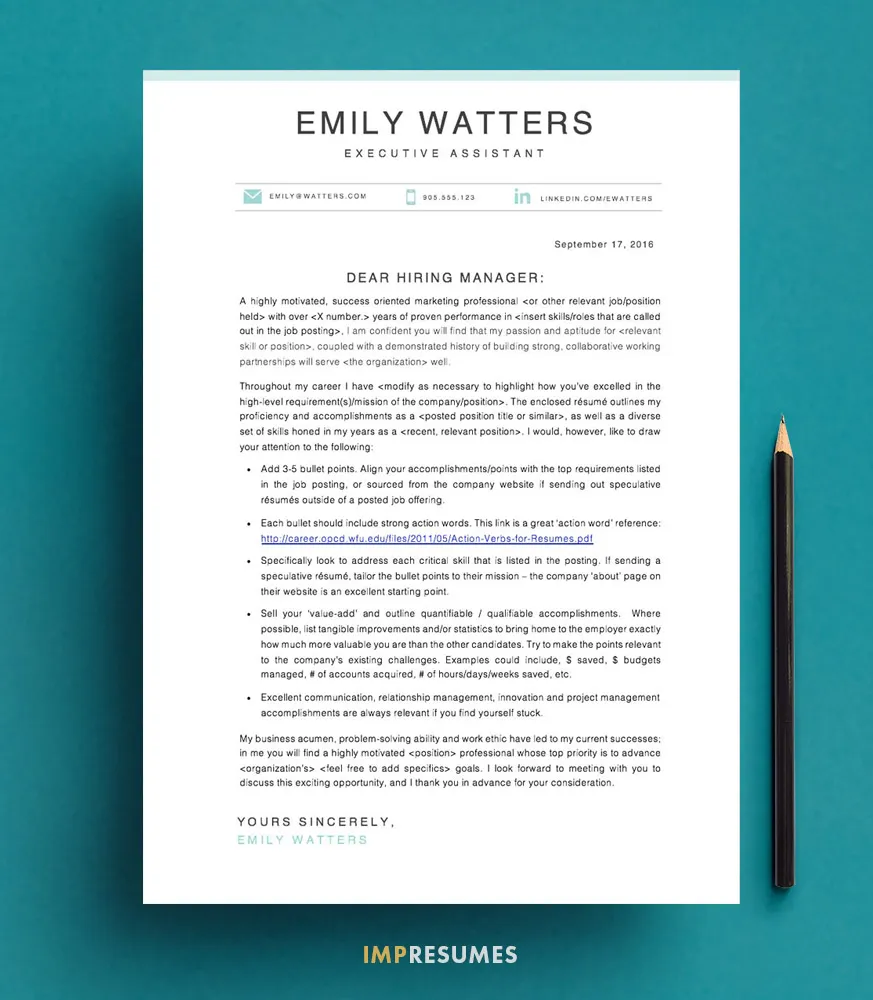
The way your cover letter looks is just as important as what it says. Use a clean, easy-to-read font. Choose a professional font like Arial, Times New Roman, or Calibri. Keep your paragraphs concise. Ensure your letter is well-formatted. Use bullet points to highlight key skills or accomplishments. Make sure there is adequate white space. Include a professional header with your contact information. Use a standard business letter format. Proper formatting demonstrates professionalism and attention to detail. Ensure your cover letter is visually appealing and easy for the hiring manager to read. This ensures that your witty remarks are easily digestible.
The Structure of a Witty Cover Letter
A witty cover letter still needs a solid structure. This structure will ensure your humor complements your professional qualifications. Start with a compelling opening that grabs the reader’s attention. Highlight your relevant skills and experiences in the body paragraphs. Inject humor naturally throughout the letter, but keep the focus on your qualifications. Finish with a confident and memorable closing that summarizes your interest in the role. Use a clear and logical flow to make your letter easy to read and understand. Proper structure ensures that the hiring manager understands your qualifications and is entertained while reading your letter.
Opening with a Bang

Your opening line is critical to capturing the reader’s interest. Avoid generic greetings like ‘Dear Hiring Manager.’ Instead, try something creative and engaging. Consider a clever observation about the job or company. You can start with a bold statement or a short, witty anecdote related to the role or the industry. Make sure your opening is relevant to the job and appropriate for the company. A humorous opening sets the tone for the rest of your letter. It helps you stand out and shows the hiring manager your personality right from the start. Make your opening memorable, and it’ll help you grab the reader’s attention and make them want to know more about you. The initial sentence should be memorable.
Highlighting Relevant Skills
While humor is important, don’t let it overshadow your qualifications. Make sure to highlight your relevant skills and experiences. Link your humor to your skills and accomplishments whenever possible. Use the body paragraphs to showcase your achievements and expertise. Provide specific examples of how you’ve used your skills in the past. Use the STAR method (Situation, Task, Action, Result) to describe your accomplishments. This helps demonstrate your value to the employer. Ensure you address the key requirements of the job description. Show how your skills and experience align with the employer’s needs. Make sure your humor is balanced with professional and relevant information.
Showcasing Your Personality
A witty cover letter provides an opportunity to inject your personality. Let your humor shine through in your writing. Use a tone that’s authentic to you. Are you playful, sarcastic, or dry? Let your true self come out. Your unique voice and personality will help you stand out. Don’t try to be someone you’re not; be confident in who you are. Use anecdotes and personal stories to make your letter engaging and memorable. Your personality is what makes you unique, and it can make your application shine. Allow your personality to infuse your words to help you get an interview.
Closing with Confidence

End your cover letter with a strong, confident closing. Summarize your interest in the role and why you’re the best fit for the job. Reiterate your enthusiasm for the opportunity. Include a call to action, encouraging the hiring manager to contact you for an interview. Show your confidence and enthusiasm, leaving a lasting impression. Thank the hiring manager for their time and consideration. Ensure your closing leaves the reader with a positive and memorable impression. Your closing can be humorous, but always remain professional. Your confidence is what will set you apart, and your witty closing will seal the deal.