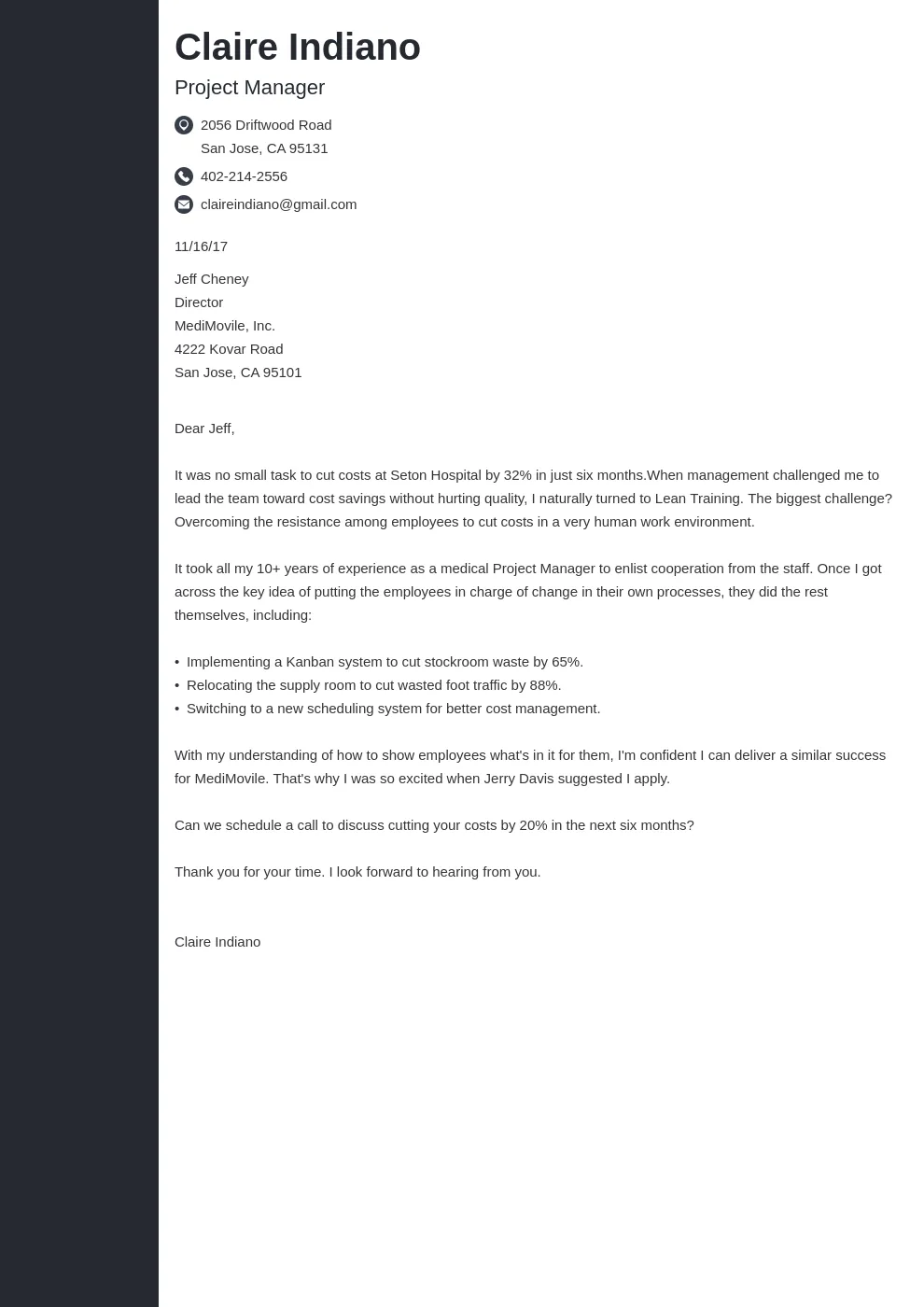
What is a Cover Letter and Why Does it Matter?
A cover letter is your first opportunity to make a strong impression on a potential employer. It is a concise document that accompanies your resume when you apply for a job. Its purpose is to introduce you, highlight your key qualifications and skills, and express your interest in the specific position. Think of it as a personalized sales pitch, showcasing why you are the perfect fit for the role and the company. A well-written cover letter can significantly increase your chances of getting an interview, while a poorly written one can lead to your application being overlooked. In today’s competitive job market, a compelling cover letter is an essential tool for standing out from other candidates.
Cover Letter Basics
Before diving into the specifics, it’s important to understand the fundamental elements of a cover letter. A cover letter should typically be one page long and formatted professionally. It needs to be addressed to a specific person whenever possible, and it should clearly state the job you are applying for. The content should be tailored to the job description and the company’s values. Use clear and concise language, avoiding jargon or overly complex sentences. Always proofread meticulously for any errors in grammar or spelling, as these can create a negative impression. Remember, the cover letter is a preview of your writing skills and attention to detail.
Contact Information

At the top of your cover letter, include your contact information. This should include your full name, phone number, email address, and optionally, your LinkedIn profile URL or portfolio link. Make sure the email address you use is professional and that your voicemail greeting is also professional. This allows the recruiter or hiring manager to easily reach you.
Date
Below your contact information, write the current date. This helps the employer know when the cover letter was written.
Recipient Information
Always address the cover letter to the hiring manager by name. If you can’t find a specific name, research the company’s website or LinkedIn to find the relevant person. If you are unable to find a name, you may use the job title such as “Hiring Manager”.
The Opening Paragraph

The opening paragraph is your first chance to grab the reader’s attention. Instead of a generic greeting, start strong by expressing your interest in the role and the company. Briefly mention where you saw the job posting, and state the specific position you’re applying for. If you have a personal connection to the company or a compelling reason for your interest, include it here. The goal is to immediately demonstrate your enthusiasm and make the hiring manager want to read more.
Addressing the Hiring Manager
Whenever possible, address your cover letter to a specific person. It shows that you’ve done your research and are genuinely interested in the opportunity. Use a formal salutation like “Dear Mr./Ms./Mx. [Last Name]”. If you don’t know the hiring manager’s name, try to find it through the company’s website or LinkedIn. This personal touch makes your application feel less generic.
Highlighting Your Value Proposition
In the opening paragraph, make a concise statement about the value you bring to the company. Focus on your most relevant skills or experiences and mention how they align with the job requirements. This is your chance to showcase your unique selling points and why you are a strong candidate. Keep it brief, and save the detailed examples for the body paragraphs.
Tailoring Your Cover Letter to the Job

Each cover letter should be tailored to the specific job and company. Carefully review the job description and identify the key skills, experiences, and qualifications the employer is seeking. Then, in your cover letter, highlight the relevant aspects of your background, explaining how your experience makes you a good fit for the role. Generic, one-size-fits-all cover letters often fail to impress.
Body Paragraphs
The body paragraphs should expand on the key points you introduced in the opening paragraph. Provide specific examples of your accomplishments, skills, and experiences. Use the STAR method (Situation, Task, Action, Result) to structure your stories and show how you have successfully addressed challenges and achieved goals in past roles. These examples demonstrate the value you bring to the table and provide concrete evidence to support your claims.
Skills and Experience
Focus on the skills and experiences that align with the job description. Highlight both hard skills (e.g., technical proficiency) and soft skills (e.g., communication, teamwork) that are relevant to the role. Provide specific examples of how you’ve used these skills in the past to achieve positive results. This demonstrates that you can perform the tasks required for the job.
Quantifying Your Achievements

Whenever possible, quantify your achievements using numbers and data. For example, instead of saying “Improved customer satisfaction,” say “Increased customer satisfaction by 15% through implementing a new feedback system.” Numbers make your accomplishments more compelling and give the hiring manager a clearer understanding of your impact.
Using Action Verbs
Start your sentences with strong action verbs to create a dynamic and engaging tone. Words like “managed,” “led,” “developed,” “implemented,” and “achieved” make your descriptions more impactful and showcase your capabilities. Action verbs help to convey a sense of purpose and accomplishment, keeping your letter active and easy to read.
Keep it Concise and Focused
Avoid including irrelevant information or repeating your resume verbatim. Focus on the most important details that highlight your qualifications and align with the job requirements. Keep your paragraphs short and to the point, making it easy for the hiring manager to quickly grasp your key strengths. A concise and focused cover letter shows respect for the reader’s time.
The Closing Paragraph

The closing paragraph should reiterate your interest in the role and the company, while expressing your enthusiasm for the opportunity. Thank the hiring manager for their time and consideration. Provide a clear call to action, such as requesting an interview or mentioning your availability for a follow-up call. A strong closing paragraph leaves a positive and memorable impression.
Expressing Enthusiasm and Availability
Reiterate your genuine interest in the position and the company. Briefly mention why you are excited about the opportunity and what you bring to the table. State your availability for an interview and any other relevant details about your ability to attend meetings or communicate with them.
Call to Action
End with a clear call to action. Request an interview or state that you are available for a phone call at their earliest convenience. This shows that you are proactive and eager to move forward in the hiring process. Make it easy for the hiring manager to take the next step.
Proofreading and Formatting

Before submitting your cover letter, carefully proofread it for any errors in grammar, spelling, and punctuation. Read the letter aloud to catch any awkward phrasing or unclear sentences. Ensure the formatting is consistent and professional. A polished and error-free cover letter demonstrates your attention to detail and professionalism. Use a standard font, such as Times New Roman or Arial, and maintain consistent spacing.
Reviewing for Clarity and Impact
Make sure your cover letter clearly communicates your key qualifications and what you can offer the company. Focus on how your skills and experiences match the job requirements. Ensure your writing is concise and impactful. Consider asking a friend, mentor, or career counselor to review your cover letter for feedback.
Formatting Guidelines
Use a professional-looking font like Times New Roman or Arial in a size between 10 and 12 points. Make sure your paragraphs are single-spaced with a space between each paragraph. Use left alignment and maintain consistent margins. Ensure your cover letter is easy to read and visually appealing.
Common Mistakes to Avoid

There are several common mistakes that can hurt your chances of getting an interview. Avoid these pitfalls to make your cover letter more effective. A well-crafted cover letter is a key to success in your job search.
Generic Openings
Avoid using generic greetings like “To Whom It May Concern” or generic opening statements. These greetings show a lack of effort and personalization. Instead, try to find the hiring manager’s name or use a job title to demonstrate your interest.
Ignoring the Job Description
Do not submit a cover letter that does not address the requirements outlined in the job description. Tailor your cover letter to highlight the skills and experiences that align with the specific role. Ignoring the job description indicates a lack of attention to detail.
Typos and Grammatical Errors
Typos and grammatical errors can make a bad impression. Always proofread your cover letter multiple times, and consider having someone else review it. Errors can undermine your credibility and make you appear careless.
Example Cover Letter Openings
Here are a few examples of effective cover letter openings. These openings will help you write a cover letter instantly.
Example 1: “I am writing to express my enthusiastic interest in the Marketing Manager position at [Company Name], as advertised on [Platform]. With my five years of experience in digital marketing and proven ability to increase lead generation by 20%, I am confident I can significantly contribute to your team.”
Example 2: “Having followed [Company Name]’s innovative work in [Industry] for several years, I was thrilled to see the opening for a Software Engineer on your team. My expertise in Java and my passion for developing cutting-edge solutions align perfectly with your company’s goals.”
Example 3: “I am writing to apply for the Customer Service Representative position at [Company Name], as I am eager to apply my skills in resolving customer issues and providing excellent service, as I have successfully increased customer satisfaction by 15% in my previous role.”
When to use a Cover Letter
In most cases, you should always include a cover letter when applying for a job, unless the job posting explicitly states otherwise. A cover letter provides you with an opportunity to showcase your personality, explain your career goals, and show that you are an ideal fit for the role and the company.
By following these steps, you can create a cover letter that instantly grabs the attention of hiring managers. The goal is to make a strong impression and increase your chances of getting an interview. Remember to tailor your cover letter to each job and proofread it carefully before submitting it.